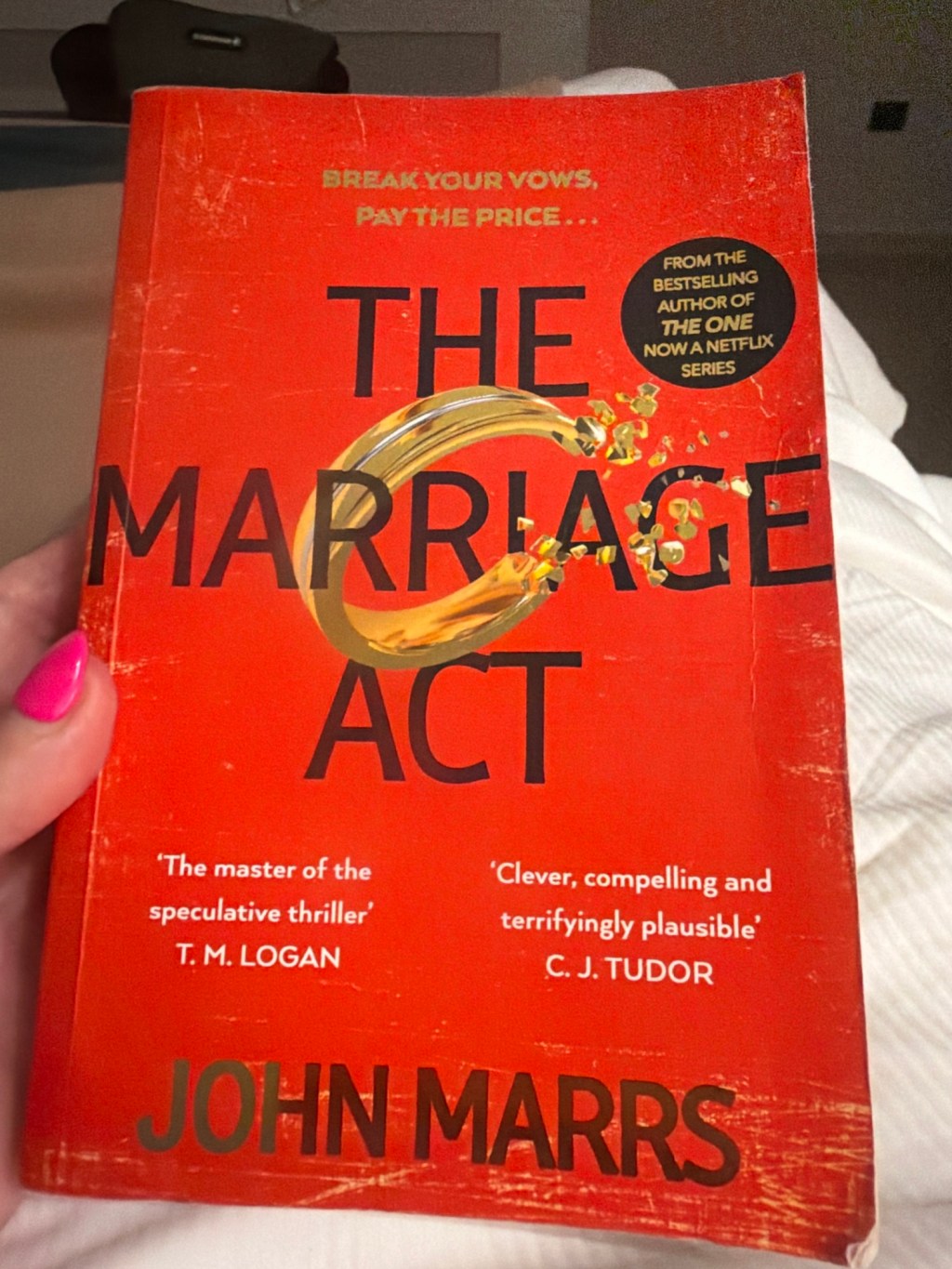
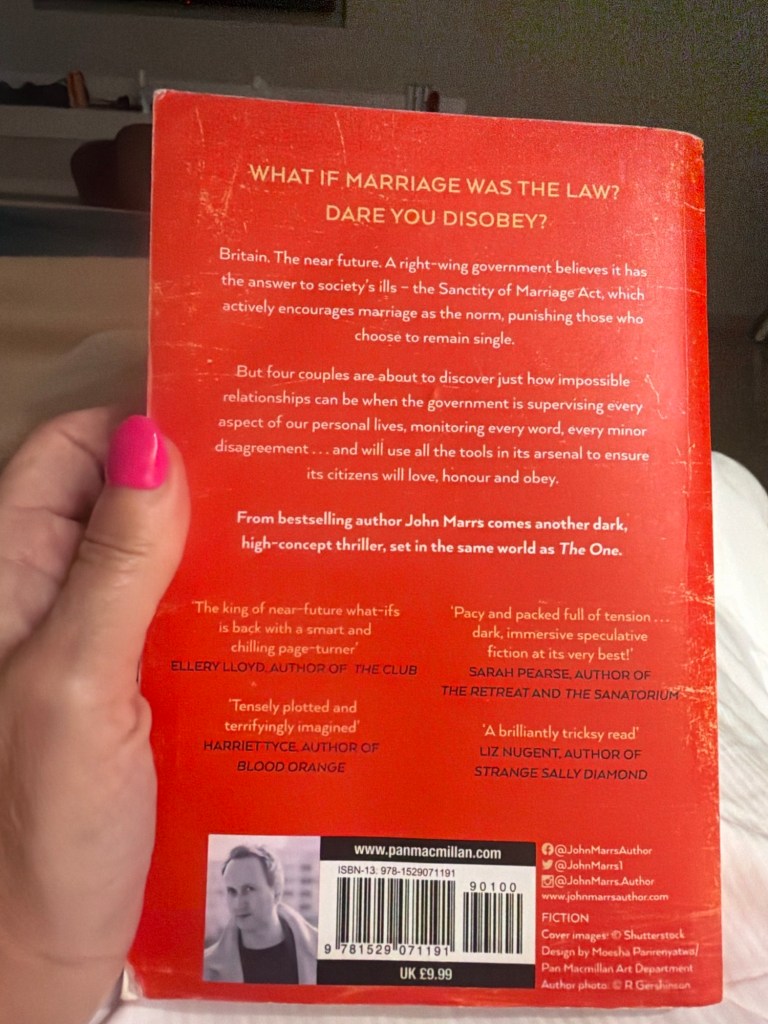
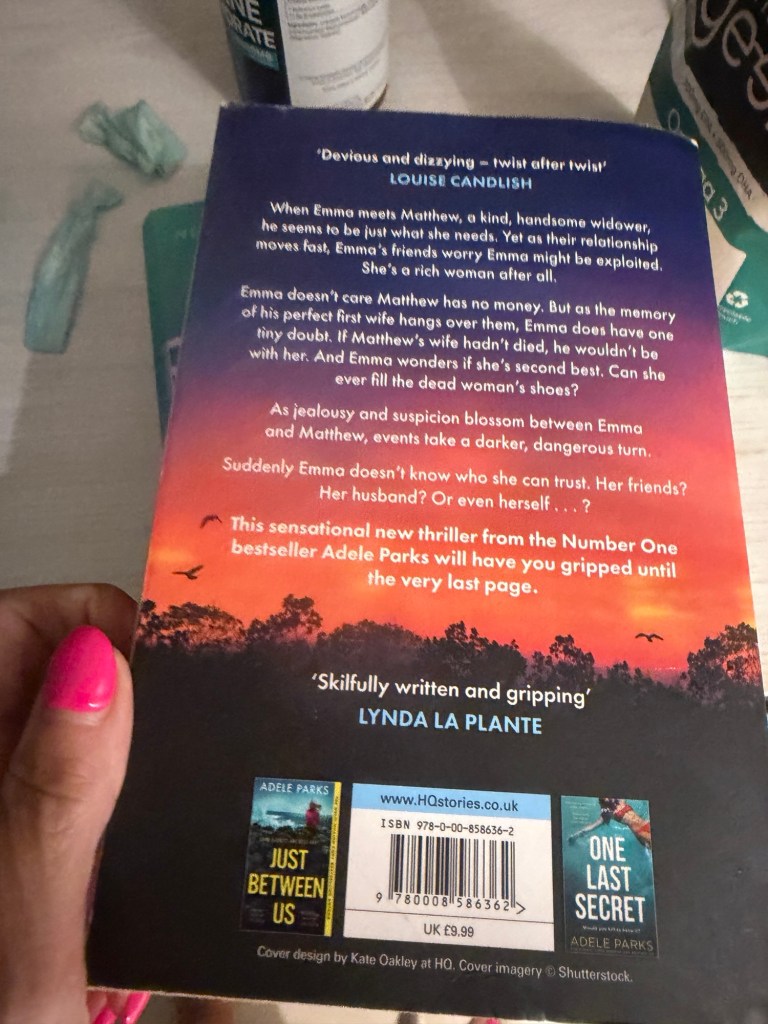
The Marriage Act by John Marrs — ⭐⭐⭐ 3/5 I always get excited to pick up a new John Marrs book because I love how original his ideas are, and The Marriage Act definitely had a really interesting premise.
It is set in a near-future world where married couples can sign up to a government-backed scheme designed to make marriages happier, stronger and more successful. In return, they receive lots of benefits — but the rules are strict, the monitoring is intense, and leaving the programme is not as simple as it sounds. As with all of John Marrs’ books, the concept is clever and slightly unsettling. I loved the idea behind it and could really imagine parts of it becoming possible in the future, which made it feel quite thought-provoking. The book follows several different characters and relationships, showing how the scheme affects people in very different ways. The problem being I didn’t find any of the characters engaging enough to want to be rooting for- and this is where it fell down for
me However, although I enjoyed it overall, this one did not quite hit the mark for me in the same way that The One did. There were definitely plenty of twists, drama and moments that kept me reading, but I found some parts a little harder to connect with and it did not have me as completely hooked as I was hoping. John Marrs is still one of my favourite authors for a clever, fast-paced and slightly dark thriller, and I will absolutely keep reading everything he brings out. I loved the Passengers and also The One and this is in opinion not as good as either The Marriage Act is a good read with a brilliant concept, but for me it was a solid 3-star book rather than one of his stand-out favourites.
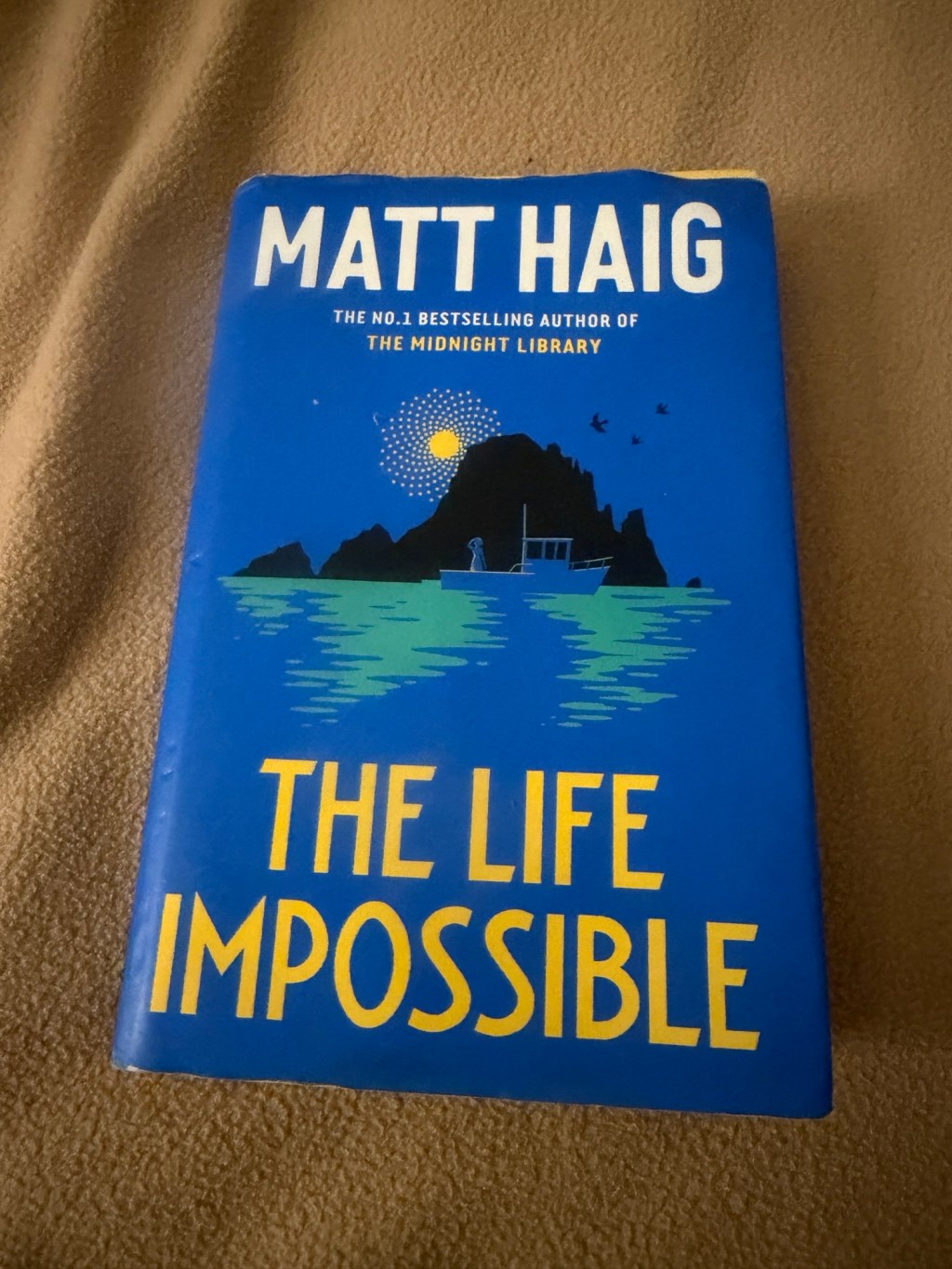
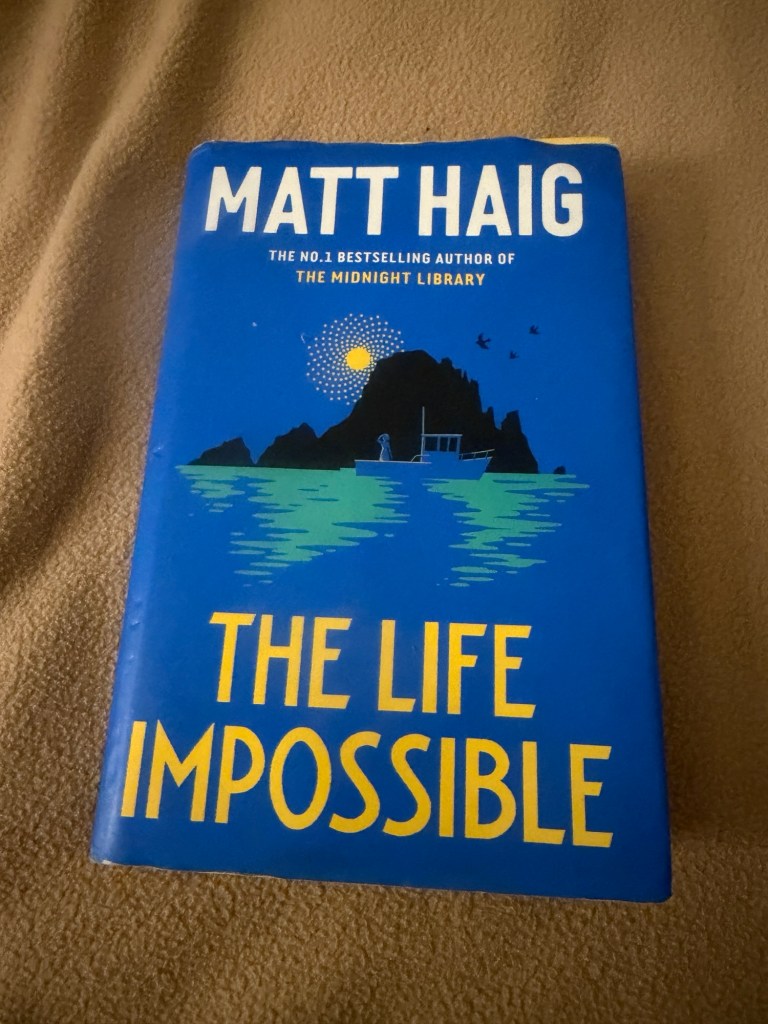
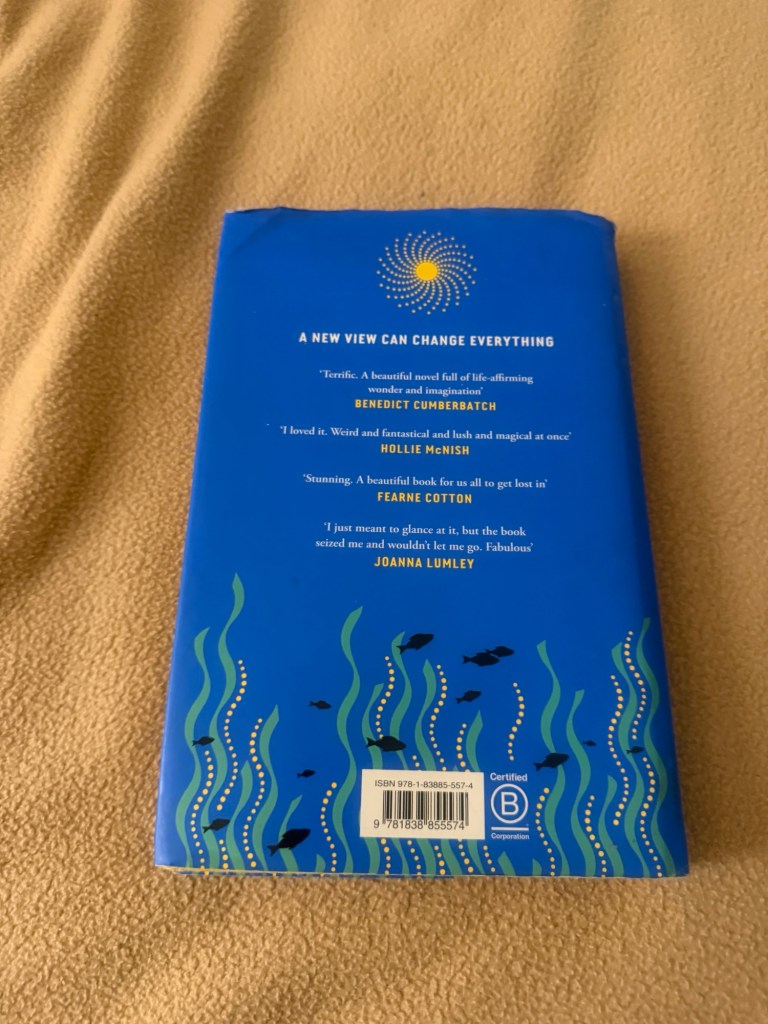
There’s something about a Matt Haig novel that feels like a warm cup of tea on a grey afternoon. You know you’re in safe hands from the first page. After falling head over heels for The Midnight Library, I couldn’t wait to pick up The Life Impossible.
While it didn’t quite reach the same heights for me, it’s still a lovely, uplifting read that I’d happily recommend.
What’s It About
The story follows Grace Winters, a retired maths teacher in her seventies. She’s living a quiet and rather lonely life, shaped by grief and regret. Then, out of the blue, she inherits a house on the Spanish island of Ibiza from an old colleague she barely knew. Curious, and with not much to lose, Grace sets off to find out why. What she finds there is far from ordinary. Without giving too much away, the island holds secrets, and Grace’s trip becomes a journey of discovery about the world, about the natural world around her, and about herself. It’s a story about second chances, and about the idea that it’s never too late to start living again.
Matt Haig’s Gentle Magic
What I love most about Matt Haig is his writing style. It’s witty, warm and almost mystical. It’s simple without ever being dull, and there’s an otherworldly quality that makes you feel as if you’ve stepped into a different realm for a while. His books are also refreshingly clean. There’s no sex, no graphic violence and none of the darkness that fills so many modern novels. Instead you get a gentle, kind and hopeful way of storytelling that leaves you feeling better than when you started. In a world that can feel heavy, that’s a real gift. The Life Impossible is full of that same comfort, and I found it a genuinely uplifting book to curl up with.
A Heroine Worth Celebrating For me, the real highlight was Grace herself. How often do we get an ageing female lead going on a proper adventure? Not nearly often enough. Older women are so often pushed into the background in fiction as the grandmother, the neighbour or the wise side character. Here, Grace is the heart of the story. She’s funny, stubborn, sceptical and deeply human. Seeing the world through her eyes was a joy. Her journey sends a lovely message too: age doesn’t mean your story is over, and there’s still room for wonder, change and growth at any stage of life. I think many readers, especially women of a certain age, will see themselves in her.
A Delightful Concept The concept is beautiful. It mixes real-life emotion, like grief, loneliness and regret, with something magical and hard to explain. Haig has a talent for taking big questions about life, purpose and happiness and wrapping them in a story that feels light and easy to read. The setting adds to it as well. The island feels vivid and sun-soaked, a world away from grey skies at home.
Why Not Five Stars
As much as I enjoyed it, it didn’t grab me in quite the same way as The Midnight Library. That book had an emotional punch and a simple, brilliant idea that stayed with me long after I finished it. The Life Impossible, lovely as it is, didn’t hit me as hard. I also found parts of the story hard to believe. At times the more fantastical elements stretched my imagination a little too far, and I couldn’t always fully buy into what was happening. Then again, I suppose that’s the beauty of Matt Haig’s work. He doesn’t set out to write something realistic. He asks you to suspend disbelief, let go and trust the magic. If you can do that, it’s a charming and rewarding journey.
Who Should Read It
I’d recommend The Life Impossible to:
• Fans of The Midnight Library and Matt Haig’s other books • Anyone looking for a gentle, feel-good read with no sex or violence • Readers who enjoy a touch of magic or fantasy in an everyday setting • Anyone who loves stories with an older female lead • Book clubs, since there’s plenty to discuss about grief, second chances and what makes a life worth living
Final Thoughts
The Life Impossible is a warm, hopeful and beautifully written novel with a wonderful heroine at its heart. It isn’t quite The Midnight Library, and it asks you to take a big leap of faith, but it’s a charming, heartwarming book that I’m very glad I read. It’s perfect for a cosy weekend or a holiday by the pool. My rating: 4 out of 5 Have you read The Life Impossible? Did you love it as much as The Midnight Library, or did one win you over more than the other? Let me know in the comments below. I’d love to hear what you thought.
Great concept, but it missed the mark — and ultimately didn’t live up to its promise.
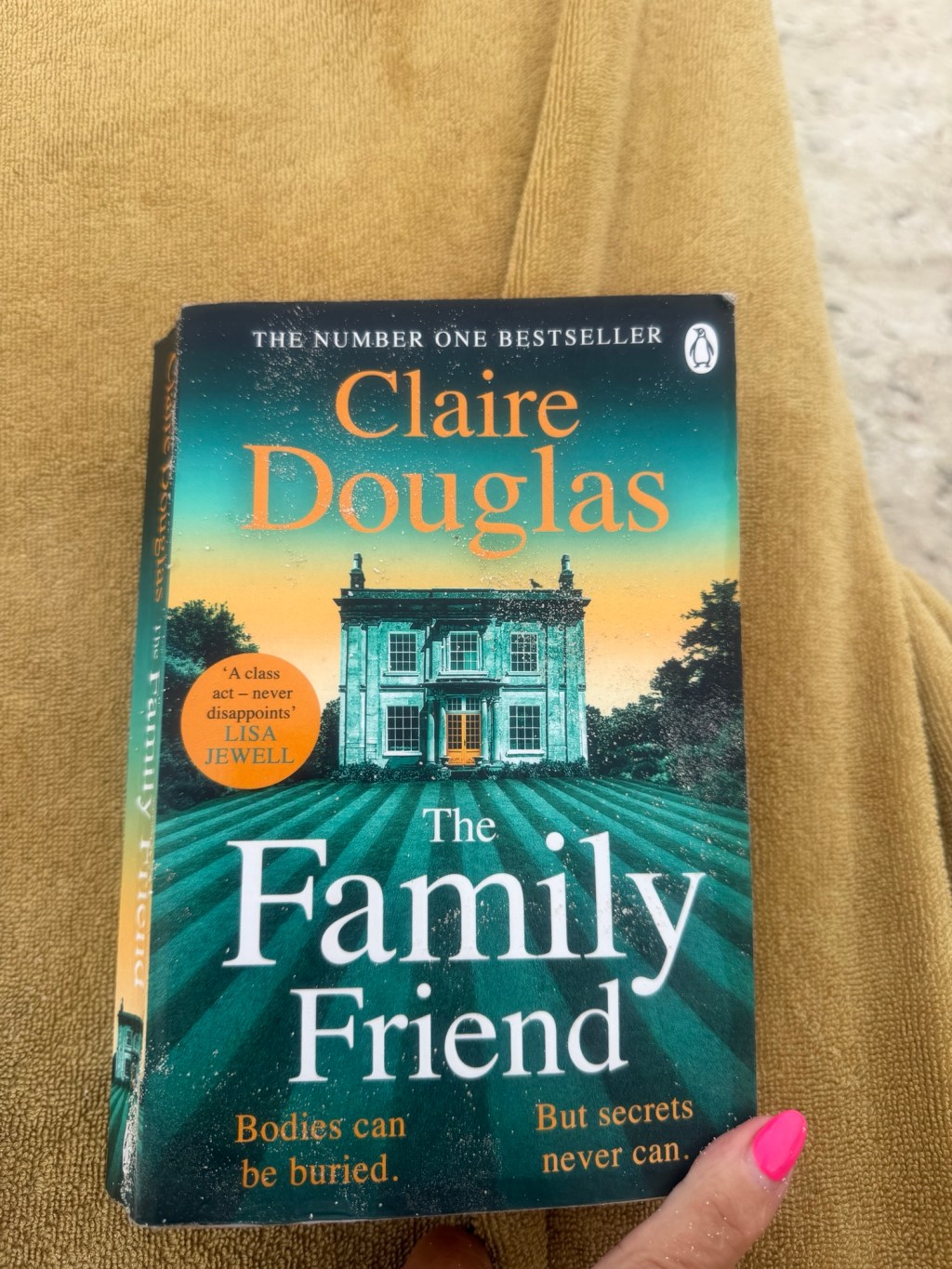
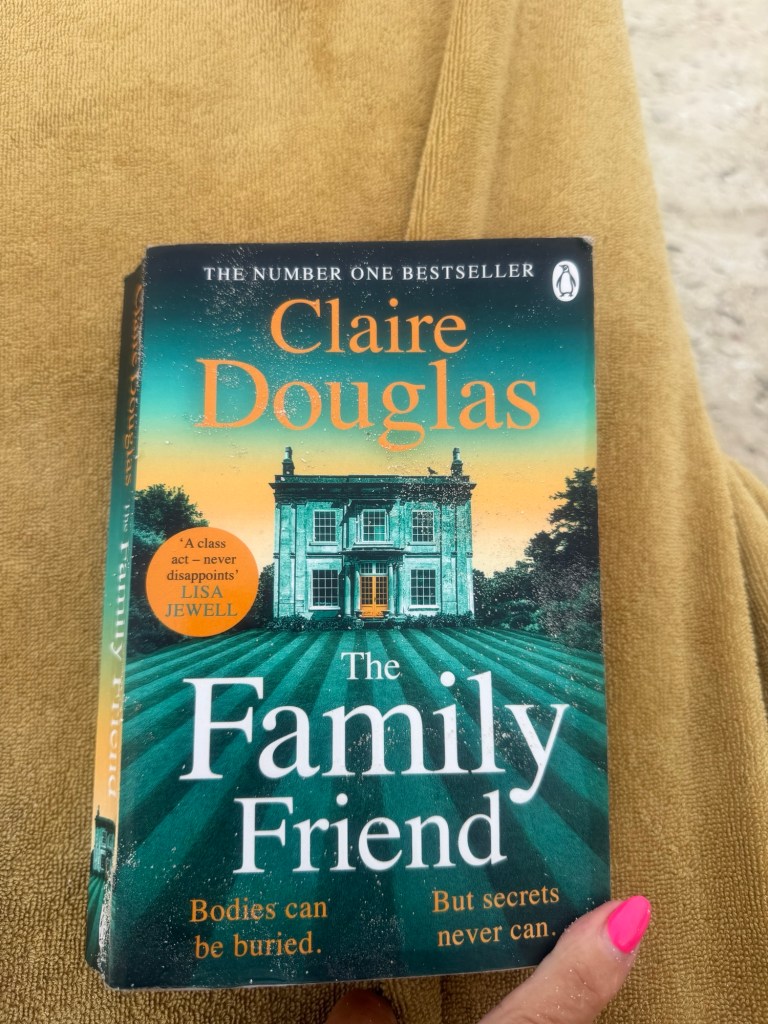
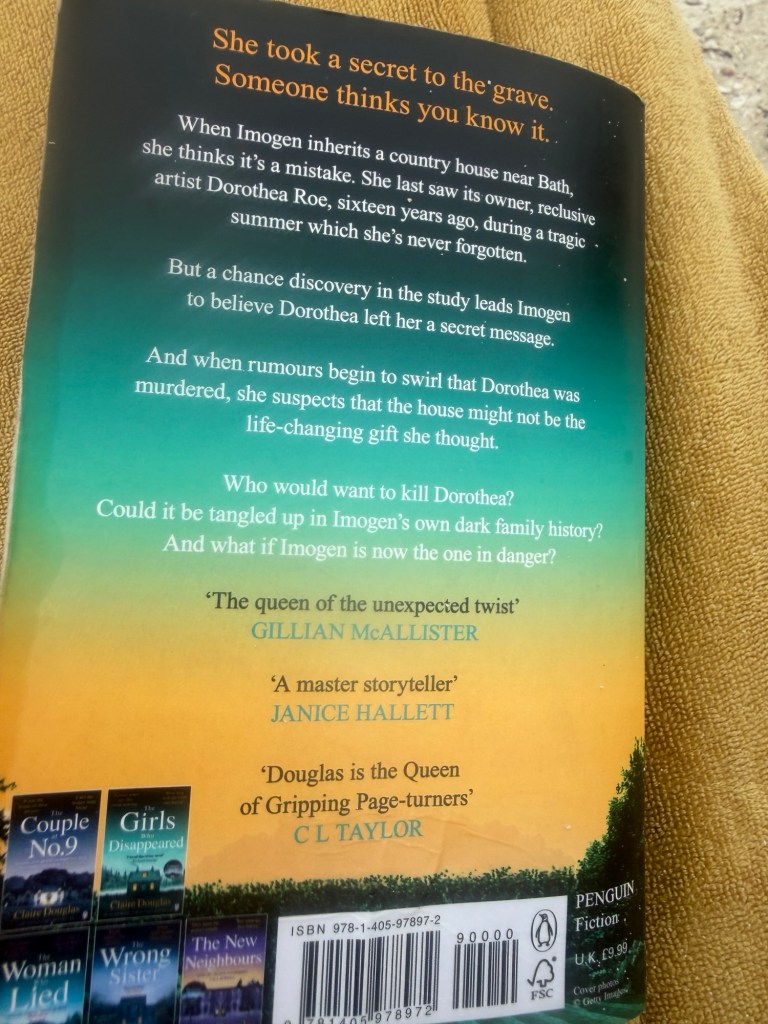
A gripping start I’m a long-time Claire Douglas fan, so this went straight to the top of my holiday reading pile, and for the first half it absolutely earned its place there. Douglas is brilliant at that slow creep of unease: a new friendship that feels a little too convenient, a family with more going on beneath the surface than they’d like to admit, and that constant nagging sense that someone isn’t being honest. The short, punchy chapters made it almost impossible to put down. “Bodies can be buried. But secrets never can.” — the tagline sets the tone perfectly, and early on the book delivers on it. Where it lost me Somewhere past the halfway mark, the plot started stretching credibility. The twists kept coming, but the more they piled up, the harder it became to believe the characters would realistically behave the way they do. A few decisions had me raising an eyebrow rather than gasping, and by the final act I felt like something was missing — more emotional depth, or maybe just tighter plotting. The premise was genuinely clever; the execution just didn’t quite get there. The ending No spoilers, but the resolution didn’t land for me. It felt rushed, with a couple of threads tied off too neatly and others left oddly unsatisfying. After such a strong build-up, I wanted a much bigger payoff. Final verdict — 4 out of 5 Still a solid, very readable thriller, and I’d happily recommend it for a holiday or a rainy weekend. Douglas writes tension better than most, and even a weaker outing from her is more entertaining than plenty of others in the genre. Just don’t go in expecting the ending to be the best part. Rating: ★★★★☆ (4/5) Have you read The Family Friend? I’d love to know if the ending worked better for you than it did for me — let me know in the comments.
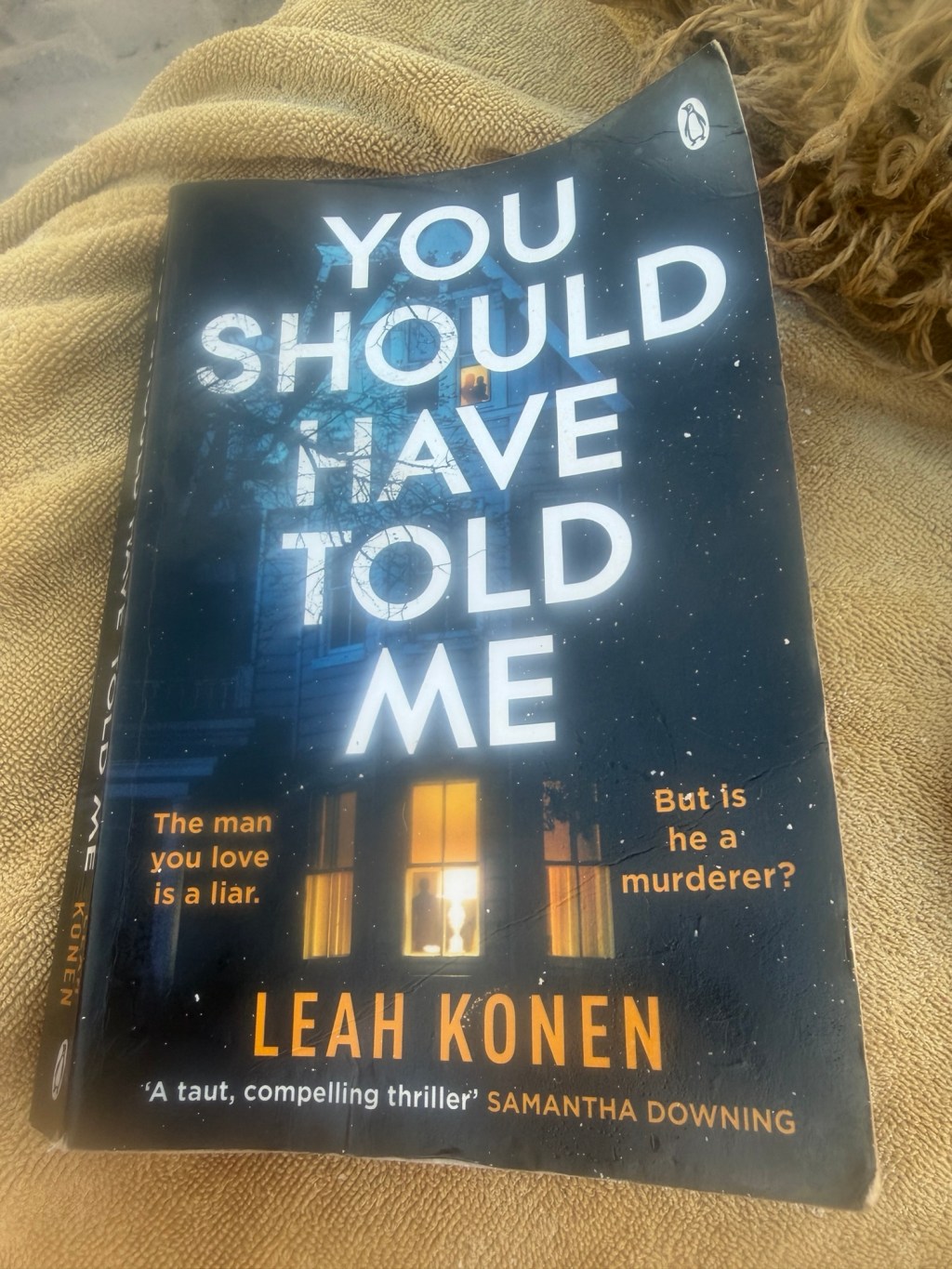
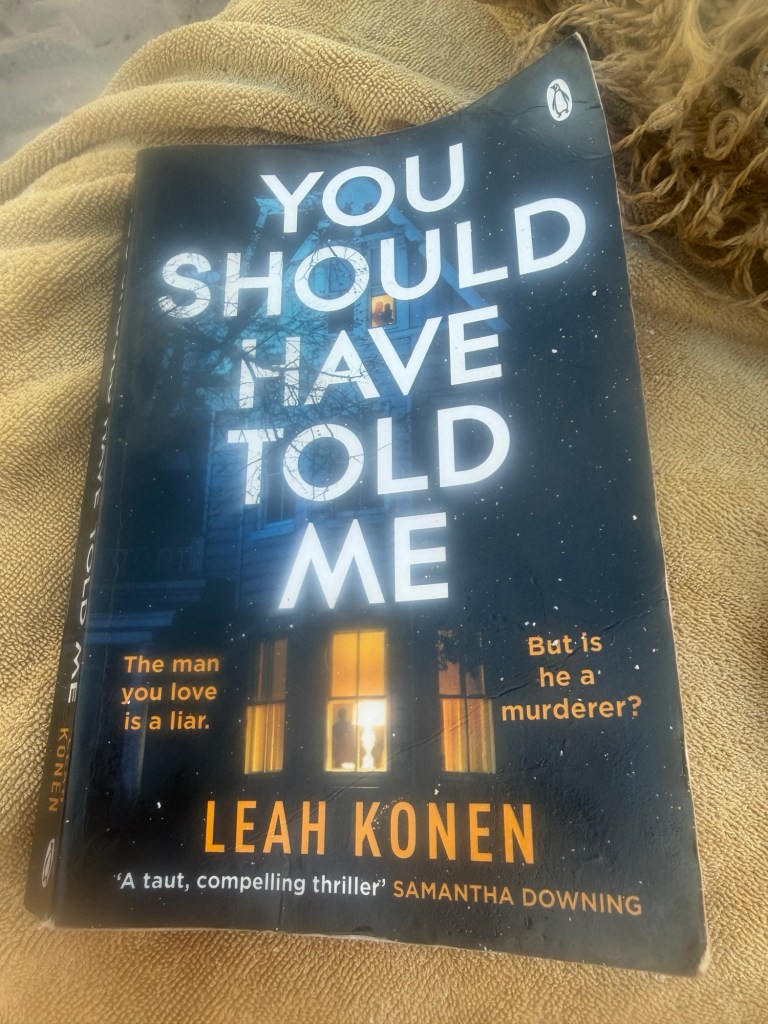
A twisty domestic thriller I picked up by chance on holiday from the library’s “left books” shelf — and I’m so glad I did.
There’s something lovely about a book you weren’t looking for. I spotted this one on the left books shelf at the library, liked the look of the cover, and took a punt on an author I’d never heard of. Reader, it paid off.
The premise
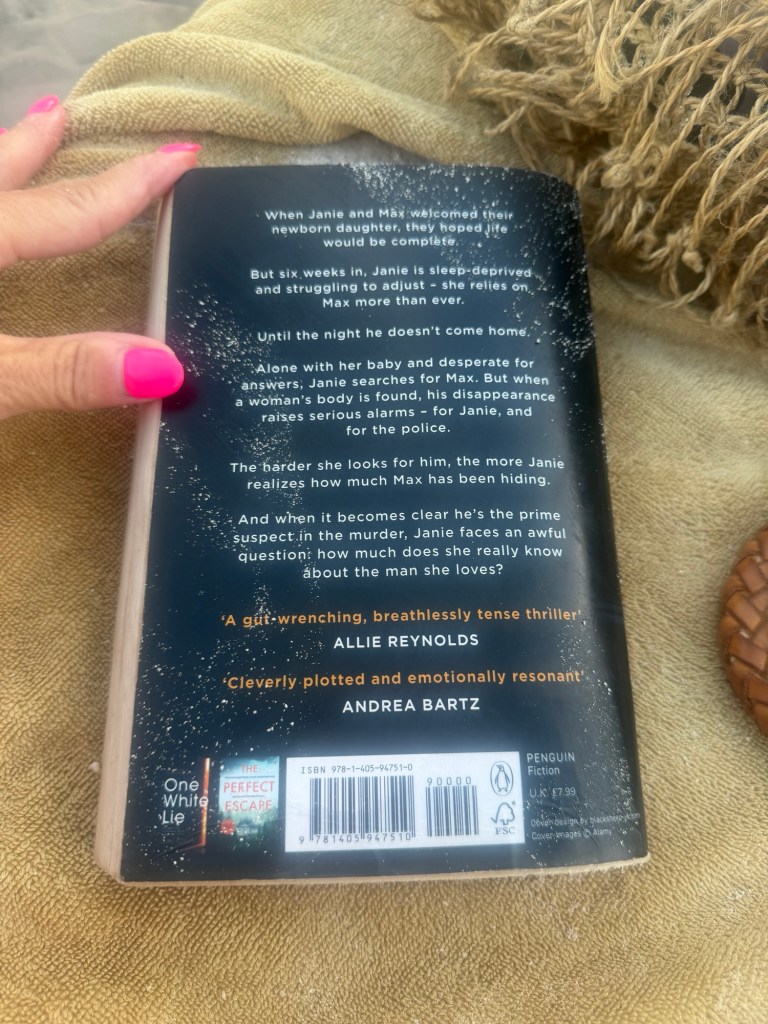
Janie is a brand-new mother, exhausted, not quite feeling the things she thinks she’s supposed to feel, when her partner Max vanishes in the middle of the night, leaving her alone with their newborn daughter. Then a woman’s body is found, and Max becomes the prime suspect. The more Janie digs, the less she’s sure she ever really knew the man she loves.
What I loved
The characters felt believable, which is the thing that makes or breaks a thriller for me. Janie in particular reads like a real woman in the fog of early motherhood rather than a plot device, and that makes her bad decisions land as understandable instead of frustrating. The plotting is genuinely twisty — every time I thought I’d worked out where it was heading, Konen pulled the rug out again. Samantha Downing’s cover quote calls it “a taut, compelling thriller” and I’d agree; I read it far faster than I intended to.
My one small gripe
There’s a lot of very fine-grained detail about baby feeding, routines and the mechanics of newborn life. Some of it builds the claustrophobic, sleep-deprived atmosphere beautifully, but it tips over into too much in places and starts to slow the pace without adding anything to the plot. Trim a handful of those passages and this would be a five for me.
Verdict: 4.5 out of 5
A tense, well-plotted domestic thriller with a heroine you actually root for. I’d never come across Leah Konen before, but I’ll be hunting down more of her books — she’s also written The Perfect Escape.
Recommended if you like: twisty domestic suspense, unreliable-partner plots, and thrillers that dig into the darker side of new motherhood.
Have you read this one? Or found a gem on a library giveaway shelf? Tell me in the comments — I’m always after my next read.
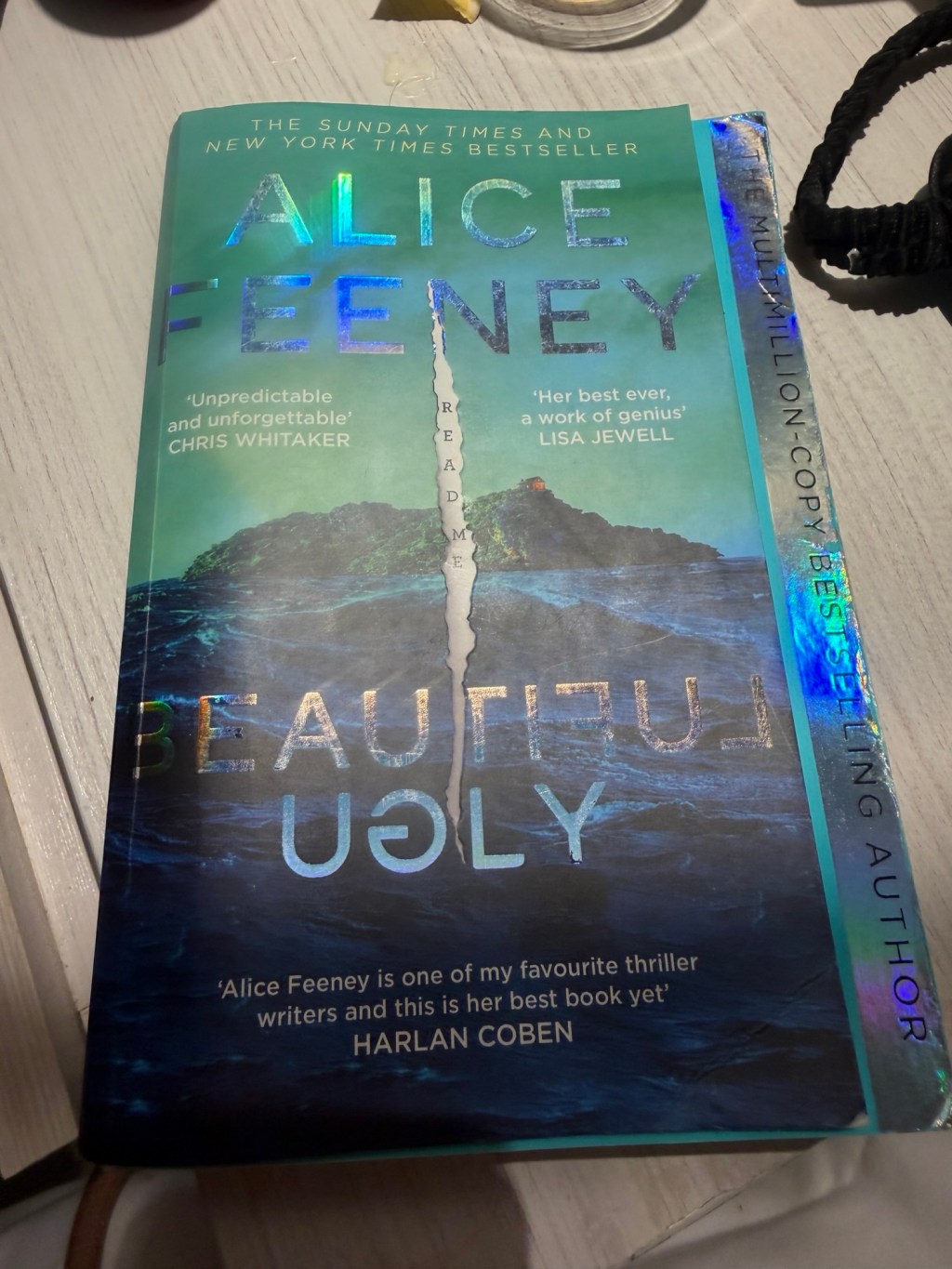
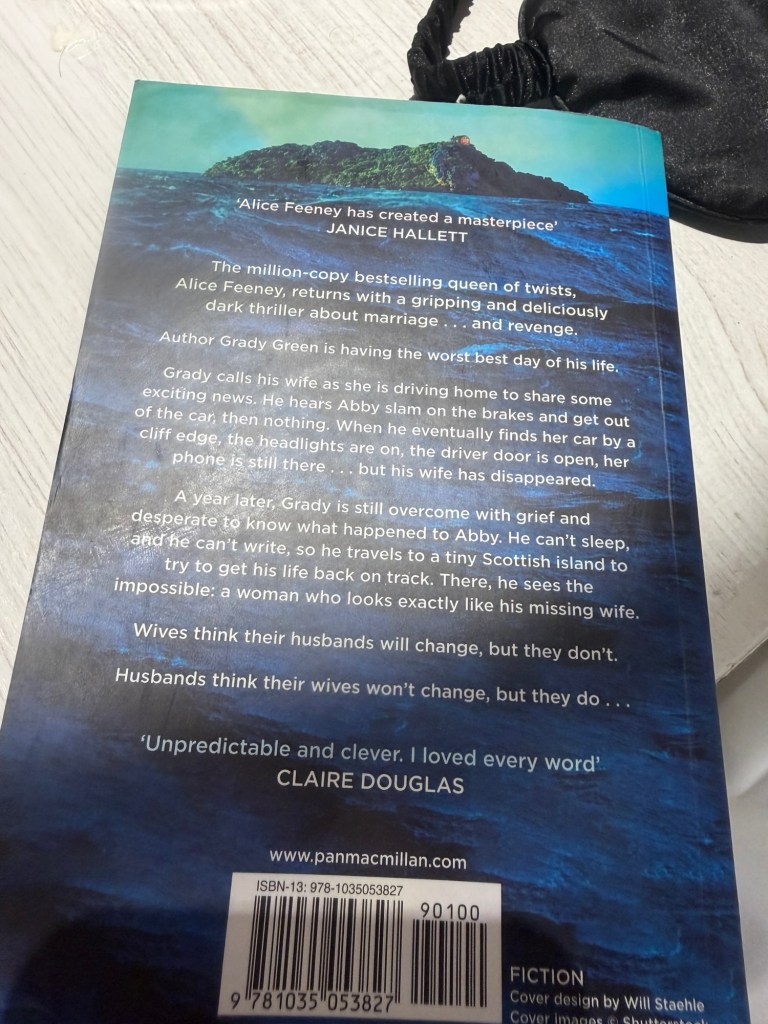
Beautiful Ugly follows Grady Green, a successful author whose life falls apart when his wife, Abby, disappears after a shocking incident on the road. Despite an investigation, Abby is never found, leaving Grady struggling with grief, guilt and unanswered questions. A year later, unable to move forward or write again, he retreats to a remote Scottish island hoping the peace and isolation will help him escape his memories and begin working on his next novel. The island setting is one of the strongest parts of the book. It is bleak, isolated and full of odd characters, creating an uneasy atmosphere from the start. Grady is already an unreliable narrator, so when he begins to believe he has seen a woman who looks exactly like Abby, it is hard to know what is real. Is his wife somehow still alive? Is someone deliberately trying to unsettle him? Or is grief and guilt causing him to lose touch with reality? Initially, I found the mystery genuinely intriguing. Abby’s disappearance, Grady’s troubled state of mind and the strange atmosphere on the island made for a promising start. There was enough tension to make me want to keep reading, and I was interested to see how all the secrets, relationships and different timelines would eventually connect. Unfortunately, the story went downhill as more was revealed. The twists became increasingly unbelievable and the plot started to feel far too ridiculous to take seriously. Rather than being shocked by the revelations, I found myself questioning how anyone could have behaved the way they did, or how certain events could realistically have happened without being discovered earlier. I carried on because I hoped the ending would pull everything together and make the increasingly strange plot worthwhile. Sadly, it did not. The final reveals felt more far-fetched than clever, and the resolution did not make up for the amount of disbelief the story required along the way. For me, Beautiful Ugly was wide of the mark. It had a very strong premise, a suitably creepy setting and an intriguing mystery at the beginning, but it lost its way with an overly complicated and implausible plot. I wanted a tense, clever psychological thriller, but instead I found myself trudging through it and waiting for it to improve.
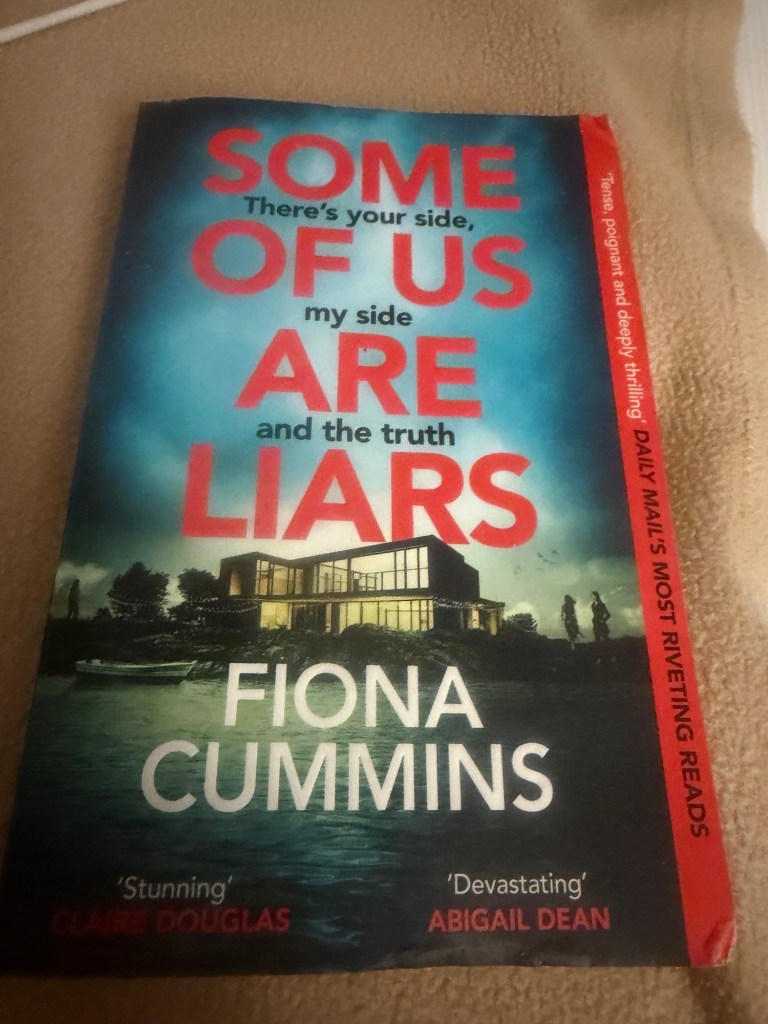
Some thrillers grip you with pace. This one grips you with people — and then pulls the floor out from under them.
What it’s about (no spoilers)
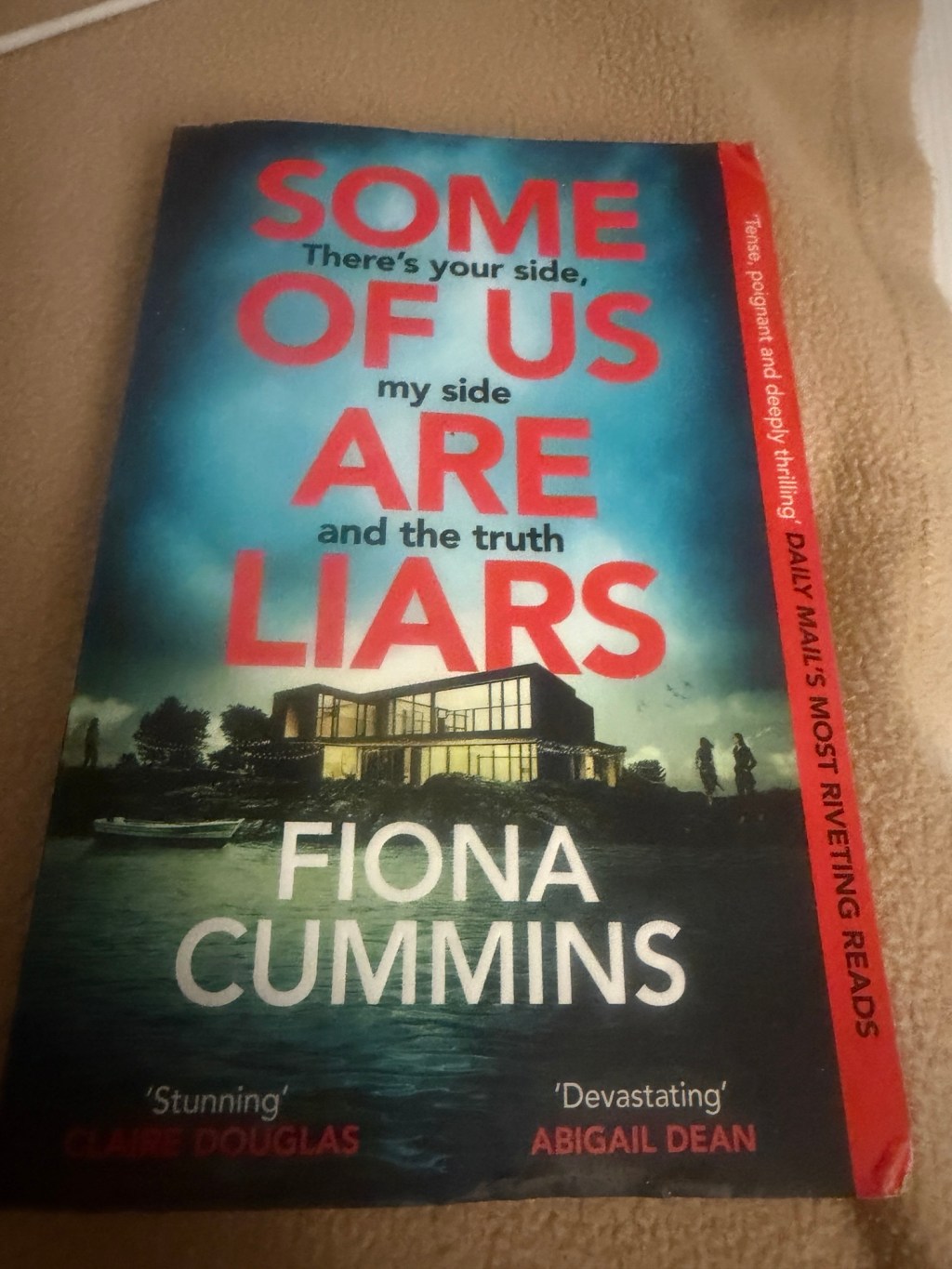
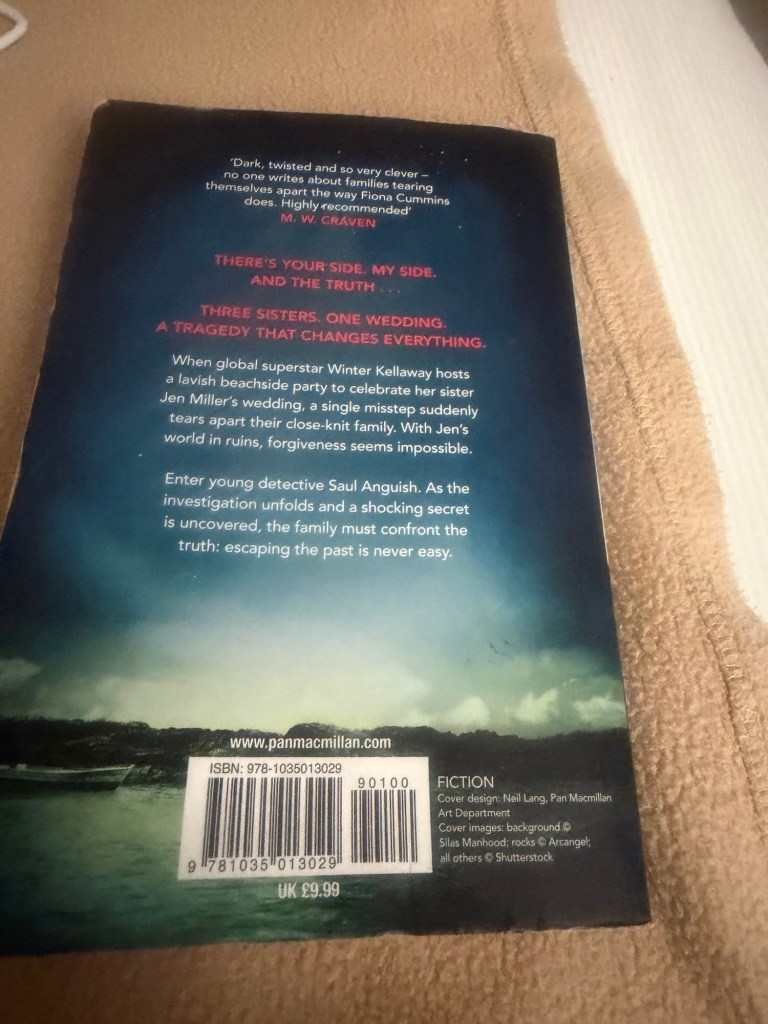
Jen Miller leaves her youngest child in the care of her two sisters while the family gathers at superstar Winter Kellaway’s beachside estate for a wedding celebration. The champagne is on ice, the decorations are flawless — and one split-second lapse turns the happiest day of the year into a tragedy the family will never recover from. What follows is grief, blame, an explosive court case, and a long-buried secret that refuses to stay buried. DC Saul Anguish is brought in to investigate.
What I loved
The twists. Plural. Every time I thought I had it worked out, Cummins shifted the ground and I was wrong again — and not in a cheap, out-of-nowhere way. The clues are there; you just don’t see them until she wants you to.
The sisters are the real engine of the book. Winter, Jen and Alyssa are so believably written that the fallout hurts, and the shifting timelines and viewpoints mean you’re constantly re-weighing who deserves your sympathy. That’s the clever bit: your loyalties keep moving.
It’s also genuinely emotional. This isn’t just a puzzle to solve — it’s about guilt, forgiveness and how far people will go to protect the ones they love. I read most of it in two sittings because I simply couldn’t leave it alone.
What didn’t quite work
My one real gripe is the subplot involving Saul. I never felt it earned its place. Every time the story cut back to him I found myself wanting to get back to the sisters, and I don’t think losing those sections would have cost the book anything — if anything the central story would have hit even harder. It’s not badly written, it just sits slightly apart from everything that makes the novel so compelling. Half a star off for that.
The verdict
A dark, twisty, surprisingly moving thriller with characters you’ll be arguing about long after the last page. If you like Lisa Jewell or Claire Douglas, or you enjoy a courtroom thread running through your crime fiction, you’ll fly through this one. It was also shortlisted for the CWA Twisted Dagger 2026.
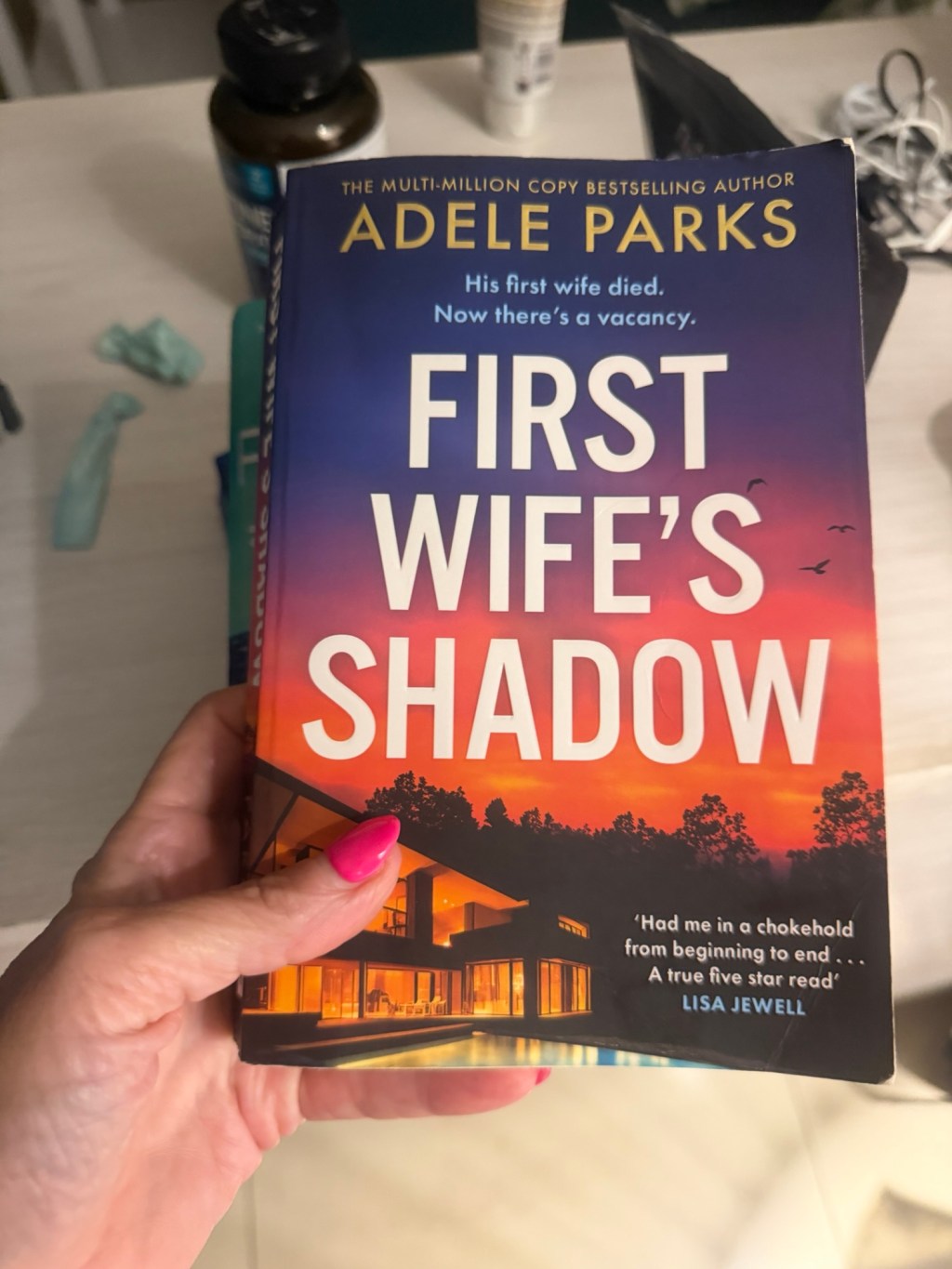
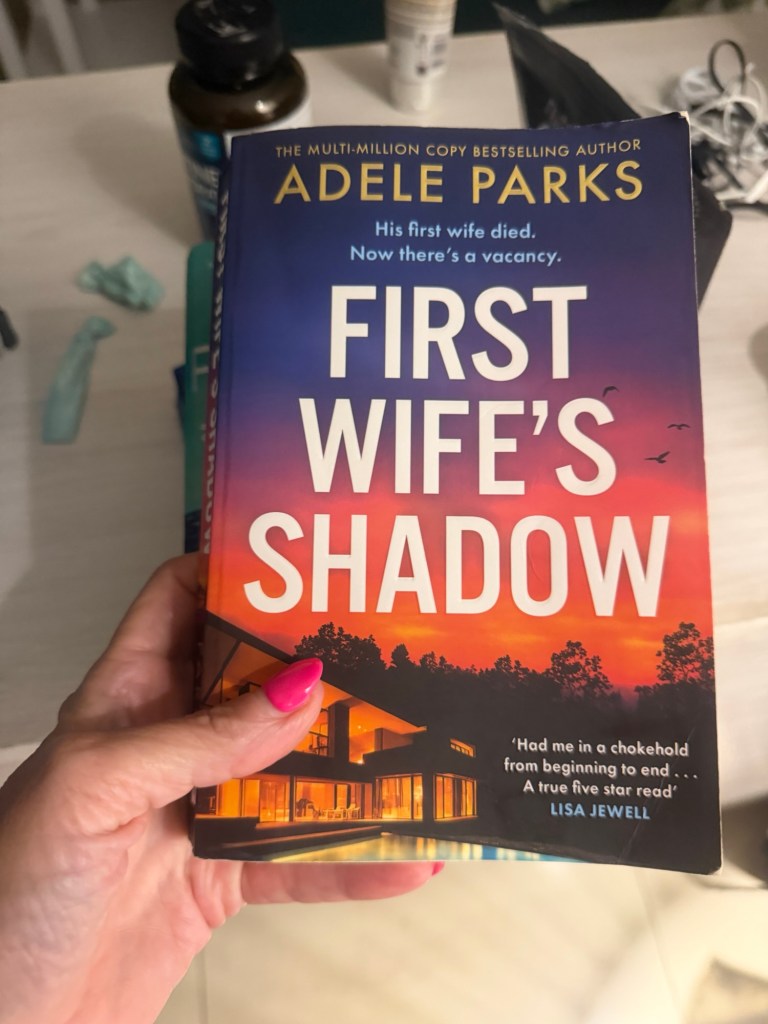
Rating: 2 out of 5 stars I went into First Wives’ Shadow hoping for a gripping, addictive domestic thriller, and while it started off reasonably well, it quickly became a bit of a slog.
The premise had potential and the opening chapters were intriguing enough to keep me reading. However, as the story progressed, I found myself struggling to believe some of the characters’ choices—particularly those made by the supposedly hard-nosed, successful businesswoman at the centre of the novel. I just couldn’t accept that someone portrayed as so intelligent, experienced and tough-minded would fall for certain things so easily. There were several moments that felt over-the-top and, at times, downright ridiculous. Rather than feeling tense or shocking, parts of the plot became frustrating because they required too much suspension of disbelief. I kept waiting for the story to settle into something more convincing, but instead I felt as though I was trudging through it just to reach the end. That said, there is a good twist towards the conclusion, and it did add some much-needed interest after a fairly slow and unbelievable middle section. Unfortunately, it wasn’t enough to make up for how implausible I found much of the story. Overall, First Wives’ Shadow had a promising start and a decent final twist, but the unrealistic plot points and frustrating character decisions meant it didn’t quite work for me. A disappointing read from an author I usually expect more from.
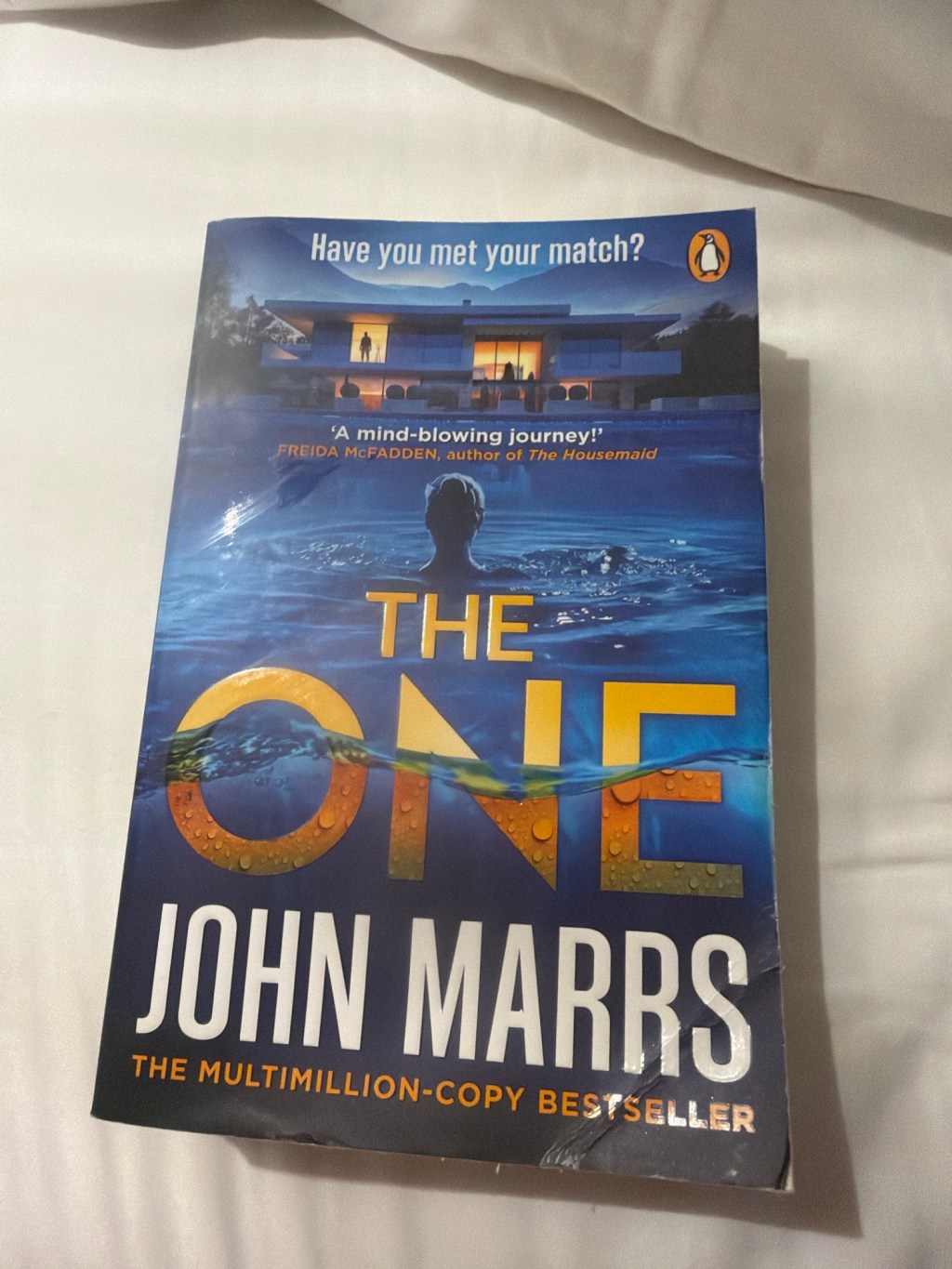
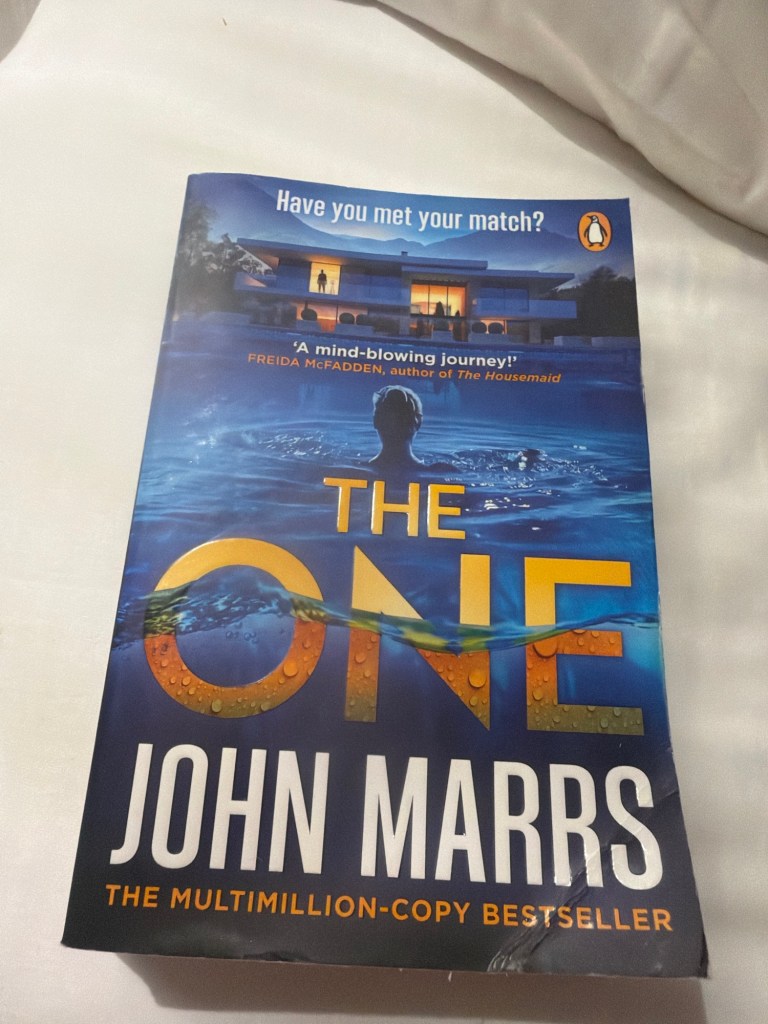
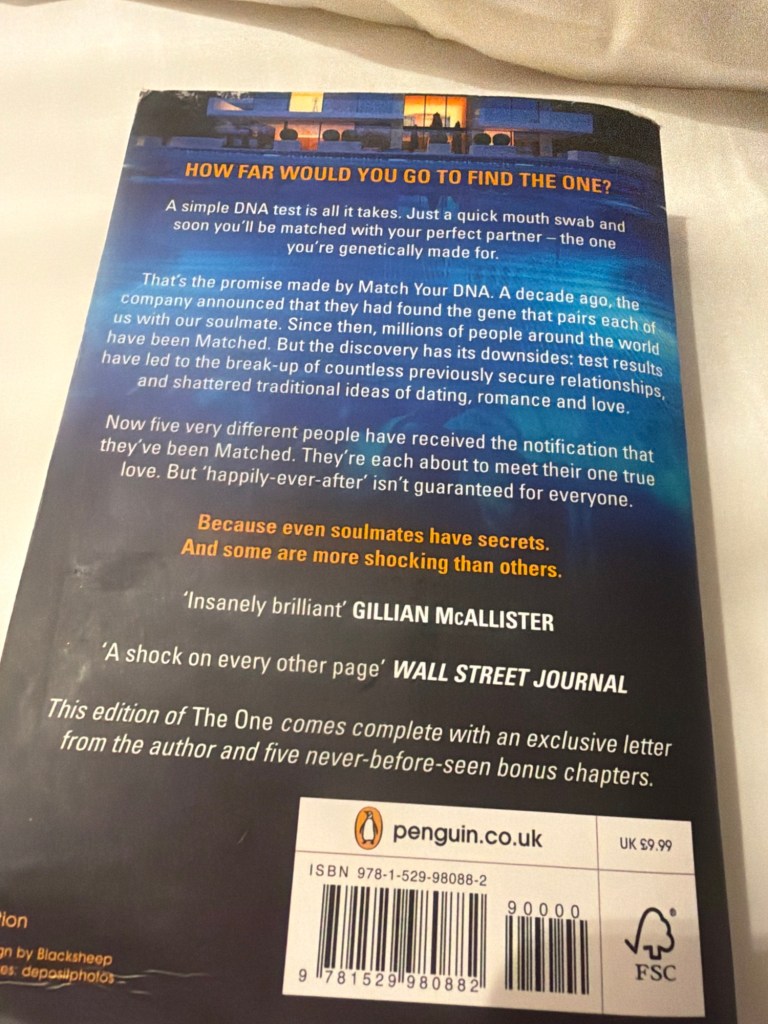
I absolutely loved The One by John Marrs. It felt so different from the usual thriller and had me completely hooked from the very beginning. The idea behind it is clever, unsettling and one of those concepts that makes you stop and think, “What would I do if this really existed?” The book is set in a world where a DNA test can identify your perfect romantic match — the one person you are genetically destined to fall in love with. It sounds like the ultimate dream, but John Marrs brilliantly explores the messier side of that idea.
What if you are already happily married when you find your match? What if your “one” lives on the other side of the world? Or worse, what if the person you are matched with is not at all who you hoped they would be? The story follows several different characters, each dealing with the consequences of discovering their match. I really liked the multiple points of view because every storyline brought something new, and I kept wanting to read “just one more chapter” to find out what would happen next. There are secrets, betrayals, twists and some genuinely shocking moments throughout. John Marrs is known for writing high-concept psychological thrillers that take everyday ideas and push them into dark, thought-provoking territory. His writing is so easy to get into, but he is brilliant at slowly building tension and making you question every character. The chapters are short and fast-paced, which made this such an addictive read. I loved how original The One was. It is part romance, part psychological thriller and part cautionary tale about technology, fate and whether finding your perfect match would actually make life better. The ending and twists were brilliantly done, and it definitely stayed with me after I finished it.
A really different, cleverly written and completely gripping book — I would highly recommend it to anyone who loves a twisty thriller with an unusual premise.
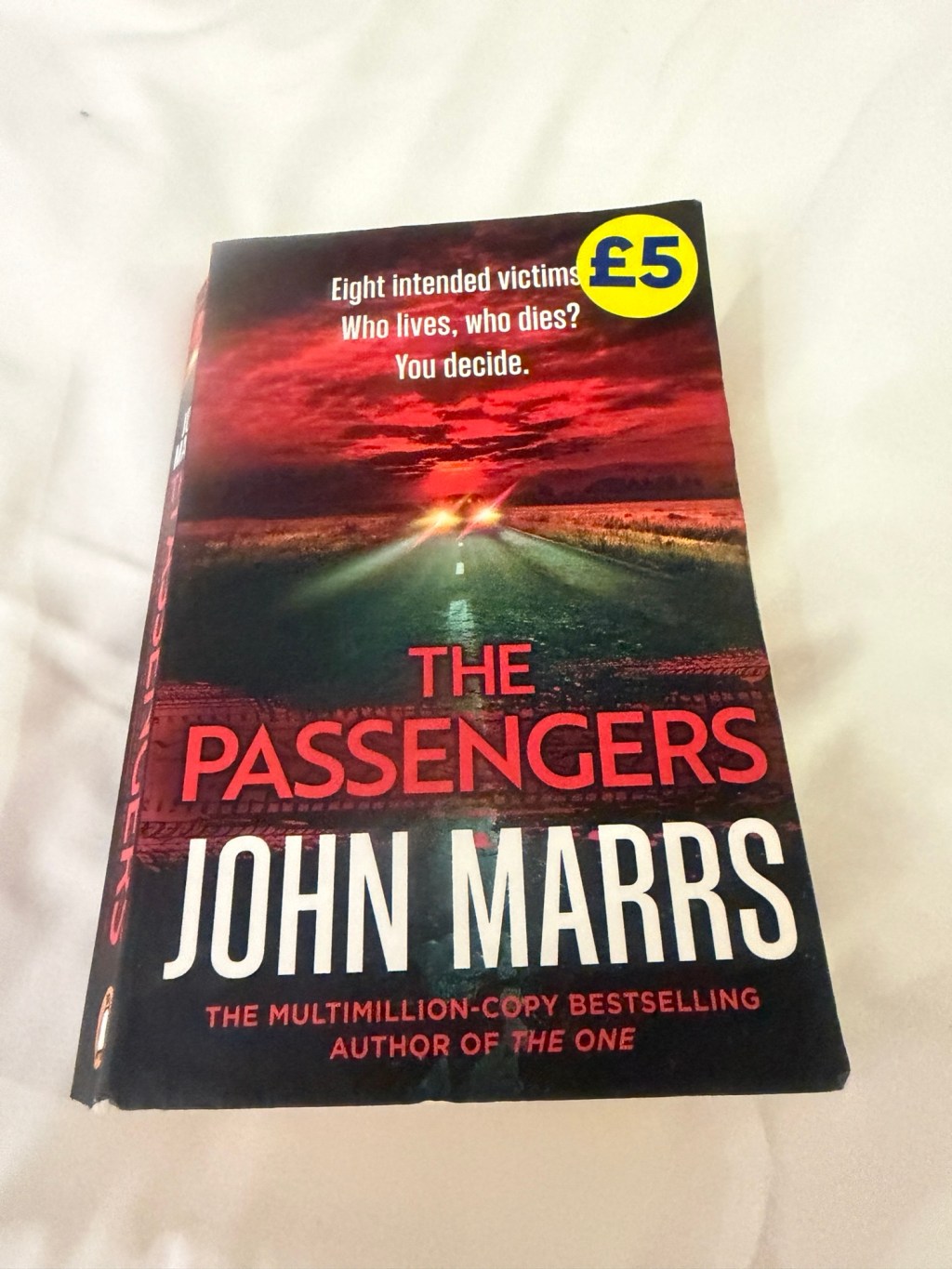
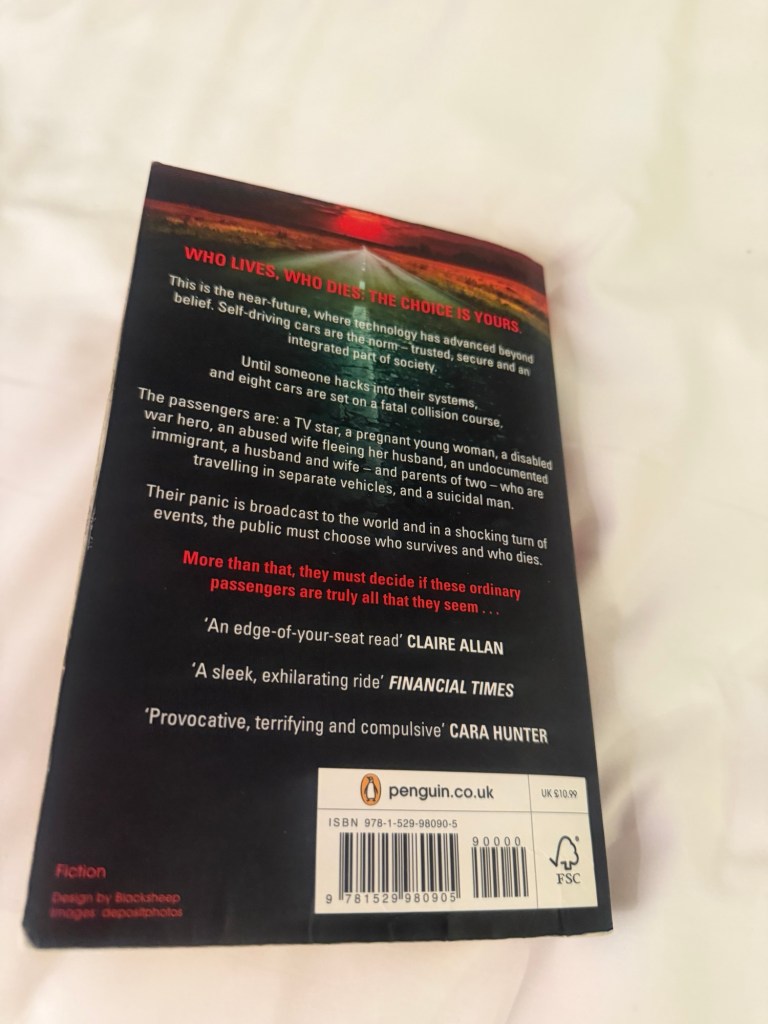
I actually picked up The Passengers by John Marrs from a little book share while I was on holiday in Mexico, and it turned out to be one of those lucky finds you just can’t put down. You know when you grab a book on a whim and it completely pulls you in? That was this for me. A solid 5/5.
The whole idea of the book is honestly a bit terrifying because it doesn’t feel that far off reality. It’s set in a world where driverless cars have taken over, and everything is meant to be safer and controlled. But then eight people find themselves trapped inside hacked cars, with no way of escaping, and they’re all being driven towards a deadly crash. What really got me hooked is that it’s not just about what’s happening in the cars. The public is actually watching it unfold and has to vote on who should live and who should die. It sounds intense, and it really is. I found myself constantly changing my mind about who I was rooting for as more and more secrets came out. And that’s the clever bit — none of the characters are perfect. The more you learn about them, the more you question everything. Just when I thought I had someone figured out, another twist would come in and completely change my opinion. I also loved how easy it was to read. The chapters are quite short, which made it perfect for dipping in and out while I was lying by the pool… although in reality, I ended up reading way more than I planned because I kept saying “just one more chapter”. It’s one of those books that really makes you think as well. Not in a heavy way, but enough to make you wonder what you would actually do in that situation. Would you trust the system? Would you vote? Could you even make that kind of decision? For me, it had the perfect mix of thriller, drama, and just enough sci-fi to make it feel modern and believable. Definitely one I’ll be recommending, and I still can’t believe I just found it sitting on a random book shelf on holiday. If you like fast-paced, twisty reads that keep you guessing, this is 100% worth picking up. 5/5 from me. Have you read it, or would you trust a driverless car?
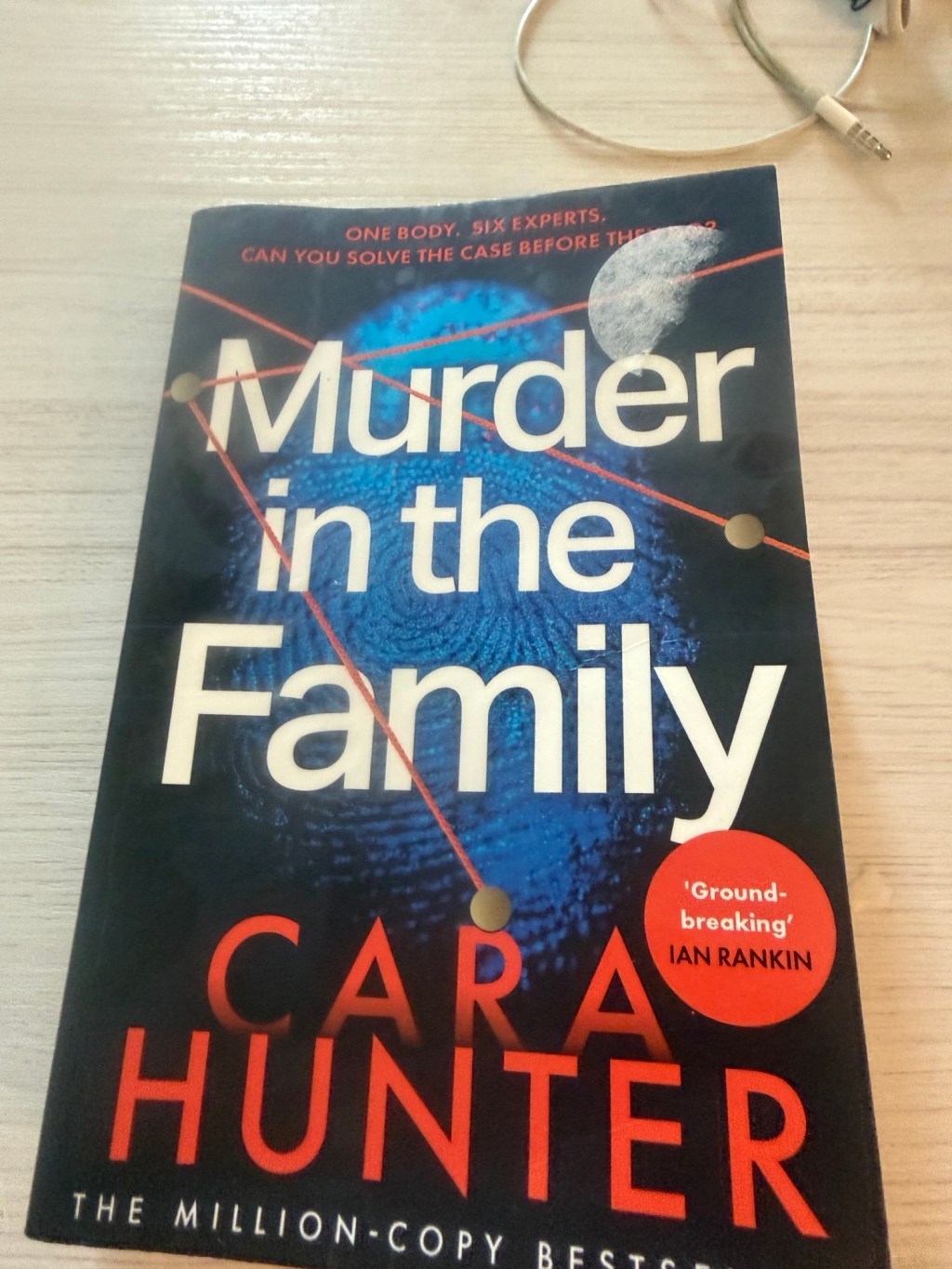
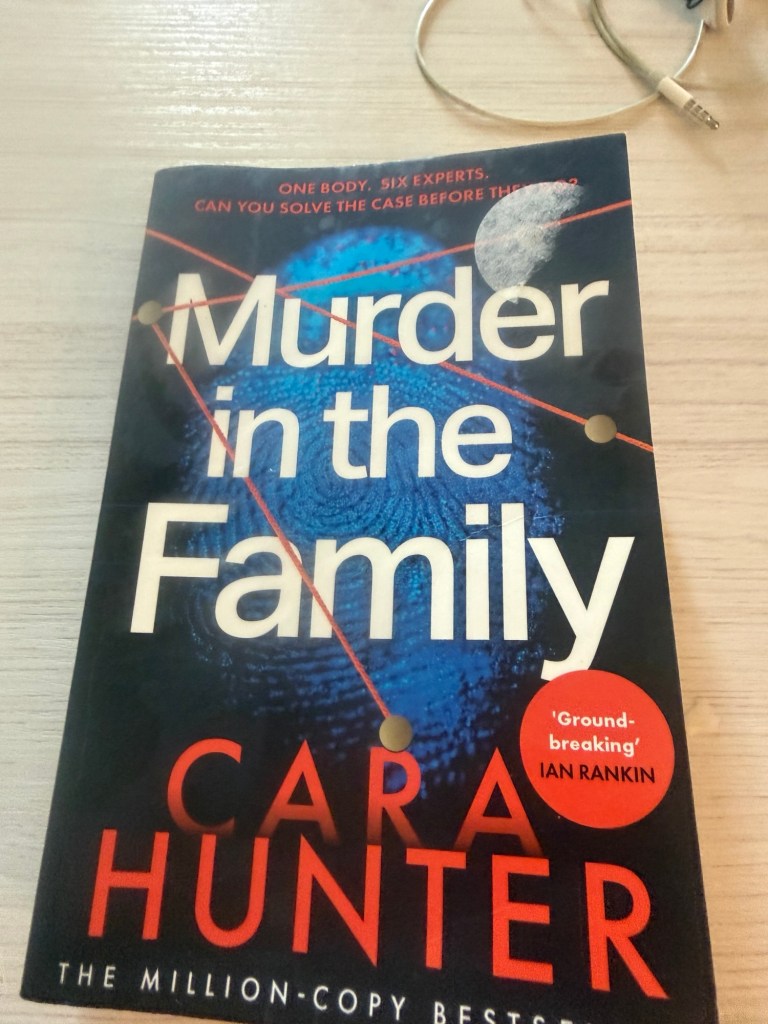
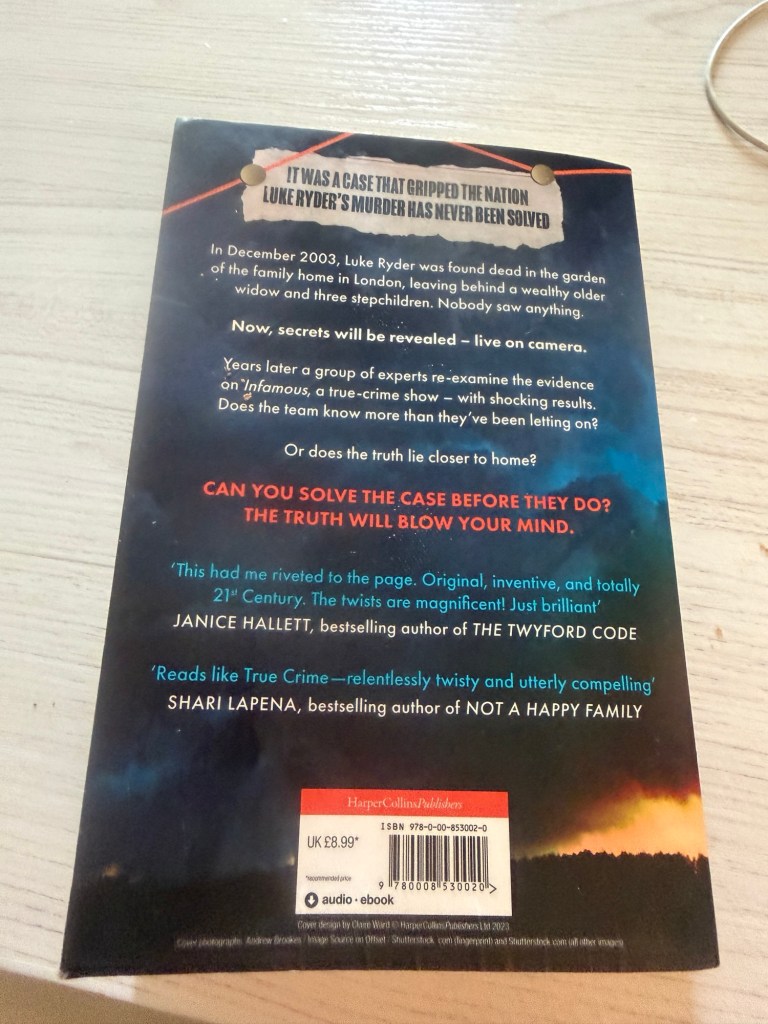
In Murder in the Family, Cara Hunter revisits a notorious unsolved murder through the lens of a modern true‑crime TV show. Back in 2003, Luke Ryder is found dead in the garden of his wealthy family’s London home. His older widow and three stepchildren all claim they saw and heard nothing, and despite a big police investigation, nobody is ever charged. The case becomes one of those cold, unsolved crimes that sits in the public consciousness.
Twenty years later, Luke’s former stepson Guy Howard—now a filmmaker—agrees to reopen the case as the new season of a true‑crime series called Infamous. A team of six experts (retired detectives, a lawyer, a psychologist, a pathologist and a journalist) are brought together to re‑examine the evidence on camera. Across the episodes, they revisit the crime scene, pull apart the original investigation, and challenge each other’s theories while Guy’s family are drawn back into the spotlight. The clever twist is in how the story is told: instead of traditional chapters, you get episode scripts, emails, texts, production notes, news articles and online reactions. You’re effectively reading the case file and the TV show at the same time, invited to play detective and decide who you believe as secrets, identity issues and buried resentments start to surface.
My rating and overall reaction Rating: 3 out of 5 I was really looking forward to this one and absolutely loved the idea behind it. The whole “cold case solved through a Netflix‑style docuseries” premise is brilliant, and the mixed‑media format feels very current. On paper, it’s exactly the kind of crime story and storytelling experiment I should adore. But in practice, it didn’t fully land for me.
What worked for me I genuinely enjoyed the structure and the way the plot is delivered. The episode‑by‑episode investigation gives the book a bingeable feel, and the use of scripts, emails and clippings makes it feel like you’re watching a documentary and reading the evidence at the same time. The set‑up—with Guy inviting experts into his family’s past and into the house where the murder happened—is strong, and the show framework provides natural cliff‑hangers and twists. As a concept, this is smart, timely and very much in tune with true‑crime culture and social media. If you love the idea of piecing together a case from documents and footage rather than following a single narrator, the format is a big plus.
What didn’t It’s a 3 out of 5 for me. I really liked the format of the book and was really looking forward to it. Don’t read on a Kindle as some things don’t show up, and that absolutely impacts how you experience the plot. When the whole point is that you’re reading transcripts, visuals and different document types, missing or poorly displayed elements on an e‑reader make it confusing and pull you out of the story. Beyond the technical side, I struggled with the characters. Despite all the drama around the family and the experts, I didn’t engage with any of them or feel much empathy. The mix of a large cast, the script‑style presentation and the constant shifts of perspective left it all feeling a bit unbelievable and muddled. The ending left me flat and a little unbelievable to be honest . Just a jumble I’ve read her books before and enjoyed them, but this standalone was a miss from me emotionally, even though I respected what it was trying to do structurally
. Who I’d recommend it to • Readers who love true‑crime TV, podcasts and the idea of solving a cold case alongside a panel of experts. • Anyone curious about experimental crime formats and mixed‑media storytelling. • People who mostly read in print or on devices that handle complex layouts well.