If you’ve ever wanted to bake a restaurant-quality dessert right in your own kitchen without spending hours stressing over complex pastry techniques, I’ve got just the thing for you.
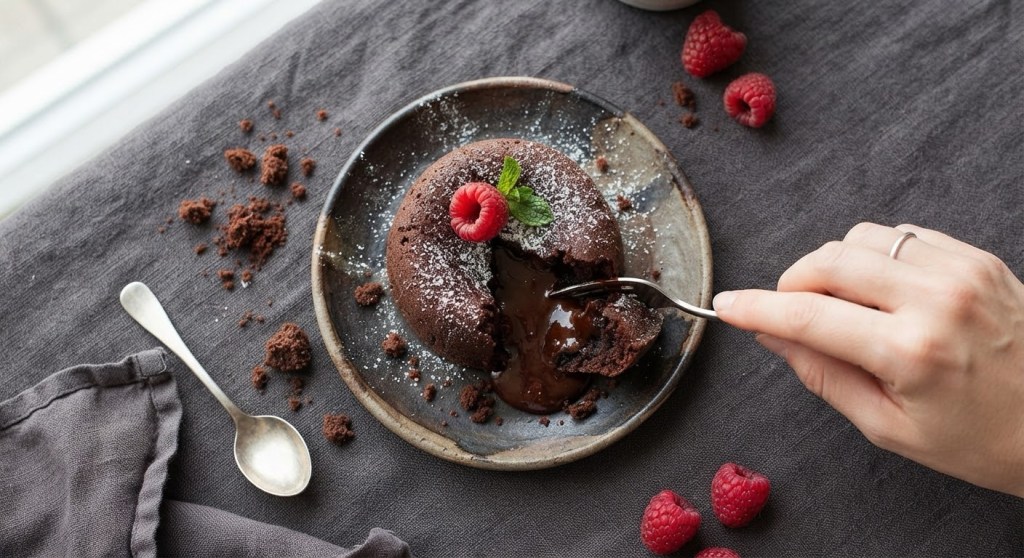
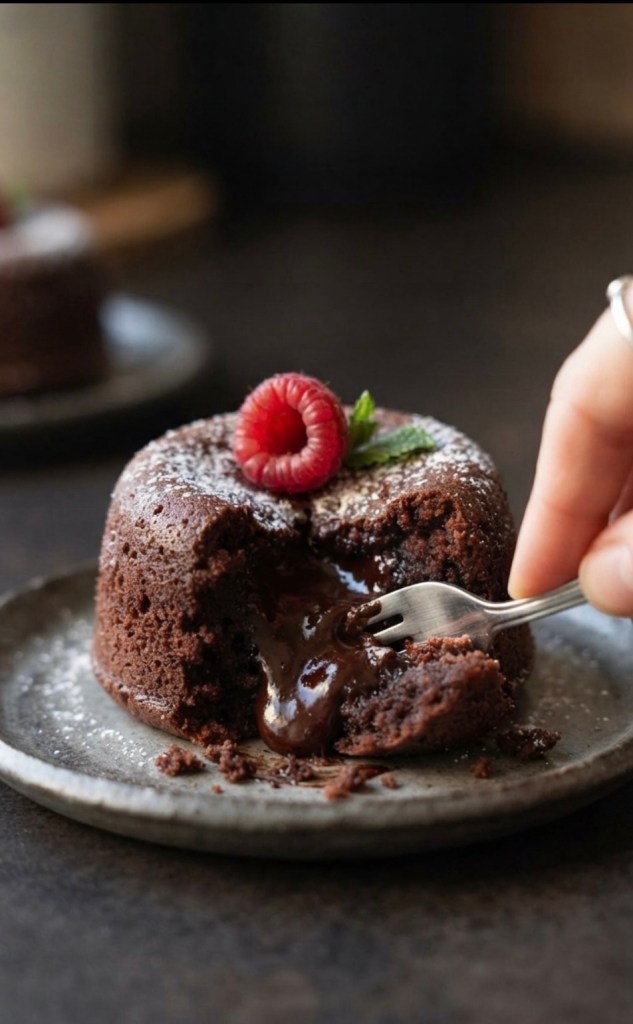
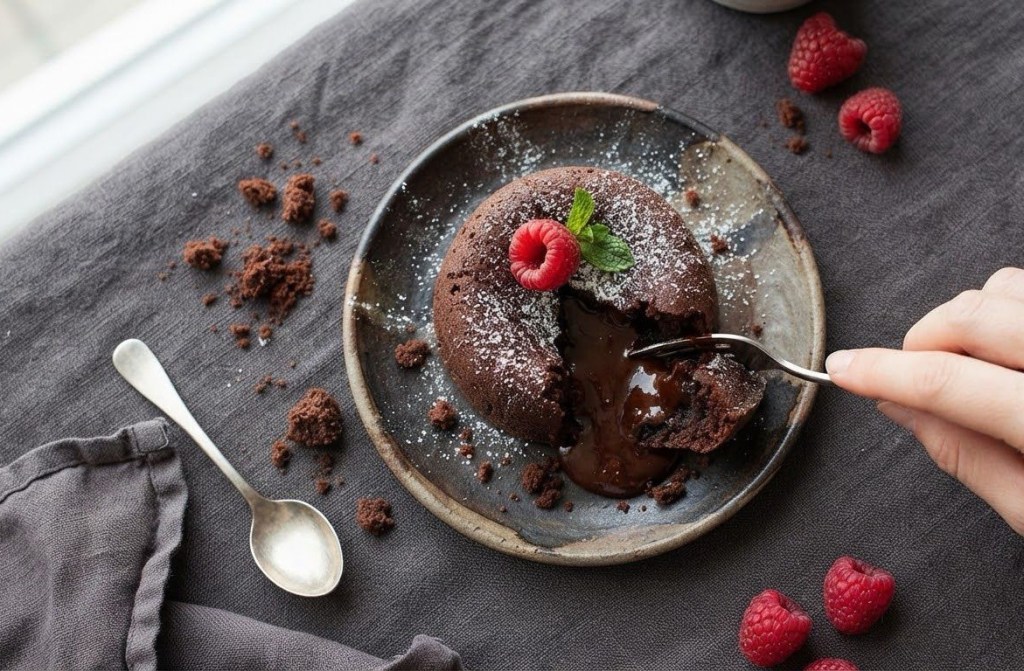
Today we are talking about the holy grail of sweet treats: a rich, decadent Melt-in-the-Middle Chocolate Lava Cake. 🍫🔥
Seriously, cut into this bad boy while it’s warm and watch that glorious, gooey chocolate flood out. It is so satisfying.
The best part? It looks ridiculously fancy, but it comes together super fast with basic ingredients you probably already have in your cupboards. Let’s dive right into the recipe!
Melt-in-the-Middle Chocolate Lava Cake 🍫🔥
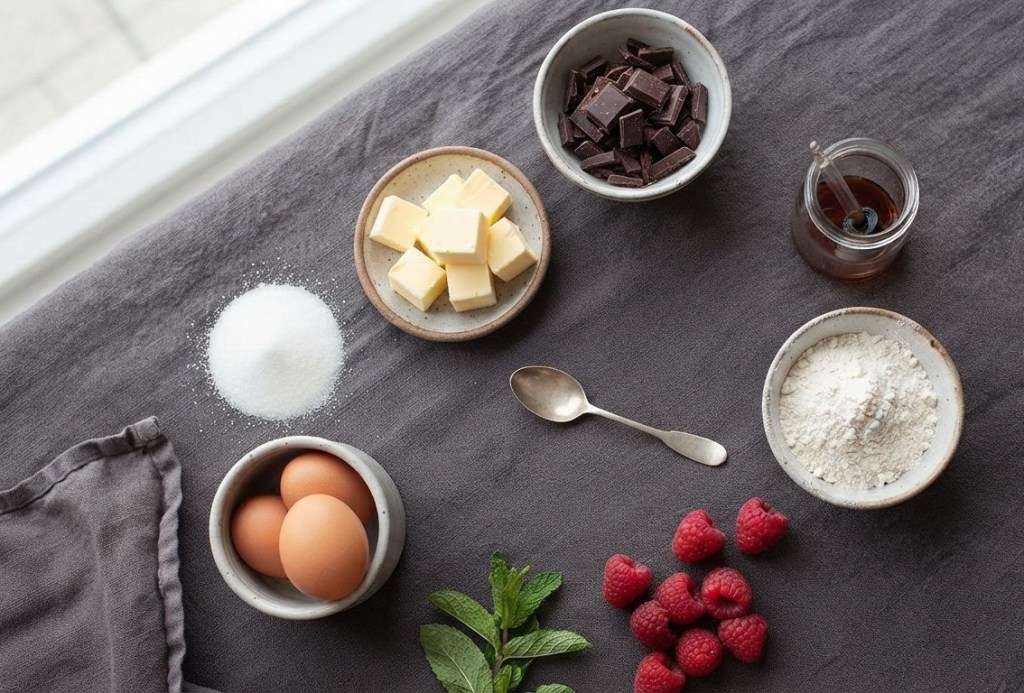
Ingredients:
4 oz bittersweet or semi-sweet chocolate, chopped
1/2 cup unsalted butter, cubed
1 cup icing sugar
2 large whole eggs
2 large egg yolks
1 tsp vanilla extract
1/4 cup plain flour
Pinch of salt
Instructions:
1. Preheat your oven to 220°C (425°F). Generously butter four ramekins and dust the insides with a little cocoa powder.
2. Melt your chopped chocolate and butter together in a heatproof bowl set over a pan of simmering water, stirring gently until completely smooth.
3. Whisk the icing sugar straight into that warm chocolate mixture, then beat in the whole eggs, egg yolks, and vanilla extract until fully combined and glossy.
4. Gently fold in the plain flour and a pinch of salt until just incorporated (don’t over-mix!), then divide the batter evenly among your prepared ramekins.
5. Pop them onto a baking sheet and bake for 12 to 14 minutes. You want the edges to be firm, but the center should still look soft and slightly jiggly.
6. Let them rest for just 1 minute, carefully invert them onto dessert plates, and serve warm with a dusting of icing sugar or a big scoop of vanilla ice cream!
Let me know in the comments below if you give this a try, and tag me in your baking photos! Until next time, happy baking! ✨
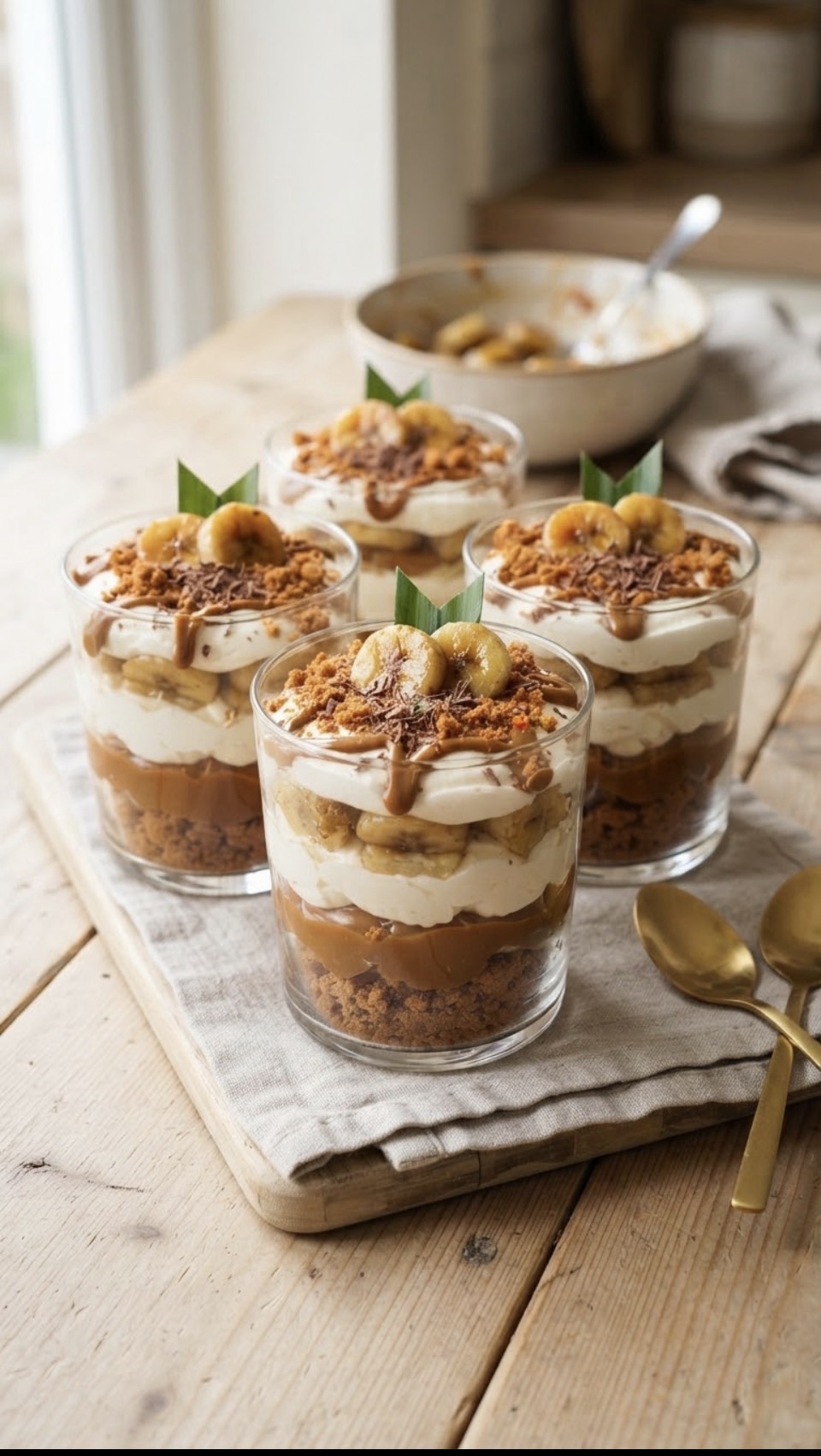
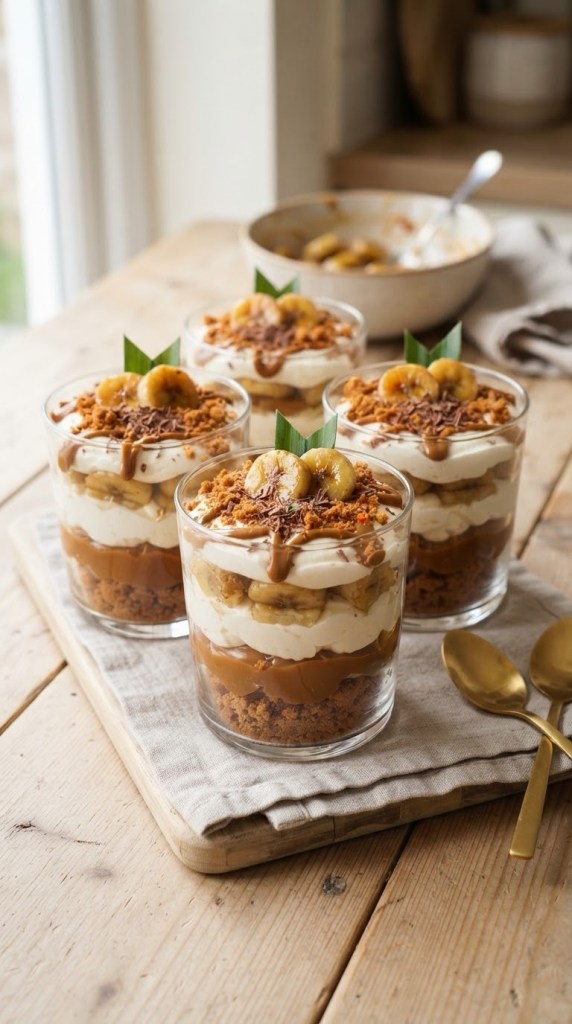
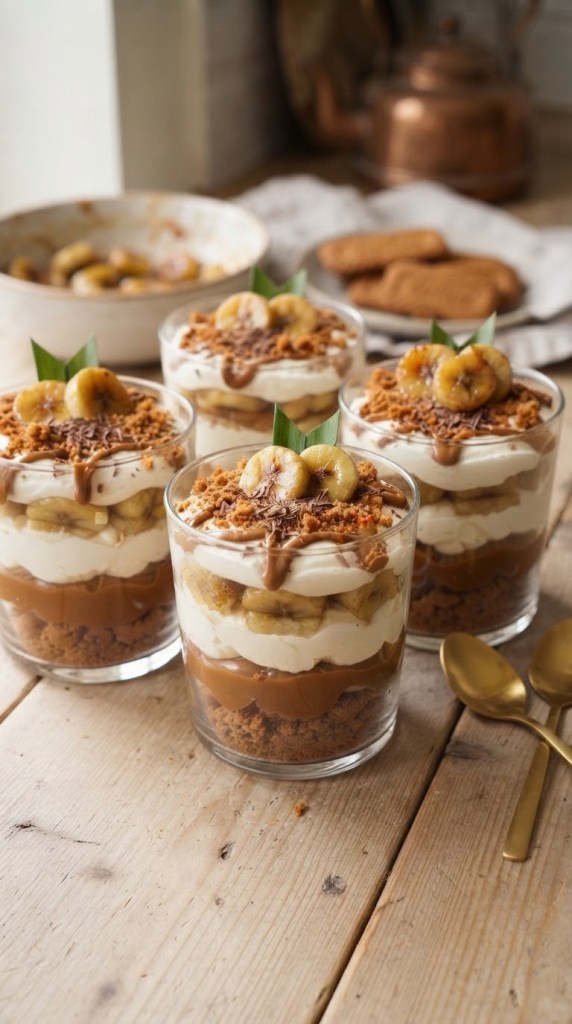
If you love banoffee pie, Biscoff biscuits and creamy no-bake desserts, these Biscoff Banoffee Trifle Pots are for you. They are rich, layered and completely delicious, with buttery Biscoff biscuit crumb, sticky caramelised bananas, smooth mascarpone cream, dulce de leche and a final drizzle of melted Biscoff spread.
They look like something you would order in a restaurant, but they are surprisingly simple to make at home. The best part is that there is no oven required, making them ideal for a last-minute dinner-party pudding, a cosy weekend dessert or a sweet treat to prepare ahead of time. Serve them in clear glasses so all of those gorgeous layers are visible. A little grated dark chocolate on top gives a lovely contrast to the sweet caramel and spiced biscuit flavour.
Why you’ll love this recipe • A no-bake dessert that looks properly impressive. • Uses easy-to-find supermarket ingredients. • Combines classic banoffee flavours with the caramelised spice of Lotus Biscoff. • Can be made in advance and chilled until you are ready to serve. • Perfect for individual portions, dinner parties, date nights or an indulgent Friday-night pudding. Banoffee desserts traditionally bring together a biscuit base, bananas, caramel and cream, while Biscoff adds a buttery, gently spiced caramel note that works beautifully with all of those flavours
Ingredients
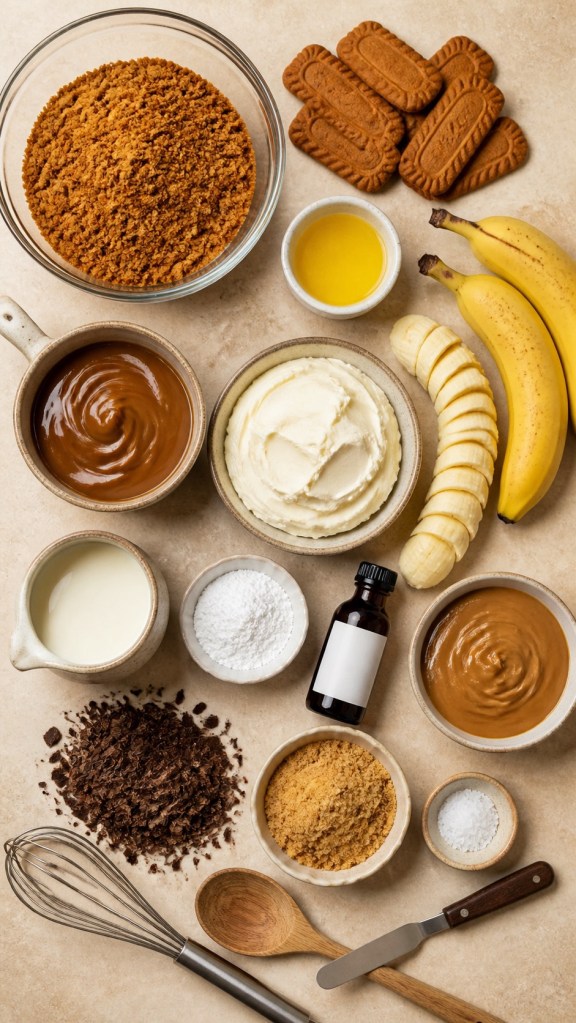
For the Biscoff biscuit crumb • 200g Lotus Biscoff biscuits • 75g unsalted butter, melted • Small pinch of sea salt, optional For the caramelised bananas • 2 ripe but firm bananas • 1 tbsp unsalted butter • 2 tbsp light brown sugar For the mascarpone cream • 250g mascarpone • 200ml double cream • 2 tbsp icing sugar • 1 tsp vanilla extract To layer and decorate • 150g dulce de leche or Carnation Caramel • 75g Biscoff spread, gently melted • 40g dark chocolate, grated or shaved • Extra crushed Biscoff biscuits • Optional: a little extra banana for decorating Equipment • 4 clear dessert glasses or jars • Mixing bowl • Electric hand whisk or stand mixer • Small frying pan • Rolling pin or food processor • Piping bag, optional How to make Biscoff Banoffee Trifle Pots Step 1: Make the Biscoff biscuit crumb Place the Biscoff biscuits in a food processor and pulse until you have a mixture of fine crumbs and a few larger pieces. Alternatively, put the biscuits in a sealed food bag and bash with a rolling pin. Pour in the melted butter, add a small pinch of sea salt if using, and stir until the biscuit crumbs are evenly coated. Set aside while you prepare the other layers. Step 2: Caramelise the bananas Slice the bananas into thick coins. Melt the butter in a frying pan over a medium heat, then add the light brown sugar. Stir for around 30 seconds until it starts to bubble. Add the banana slices in a single layer and cook for 1–2 minutes on each side. You want them lightly golden and coated in caramel, but still holding their shape. Remove from the pan and leave to cool completely. Try not to use overly soft bananas, as they can break down too much in the pan. Firm-ripe bananas will give you the best neat layers. Step 3: Whip the mascarpone cream Add the mascarpone, double cream, icing sugar and vanilla extract to a large mixing bowl. Whisk until the mixture is thick, smooth and holds its shape. Be careful not to overwhip it. Stop as soon as the cream is pipeable or spoonable, as mascarpone can split if whisked for too long. Step 4: Assemble the dessert pots Spoon a layer of the Biscoff biscuit crumb into the bottom of each glass. Add a spoonful of dulce de leche or caramel, then a layer of mascarpone cream and a few caramelised banana slices. Repeat the layers until the glasses are full. For the prettiest finish, pipe the final mascarpone layer in a swirl rather than spooning it in. Step 5: Decorate and chill Gently melt the Biscoff spread in the microwave for 10–15 seconds until pourable. Drizzle it over the top of each dessert pot. Finish with crushed Biscoff biscuits, grated dark chocolate and a banana slice if you like. Chill for at least 1 hour before serving so the layers firm up and the flavours develop. Top tips for the best dessert pots Use firm-ripe bananas Bananas should be yellow and sweet but not overly soft. If they are very ripe, they can become mushy as they cook in the caramel. Cool the bananas completely Warm bananas can soften the mascarpone layer and make the pots look messy. Let them cool fully before assembling. Don’t overwhip mascarpone Whisk only until thick and smooth. If you take it too far, the mixture can become grainy or split. Assemble shortly before serving These pots are best eaten on the day they are made. The banana will gradually soften and darken, even when coated in caramel. You can prepare the biscuit crumb, caramel bananas and mascarpone cream in advance, then layer everything closer to serving time. Make them look extra special Use clear tumblers, vintage sundae glasses or small glass jars to show off every layer. A slow drizzle of warm Biscoff spread down the inside of the glass before filling also gives them that bakery-style look. Serving suggestions These Biscoff Banoffee Trifle Pots are very rich, so smaller glasses work well if serving them after a big meal. They are lovely with: • A cup of coffee or espresso. • An extra spoonful of warm caramel sauce. • A scoop of vanilla ice cream on the side. • Fresh raspberries or strawberries to cut through the sweetness. • A pinch of flaky sea salt over the Biscoff drizzle. Can I make these ahead? Yes, with a small caveat. You can prepare the individual elements a day ahead: • Keep the Biscoff biscuit crumb in an airtight container at room temperature. • Store the caramelised bananas in the fridge. • Keep the mascarpone cream chilled in a covered bowl or piping bag. • Melt the Biscoff spread just before assembling. For the freshest-looking banana slices, assemble the pots no more than a few hours before serving. The finished desserts will keep in the fridge for up to 24 hours, but they are at their best on the day you make them. Can I use whipped cream instead? Yes. If you do not have mascarpone, use 300ml double cream whipped with 2 tbsp icing sugar and 1 tsp vanilla extract. The mascarpone version is more stable and gives a thicker, cheesecake-like texture, while ordinary whipped cream is lighter. Can I use ordinary digestive biscuits? Absolutely. Digestive biscuits make a classic banoffee base, so they are a great substitute. You will lose the distinctive caramelised-spice flavour of Biscoff, but the pots will still be delicious. You can also use chocolate digestives for a more chocolatey version. Easy variations Chocolate Biscoff banoffee pots Add a layer of chocolate mousse or chocolate custard beneath the mascarpone cream, then use milk chocolate curls to finish. Strawberry banoffee pots Layer sliced strawberries with the caramelised bananas for a fresher, fruitier dessert. Strawberries work especially well with Biscoff and mascarpone. Salted caramel version Stir a pinch of flaky sea salt into the dulce de leche and add salted pretzels alongside the Biscoff crumb for extra crunch. Coffee banoffee pots Dissolve 1 tsp instant espresso powder in 1 tsp boiling water and fold it into the mascarpone cream. This creates a subtle coffee flavour that works beautifully with caramel and bananas.
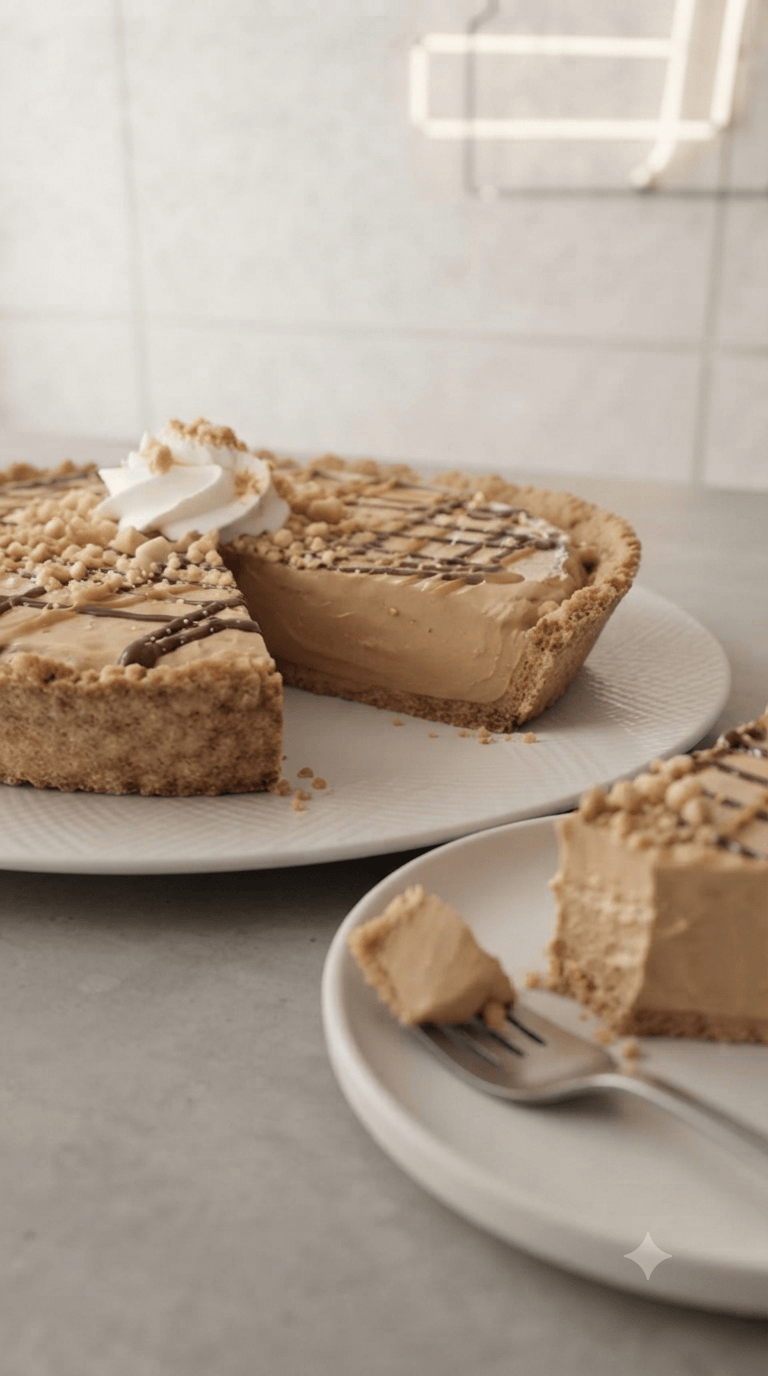
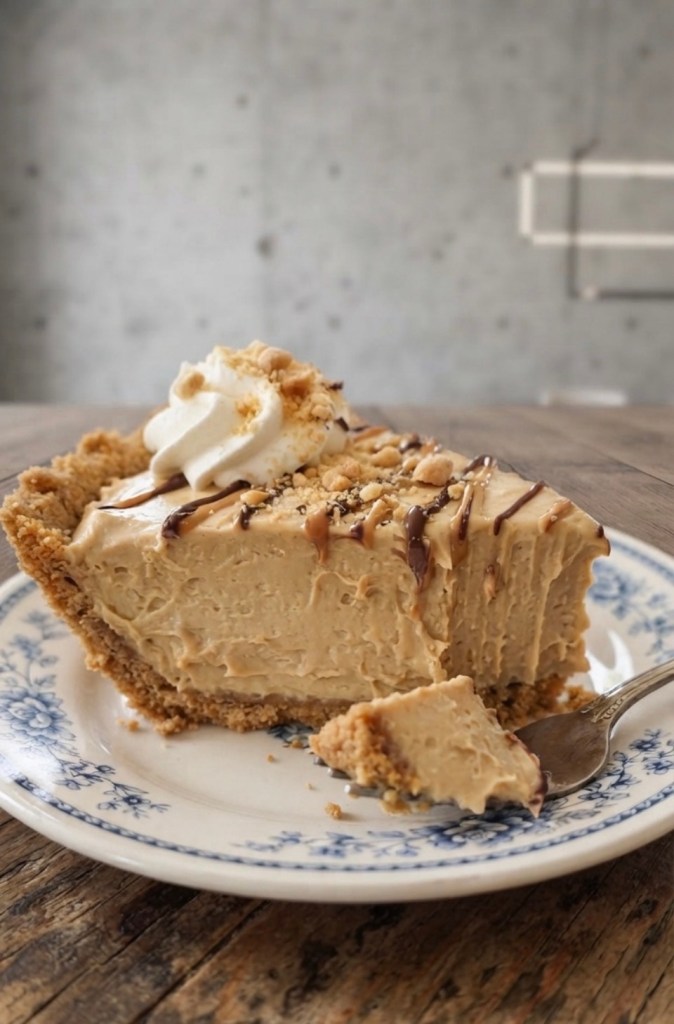
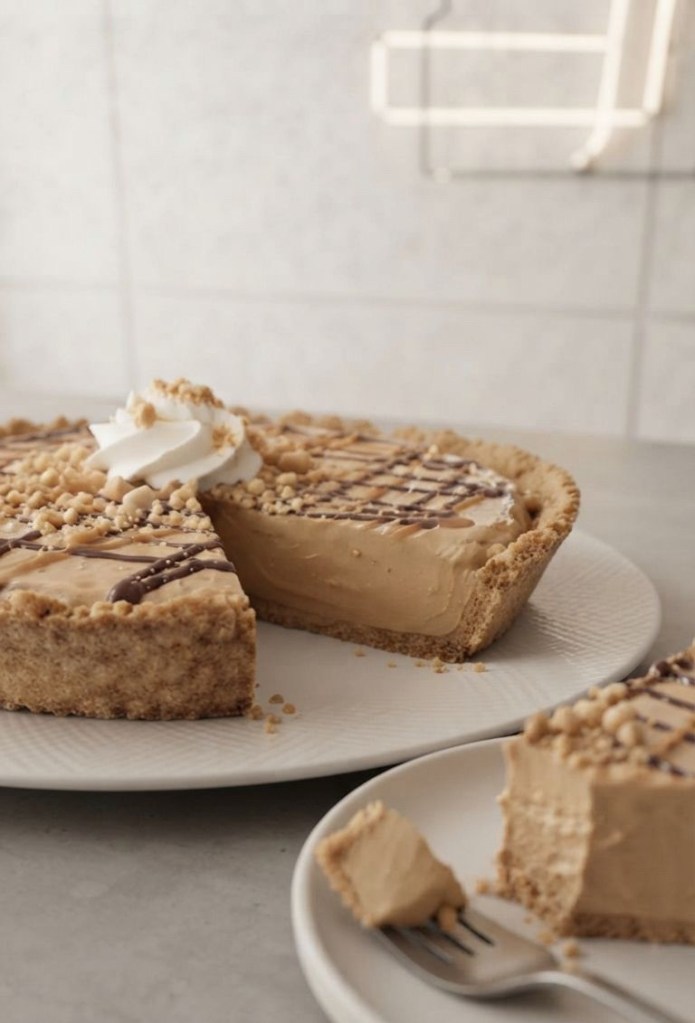
If you’ve ever wondered what Dolly Parton eats when she’s craving something sweet, you are in for a serious treat today. I am talking about her famous Peanut Butter Pie! It is legendary for a reason—it’s ridiculously creamy, perfectly balanced, and honestly, it’s one of those desserts that disappears the second you put it on the table.
Now, there is a tiny catch for those of us living in the UK: the original recipe calls for “Cool Whip,” which, as we all know, is nearly impossible to find on our supermarket shelves. But don’t worry! I’ve cracked the code. You can get that exact same, dreamy, cloud-like texture by using high-quality double cream whipped to stiff peaks. It’s rich, it’s decadent, and it feels just like the real deal.
This is a total no-bake wonder, making it the perfect “make-ahead” dessert for when you’re hosting friends or just really, really craving peanut butter.
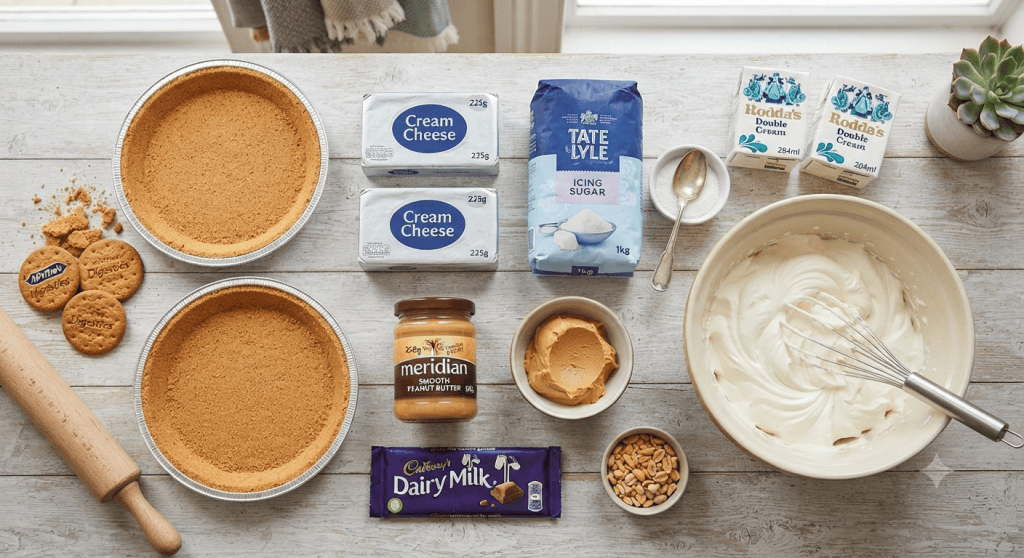
Here is what you’ll need:
225g (approx. 8 oz) cream cheese, softened
190g (approx. 1 ½ cups) icing sugar
250g (approx. 1 cup) creamy peanut butter (stick to a standard “no-stir” brand to keep the texture smooth)
480ml (approx. 16 oz) double cream
2 digestive biscuit crumb crusts (or graham cracker crusts)
Let’s get baking (or, well, assembling!):
1. Start by getting that cream cheese into a large bowl. Beat it until it’s lovely and smooth.
2. Gradually sift in your icing sugar, mixing until it’s fully combined.
3. Add in your peanut butter. Keep that mixer going on medium-high until the whole mixture looks light and fluffy.
4. In a separate, chilled bowl, whip your double cream until it forms stiff peaks. Take your time here—you want it nice and firm!
5. Now for the gentle part: fold the whipped cream into your peanut butter mixture. Be patient and use a spatula to keep all that beautiful air in.
6. Pour the mixture into your crusts and smooth out the tops.
7. The hardest part? The wait. Pop them in the fridge for at least 8 hours (or overnight is even better) so they can set perfectly.
8. Before you serve, feel free to get creative with a drizzle of chocolate syrup or a sprinkle of crushed peanuts on top.
Trust me, once you take that first bite, you’ll see exactly why this is a country music icon’s favorite. Let me know in the comments if you give it a try!
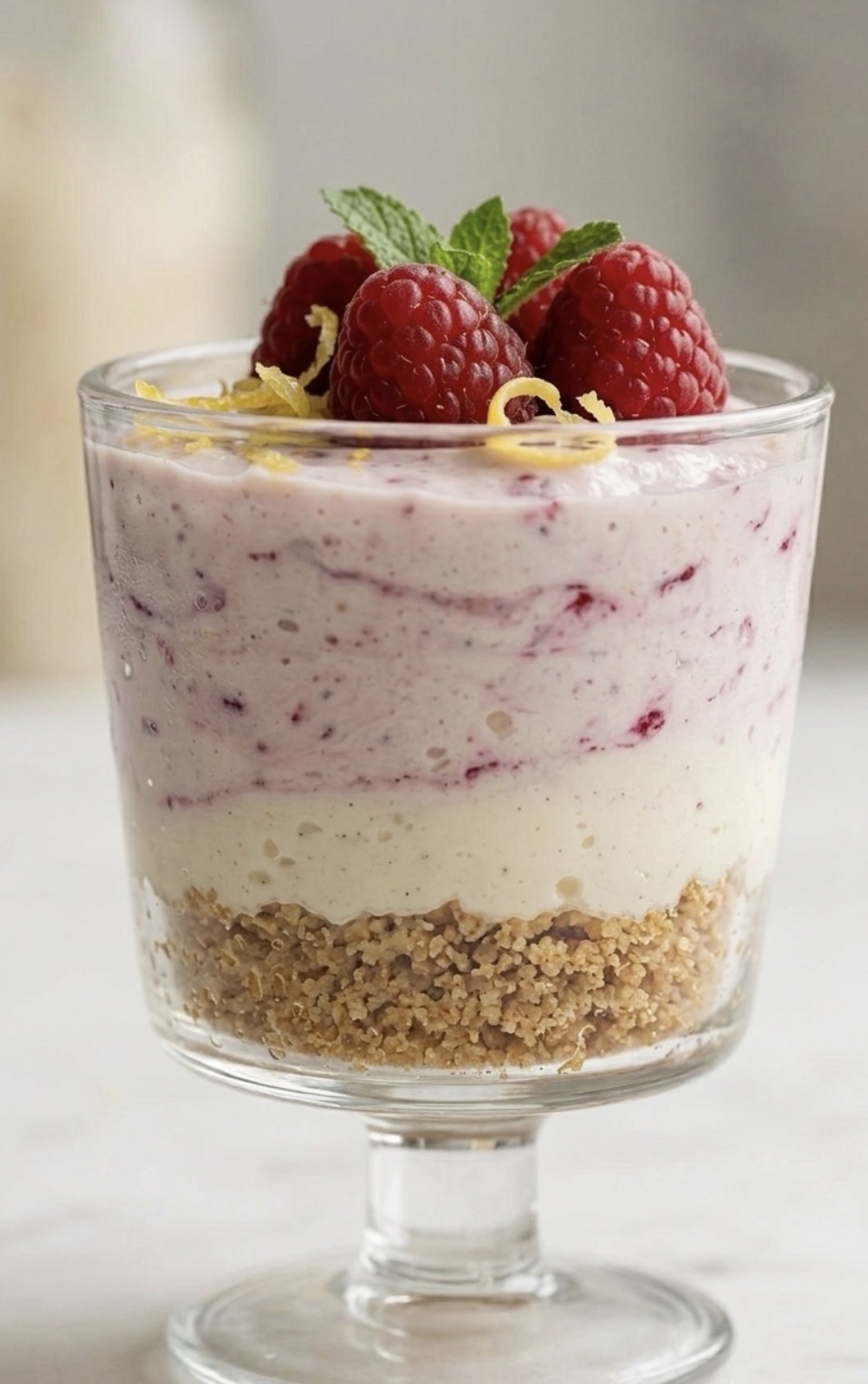
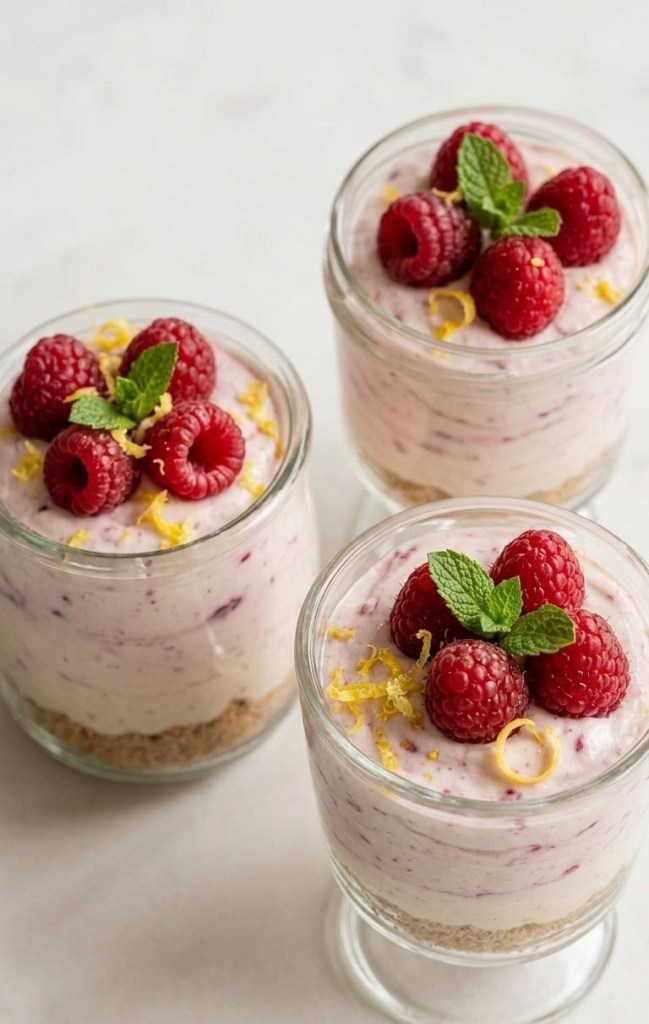
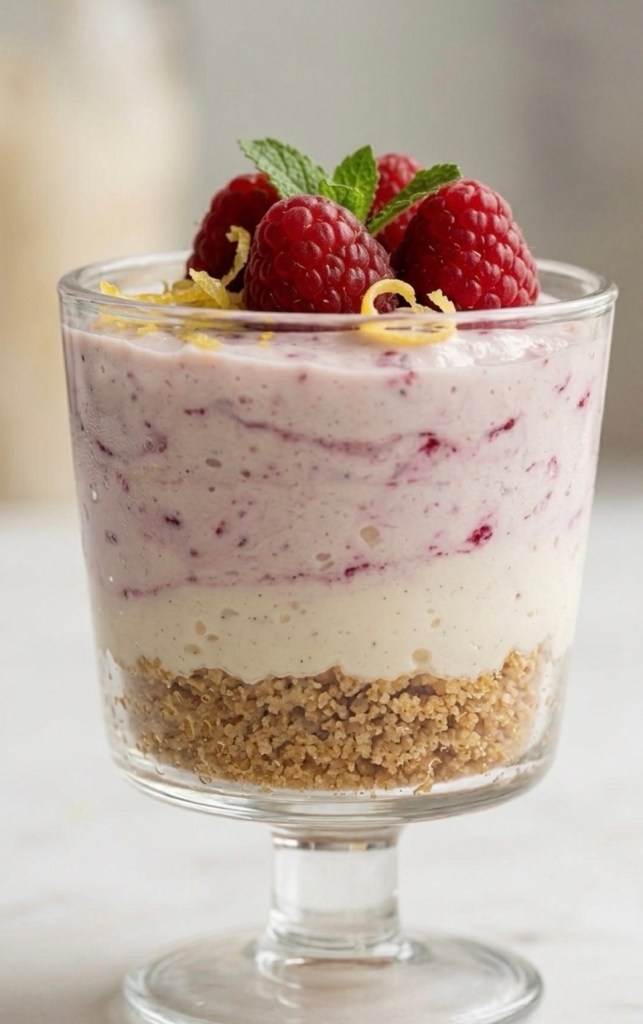
There is something undeniably satisfying about a dessert that looks sophisticated but comes together in minutes. Whether you are meal-prepping healthy treats for the week or need a quick crowd-pleaser for a dinner party, these No-Bake Raspberry & Lemon Cheesecake Jars are the answer.
Combining the tang of Greek yogurt with the creamy texture of cottage cheese, this dessert provides a protein boost while satisfying your sweet tooth. Best of all, it requires zero time in the oven.
Why You’ll Love This Recipe
Minimal Effort: No baking, no fuss, just fresh ingredients.
Protein-Packed: By using cottage cheese and Greek yogurt, you get a much more satisfying treat than standard heavy-cream desserts.
Perfectly Portionable: The individual jars make them easy to grab on the go or store in the fridge.
Customizable: You can swap the berries for blueberries or even add a drizzle of melted dark chocolate.
The Recipe
Prep time: 10 minutes | Servings: 3
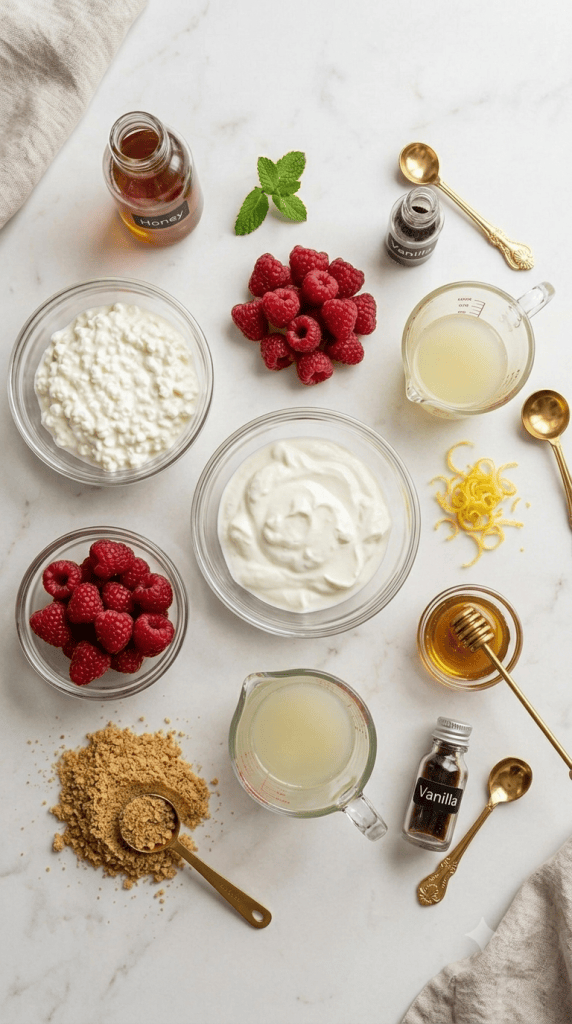
Ingredients
1 cup (100g) Digestive biscuits or graham crackers (crushed)
1 cup (225g) Cottage cheese
1/2 cup (120g) Greek yogurt
1 cup (125g) Fresh raspberries
2 tbsp Honey (or maple syrup)
1 tbsp Lemon juice
1 tsp Vanilla extract
Optional: Lemon zest and mint leaves for garnish
Instructions
1. Prepare the Base: Divide your crushed biscuits equally among three jars. Press them down gently with a spoon to create a compact, even layer.
2. Blend the Cream: In a food processor or high-speed blender, combine the cottage cheese, Greek yogurt, honey, lemon juice, and vanilla extract. Blitz until the mixture is completely smooth and creamy.
3. Add the Fruit: Gently fold in half of your fresh raspberries. If you prefer a marbled look, pulse the blender just two or three times rather than fully blending them.
4. Assemble: Spoon or pipe the cheesecake mixture over the biscuit bases.
5. Garnish: Top with the remaining fresh raspberries, a sprinkle of lemon zest, and a small mint leaf.
6. Set: You can enjoy these immediately, but they taste even better after chilling in the fridge for 30 minutes!
Nutritional Information
Per serving (makes 3)
📊 Macros
Calories: 215 kcal
Protein: 14g
Carbohydrates: 32g
Fat: 3g
Tips for Success
Smooth Texture: If you don’t like the texture of cottage cheese curds, blending it thoroughly is key. It will transform into a silky cream that rivals mascarpone.
Keep it Crunchy: If you plan to store these for more than a day, add the biscuit base right before serving to ensure it stays crunchy rather than getting soggy from the moisture in the cream.
Zest is Best: Don’t skip the lemon zest! It adds a bright, fresh aroma that ties the lemon and berries together perfectly.
Have you tried this recipe? Tag us in your photos or let us know in the comments how you customized your jars!
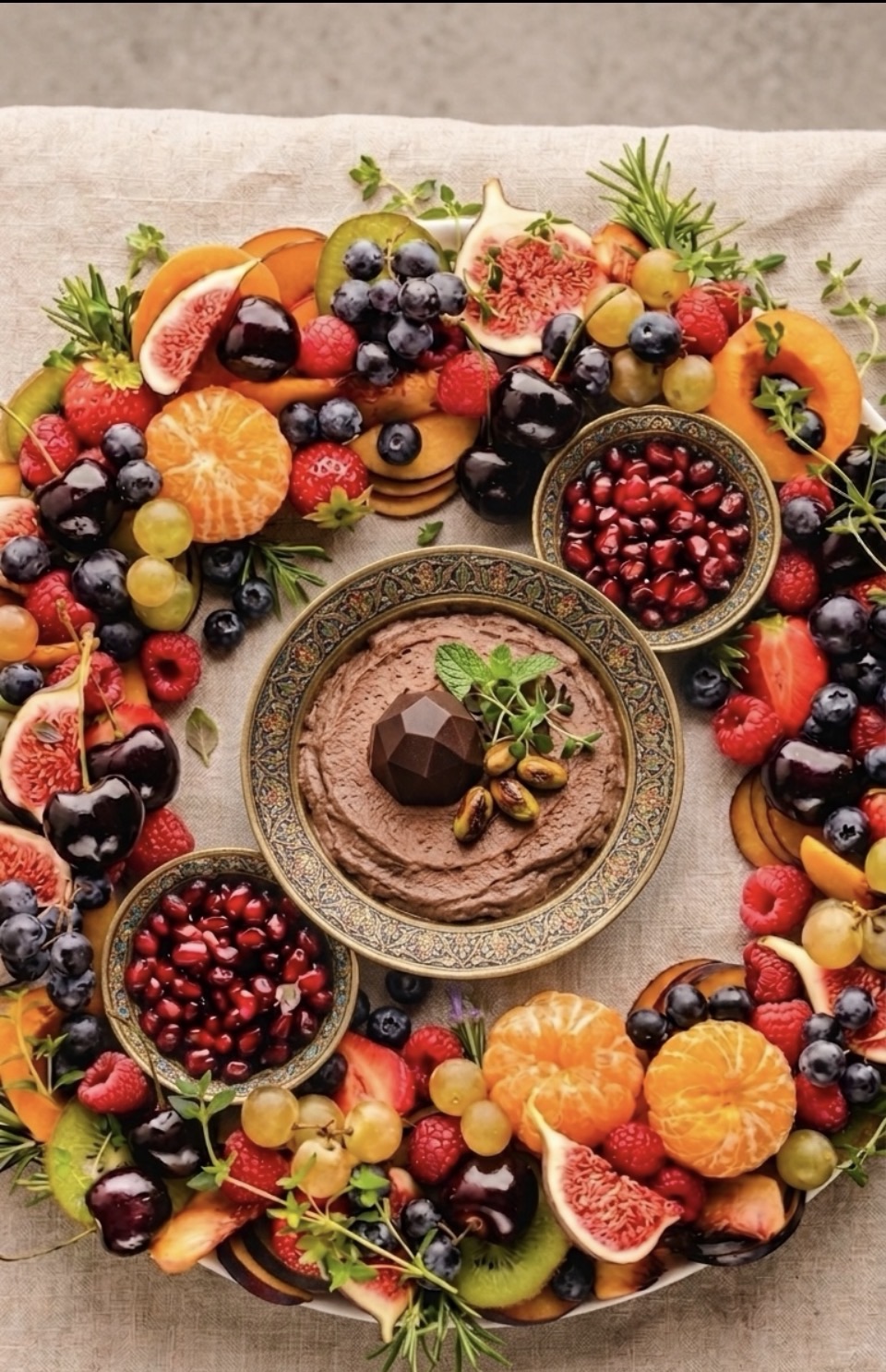
Let’s be honest—hosting can be a bit of a juggling act. You want your table to look like a Pinterest masterpiece, but you also want to actually enjoy the company of your guests instead of being chained to the oven all day. If you’ve been looking for that one “wow” factor that takes five minutes to assemble but looks like you hired a professional caterer, you’ve just found it.
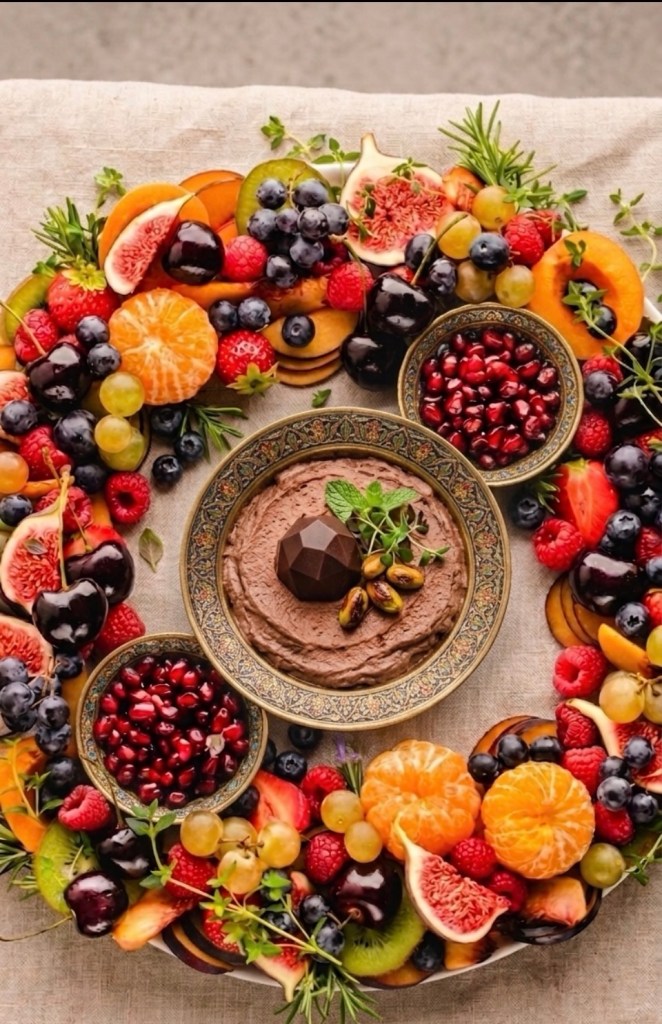
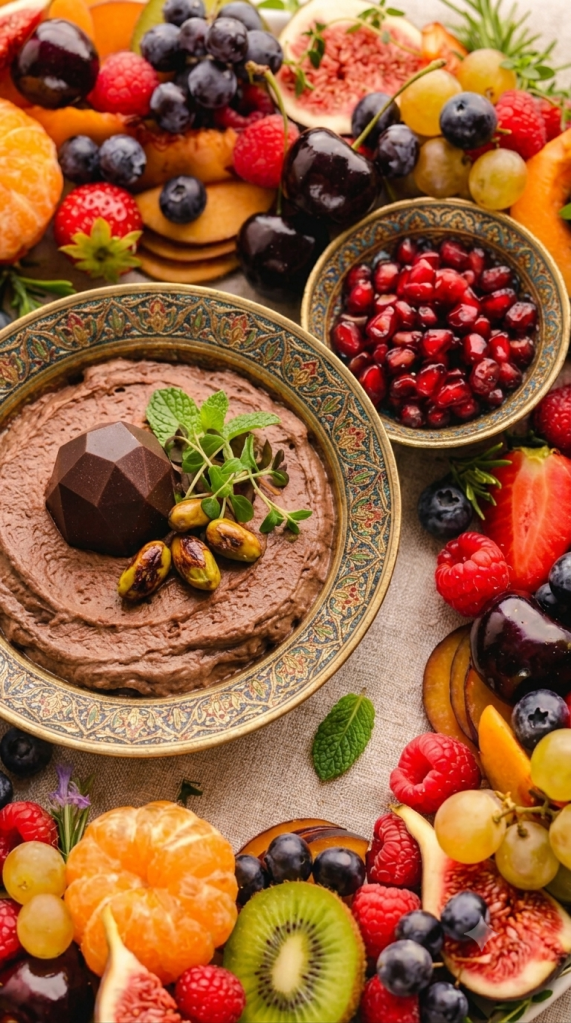
This fruit wreath is my go-to for pretty much every get-together now. It’s the perfect balance of fresh, vibrant, healthy-ish fruit and, let’s be real, a very necessary amount of creamy, chocolatey indulgence. It’s a total showstopper, and that Nutella dip? It’s basically dangerous. I promise, the moment you put this down, your friends will be crowding around the table!
Ready to put it together? Here is how to make it happen.
What You’ll Need
For the Dip:
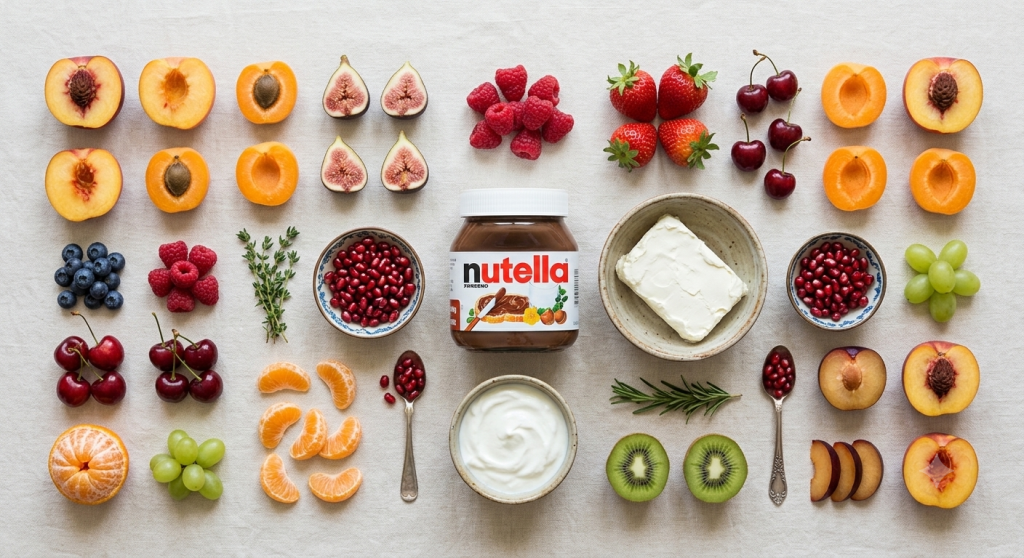
226g (approx. 8 oz) Cream Cheese, softened (make sure it’s nice and soft so you don’t get lumps!)
300g Nutella (the star of the show)
240ml (approx. 1 cup) Greek Yogurt (this gives it that perfect tang and silky texture)
For the Wreath:
The Fruit: Figs (quartered), peaches or nectarines (sliced), apricots (halved), blueberries, raspberries, strawberries, cherries, red and green grapes, kiwis (sliced), plums (sliced), tangerines or clementines (peeled), and a good handful of pomegranate arils.
The Garnish: A few sprigs of fresh thyme or rosemary—trust me, that little bit of green makes all the difference!
Let’s Get Cooking (Or, Well, Assembling!)
1. Whip up that heavenly dip: Start by grabbing a medium bowl. Beat your softened cream cheese and Nutella together using an electric hand mixer. You want to keep going until it’s completely smooth and looks like a cloud of chocolate goodness. Once that’s combined, fold in the Greek yogurt and beat again until it’s super silky and dreamy. Pop it in the fridge—it’s way better when it’s nice and chilled!
2. Fruit prep: This is the most “work” you’ll do! Give all your fruit a really good wash and make sure they are completely dry (watery fruit on a board is a no-go). Slice your bigger items like those juicy peaches, plums, and kiwis into nice, even slices. Quarter your figs and halve your apricots—it makes them look way more professional and easier to grab.
3. Assemble the wreath: This is the fun part! Grab your favourite large, round serving platter. Start by placing your fruit around the edge in a circular wreath shape. Don’t overthink the placement, but do try to alternate your colours and textures. You want a bit of bright red strawberry next to a deep purple grape, and then maybe a slice of kiwi for that pop of green. It’s all about creating that beautiful, high-contrast look!
4. The finishing touches: Place your central bowl of that delicious Nutella dip right in the middle of the circle. Then, nestle two small, decorative bowls of pomegranate arils on opposite sides of the wreath. It adds a lovely pop of colour and makes everything look perfectly balanced.
5. The final flourish: Tuck in those fresh sprigs of thyme or rosemary throughout the wreath. It gives it that rustic, “just picked from the garden” vibe that really elevates the whole display. Serve it up and watch how quickly it disappears—it won’t last long, I promise!
Which fruit are you reaching for first? I’m a total sucker for the strawberries dipped in that Nutella cream. Let me know what you’d grab in the comments below, and definitely save this post for your next hosting night—your friends will thank you!
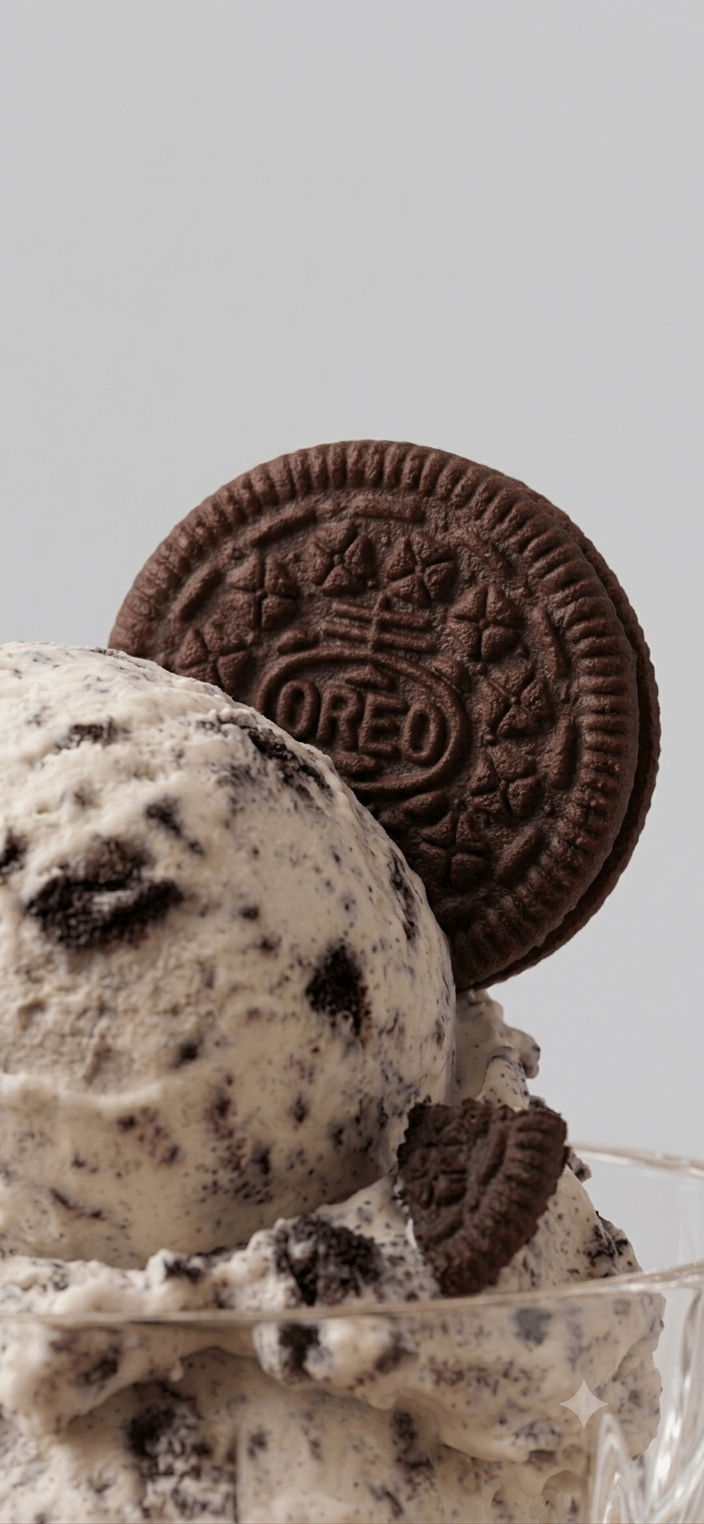
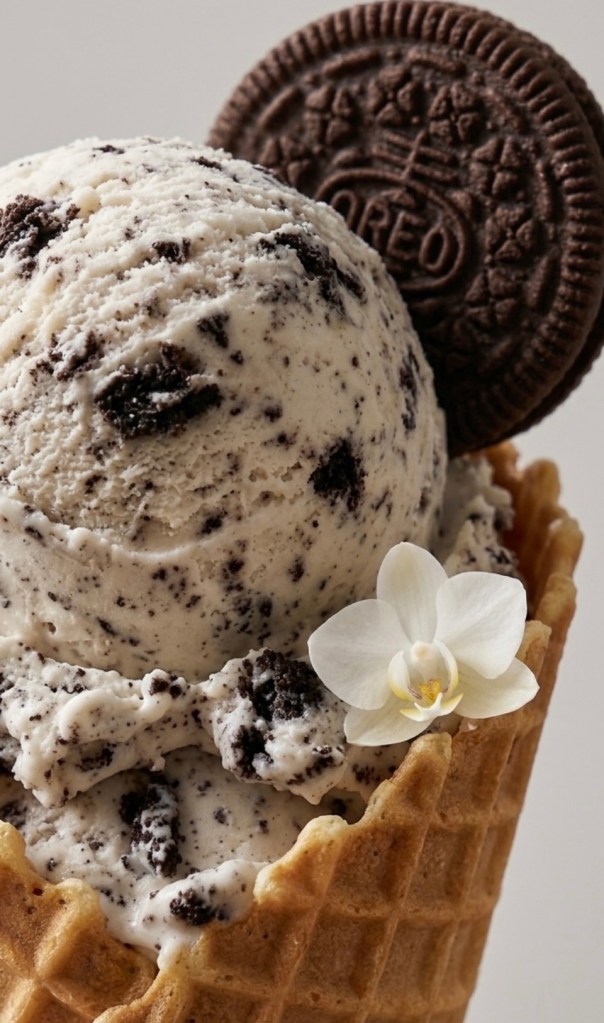
Let’s be honest—is there anything better than a giant scoop of cookies and cream ice cream on a warm evening? But have you ever looked at the back of a carton at the shops? It’s usually packed with ingredients you can’t even pronounce.
Well, I’ve got a secret for you. You can make the most velvety, decadent ice cream right in your own kitchen with only three ingredients. No fancy ice cream machine, no complicated techniques, just pure magic.
Grab your whisk, crush those cookies, and let’s get into it!
The Ingredients
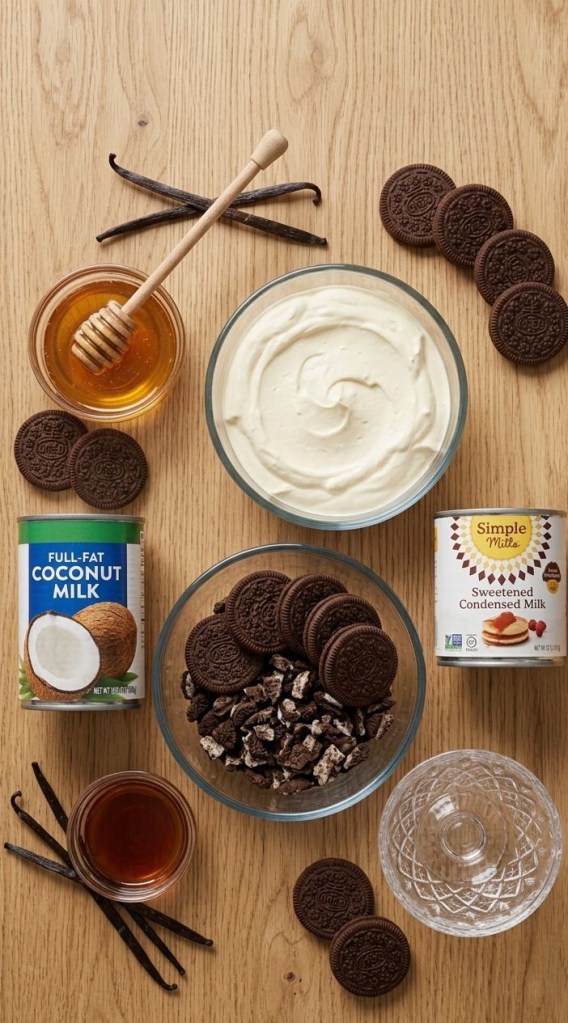
475ml (2 cups) Double Cream – Cold from the fridge!
1 tin (approx. 400g) Sweetened Condensed Milk – OR make it from scratch by simmering 1 tin of full-fat coconut milk with 120ml (1/2 cup) honey for 20-30 minutes until thick, then cooling completely.
1 tbsp Vanilla Extract
A mountain of crushed cookies – Your favorite chocolate sandwich cookies work best.
The Method
1. Whip the Cream: In a stand mixer or with a hand whisk, whip the double cream on high speed until you reach stiff peaks. The cream should stand up firmly on the whisk without drooping.
2. Combine the Base: Gently fold your chosen sweet base (the condensed milk or your cooled coconut-honey mixture) and the vanilla extract into the whipped cream using a spatula. Be gentle—you want to keep all that beautiful air in the mixture!
3. Add the Crunch: Fold in your crushed cookies. Don’t be shy—the more, the better.
4. Freeze: Pour the mixture into a freezer-safe container. Cover it and freeze for several hours, or overnight, until firm.
5. Serve: When you’re ready, take it out of the freezer for a few minutes to soften slightly, then scoop and enjoy!
CTA: Seriously, try this out and let me know—what’s the first cookie you’re tossing into the mix? I’m a sucker for a classic dark cocoa biscuit, but I’d love to hear your favorite combos in the comments!
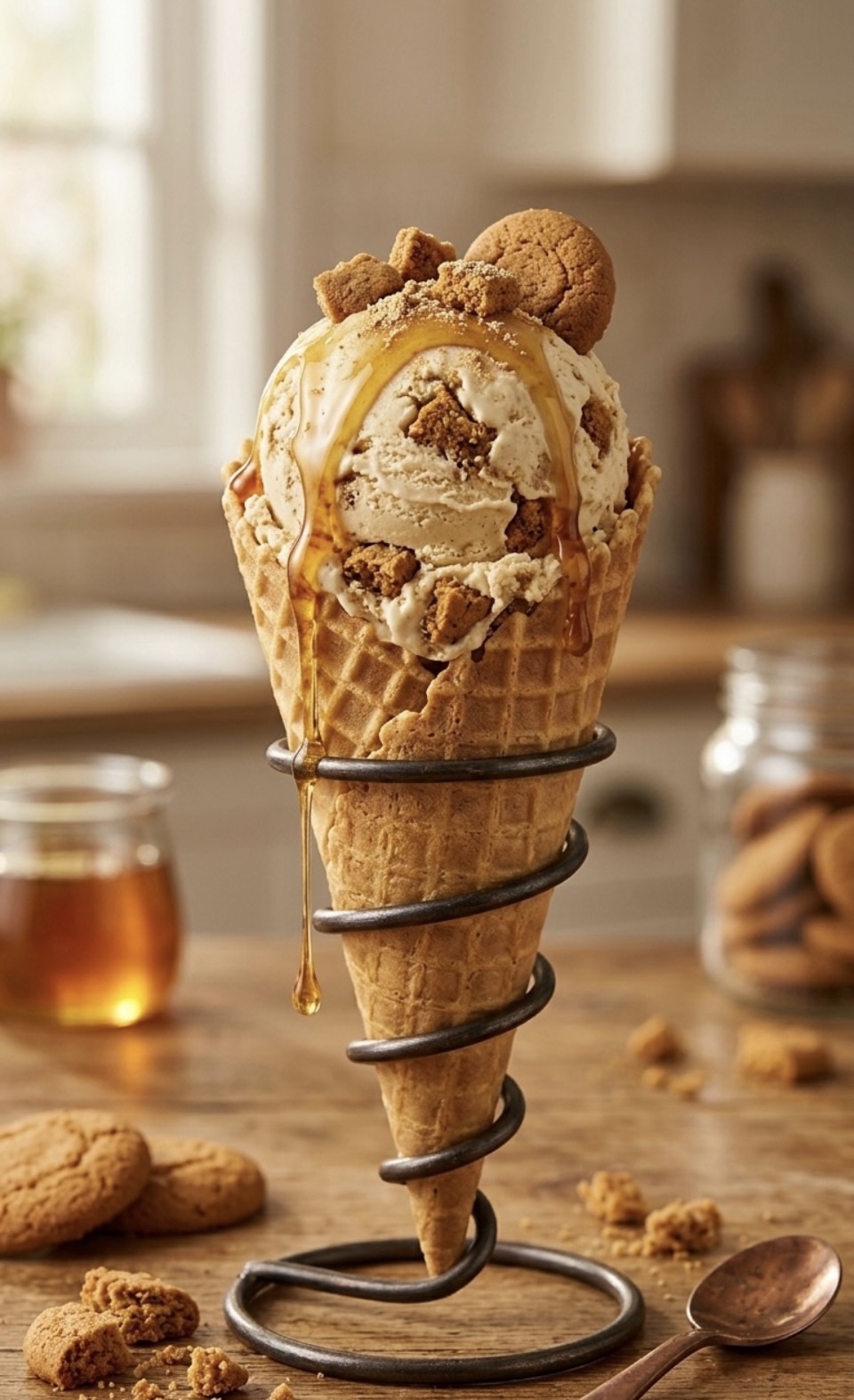
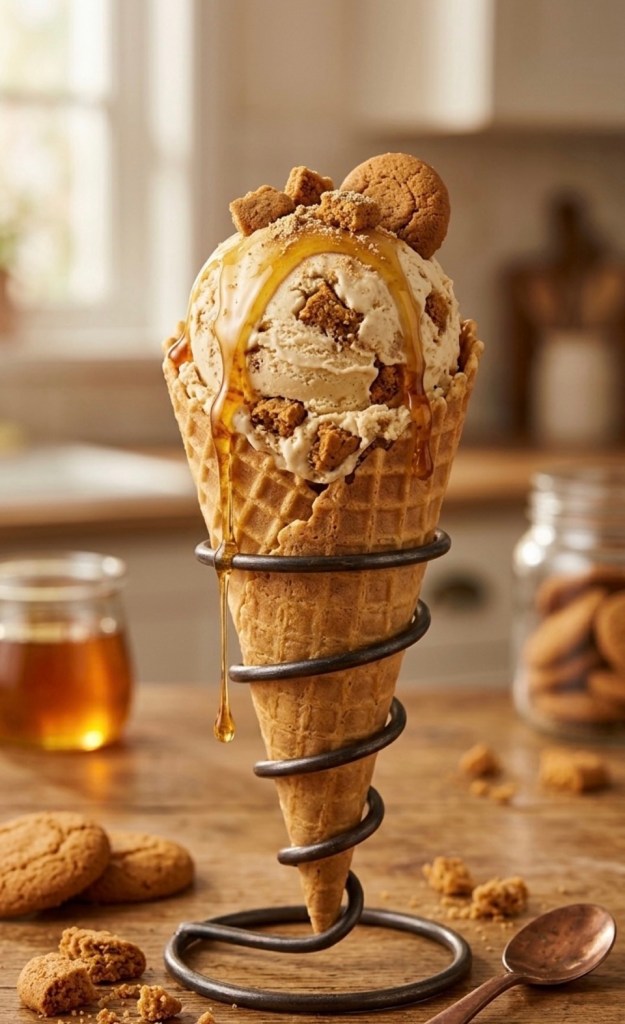
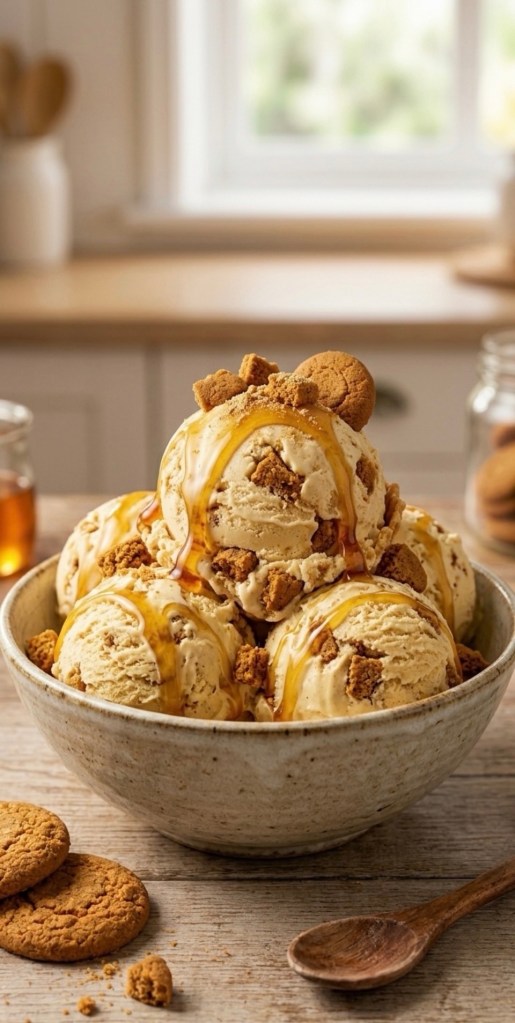
There is nothing quite like homemade ice cream. When you control the ingredients, you can create flavors that are richer, creamier, and more satisfying than anything you can buy in a store. Today, I’m sharing a recipe for a truly special treat: Gingernut Ice Cream.
This recipe perfectly balances a velvety, cream-cheese-infused base with the warm, spicy crunch of classic gingernut biscuits, all tied together with decadent swirls of golden syrup. It’s the ultimate comfort dessert.
The Recipe
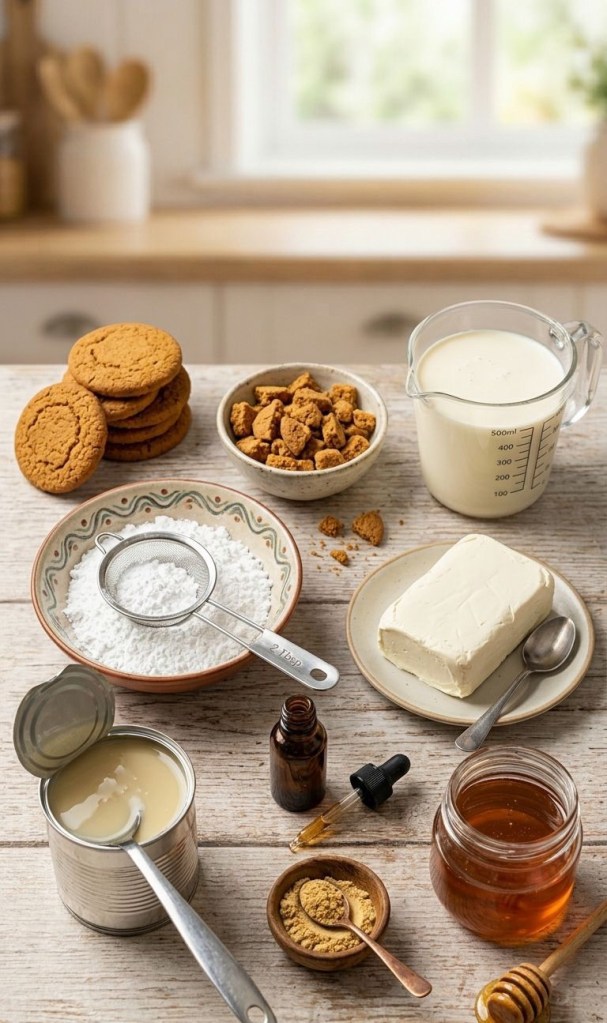
Ingredients
150g gingernut biscuits
500ml double cream
2 Tbsp icing sugar
200g full fat cream cheese, at room temperature
395g can sweetened condensed milk
1 tsp vanilla extract
½ tsp ground ginger
⅓ cup golden syrup (120g)
Step-by-Step Instructions (No-Churn Method)
1. Prep the Mix-Ins:
Place the biscuits in a clean resealable bag and bash with a rolling pin until roughly chopped. You could also do this in a food processor—don’t over-process as you want biscuit chunks rather than crumbs.
2. Whip the Cream:
In the large bowl of a stand mixer (or use a handheld electric beater), whip the double cream and icing sugar until the cream just forms stiff peaks. Remove into another bowl.
3. Combine the Base:
Add cream cheese to the stand mixer bowl (don’t worry about cleaning it out) and beat until smooth. With the mixer on low, gradually add condensed milk, vanilla extract, and ginger, then increase speed to medium and mix until well combined.
4. The Gentle Fold:
Use a spatula to fold whipped cream into the cream cheese mixture.
5. Layer and Swirl:
Spoon half of the mixture into a large freezer-safe airtight container. Drizzle with half of the golden syrup and biscuits. Top with remaining ice cream mixture, and most of the remaining golden syrup and biscuits. Use a knife to gently swirl in.
6. Freeze:
Drizzle remaining golden syrup over the top and sprinkle with the last of the biscuits. Freeze for at least 6 hours before serving.
How to Make It with an Ice Cream Maker
If you own an ice cream maker that requires a pre-frozen bowl, you can still enjoy this recipe! While the no-churn method is fantastic, using a machine will incorporate more air, resulting in a lighter texture.
1. Preheat the Machine:
Ensure your ice cream maker’s bowl has been in the freezer for at least 24 hours (or according to manufacturer instructions) until it is completely solid.
2. Prepare the Base Mix:
In a bowl, beat the room-temperature cream cheese until smooth. Gradually whisk in the sweetened condensed milk, vanilla extract, and ground ginger until smooth. Gently whisk in the 500ml of double cream until combined.
3. Chill the Base:
For the best result, cover the mixture and chill it in the refrigerator for at least 1–2 hours. A cold base ensures the machine churns the mixture efficiently.
4. Churn:
Set up your ice cream maker. Turn the machine on and then pour the cold base into the frozen bowl. Let the machine churn until it reaches a thick, soft-serve consistency.
5. Add the Mix-Ins:
A few minutes before the churning is finished, add the biscuit chunks and half of the golden syrup. Let the machine finish mixing them in.
6. Freeze:
Transfer the mixture into a freezer-safe container. Drizzle the remaining golden syrup over the top, swirl with a knife, and freeze for 4–6 hours to allow it to firm up to a scoopable consistency.
Whether you choose the quick and effortless no-churn method or the light, airy finish of an ice cream maker, this Gingernut Ice Cream is sure to become a new favorite in your dessert rotation. It is the perfect balance of spice, sweetness, and creamy indulgence, making it ideal for any occasion or just a cozy night in. Give this recipe a try, get creative with your swirls, and enjoy the satisfaction of serving a truly homemade, professional-quality treat that is bound to impress your family and friends. Happy churning!
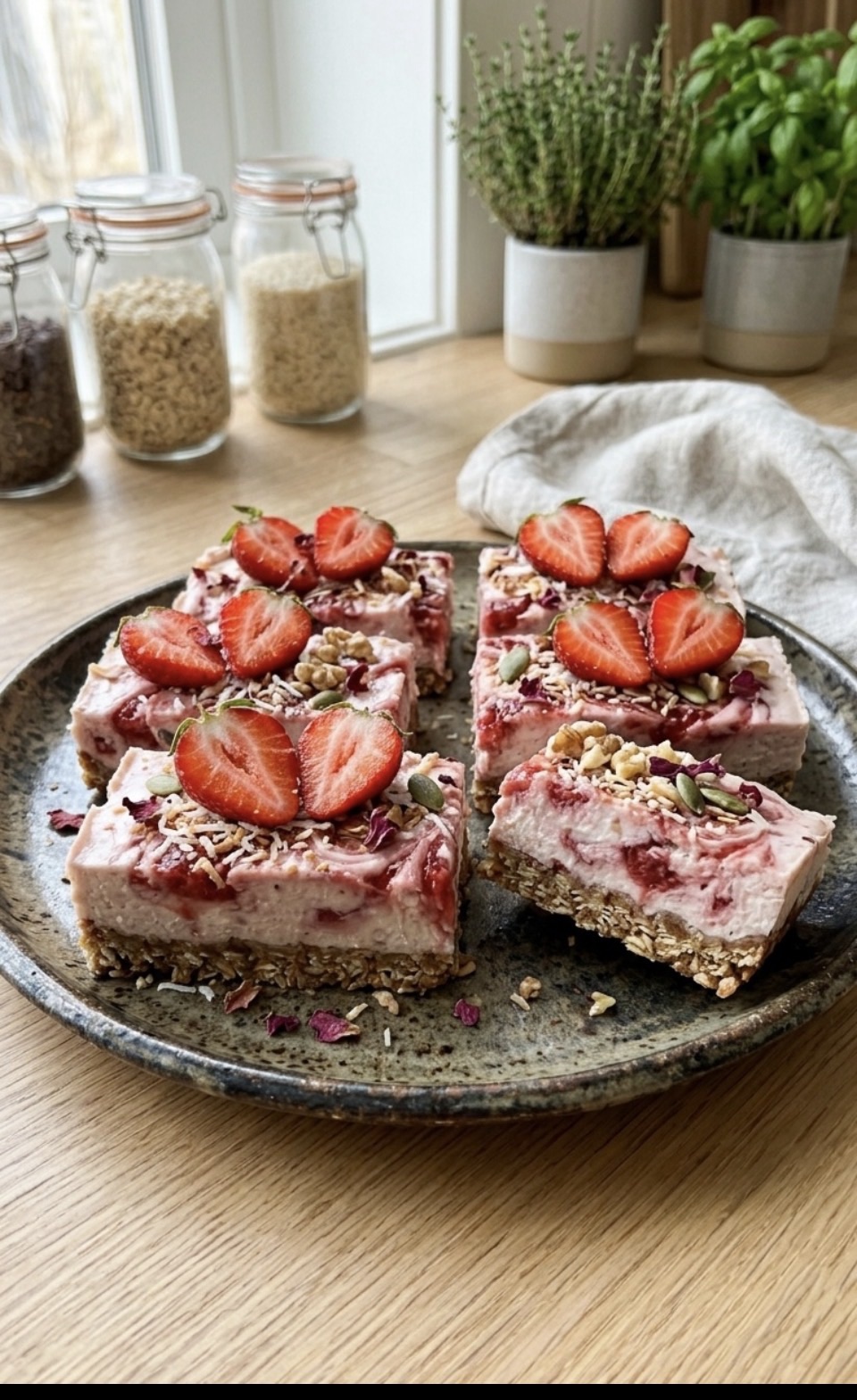
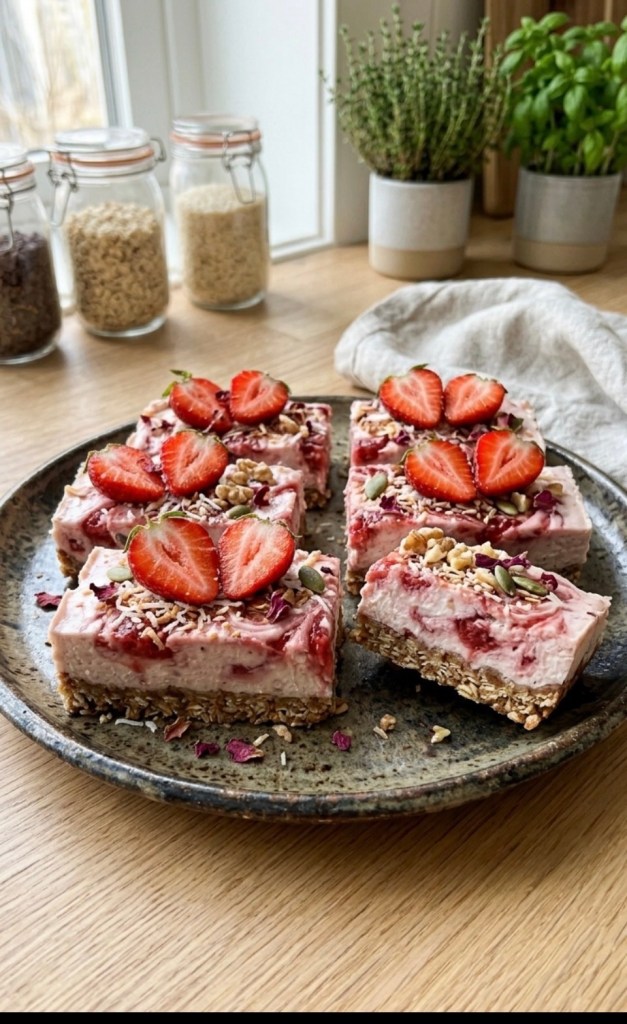
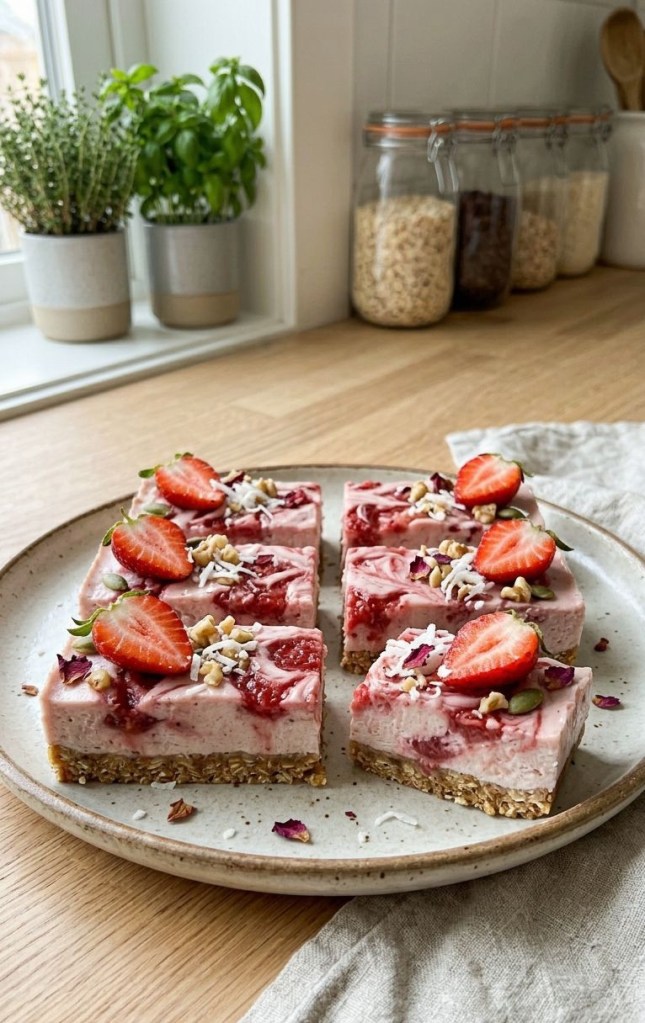
There is something inherently satisfying about a cheesecake, but let’s be honest: the time and effort required for a traditional baked version can be a bit daunting when you just want a quick, delicious snack. That is exactly why I’ve fallen in love with these Strawberry Cheesecake Oat Bars.
They are creamy, fruity, and perfectly balanced by a nutty, oaty base. The best part? There is absolutely zero baking involved. Whether you are after a sophisticated post-dinner treat or a refreshing afternoon pick-me-up, these bars are the ultimate answer.
Why You’ll Adore These Bars
No-Bake Bliss: No hot oven, no complicated water baths, and no stress. Just mix, set, and enjoy.
Fresh Flavours: The combination of tangy Greek yogurt and sweet, seasonal strawberries makes for a bright, vibrant flavour profile.
Customisable: This recipe is incredibly forgiving. Feel free to swap the strawberries for raspberries or even blueberries if you want to mix things up!
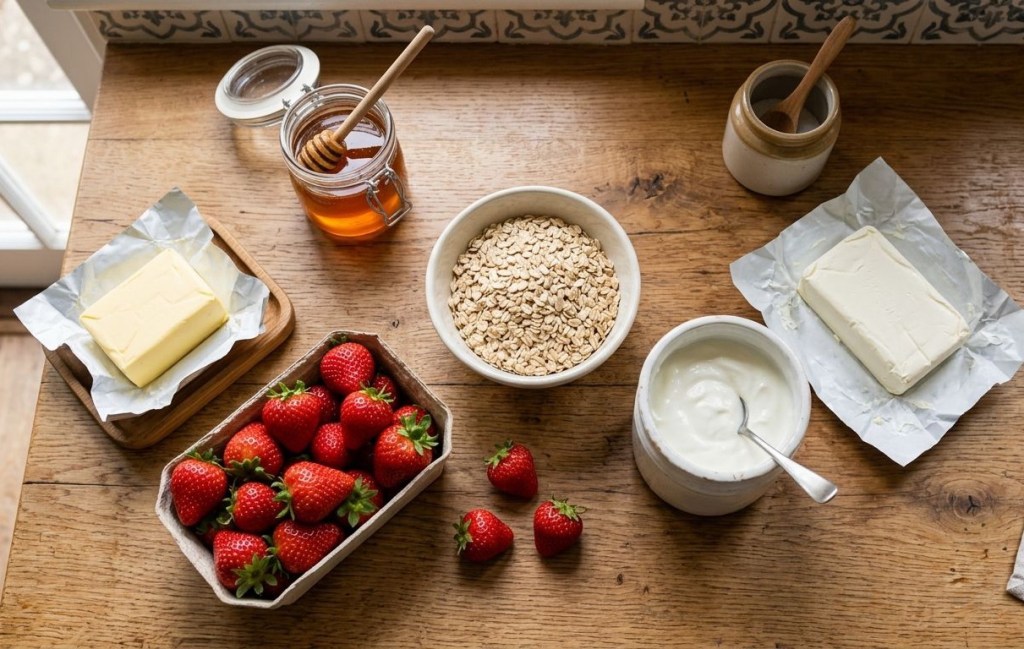
The Ingredients
Everything you need can be found at your local shop:
For the Base:
150g oats: Porridge oats work perfectly for that classic texture.
60g melted butter or coconut oil: This binds the base together beautifully.
40ml honey: Adds a touch of natural sweetness to the oaty crust.
For the Cheesecake Filling:
200g Greek yogurt: Use a thick, full-fat variety for the best creamy consistency.
100g cream cheese: Brings that authentic cheesecake tang.
1 tsp vanilla extract: Essential for that classic aroma.
100g fresh strawberries: You’ll want to mash or blend these to create a beautiful fruity swirl.
Method
1. Create the Foundation
In a medium bowl, stir together your oats, melted butter (or coconut oil), and honey until the oats are thoroughly coated. Tip this mixture into a parchment-lined tin and press it down very firmly with the back of a spoon to create an even, compact base.
2. Whip Up the Filling
In a separate bowl, whisk together the Greek yogurt, cream cheese, and vanilla extract until smooth. You want the mixture to be velvety with no lumps.
3. The Strawberry Swirl
Gently fold in your mashed strawberries. Don’t over-mix this part—you want those lovely ribbons of red strawberry puree running through the pale pink yogurt mixture.
4. Set to Perfection
Pour your creamy mixture over the oaty base and smooth out the top. Pop the tin into the freezer for at least 3 hours. This is the secret to getting that perfect, sliceable texture.
5. Serve and Enjoy
Once firm, lift the block from the tin and slice into your preferred bar size. Top each one with a fresh strawberry slice or a dusting of toasted coconut for that professional finishing touch.
Top Tip: These bars are best enjoyed straight from the freezer for a “frozen cheesecake” vibe, or left to sit for 10 minutes if you prefer a softer, creamier texture. They keep perfectly in an airtight container in the freezer for up to two weeks.
Are you a fan of fruity desserts, or do you always gravitate towards chocolate? Let me know your favourite treat in the comments below!
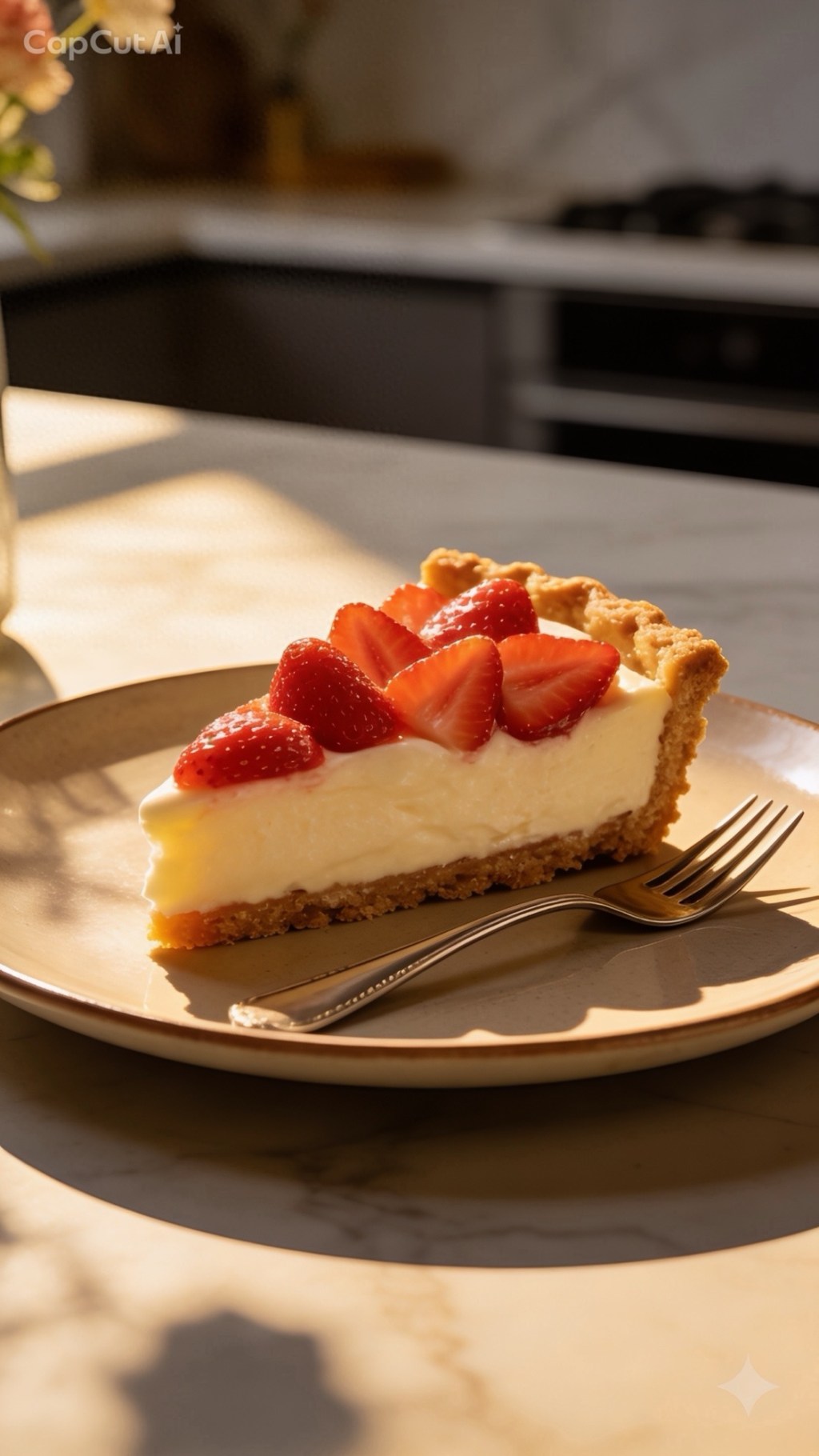
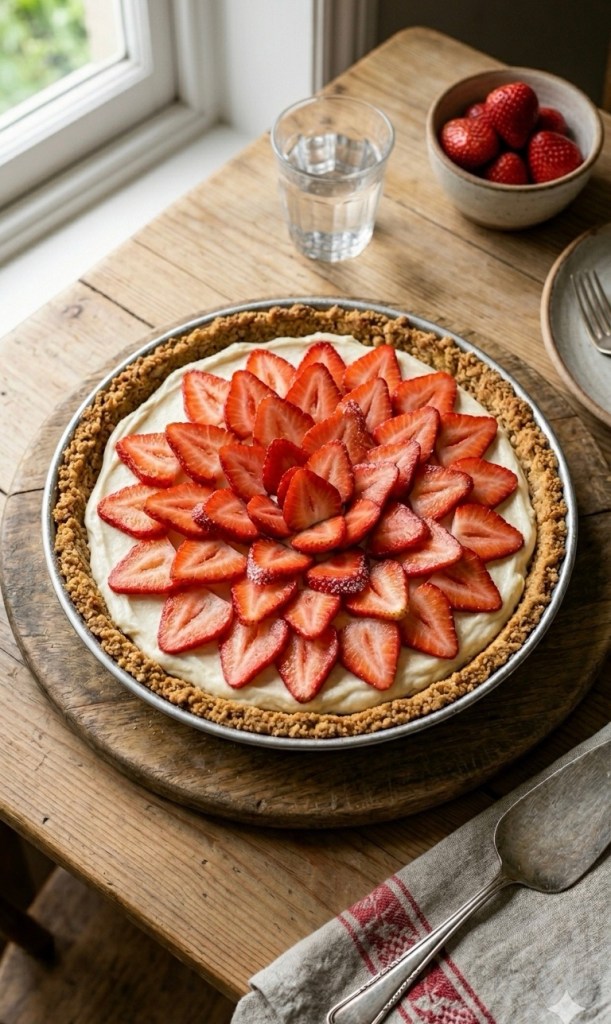
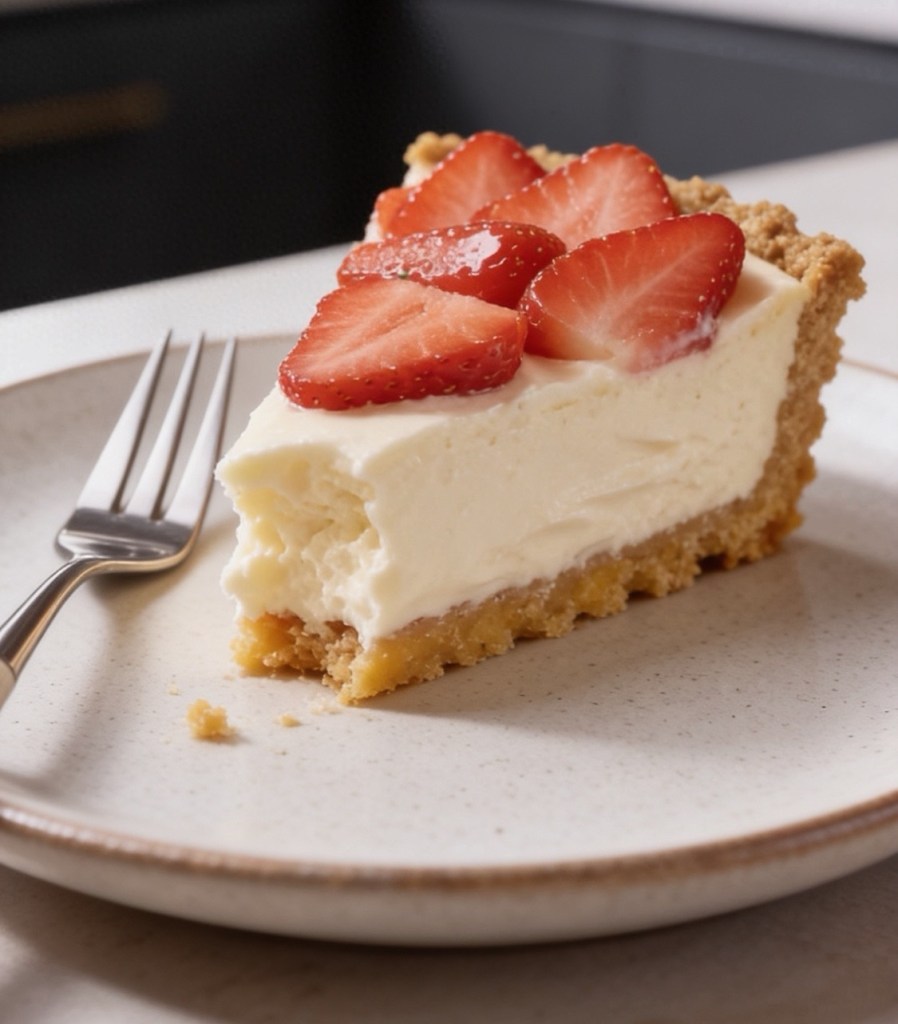
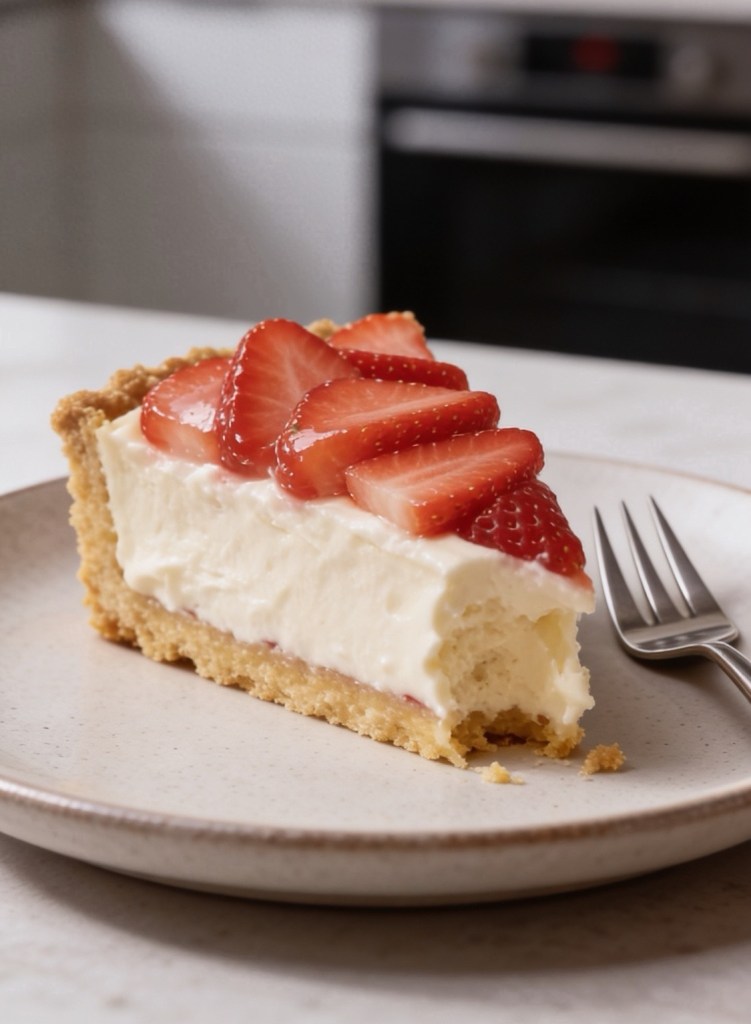
If you are looking for a dessert that screams “effortless elegance,” you just found it. This Mascarpone Strawberry Tart looks like it walked straight out of a high-end pastry shop, but here is our little secret: it requires zero baking.
With a buttery, crunchy biscuit crust, a velvety-smooth mascarpone filling, and a stunning crown of fresh, glossy strawberries, it’s the ultimate dessert for dinner parties, weekend brunches, or just because you deserve a treat.
Why You’ll Love This Recipe
No Oven Required: Keep your kitchen cool. The fridge does all the heavy lifting.
Textural Heaven: You get the crunch of the biscuit case paired with a cloud-like filling.
Customizable: Swap the traditional oat biscuits for orange-infused or almond biscuits to give it an extra layer of flavor.
Ingredients
For the Crumb Case
75g (3oz) butter
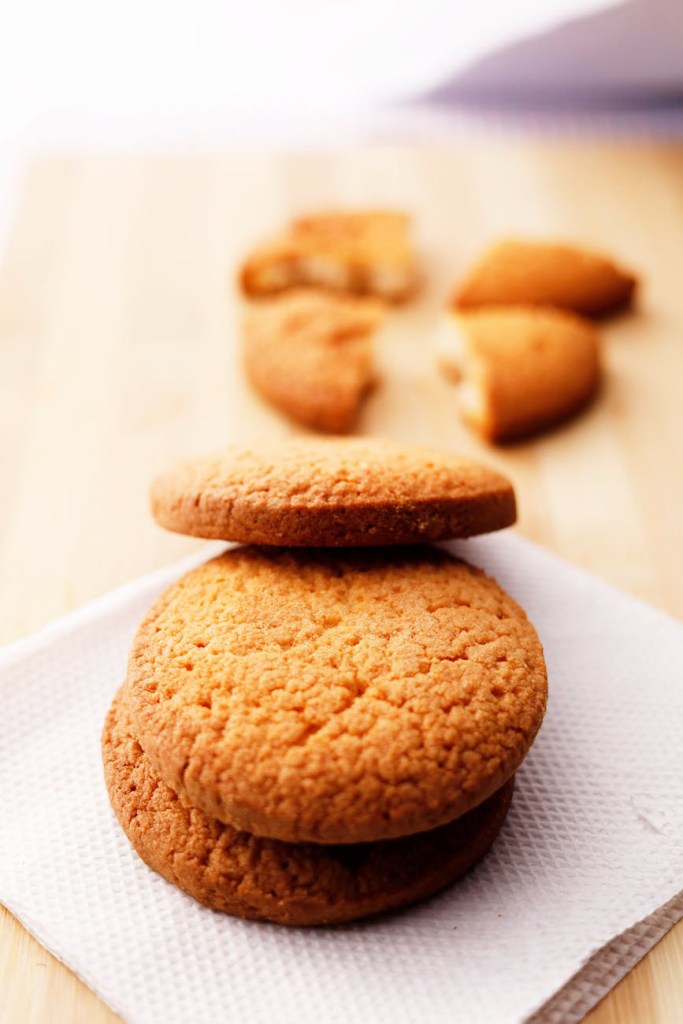
250g (9oz) almond, orange, or sweet oat biscuits
For the Filling & Topping
1 large free-range egg, separated
1 tbsp caster sugar
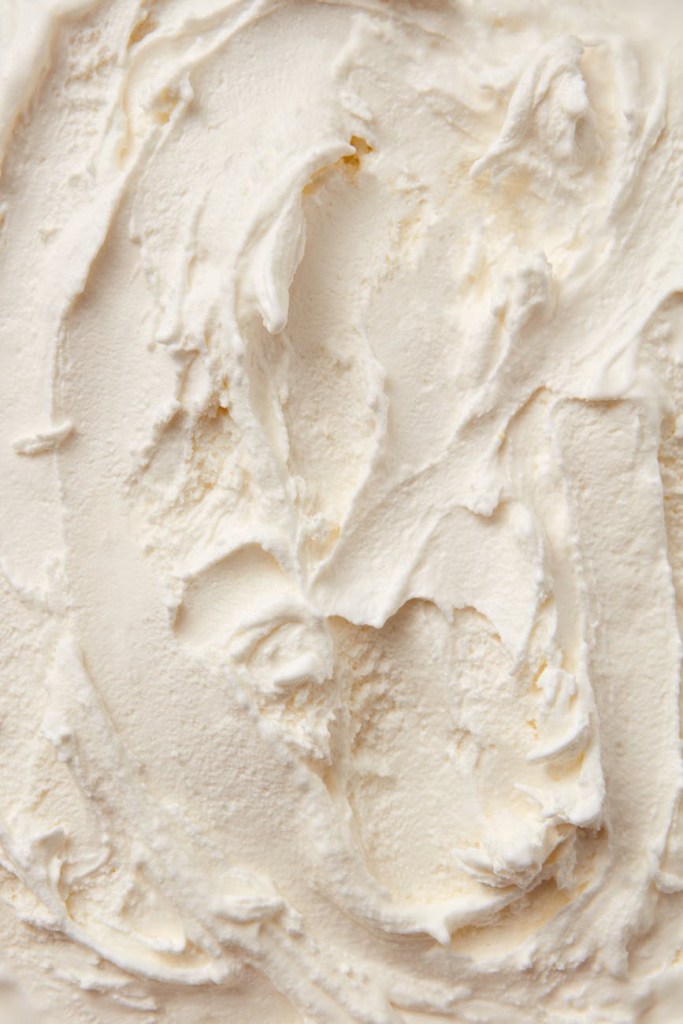
250g (9oz) mascarpone
2 drops vanilla extract
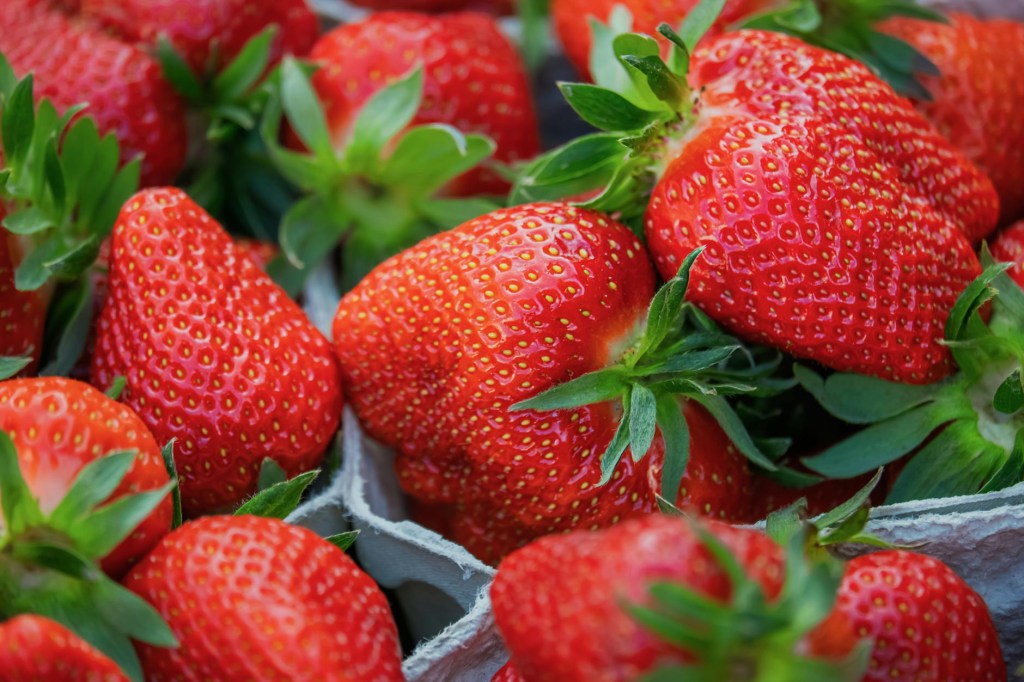
250g (9oz) fresh strawberries, hulled and thinly sliced
Step-by-Step Instructions
1. Prepare the Crumb Case
Melt the butter in a small saucepan. Place your choice of biscuits in a food processor and process to fine crumbs (alternatively, place them in a plastic bag and bash with a rolling pin, taking care not to split the bag).
Mix the crumbs thoroughly with the melted butter and spoon into a 25cm (10in) diameter loose-bottomed flan tin. Press the crumbs firmly over the base and up the sides of the tin to cover completely. Transfer to the fridge to chill until firm.
2. Whip Up the Mascarpone Filling
Put the egg yolk into a bowl with the caster sugar and beat for a few seconds until thoroughly mixed. Add the mascarpone and beat until thoroughly combined, then stir in the vanilla extract.
In a separate, completely clean bowl, beat the egg white with a whisk until stiff peaks form when the whisk is removed. Gently fold the egg white into the mascarpone mixture.
3. Assemble and Chill
Remove the biscuit crumb case from the fridge. Spoon the mascarpone mixture into the case and gently smooth the top with a spatula. Arrange the sliced strawberries in a beautiful pattern on top of the mascarpone.
Transfer the tart back to the fridge and chill until ready to serve.
💡 Pro-Tip: For the absolute best flavor and texture, remove the tart from the fridge 20 minutes before serving. This lets the mascarpone soften just enough to create that perfect, melt-in-your-mouth slice!
Let’s Chat!
Are you team almond, orange, or classic oat biscuit for your crust? Let me know in the comments below how your tart turned out!
Hello, fellow lovers of elegant indulgence! If you are here, it’s because you believe that true luxury should be effortless, bright, and absolutely non-negotiable. Today, I am ecstatic to share a dessert that I have been perfecting—one that I’m officially calling my “non-boozy miracle mousse.”
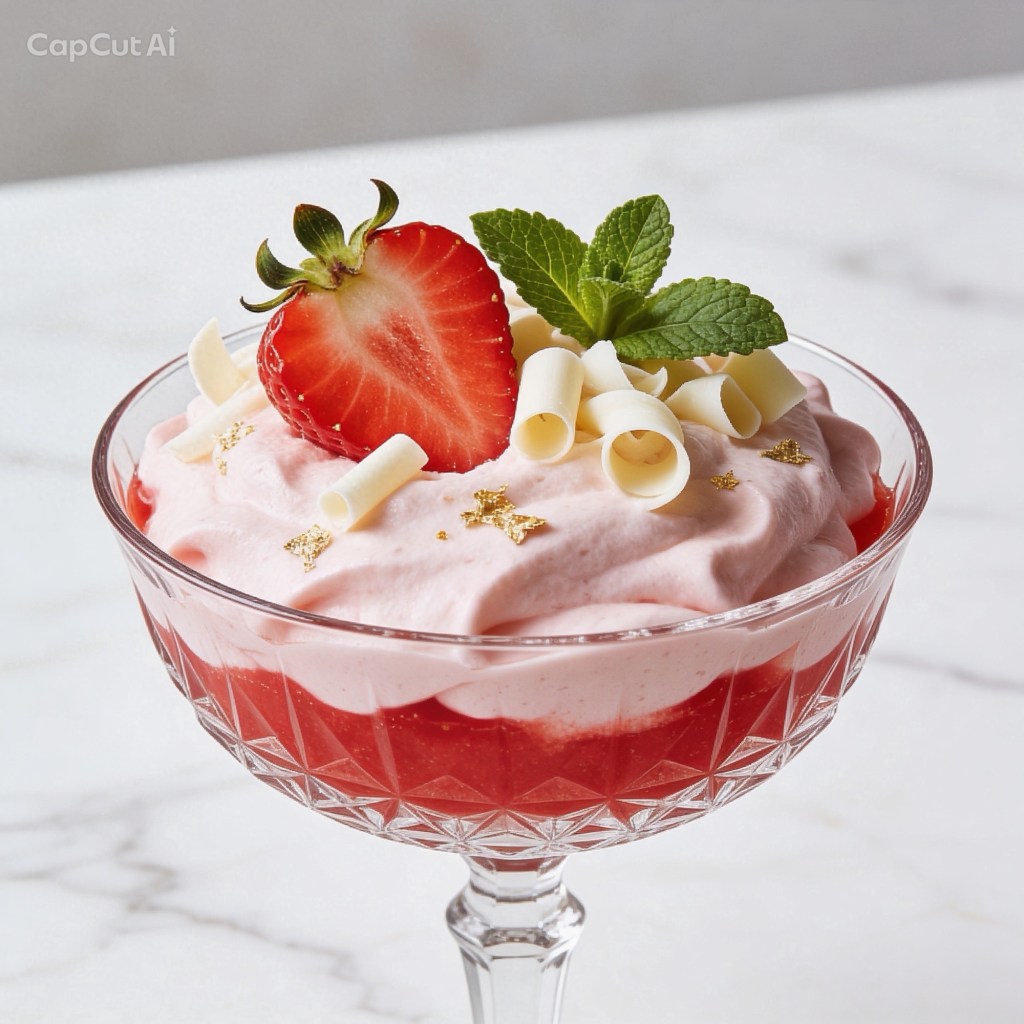
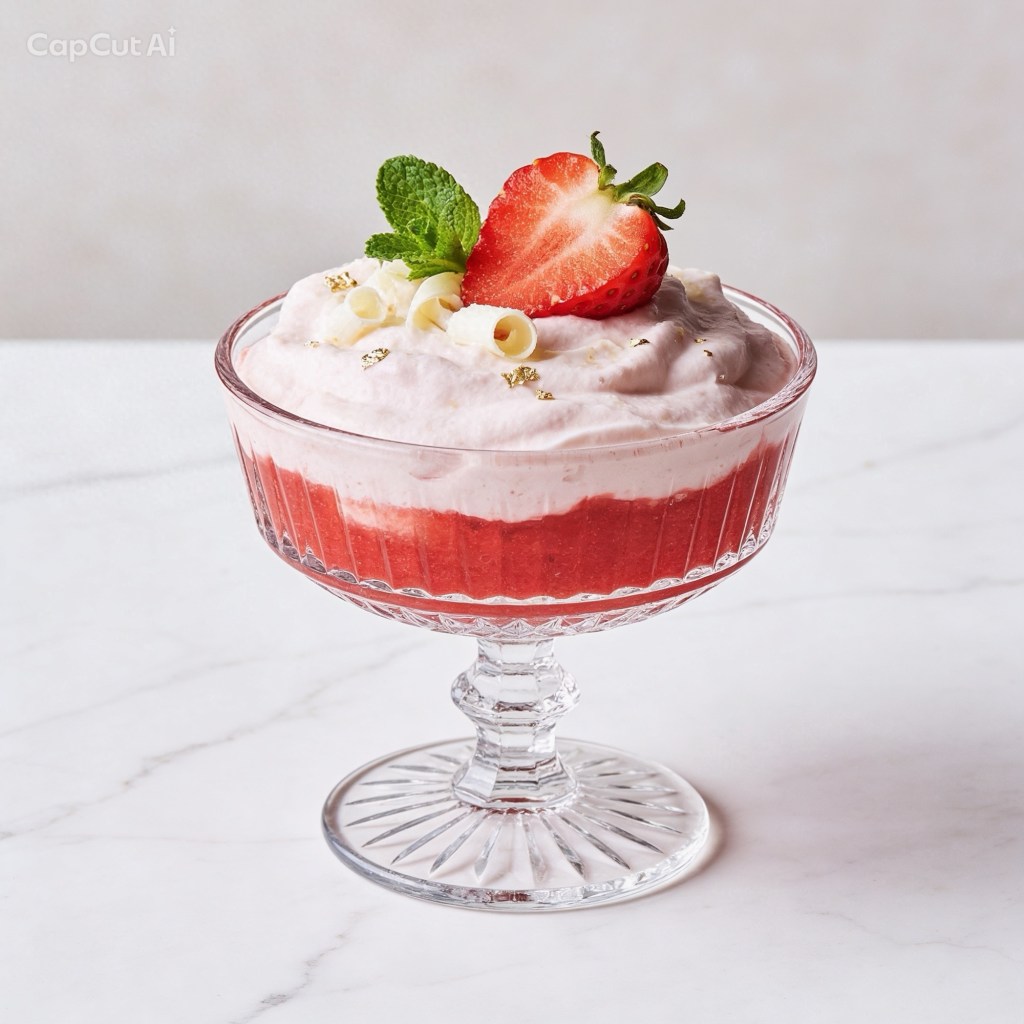
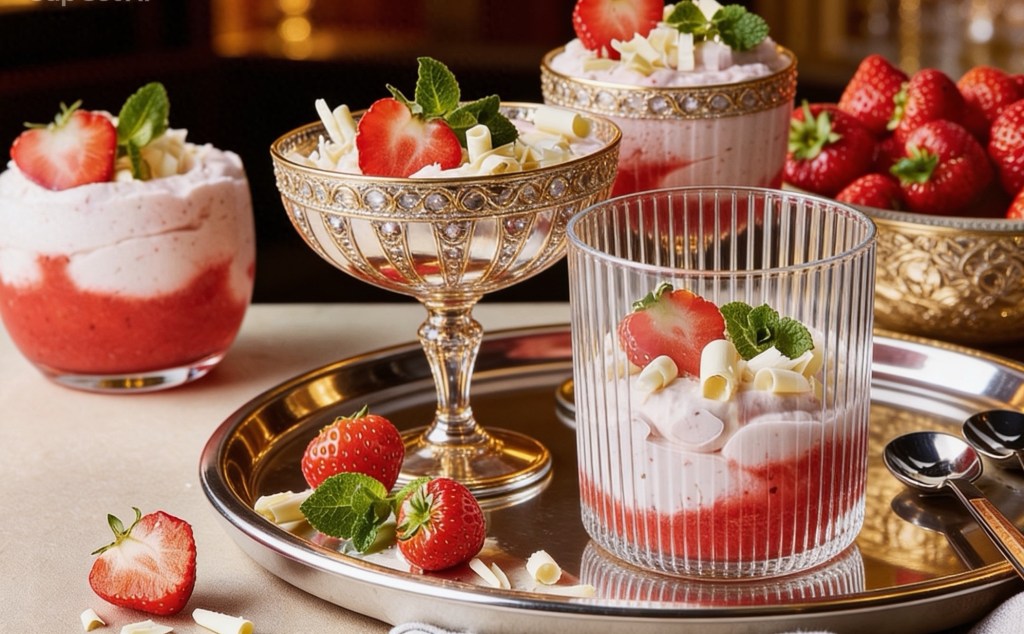
It requires only two main components, but the visual impact is just… pure patisserie drama. Meet The Ruby Strawberry Silk Cup.
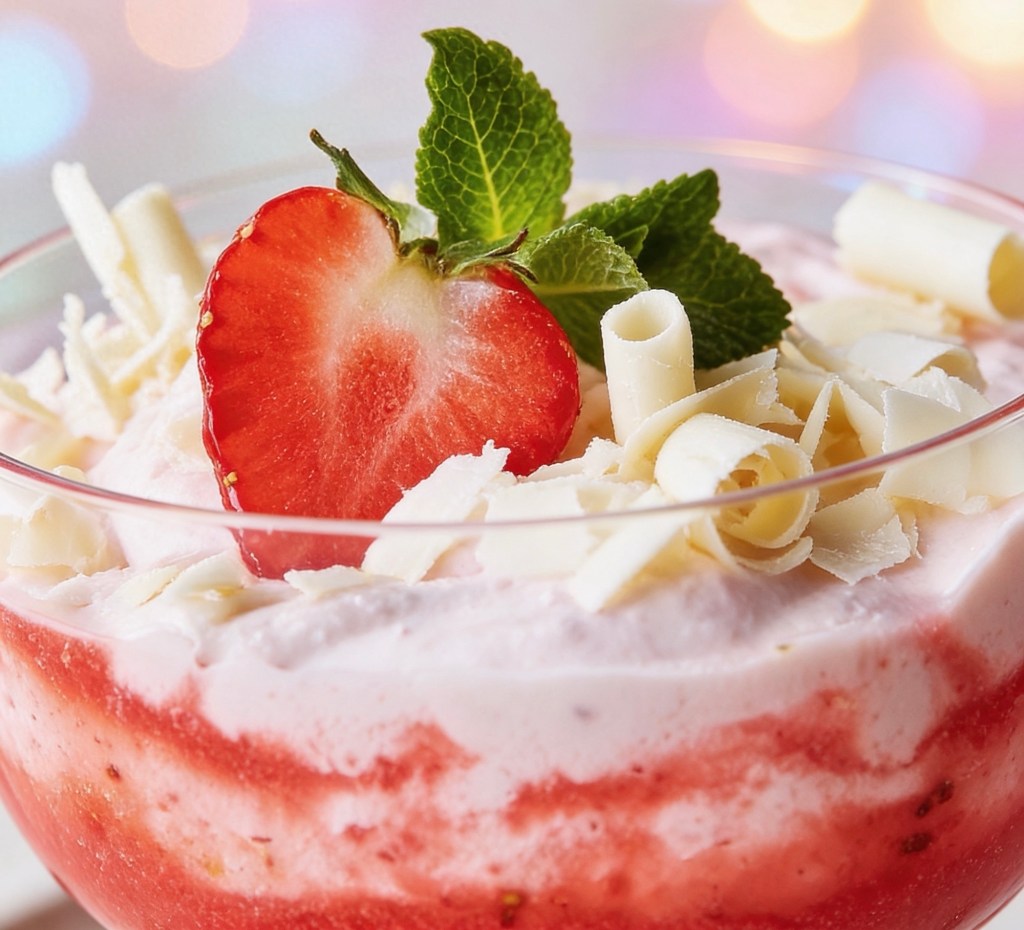
Take a look at that deep, glistening red contrast against that cloud of pink. I wanted to create something that looked entirely bespoke and high-end, but that someone could pull together in minutes (well, minus the cooling time!). This isn’t just strawberries and cream; this is strawberries and cream graduating summa cum laude.
So, what is the secret to that magnificent, two-tone finish? How does one get that incredibly bright, pure ruby red?
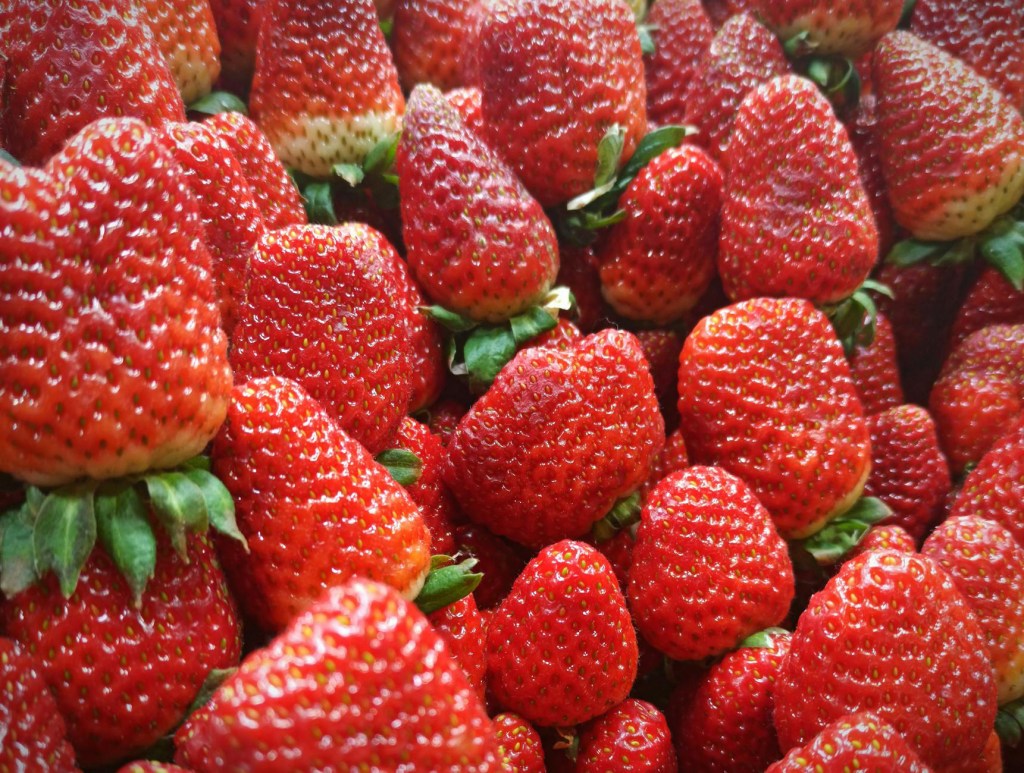
The secret is all about focusing the flavor and managing the textures. The deep, intense base isn’t just a simple fruit puree; it’s a quick, concentrated jam. I simmer fresh strawberries with a touch of moisture, allowing them to naturally break down and intensely darken. The color you see is pure strawberry magic! This provides that sharp, tart, jammy pop that defines the whole dessert.
The second part is the “silk” itself. Once that beautiful quick jam has cooled—and please, do not rush this part—we take half of that concentrated essence and fold it into soft, pillowy fresh whipped cream. This is how we achieve that incredibly light, pastel pink mousse. By not over-folding, we keep the texture velvety and airy, creating that perfect contrast.
Finally, we talk about the “bouji factor.” If you are presenting this in your favorite crystal goblets (which you should), you cannot skip the garnish:
• The Crystal: Your fanciest glass makes no this dessert feel like an event.
• The Perfect Slices: Just one perfect strawberry slice, nestled slightly.
• The Mint: A small, delicate sprig of fresh mint for that pop of color.
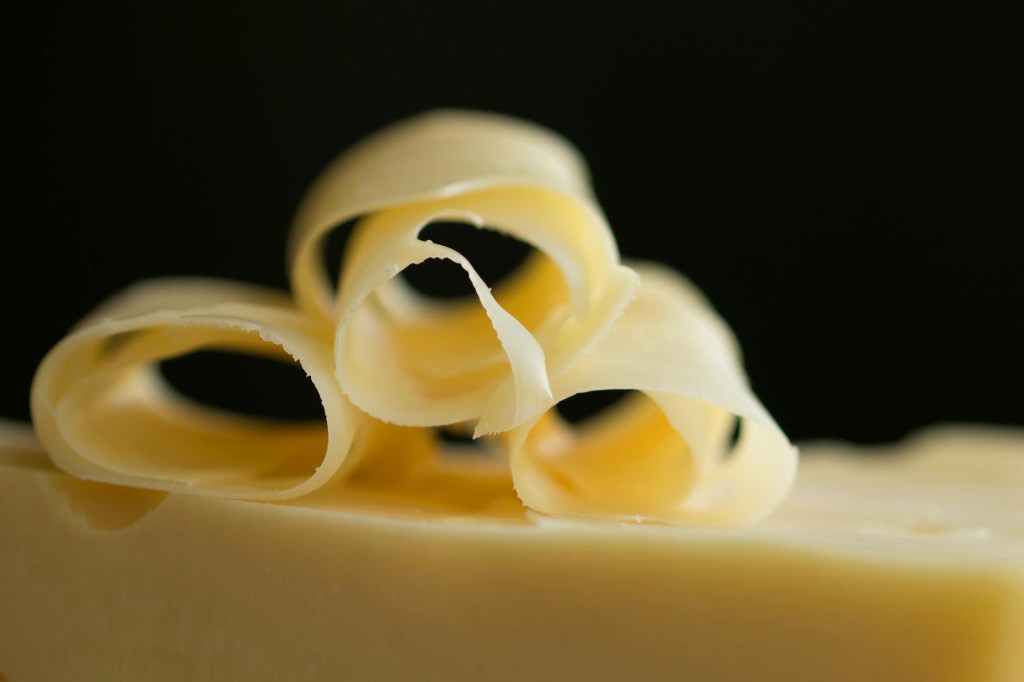
• The White Chocolate: The way those delicate white curls melt into the surface… stunning.
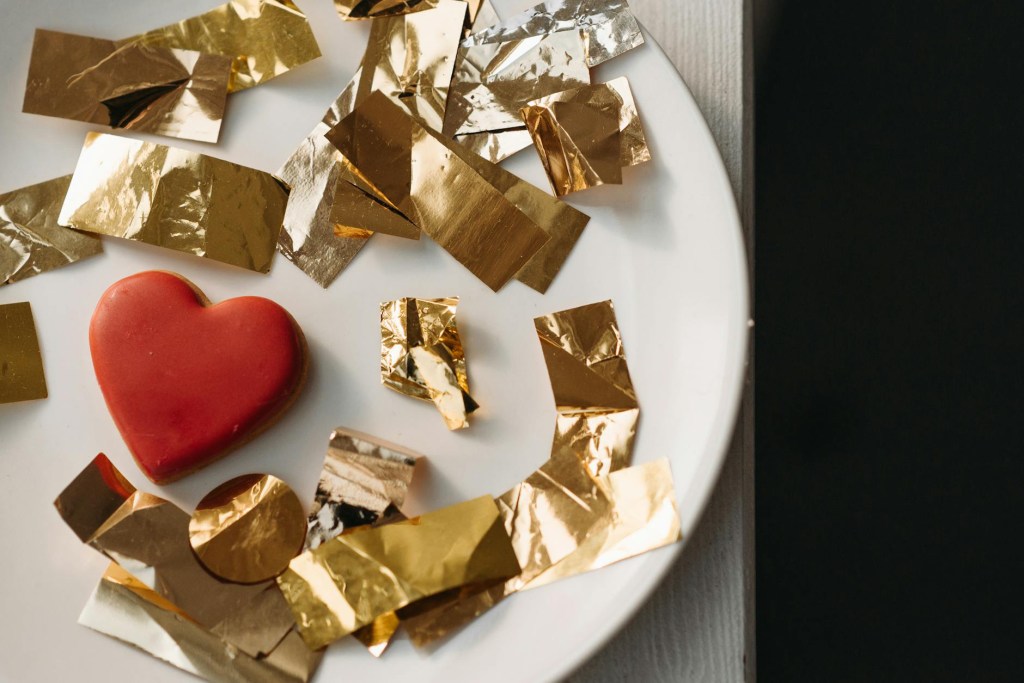
• The Gold: The non-negotiable touch is a micro-dusting of edible gold leaf. That little sparkle is what transforms this from a mousse into a masterpiece.
It’s sweet, bright, and impossibly silky. It’s perfect for a elegant dinner party or a celebratory brunch, but easy enough for a random Tuesday when you need a moment of pure, sophisticated luxury.
Give it a go (the full method is just above!) and let me know in the comments how much gold leaf you applied!