Blog

  • Creamy spinach & tomato One-Pot Pasta (Made from Scratch)

    Creamy spinach & tomato One-Pot Pasta (Made from Scratch)

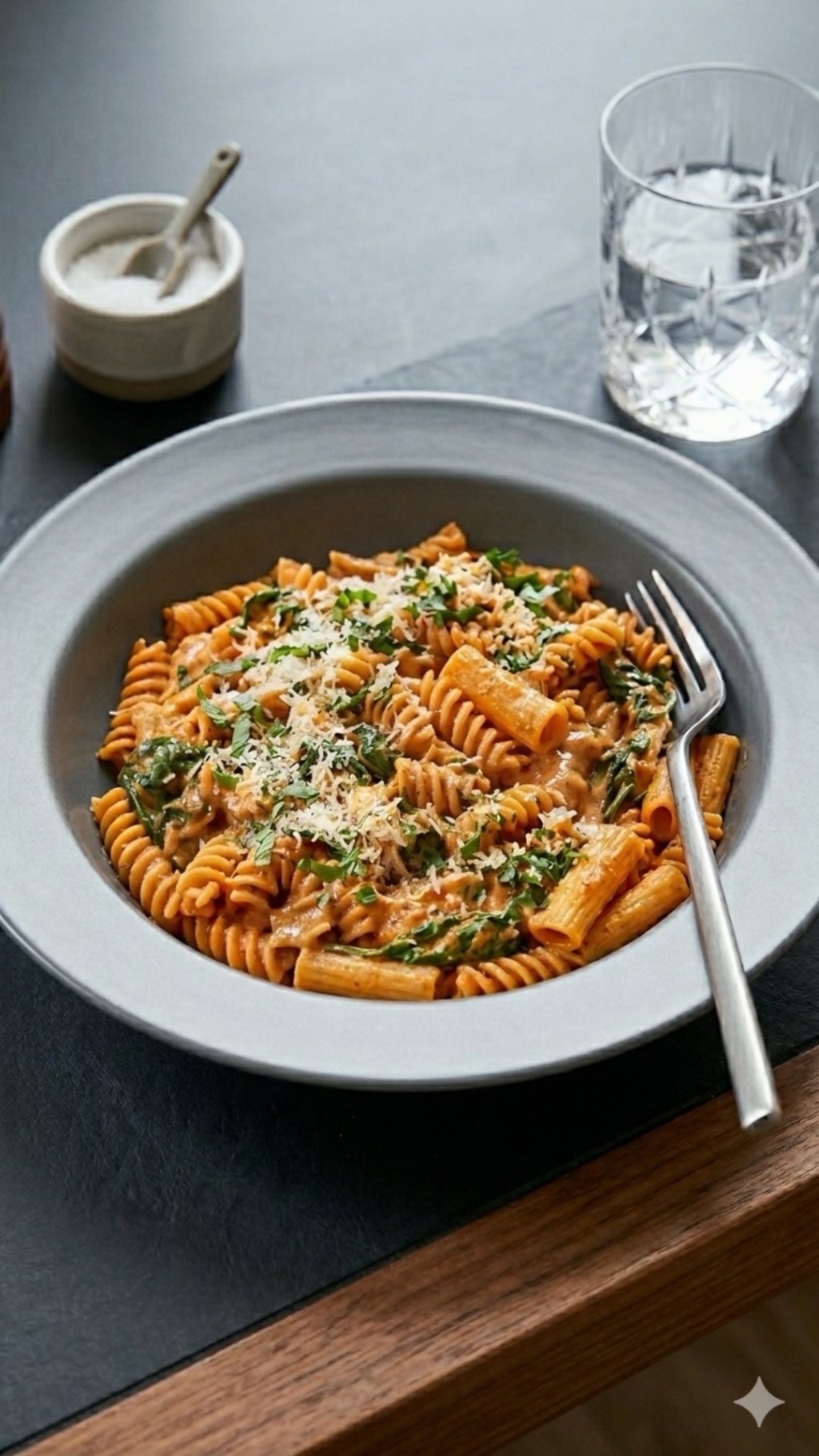
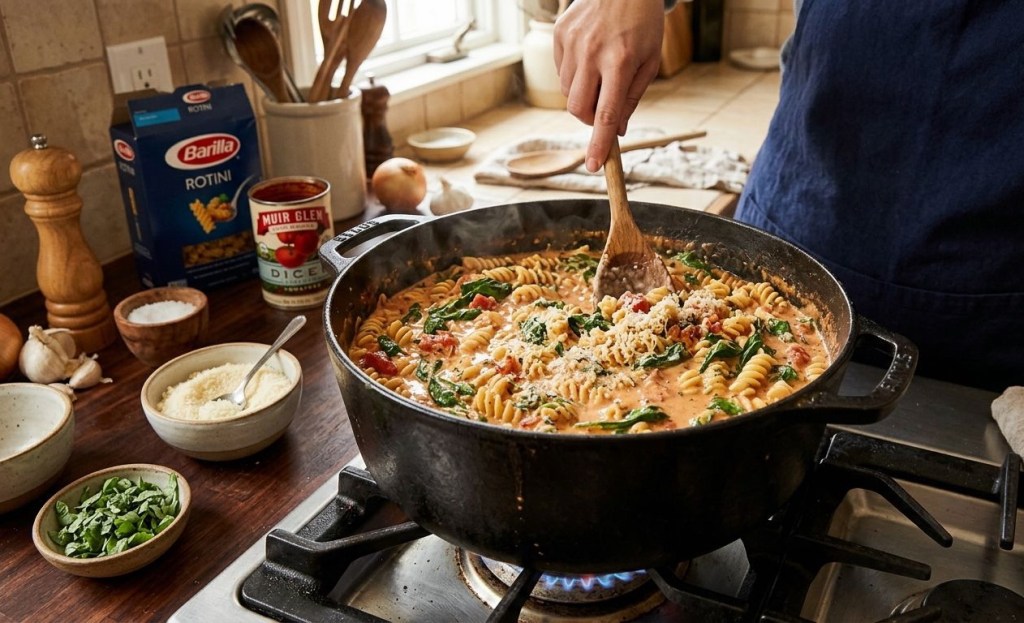
    If you are looking for the perfect quick, comforting dinner, this one-pot pasta is a total game-changer. By making the sauce from scratch, you get a much deeper, fresher flavour than any jarred sauce, and the best part? It all cooks in one single pot
    Ingredients (Serves 3)
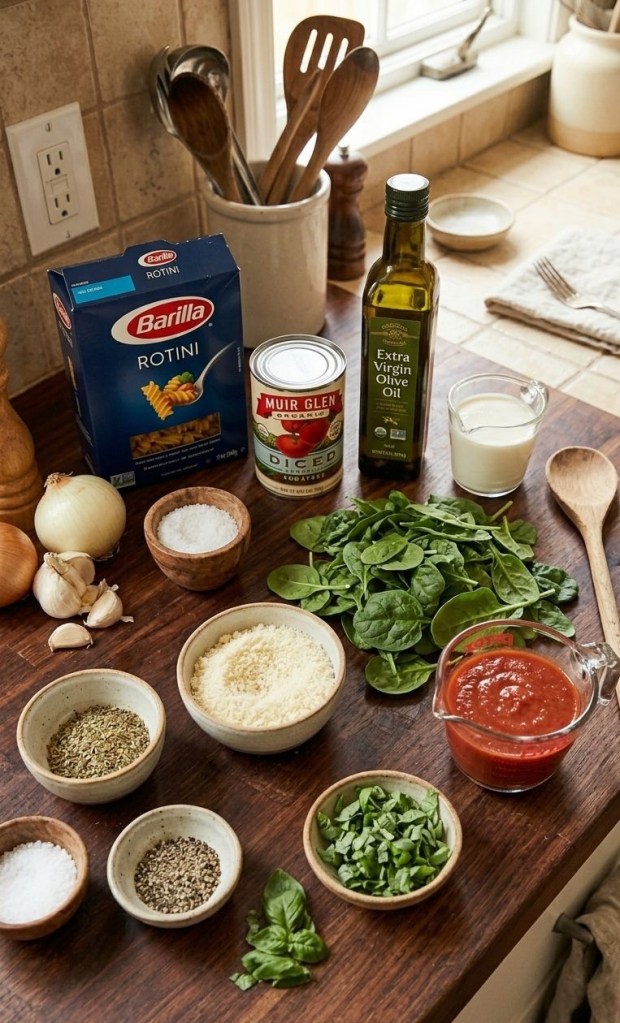
     340g Rotini pasta

     2 tins (approx. 400g each) chopped tomatoes

     1 pot (approx. 400g) Smooth tomato passata

     1 pack Fresh baby spinach

     1 bulb Garlic (approx. 4–6 cloves, minced)

     1 small White onion, finely diced

     2–3 tsp Italian seasoning

     700ml Chicken or vegetable stock

     120ml Double cream

     50g Fresh parmesan, grated

     1 handful Fresh basil, chopped

     To taste: Black pepper and sea salt

    Instructions

    1 Prepare the Sauce Base: Blend your tinned tomatoes until they reach a perfectly smooth consistency.

    2 Sauté the Aromatics: Heat a splash of olive oil in a large pot over medium heat. Sauté the onion and garlic until soft and fragrant.

    3 Combine: Add the blended tomatoes, passata, Italian seasoning, and stock to the pot. Stir well to combine.

    4 Cook the Pasta: Add the dry Rotini to the liquid. Bring to a gentle boil, then turn the heat down and simmer for 13–15 minutes, or until the pasta is al dente.

    5 The Creamy Finish: Lower the heat. Stir in the double cream and parmesan until the sauce is velvety and glossy.

    6 Wilt & Serve: Fold in the fresh baby spinach until wilted. Remove from the heat, stir in the fresh basil, and serve immediately with an extra sprinkle of parmesan.
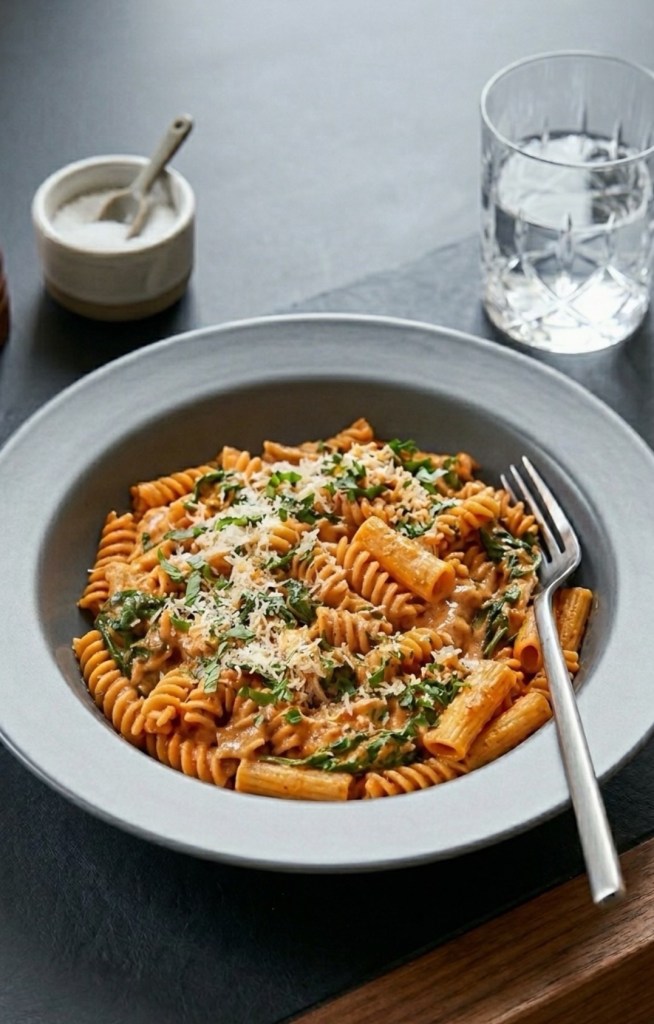
    This dish is truly the ultimate comfort food, bringing together the vibrant freshness of tomatoes and the silky luxury of double cream in a meal that feels both wholesome and indulgent. Whether you are whipping it up for a quick weeknight dinner or sharing a cozy bowl with friends, this one-pot wonder is sure to become a staple in your kitchen. So, grab your favourite pot, pour yourself a glass of something nice, and enjoy the perfect balance of garlic, basil, and creamy parmesan in every delicious, satisfying bite!
  • High-Protein Creamy Basil Spaghetti

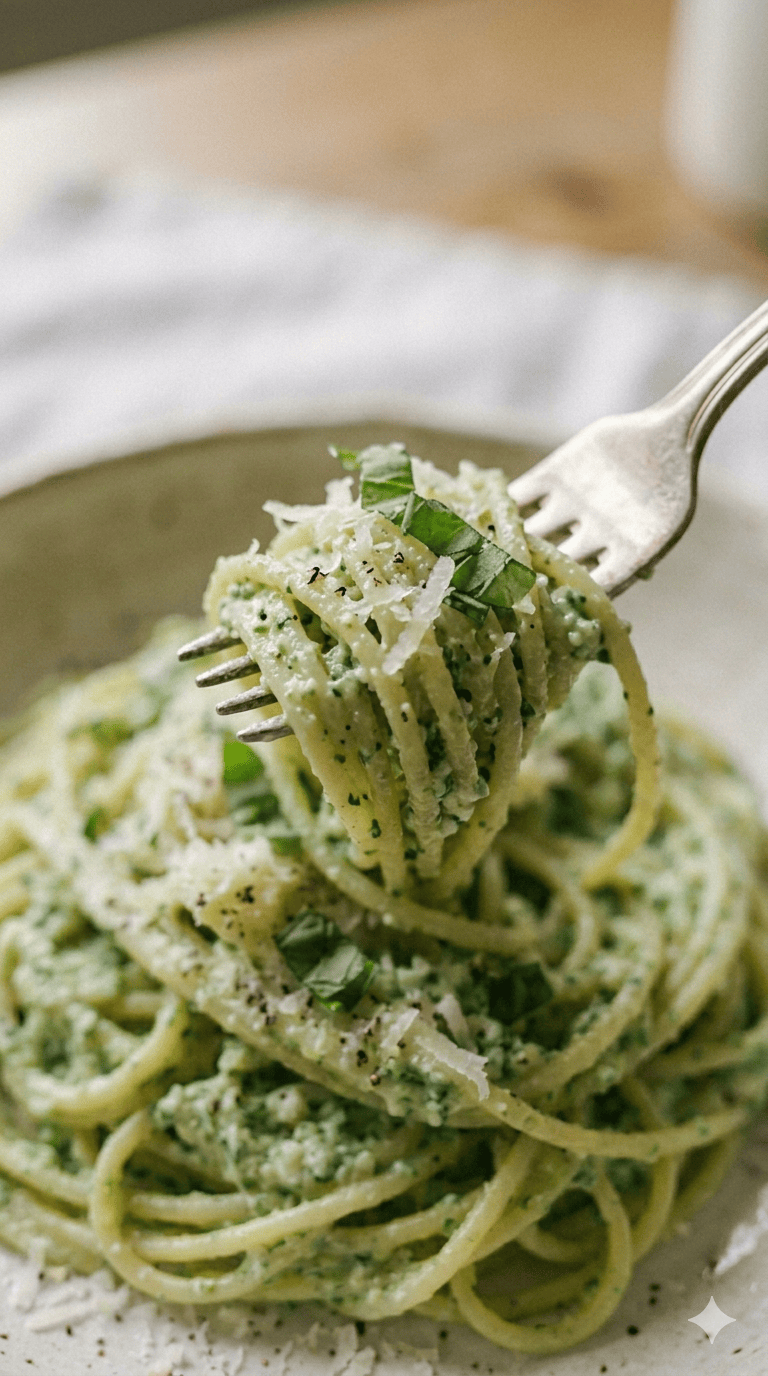
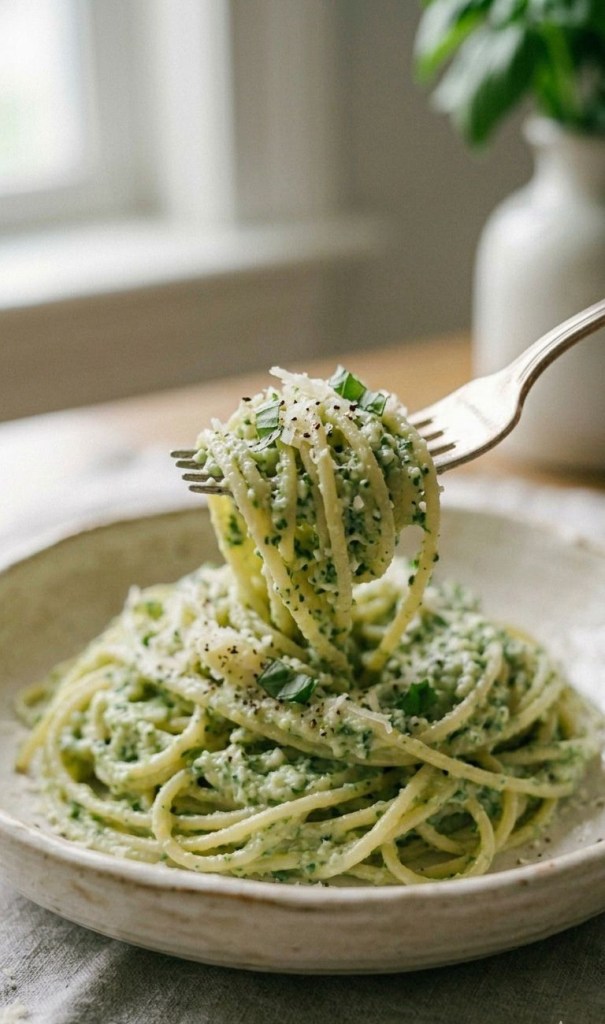
    High-Protein Creamy Basil Spaghetti

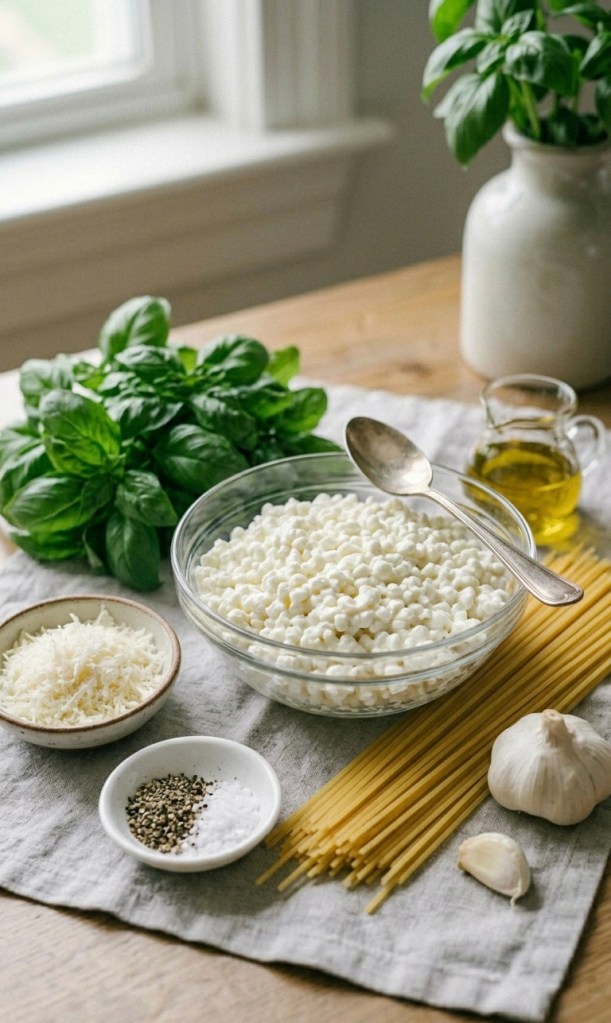
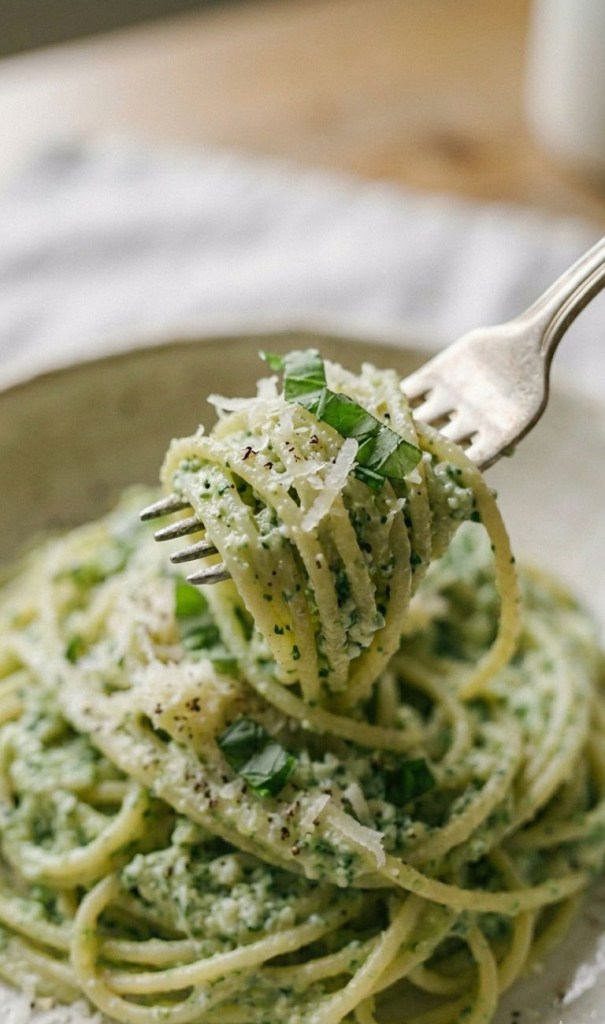
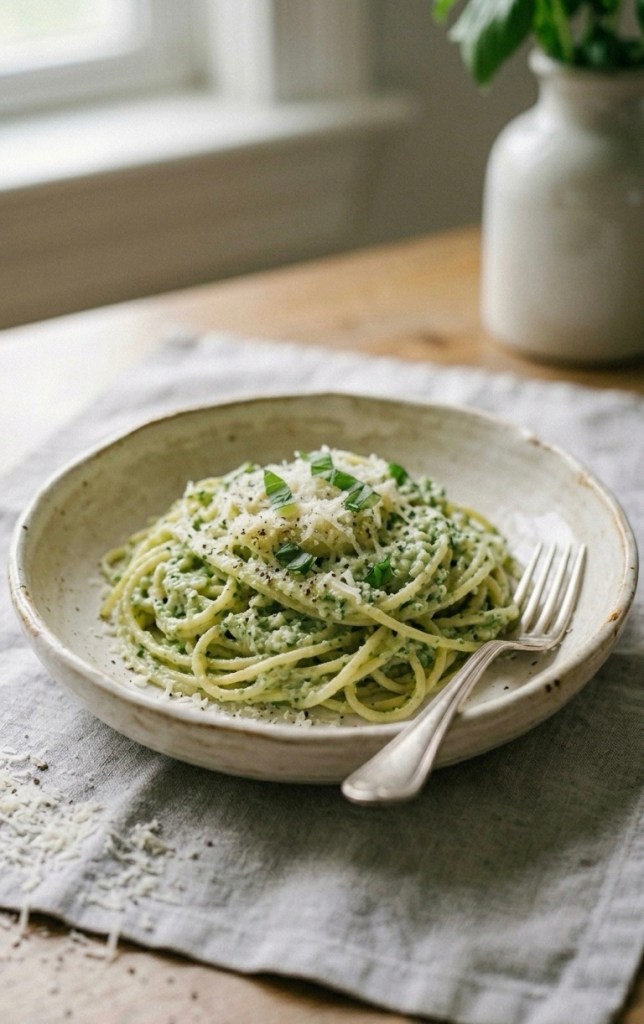
    Looking for a healthier way to satisfy those pasta cravings? This creamy basil cottage cheese pasta is a total game-changer. By blending cottage cheese, you get a velvety, protein-packed sauce without the need for heavy cream or complex ingredients.

    It’s quick, delicious, and perfect for a simple weeknight dinner.

    Ingredients

     225g spaghetti

     250g cottage cheese (full-fat or 2% works best for creaminess)

     1 cup fresh basil, packed

     1 clove garlic

     30g parmesan cheese, freshly grated

     1 tbsp olive oil

     Salt, pepper, and chilli flakes (to taste)

     Pasta water (reserved from boiling)

    Method

    1 Boil the Pasta: Bring a large pan of salted water to the boil. Cook your spaghetti until al dente. Crucially, reserve 120ml of the starchy pasta water before draining.

    2 Blend the Sauce: While the pasta cooks, add the cottage cheese, fresh basil, garlic, parmesan, and olive oil to a blender or food processor. Blend until the mixture is completely smooth.

    3 Combine: Drain the pasta and return it to the pan (ensure the heat is turned off). Pour your blended sauce over the hot spaghetti.

    4 Emulsify: Add a splash (about 2–3 tbsp) of the reserved hot pasta water to the pan. Toss the spaghetti vigorously. The heat and starch from the water will transform the mixture into a silky, glossy coating. Add more pasta water a tablespoon at a time until you reach your preferred consistency.

    5 Serve: Season with salt, pepper, and a pinch of chilli flakes. Serve immediately, topped with a few fresh basil leaves and an extra sprinkling of parmesan.

    Pro-Tips for Success

     Mind the Heat: Cottage cheese can become grainy if overheated. Always blend the sauce cold and only add it to the pasta once the pan is off the heat.

     Room Temperature: If you have time, let the cottage cheese sit out for 10–15 minutes before blending; it achieves a much smoother consistency at room temperature.

     Customise It: Want more greens? Add a handful of spinach into the blender. For more depth, throw in some sun-dried tomatoes or browned sausage.

    Do you have a favourite high-protein pasta hack? Let me know in the comments below!

  • Classic Victoria Sponge: A Traditional British Afternoon Tea Cake

    Classic Victoria Sponge: A Traditional British Afternoon Tea Cake


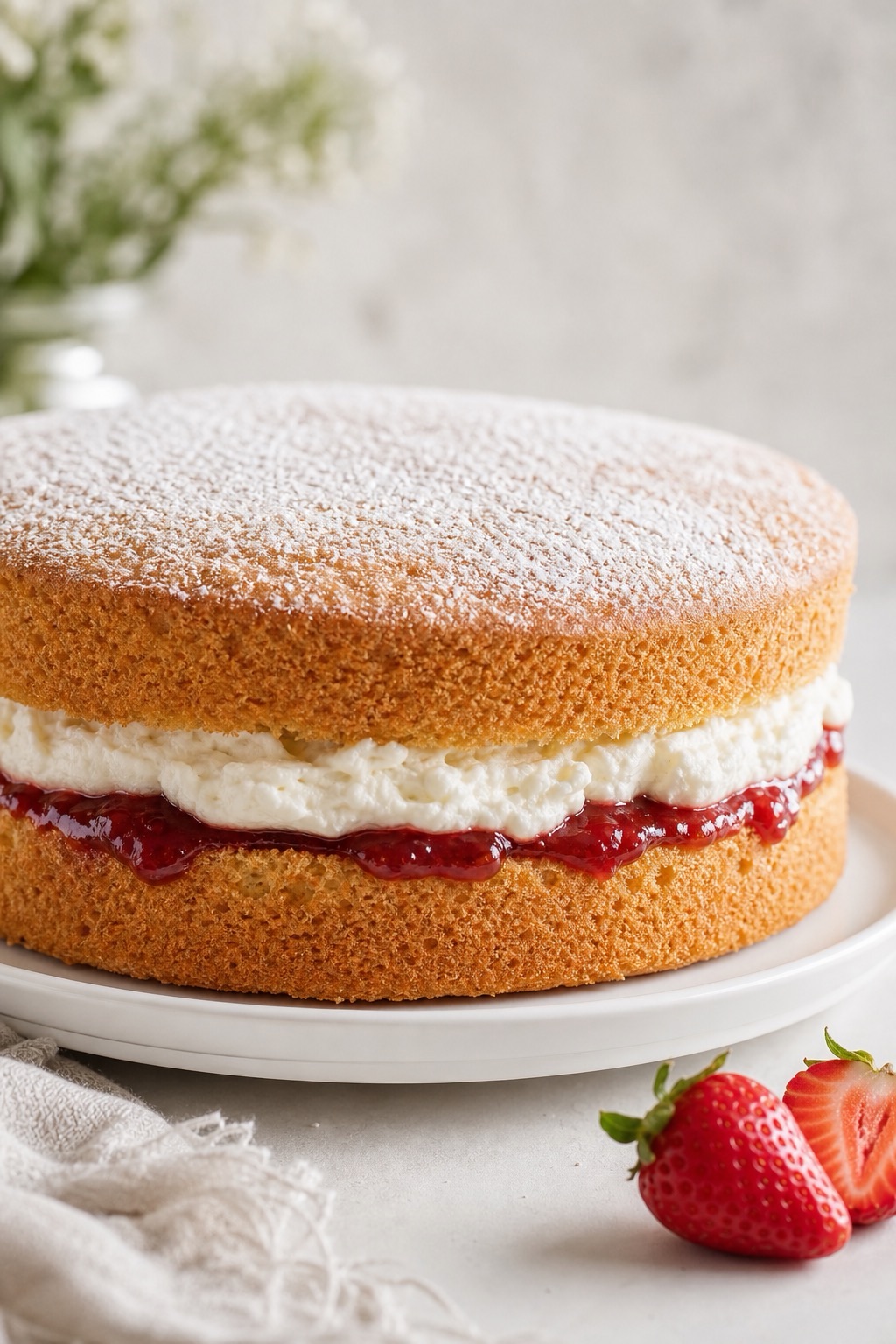
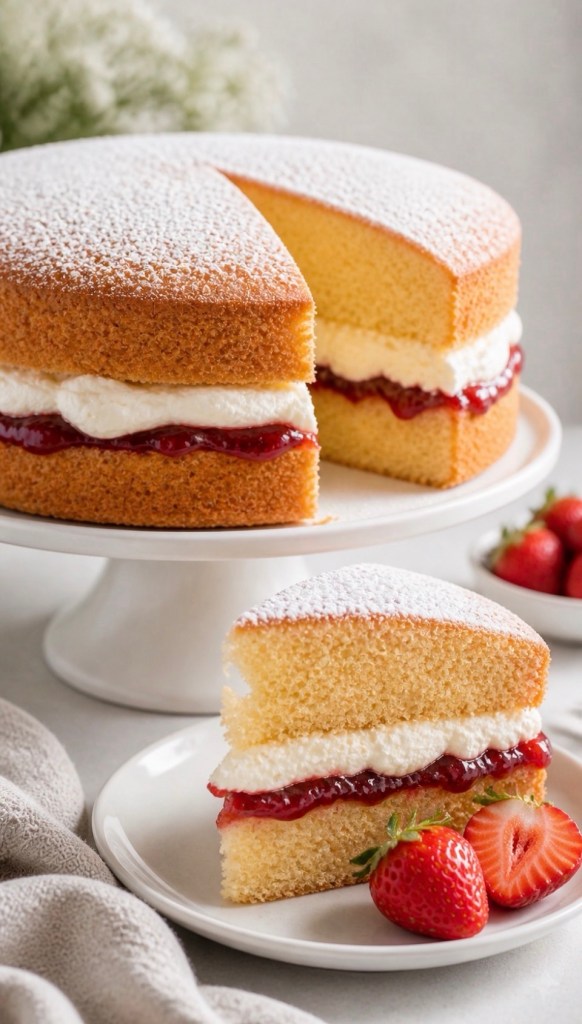
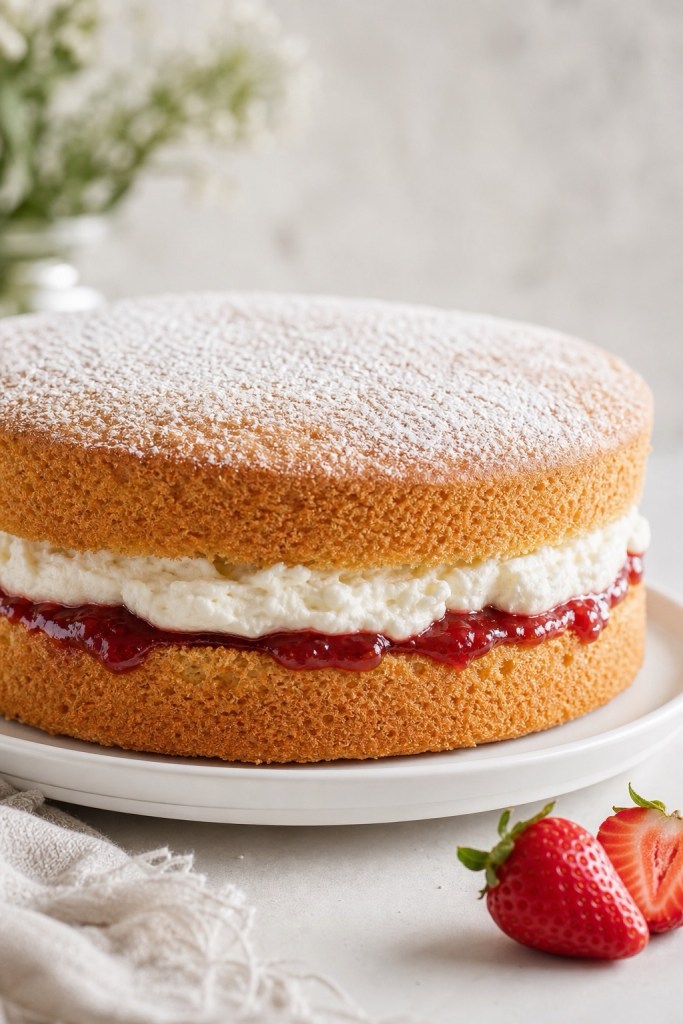
    There’s something wonderfully nostalgic about a classic Victoria sponge cake – light golden layers, a generous spread of strawberry jam, and soft clouds of cream, all finished with a delicate dusting of icing sugar.

    It’s simple, elegant, and feels like a warm invitation to sit down with a proper cup of tea.

    This version uses both UK and US measurements, so no matter where you’re baking from, you can follow along easily. It’s a brilliant go‑to recipe for afternoon tea, birthdays, or whenever you fancy a traditional British bake that never goes out of style.

    What Is a Victoria Sponge?
    A Victoria sponge (or Victoria sandwich) is a traditional British cake made from two layers of vanilla sponge, sandwiched together with jam and often whipped cream. It’s named after Queen Victoria, who was said to enjoy a slice with her afternoon tea.

    What makes it special is its simplicity. There’s no heavy frosting or elaborate decoration – just soft, buttery sponge, a bright layer of jam, and a creamy filling. When you cut into it and see those neat layers, it just feels like home on a plate.

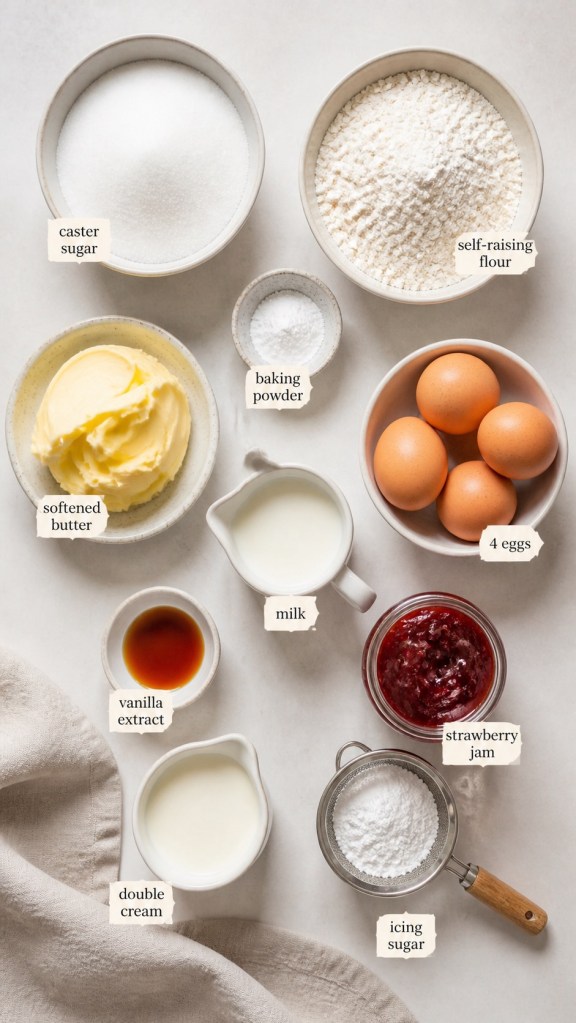
    Ingredients (UK & US Measurements)
    This recipe makes one 20 cm / 8‑inch two‑layer cake.


    For the sponge
    • 200 g caster sugar (1 cup superfine sugar)
    • 200 g unsalted butter, softened (14 tbsp / 1 ¾ sticks)
    • 4 medium eggs (UK) or 4 large eggs (US)
    • 200 g self‑raising flour (1 ⅔ cups self‑rising flour)
    • 1 tsp baking powder
    • 2–3 tbsp milk (2–3 tbsp whole milk), as needed for consistency
    • 1 tsp vanilla extract
    For the filling
    • 200 g strawberry jam (about ¾ cup)
    • 150 ml double cream, whipped (⅔ cup heavy or whipping cream, whipped)
    • Icing sugar (powdered sugar) for dusting the top
    Equipment
    • Two 20 cm sandwich tins (two 8‑inch cake pans)
    • Baking paper (parchment) for lining

    • Mixing bowl, electric mixer, spatula, wire rack

    Step‑by‑Step Method

    1. Prepare your tins and oven
      Preheat your oven to 180°C (160°C fan) / 350°F.
      Grease the bases and sides of your two 20 cm / 8‑inch tins, then line the bases with baking paper.

    Taking a moment to line the tins properly really helps the sponges rise evenly and release cleanly, which is especially important if you want neat layers for photos or video.

    1. Cream the butter and sugar
      In a large mixing bowl, beat the softened butter and caster sugar together until very pale and fluffy. This usually takes around 3–4 minutes with an electric hand mixer or a stand mixer.

    This step is key: creaming properly incorporates air into the mixture and gives you that light, soft crumb that makes a Victoria sponge so lovely to eat.

    1. Add the eggs and vanilla
      Add the eggs one at a time, beating well after each addition so the mixture stays smooth. If it starts to look a little curdled, you can mix in a spoonful of the flour to bring it back together.

    Stir in the vanilla extract. It adds a gentle sweetness that lifts the flavour without overpowering the jam and cream.

    1. Fold in the dry ingredients
      Sift the self‑raising flour and baking powder together, then gently fold them into the bowl using a spatula or large metal spoon.

    Add the milk a tablespoon at a time until the batter reaches a soft “dropping” consistency – when you lift the spoon, the mixture should fall off slowly in dollops rather than running or sticking.

    1. Bake the sponges
      Divide the batter evenly between the two prepared tins and level the tops so they bake flat.

    Bake in the preheated oven for 20–25 minutes, or until the sponges are risen, lightly golden and a skewer inserted into the centre comes out clean. Try not to open the oven door too early, as that can cause the cakes to sink.

    1. Cool completely
      Leave the cakes in their tins for about 5 minutes, then carefully turn them out onto a wire rack. Peel away the baking paper and allow the sponges to cool completely.

    If the cakes are even slightly warm when you add the filling, the cream can melt and the top layer may slide, so cooling fully is worth the wait.

    1. Fill with jam and cream
      Once the sponges are fully cool, place one layer upside down on your serving plate or cake pedestal.
      • Spread an even layer of strawberry jam over the base.
      • Whip the double cream to soft peaks and spoon it over the jam, spreading gently towards the edges.

    Carefully place the second sponge on top, right‑side up, and try not to press down too firmly so you don’t squeeze out all the filling.

    1. Finish and serve
      Just before serving, sift a light dusting of icing sugar over the top of the cake.

    Slice with a sharp knife to reveal the layers of sponge, jam and cream. This is the perfect moment for a close‑up photo or video: one slice on a small plate in front, showing off the crumb and filling, with the rest of the cake proudly on its pedestal behind.

    Tips for the Perfect Victoria Sponge
    • Use room‑temperature ingredients: Butter and eggs blend more easily and help create a smoother, lighter batter.
    • Don’t overmix once the flour goes in: Gentle folding keeps the sponge tender and prevents it turning dense.
    • Measure accurately: For sponge cakes, weighing ingredients (especially flour and sugar) makes a big difference to the final texture.
    • Watch the bake time: Start checking from around 20 minutes; over‑baked sponge will feel dry rather than soft and springy.

    • Serve fresh: This cake is best on the day it’s filled, when the sponge is soft and the cream is fresh and light.

    Variations on This Traditional British Cake
    Once you’re comfortable with the classic, you can easily play with a few variations:
    • Swap strawberry jam for raspberry, cherry or mixed berry jam.
    • Add a handful of fresh sliced strawberries to the filling for extra colour and texture.
    • Use vanilla buttercream instead of whipped cream if the cake needs to sit out for a while or travel.

    • Add a little lemon zest to the sponge for a subtle citrus twist.

    Perfect for Afternoon Tea – And Social Media
    This classic Victoria sponge is ideal for afternoon tea, family celebrations or a simple weekend treat. It also happens to be incredibly photogenic, especially when you show off the crumb and layers in a close‑up slice.
    If you share your bake on social media, let people know whether you’re team “jam only” or “jam and cream” and invite them to vote in the comments – it’s a fun way to spark conversation around this traditional British favourite

  • Fearne Cotton–Inspired Sri Lankan Veggie Curry (UK & US Measurements)

    Fearne Cotton–Inspired Sri Lankan Veggie Curry (UK & US Measurements)


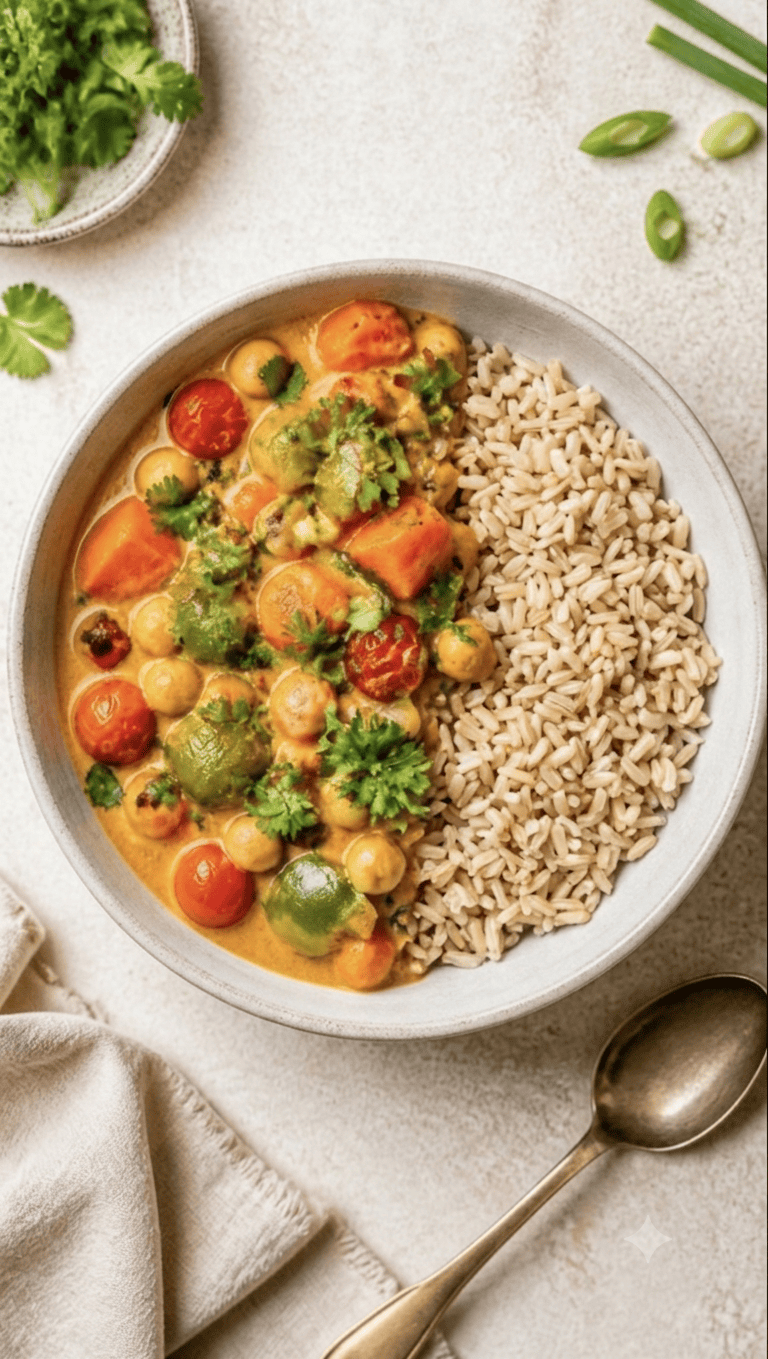
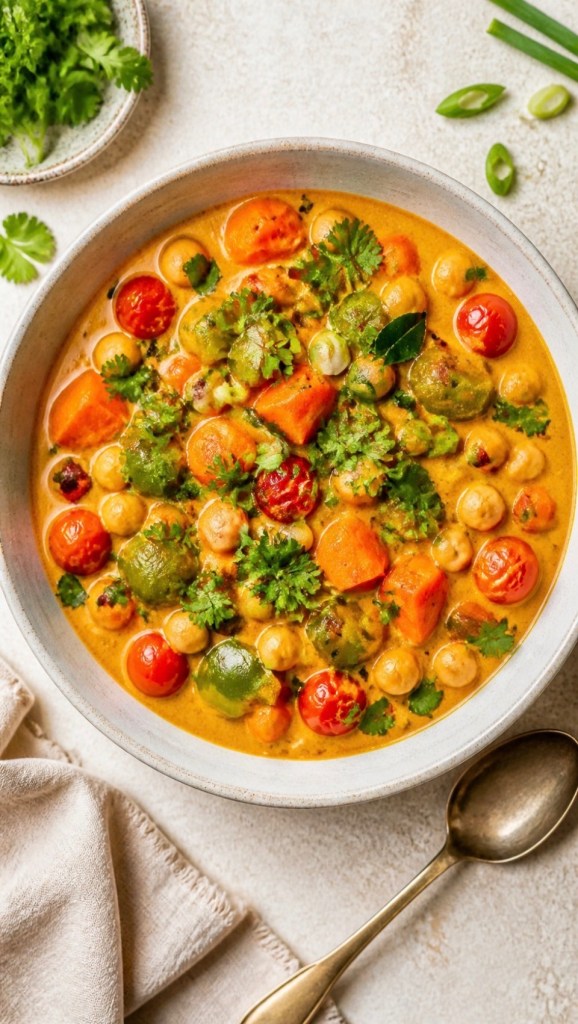
    If you love a cosy curry night but still want dishes that feel light, colourful and health‑conscious, this Fearne Cotton–inspired Sri Lankan vegetable curry is a gorgeous option. It’s rich with warming spices, mellowed with creamy coconut milk and packed with vibrant veg that make it look as good as it tastes.

    This is one of those recipes that works for busy weeknights, gentle batch cooking, or a relaxed Friday curry night at home. It’s naturally dairy‑free, easy to keep vegetarian, and you can add chunks of white fish like cod if you’d like the extra protein while still keeping things on the lighter side.

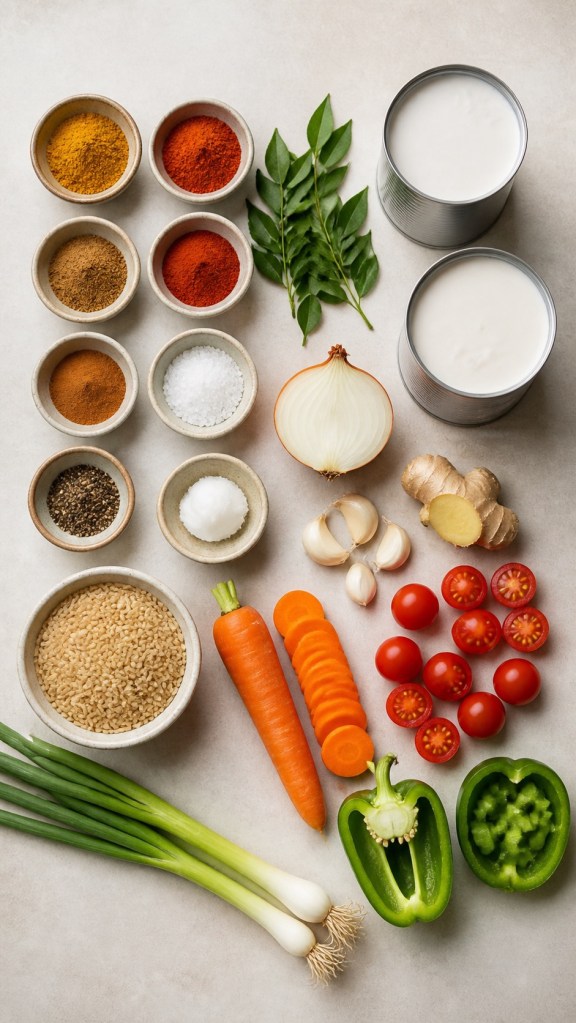
    Everything you need for a Fearne Cotton–inspired Sri Lankan vegetable curry.

    Ingredients (serves 3–4)

    1½ tbsp coconut oil or vegetable oil (about 20 ml / 1½ tbsp)
    10 fresh curry leaves (optional, but lovely if you can get them)
    1 medium onion, finely chopped (about 150 g / 1 cup)
    5 cm piece fresh ginger, finely grated (about 25 g / 2 tbsp)
    4–5 cloves garlic, crushed
    ½ tsp ground cinnamon
    1½ tbsp mild curry powder (about 15 g / 1½ tbsp)
    ½ tsp chilli powder (or to taste)
    1 tsp garam masala
    1 tsp sweet smoked paprika
    16 cherry tomatoes, halved (about 200 g / 1½ cups)
    2 × 400 ml tins full‑fat coconut milk (about 800 ml / 3⅓ cups)
    2 medium carrots, thinly sliced into rounds (about 160 g / 1½ cups)
    1 green pepper (capsicum), deseeded and chopped into bite‑size pieces (about 120 g / 1 cup)
    Sea salt and black pepper, to taste
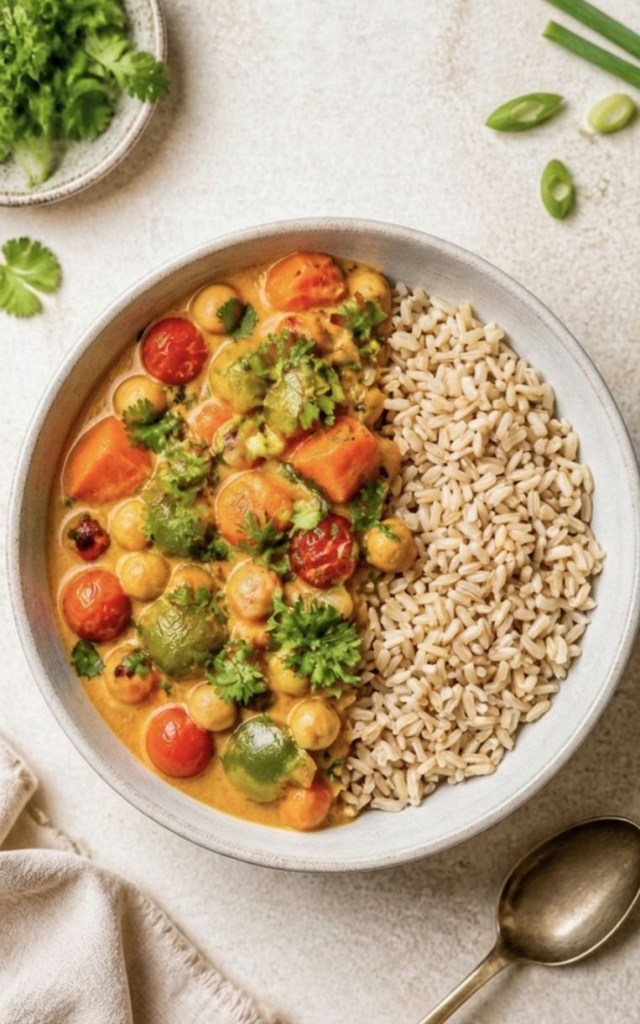
    Cooked brown rice to serve (about 75–80 g dry / ⅓ cup dry per person)
    2 spring onions (scallions), finely sliced, to serve
    Optional protein add‑in:
    200 g cod or other firm white fish, cut into chunks (about 7 oz)
    Optional vegan protein swap:

    1 × 400 g tin chickpeas, drained and rinsed (about 1½ cups)

    Method
    Heat the oil in a large frying pan or wide saucepan over a medium heat. Add the curry leaves and let them fry for 2–3 minutes until fragrant.
    Stir in the chopped onion and grated ginger. Cook for about 5 minutes, stirring occasionally, until the onion softens and turns translucent.
    Add the crushed garlic and cook for 1 minute, just until fragrant.
    Sprinkle in the ground cinnamon, mild curry powder, chilli powder, garam masala and smoked paprika. Stir for 1–2 minutes so the spices lightly toast and release their aroma.
    Add the halved cherry tomatoes with a pinch of sea salt and black pepper. Cook for a couple of minutes until the tomatoes start to soften and release their juices.
    Pour in the coconut milk, then add the sliced carrots and chopped green pepper. Bring everything up to the boil, then reduce to a gentle simmer.
    Simmer for 20–25 minutes, stirring now and then, until the vegetables are tender and the sauce has thickened slightly.
    If you’re using cod, gently stir the chunks into the curry for the last 5 minutes of cooking, until just cooked through and flaky. For a vegan version, stir in the chickpeas for the last 5–10 minutes so they warm through in the sauce.
    Taste and adjust the seasoning with more salt, pepper or chilli if you like extra heat.

    Serve the curry over cooked brown rice and finish with a sprinkle of sliced spring onion on top.

    Tips, swaps and serving ideas
    Make it fully vegan by skipping the fish and using chickpeas or tofu instead for a plant‑based protein boost.
    Add a handful of spinach or shredded kale in the last few minutes for extra colour and nutrients.
    This curry keeps well in the fridge for 2–3 days and the flavours deepen by the next day, so it’s ideal for lunch prep.

    Keep the spice level gentle for family meals, or add extra chilli powder or fresh chilli at the end if you prefer more heat.

  • The Ultimate 2-Minute Berry Swirl Smoothie: Your New Breakfast Obsession

    The Ultimate 2-Minute Berry Swirl Smoothie: Your New Breakfast Obsession

    If you’re anything like me, your mornings are a frantic dash between finding your keys, answering emails, and trying to look presentable before your first meeting. Breakfast often ends up being an afterthought—or worse, a sad slice of toast on the go.

    But what if I told you that you could have a café-quality, nutrient-packed breakfast in exactly two minutes?

    Meet the Berry Swirl Smoothie. It’s creamy, vibrant, and looks so good you’ll want to post it on your story immediately. Plus, it uses simple ingredients you likely already have in your kitchen.

    Why You’ll Love It

     It’s Fast: It takes about 120 seconds to blend and pour.

     It’s Aesthetic: That layered look? It’s not just for professional food bloggers—it’s actually incredibly easy to achieve.

     It’s Good for You: It’s a perfect balance of fruit, protein, and natural sweetness to fuel your morning.

    What You’ll Need

    Head to your local supermarket and grab these bits:

    For the Berry Base:

     150g frozen mixed berries

     60ml semi-skimmed milk

     A small drizzle of honey

    For the Cream Layer:

     120g frozen banana chunks

     60ml semi-skimmed milk

     A drop of vanilla essence (optional, but highly recommended!)

    The Method

    1 Blend the Berries: Combine your frozen berries, milk, and honey in your blender. Blitz until smooth. Pour this mixture into your favourite tall glass—the ribbed ones look amazing on camera!

    2 Make the Cream: Give your blender a quick rinse (no need to be perfect!), then add the frozen banana, remaining milk, and vanilla essence. Blend until it’s thick, creamy, and mousse-like.

    3 The Swirl: Carefully pour the cream layer over the berry layer. Take a long spoon and gently drag it through the middle to create that beautiful “marble” effect.

    4 Top it Off: Garnish with a few fresh berries and a sprig of mint for that professional finish. Use a glass straw to keep the look clean and sustainable.

    Ready to elevate your breakfast?

    This smoothie is my go-to when I need to feel like I’ve got my life together, even on a Monday morning. It’s light, refreshing, and tastes like an absolute treat.

    Have you tried making a layered smoothie before? Or do you have a go-to secret ingredient that makes your morning shake extra special? Let me know in the comments below!

    Enjoyed this post? Don’t forget to share it with a friend who’s always rushing their breakfast!

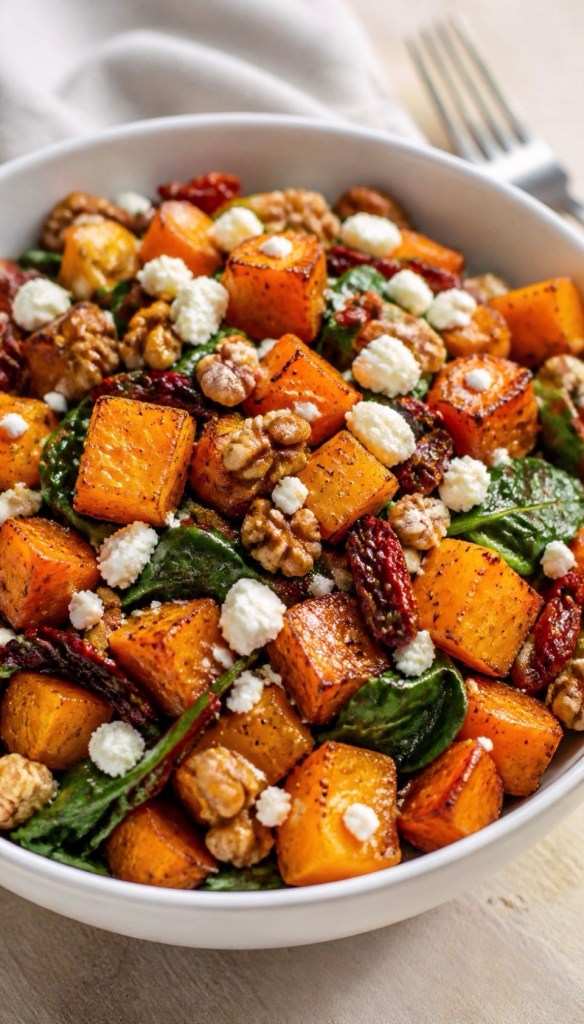
  • Warm Butternut Squash & Sweet Potato Salad (High-Protein, Cosy & Easy)

    Warm Butternut Squash & Sweet Potato Salad (High-Protein, Cosy & Easy)


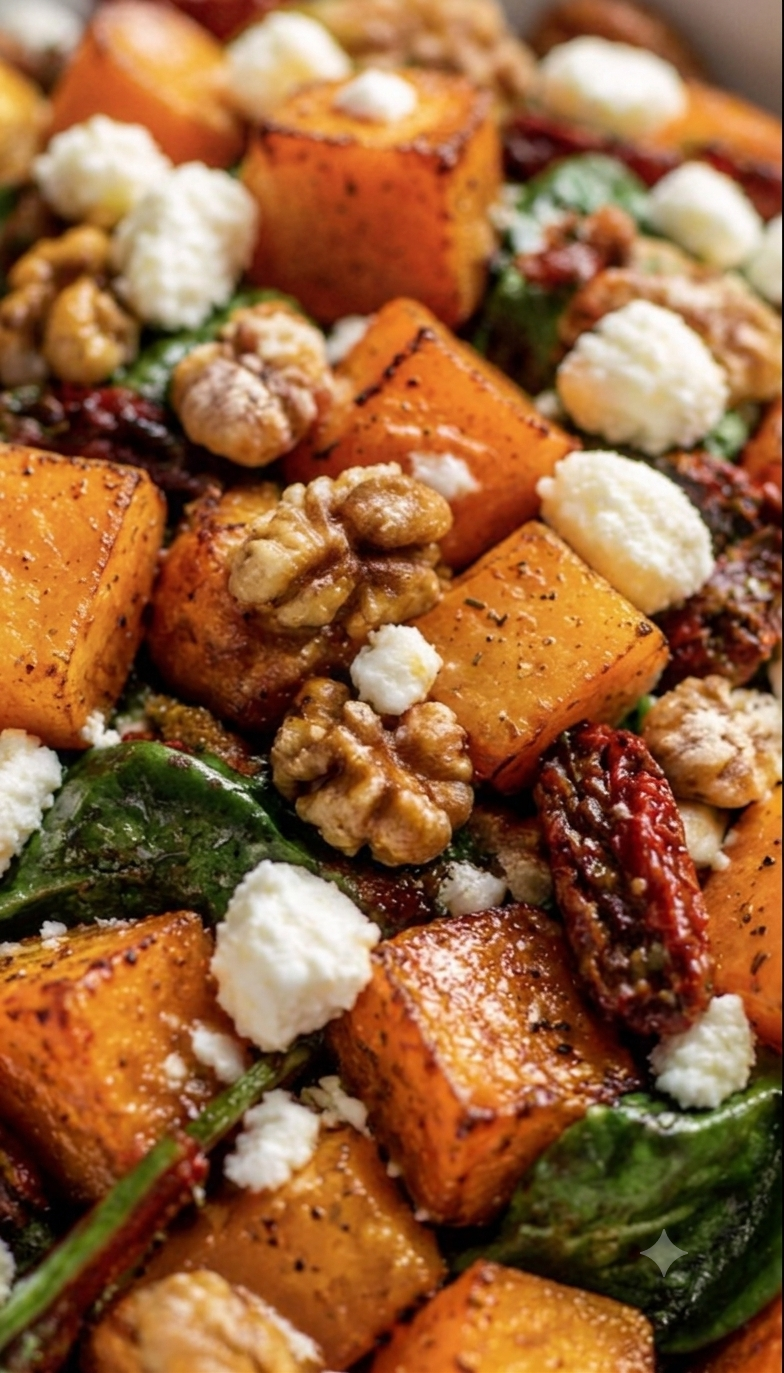
    If you love a cosy bowl of food that still feels light and nourishing, this warm butternut squash and sweet potato salad is for you. It’s packed with colour, fibre and healthy fats, with a good hit of protein from the feta and walnuts.

    I’ve been making a version of this salad for years, and it’s one of those recipes that feels just as at home on a busy weeknight as it does on a relaxed Sunday lunch. Serve it as a main for two, or as a side dish for three to four people.

    Why you’ll love this recipe
    • Warm and satisfying – roasted squash and sweet potato make this much more filling than a “normal” salad.
    • High in protein and healthy fats – feta and walnuts keep you fuller for longer.
    • Simple ingredients – everything is easy to find in UK supermarkets.

    • Flexible – works as a main, side dish, or meal-prep bowl.

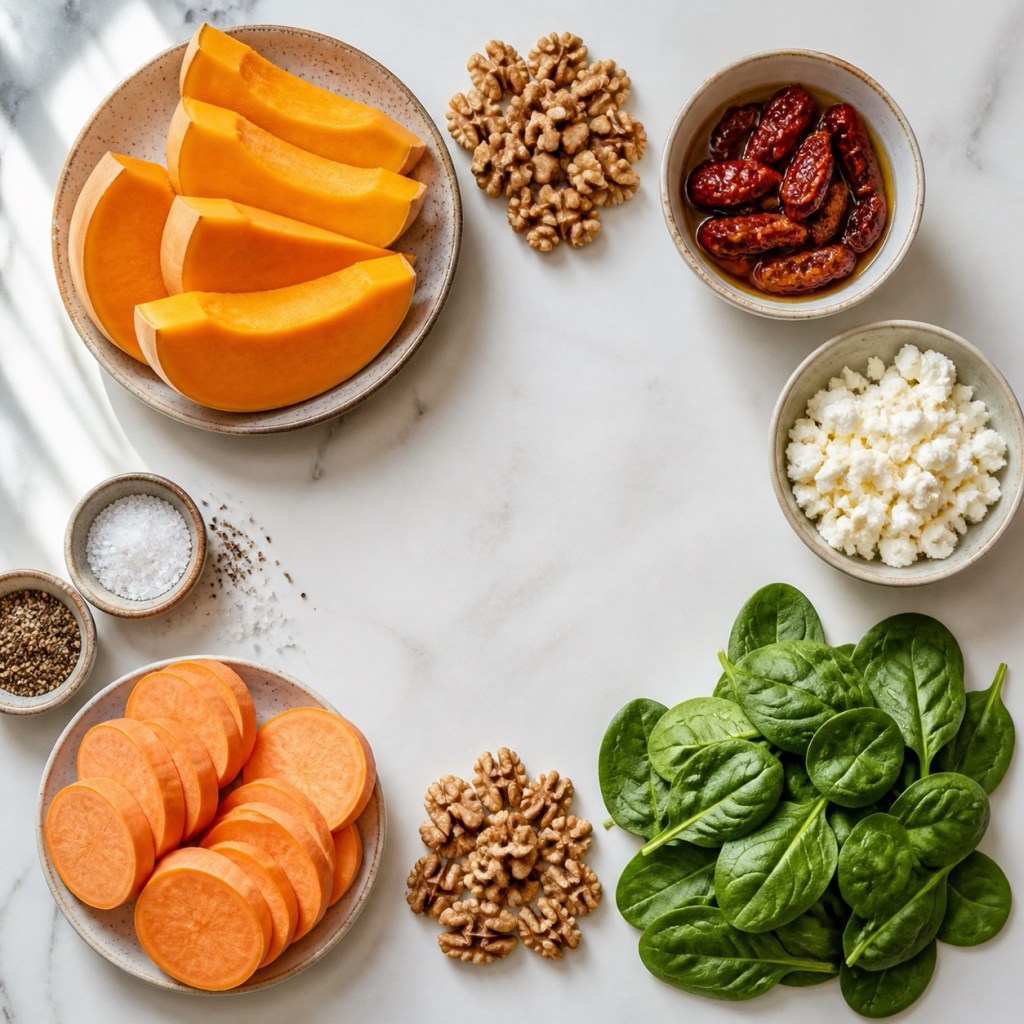
    Ingredients


    Serves 2 as a main, 3–4 as a side:
    • 1/2 butternut squash (or pumpkin), cut into small cubes
    • 1 large sweet potato, peeled and cubed
    • 2 handfuls walnuts
    • 140 g sun-dried tomatoes in oil, chopped
    • 100 g feta cheese, crumbled
    • 1 handful baby spinach leaves
    • Salt and pepper, to taste

    • A drizzle of oil from the sun-dried tomatoes (or 1 tablespoon olive oil)

    Method

    1. Preheat the oven
      Preheat your oven to 200–225°C (about 392°F). Line a baking tray with non-stick roasting paper or a silicone mat.
    2. Prep the vegetables
      Peel and slice the sweet potato, then cut into small cubes or quartered slices. Slice the butternut squash and cut into cubes. You can leave the skin on the squash if you like – it softens beautifully when roasted.
    3. Roast the squash and sweet potato
      Spread the squash and sweet potato in a single layer on the prepared tray. Season lightly with salt and pepper.
      Roast in the middle of the oven for around 15 minutes, or until starting to soften and turn lightly golden at the edges.
    4. Toast the walnuts
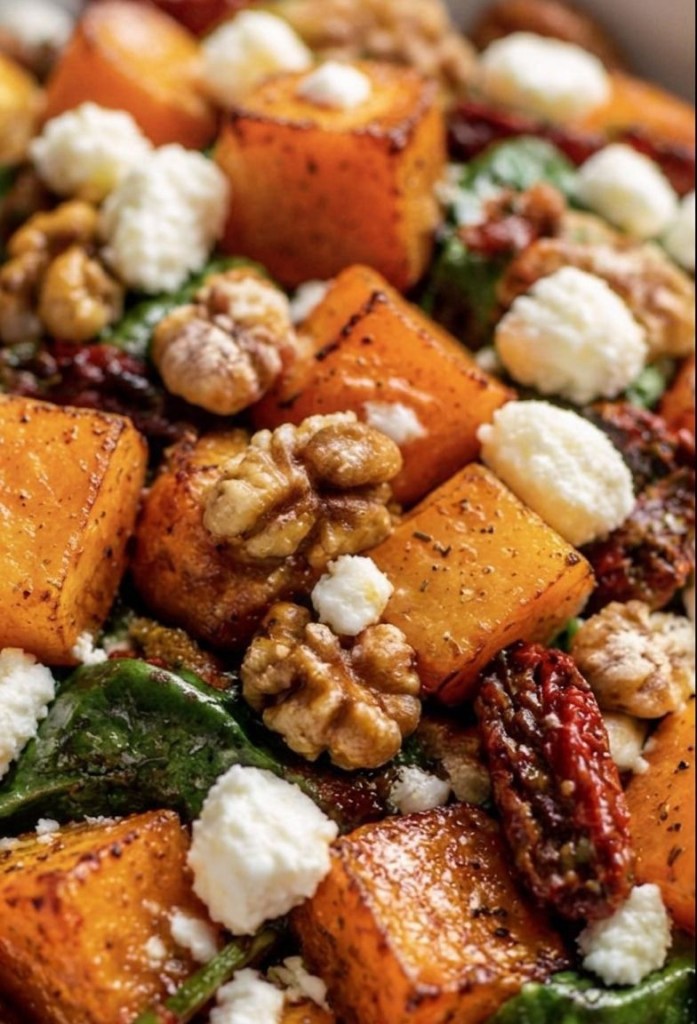
      After 15 minutes, sprinkle the walnuts over the tray. Return to the oven and roast for a further 10–15 minutes, until the vegetables are soft inside and caramelised on the edges and the walnuts are toasted and fragrant.
    5. Prep the remaining ingredients
      While the veg is roasting, chop the sun-dried tomatoes into small pieces. Crumble the feta and rinse/dry the baby spinach leaves if needed.
    6. Assemble the salad
      Once the veg and walnuts are done, transfer them to a large bowl while still warm. Add the chopped sun-dried tomatoes, baby spinach and crumbled feta.
      Season with a little extra salt and pepper if needed. Drizzle over a spoonful of the oil from the sun-dried tomatoes (or olive oil) and gently toss everything together so the warm veg just starts to wilt the spinach.
    7. Serve

    Serve immediately as a warm salad bowl, or let it cool slightly and enjoy at room temperature. It’s delicious on its own, or alongside grilled chicken, fish or a piece of crusty bread.

    Approximate macros per serving
    (For 2 servings from this recipe – these are estimates.)
    • Calories: around 550–600 kcal
    • Protein: around 15–18 g
    • Carbohydrates: around 45–55 g

    • Fat: around 30–35 g

    Tips, swaps and serving ideas
    • Make it vegan: Swap the feta for a dairy-free alternative or add extra toasted nuts and seeds.
    • Add grains: Stir through cooked quinoa, couscous or brown rice to turn this into a bigger meal prep bowl.
    • Change the greens: Baby kale or rocket (arugula) also work if you don’t have spinach.

    • Add a dressing: Finish with a squeeze of lemon juice or a splash of balsamic vinegar if you like a sharper finish.

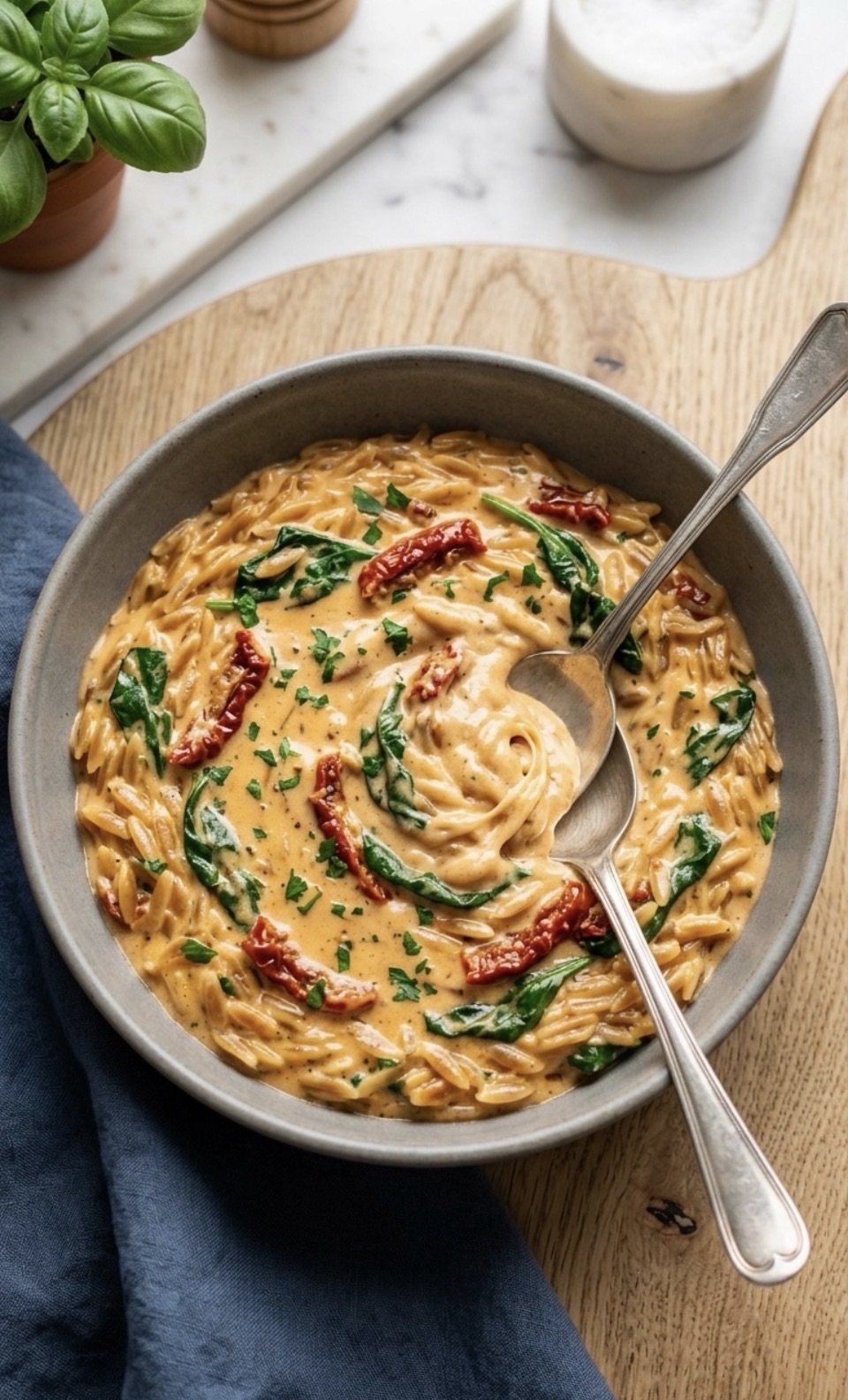
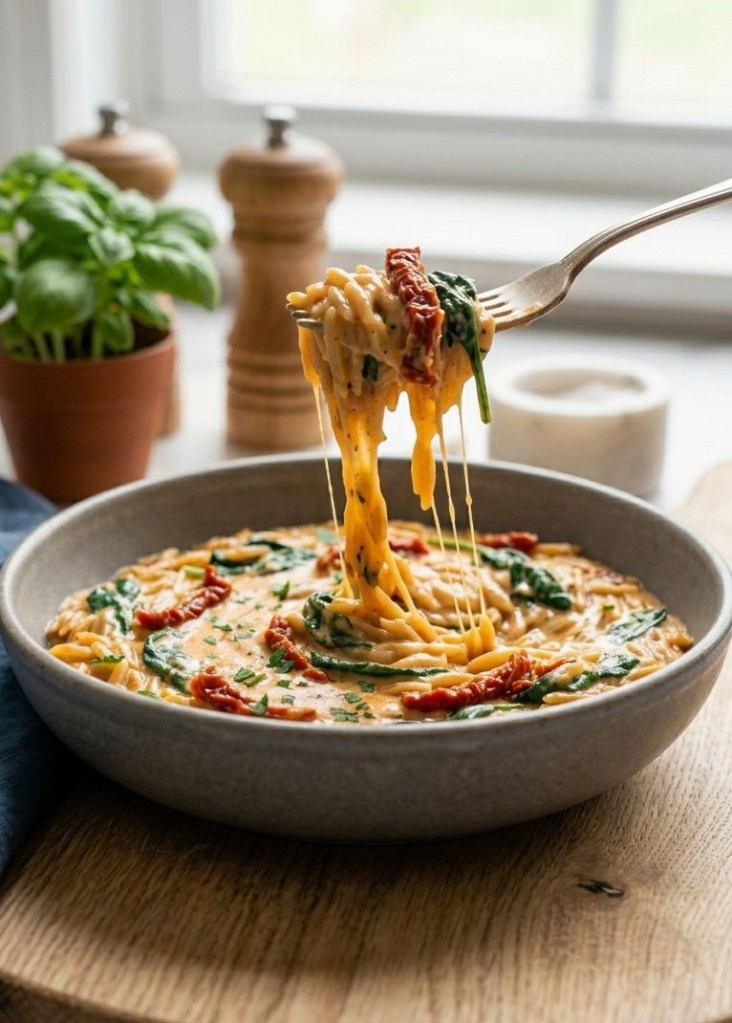
  • The Ultimate 15-Minute Creamy Tuscan Orzo

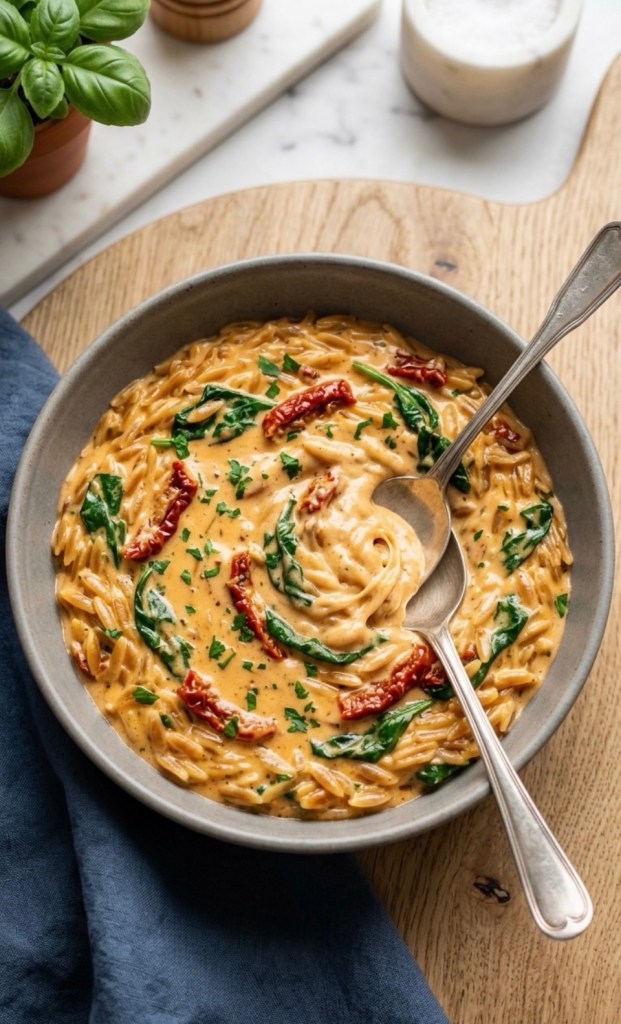
    The Ultimate 15-Minute Creamy Tuscan Orzo

    Looking for a dinner that feels fancy but takes less time than ordering a takeaway? This Creamy Tuscan Orzo is my absolute go-to for busy weeknights. It’s rich, velvety, and packed with Mediterranean flavours.

    Plus, it’s a one-pot wonder, which means minimal washing up!

    Why You’ll Love This Recipe

     Speedy: It’s ready in about 15 minutes.

     One-Pot: Less mess, more time to relax.

     Vegetarian: Naturally meat-free and easily made suitable for all dietary needs.

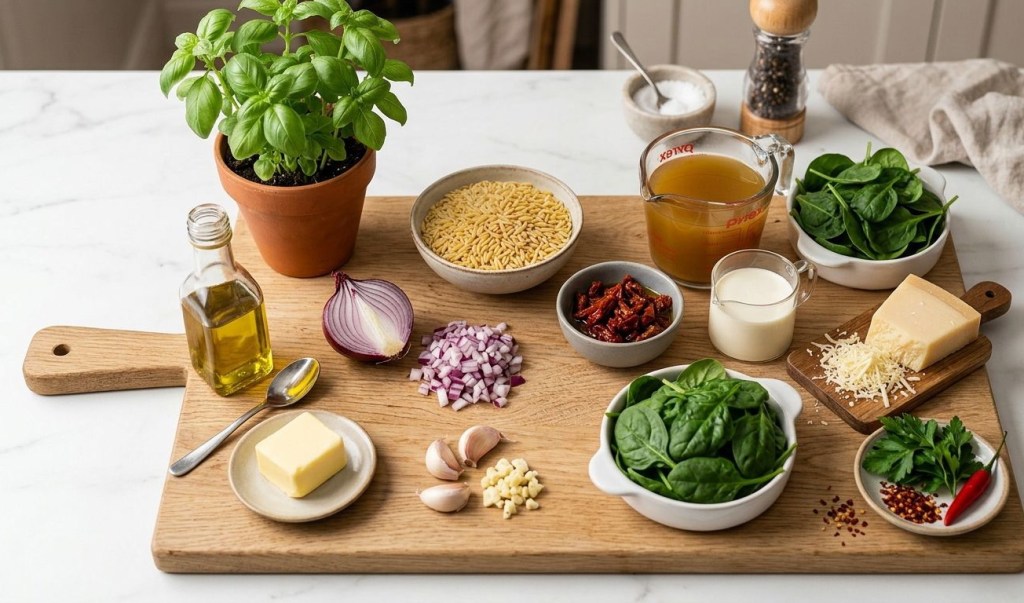
    Ingredients

     1 tbsp olive oil

     1 knob of butter

     ½ onion, finely diced

     3 cloves garlic, minced

     200g dry orzo pasta

     350ml vegetable stock

     120ml double cream

     50g vegetarian hard cheese (or Parmesan), freshly grated

     A generous handful of baby spinach

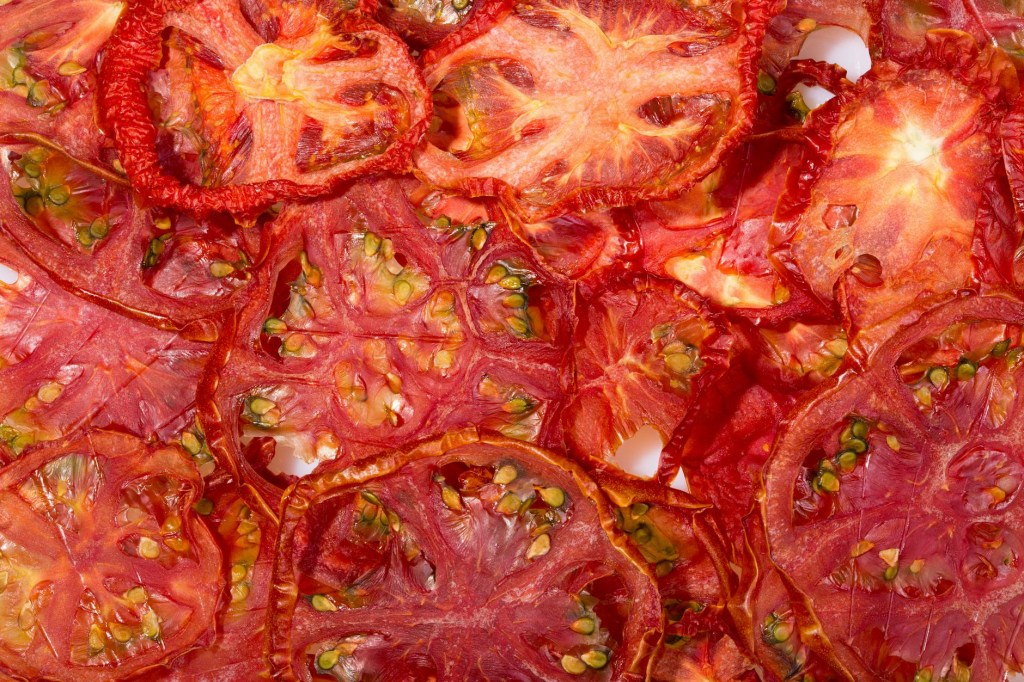
     A small jar of sundried tomatoes, chopped

    Method

    Step 1: The Base

    Heat the olive oil and butter in a large pan over medium heat. Add your diced onion and cook until soft. Add the garlic and cook for another minute until fragrant.

    Step 2: Toast the Orzo

    Add the dry orzo to the pan. Stir it around for about 1 minute until it’s lightly toasted—this adds a wonderful depth of flavour to the dish.

    Step 3: The Simmer

    Pour in the vegetable stock and double cream. Bring the mixture to a gentle simmer. Let it cook for 8–10 minutes, stirring occasionally, until the pasta is tender and the liquid has reduced into a glossy, creamy sauce.

    Step 4: The Finishing Touch

    Stir in the baby spinach, sundried tomatoes, and your grated cheese. Keep stirring until the spinach is wilted and the cheese has melted into the sauce. If the sauce looks a little too thick, just add a tiny splash of water or extra stock.

    Step 5: Serve

    Plate it up immediately, garnish with a little fresh parsley or chilli flakes if you like a bit of heat, and enjoy!

    Quick Tips for Success

     Check your cheese: If you are strictly vegetarian, ensure the hard cheese you buy uses a vegetarian rennet.

     Don’t overcook: Orzo cooks fast! Keep an eye on it so it stays al dente rather than mushy.

    Have you tried this recipe? Let me know in the comments below or tag me in your recreations!

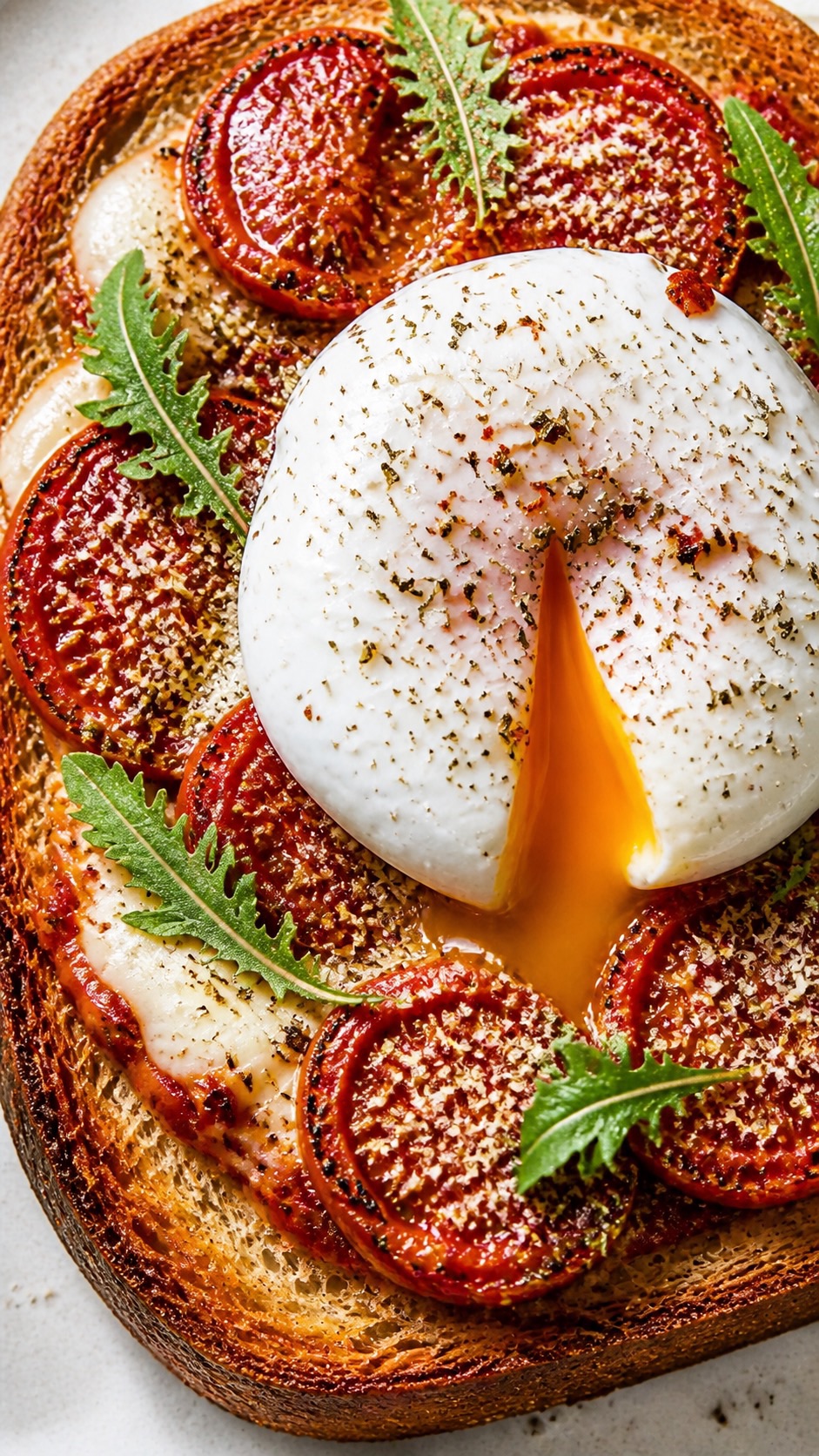
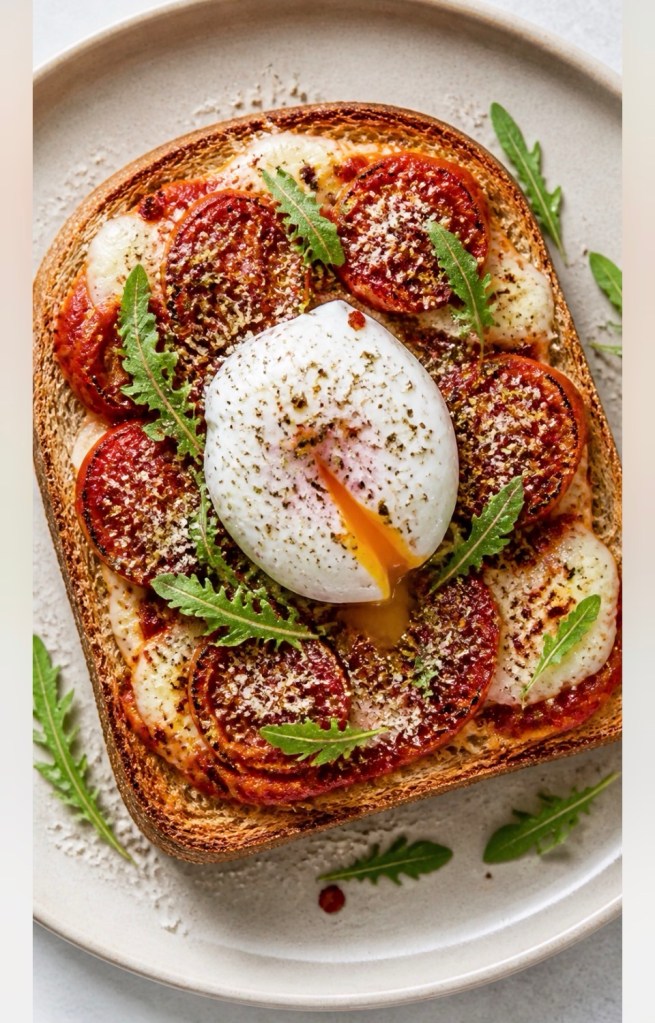
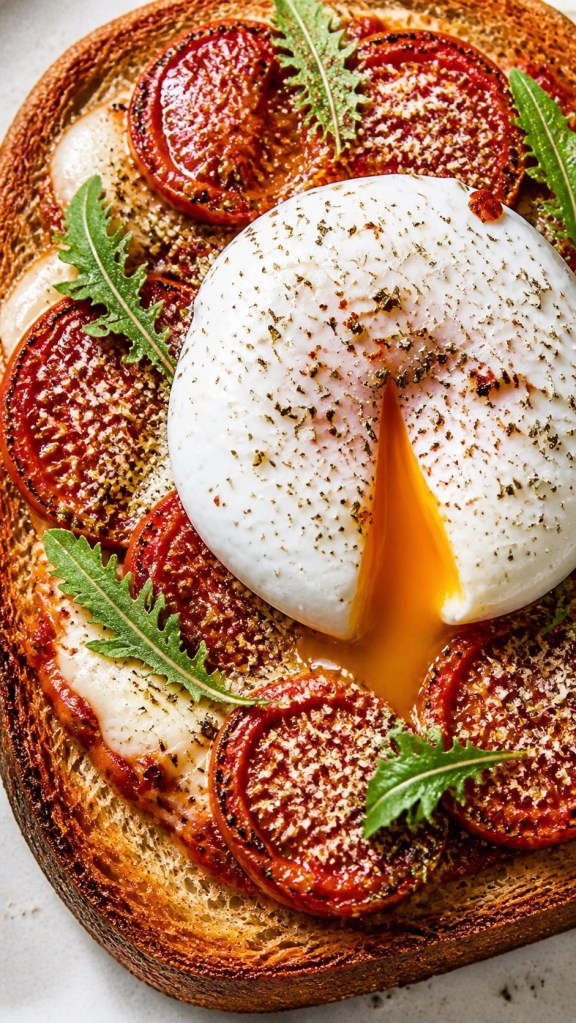
  • Brunch Like Hailey Bieber: Lighter Pizza Toast With A Protein Twist

    Brunch Like Hailey Bieber: Lighter Pizza Toast With A Protein Twist


    If you’ve been anywhere near food TikTok over the last couple of years, you’ve probably seen Hailey Bieber’s famous pizza toast doing the rounds. It’s buttery sourdough, burrata, tomatoes, parmesan, truffle oil – basically everything you’d expect from a celebrity brunch at home.
    I love the idea, but I also like my brunch to actually keep me going – ideally without blowing my calories for the entire day. So this is my lighter, more balanced version: still indulgent and “celeby”, but around 450 calories with a decent hit of protein from the egg and cheese.

    It’s perfect for a slow weekend brunch, or a “treat but not too extra” weekday brunch if you work from home.

    Hailey‑Inspired Pizza Brunch Toast (Around 450 Calories)
    Serves: 1
    Time: 15–20 minutes
    Approx. per serving: around 450 kcal, with a good mix of protein, carbs and fats (will vary depending on your bread and cheese)
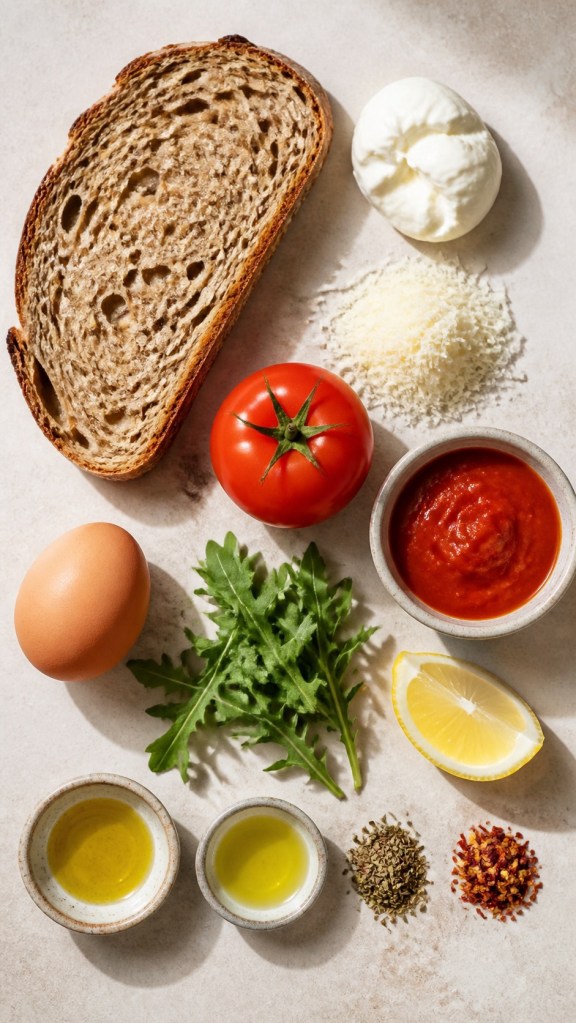
    Ingredients


    Toast base
    • 1 medium slice wholemeal or seeded sourdough (about 40 g / 1.4 oz)
    • ½ teaspoon butter or olive spread (2–3 g)
    • ½ teaspoon truffle oil (optional, but very “celebrity”)
    • Pinch of salt
    Tomato layer
    • 1 medium ripe tomato, thinly sliced
    • 1 teaspoon extra‑virgin olive oil (5 ml)
    • Squeeze of lemon juice
    • Pinch of salt
    • Pinch of dried oregano or Italian herbs
    Cheese and “pizza” toppings
    • 30 g burrata or fresh mozzarella, torn (just over 1 oz)
    • 2 tablespoons marinara sauce or herby passata (about 30 ml)
    • 1 tablespoon finely grated parmesan (about 5 g)
    • Pinch of dried oregano
    • Pinch of chilli flakes
    Brunch protein and greens (my twist)
    • 1 medium egg (poached or fried in spray oil)

    • Small handful rocket or fresh basil leaves

    Method

    1. Marinate the tomatoes
      Slice your tomato and lay the slices in a small dish. Drizzle over the olive oil, a squeeze of lemon juice, a pinch of salt, and a little dried oregano or Italian herbs. Gently toss and leave them to marinate while you sort out the toast – even 5–10 minutes makes a difference.
    2. Toast the bread
      Lightly spread both sides of your sourdough with the butter or olive spread. Drizzle one side with the truffle oil and add a tiny pinch of salt.
      Heat a non‑stick pan over medium heat and toast the bread on both sides until golden and crisp. You want it sturdy enough to hold all the toppings without going soggy.
    3. Build the pizza toast
      Transfer the toasted bread to a small baking tray.
      Tear the burrata or mozzarella over the top of the toast. Layer the marinated tomato slices on top of the cheese and drizzle over any leftover marinade from the bowl. This adds loads of flavour without extra effort.
    4. Grill until melty
      Preheat your grill (broiler) to medium‑high, or use a hot oven (around 180–200 °C / 350–400 °F).
      Pop the tray under the grill for a few minutes, until the cheese is soft and beginning to melt and the edges of the toast are even more crisp. Keep an eye on it – it can go from perfect to burnt quite quickly.
    5. Add the pizza toppings
      Warm the marinara or passata in a small pan or the microwave.
      Spoon the sauce over the cheesy toast, then sprinkle with the parmesan, a little more dried oregano and a pinch of chilli flakes.
      Return the toast to the grill for 1–2 minutes, just until the parmesan melts and the top looks bubbling and irresistible.
    6. Finish with egg and greens
      While the toast is under the grill, cook your egg. I like it poached with a runny yolk, but you can fry it in a little spray oil if that’s easier.

    Place the egg on top of the pizza toast and scatter over the rocket or basil leaves. Slice into the yolk and let it run into the sauce and cheese – that’s your perfect brunch moment right there.

    How “health‑ified” is this version?
    The original pizza toast recipe is very generous with butter, oil and cheese. By slightly shrinking the bread slice, dialling down the fat, and keeping the egg for protein, this version sits closer to the 450 calorie mark for one serving, while still feeling like a proper treat.
    You’ve still got:
    • Carbs for energy from the sourdough and tomato
    • Protein from the egg and cheese
    • Fats from the oils and cheese to keep you satisfied
    • A bit of fibre from the wholemeal/seeded bread, tomato and rocket

    For the most accurate numbers, plug the exact ingredients and brands you use into your usual tracker (NutraCheck, MyFitnessPal, Cronometer etc.), as calories can vary a lot between breads and cheeses.

    Serving and variations
    • Add more protein: Use two eggs instead of one, or add a few slices of turkey, chicken or smoked salmon on the side.
    • Make it veggie‑heavy: Add a layer of wilted spinach or a few thin courgette ribbons under the cheese.
    • Go dairy‑lighter: Swap burrata for a lighter mozzarella, or use a reduced‑fat cheese and keep the parmesan as your flavour punch.
    • Make it truffle‑free: If you’re not a fan of truffle, skip the truffle oil and just use a little extra olive oil.
    If you make this, I’d love to know – are you team classic breakfast or team “celebrity brunch toast” now? Tag me on social or leave a comment with your tweaks and toppings.

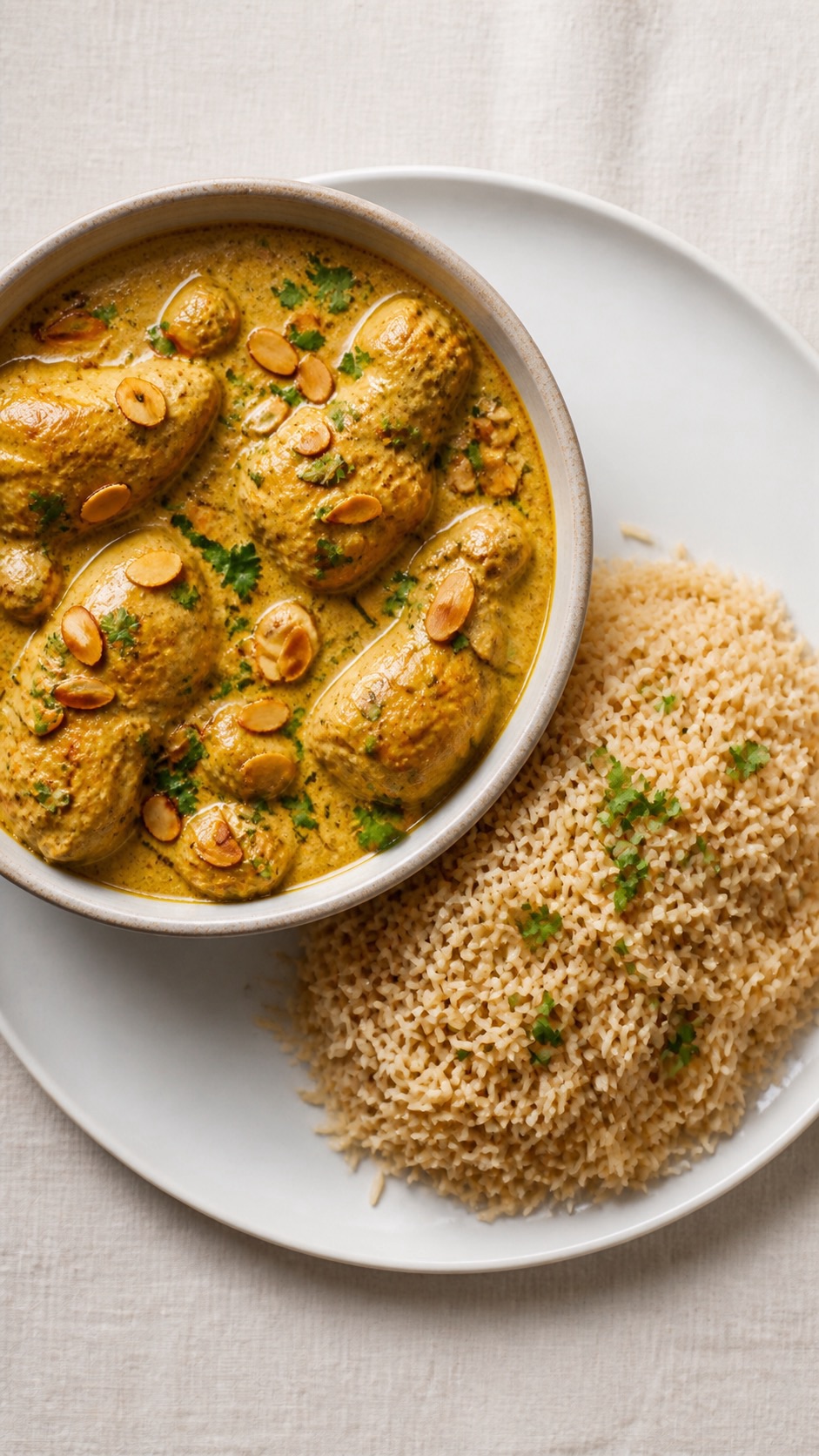
  • Nigella’s Mughlai Chicken: Taylor Swift’s Favourite Curry (With a Lighter Twist)

    Nigella’s Mughlai Chicken: Taylor Swift’s Favourite Curry (With a Lighter Twist)


    If you’ve ever wondered what Taylor Swift might serve when she has friends around for dinner, this creamy Mughlai chicken from Nigella Lawson is one of her go‑to dishes. It’s a rich, gently spiced curry with yoghurt, cream, almonds and golden sultanas – cosy, luxurious and surprisingly straightforward to make at home.

    In this post, I’m sharing a slightly lightened version that still keeps all the warm, “royal” Mughlai flavours, but with a few tweaks to make it more everyday‑friendly and suitable for a balanced midlife lifestyle.

    What Is Mughlai Chicken?
    Mughlai chicken is a North Indian–inspired curry associated with the rich, aromatic dishes served in the Mughal courts. It typically combines tender chicken in a sauce built from yoghurt, cream, nuts and warm spices like cumin, coriander, cardamom and cinnamon.

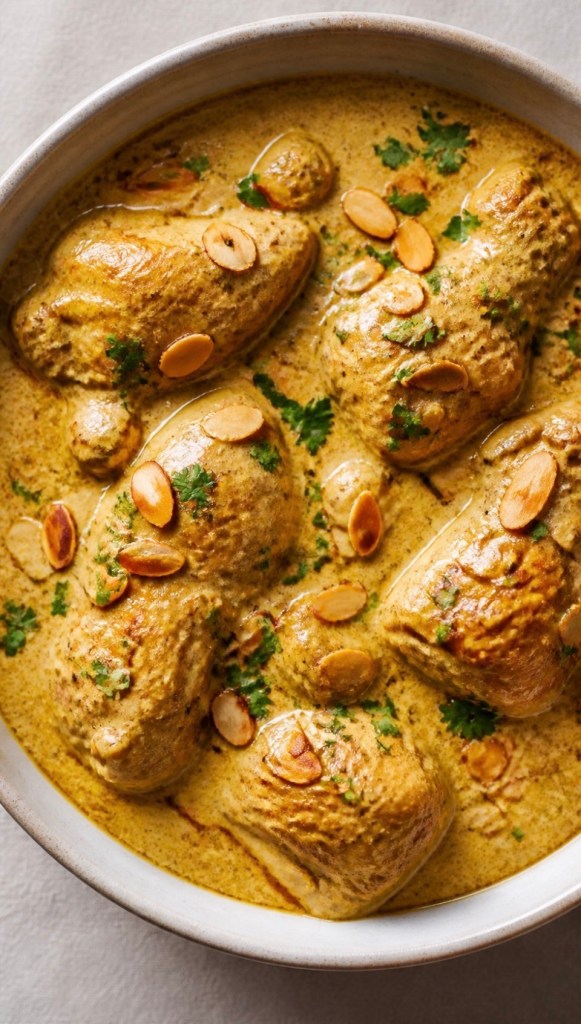
    Nigella’s version uses boneless chicken, a fragrant ginger–garlic–spice paste, Greek yoghurt, cream, ground almonds and golden sultanas, all finished with toasted flaked almonds on top. The result is a silky, mildly spiced curry that feels special enough for guests but is achievable on a weeknight with a bit of planning.

    Why This Dish Is Linked to Taylor Swift
    Taylor has talked about hosting dinner parties and using a few favourite celebrity‑chef recipes, including Nigella Lawson’s Mughlai chicken, as part of her entertaining repertoire. Food writers who tested the dish described it as ultra‑tender chicken in a sweetly spiced cream sauce that’s very crowd‑pleasing and not aggressively hot.

    For content creators, that makes it a brilliant “celebrity recipe” hook: you can truthfully reference Taylor’s love for this dish while showcasing your own interpretation and tweaks.

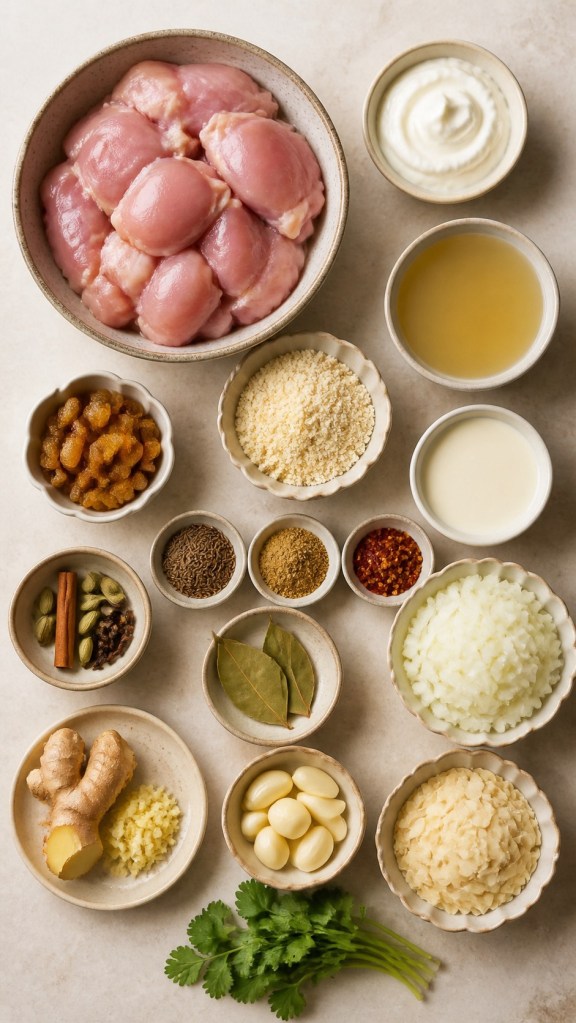
    Ingredients (UK and US Measurements)


    This version stays close to Nigella’s original profile, with a little less heavy cream and a balance of yoghurt and stock.
    Chicken and aromatics
    • 1.2–1.3 kg boneless, skinless chicken thighs, cut into chunks (about 2.6–2.9 lb)
    • 3 cm piece fresh ginger, peeled and roughly chopped (about 20 g / ¾ oz)
    • 4 garlic cloves, peeled
    • 2 tsp ground cumin
    • 1 tsp ground coriander
    • ½–1 tsp dried chilli flakes (to taste)
    • 3 tbsp ground almonds (25–30 g / about ¼ cup)
    • 3–4 tbsp water (to loosen the paste)
    Whole spices and base
    • 4 green cardamom pods, lightly crushed
    • 1 small cinnamon stick
    • 2 bay leaves
    • 3 whole cloves
    • 2 tbsp olive oil or ghee
    • 2 medium onions, finely chopped
    Sauce and finish
    • 250 g Greek yoghurt (about 1 cup)
    • 250 ml chicken stock (about 1 cup)
    • 150–200 ml single cream or half‑and‑half (about ⅔–¾ cup)
    • 50 g golden sultanas/raisins (about ⅓ cup)
    • 1 tsp garam masala
    • 1–2 tsp sugar (to taste)
    • 1–1½ tsp fine salt (plus more to taste)
    • 30 g flaked almonds, toasted (about ¼ cup)

    • Fresh coriander, chopped, to garnish

    Step‑by‑Step Method

    1. Make the spice–almond paste
      Add the ginger, garlic, ground cumin, ground coriander, chilli flakes, ground almonds and 3–4 tablespoons of water to a small blender or mini chopper. Blend to a thick, smooth paste, adding another spoon of water if needed to help it along.
    2. Brown the chicken
      Heat 1 tablespoon of oil in a large, heavy‑based pan over medium–high heat, then add the chicken pieces in batches with a pinch of salt. Brown them until they take on a little colour on the outside, then transfer to a bowl and repeat until all the chicken has been seared.
      You’re not trying to cook the chicken through at this stage; you just want the flavour and texture of light browning.
    3. Toast the whole spices and cook the onions
      In the same pan, add the remaining tablespoon of oil if needed. Tip in the cardamom pods, cinnamon stick, bay leaves and cloves, and fry for 30–60 seconds until fragrant. Add the finely chopped onions and cook over medium heat, stirring often, until they are soft and lightly golden – around 8–10 minutes.
      This slow onion stage gives sweetness and body to the final sauce.
    4. Add the paste and yoghurt
      Stir the spice–almond paste into the onions and cook for 2–3 minutes, letting it darken slightly and smell toasty. While it cooks, whisk the Greek yoghurt in a separate bowl until smooth.
      Take the pan off the heat and add the yoghurt a spoonful at a time, stirring well after each addition. This off‑heat step helps prevent the yoghurt from splitting and keeps the sauce silky.
    5. Build the sauce and simmer
      Return the pan to a low heat and add the browned chicken plus any juices that have collected in the bowl. Pour in the chicken stock, stir everything together, and bring to a gentle simmer.
      Add the single cream, sultanas, 1 teaspoon of sugar and about 1 teaspoon of salt. Stir, cover the pan, and let the curry simmer very gently for 25–30 minutes, stirring occasionally, until the chicken is tender and the sauce has thickened slightly.
    6. Finish the curry
      Once the chicken is cooked through and the sauce is glossy, stir in the garam masala. Taste the sauce and adjust the salt and sugar to your liking; you’re aiming for a balance of savoury, gently sweet and warm spice.

    Sprinkle the toasted flaked almonds over the top and finish with chopped fresh coriander. Remove the cinnamon stick, bay leaves and any whole cloves or cardamom pods you spot before serving.

    Lighter Swaps and Variations
    While the original Mughlai chicken is unapologetically rich, there are a few easy tweaks if you want to keep it more “healthylish” without losing the essence:
    • Use more yoghurt, less cream – keep the cream at the lower end of the range and lean into the tang and protein of Greek yoghurt.
    • Serve with brown basmati or cauliflower rice to increase fibre and keep the meal more blood‑sugar friendly.
    • Trim visible fat from the chicken thighs so you still get tenderness and flavour but reduce some saturated fat.

    Because this dish isn’t a precision bake, the small differences between UK and US cup measures aren’t critical, which makes it easy to share with a mixed audience.

    Taylor‑Style Serving Suggestions
    To keep the celebrity story front and centre, you can plate this in ways that feel “Taylor‑coded”:
    • Brown basmati rice and curry bowl
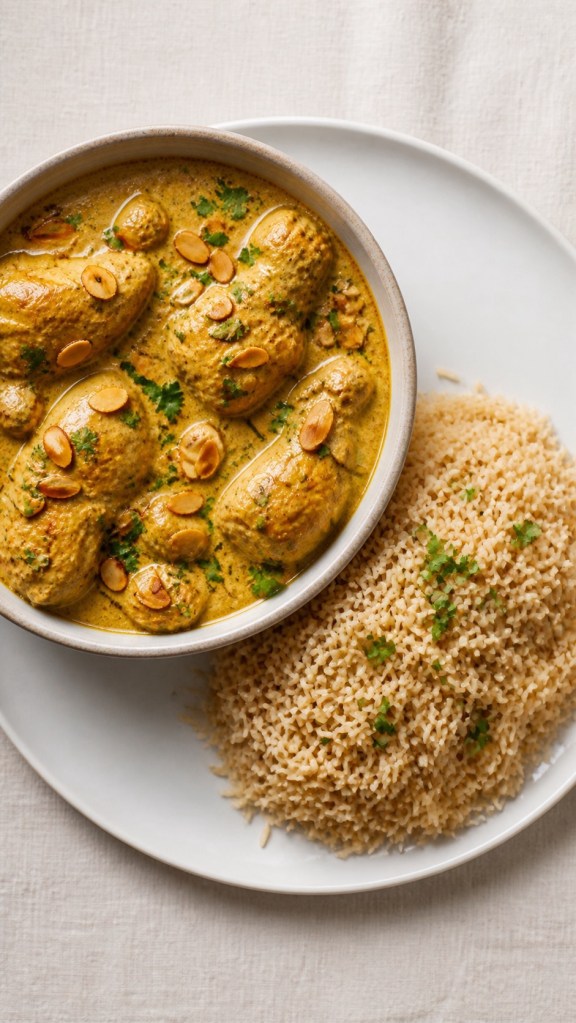
    Serve a modest mound of brown basmati rice with a generous ladle of Mughlai chicken over the top, finishing with extra almonds and coriander. This gives cosy, dinner‑party energy while still looking balanced on the plate.
    • “Swift bowl” with greens
    For a lighter take, try a half‑and‑half base: half brown rice, half shredded lettuce or finely chopped cabbage, topped with the curry and a spoon of yoghurt on the side. It’s an easy way to stretch the sauce and add volume without overdoing the carbs.

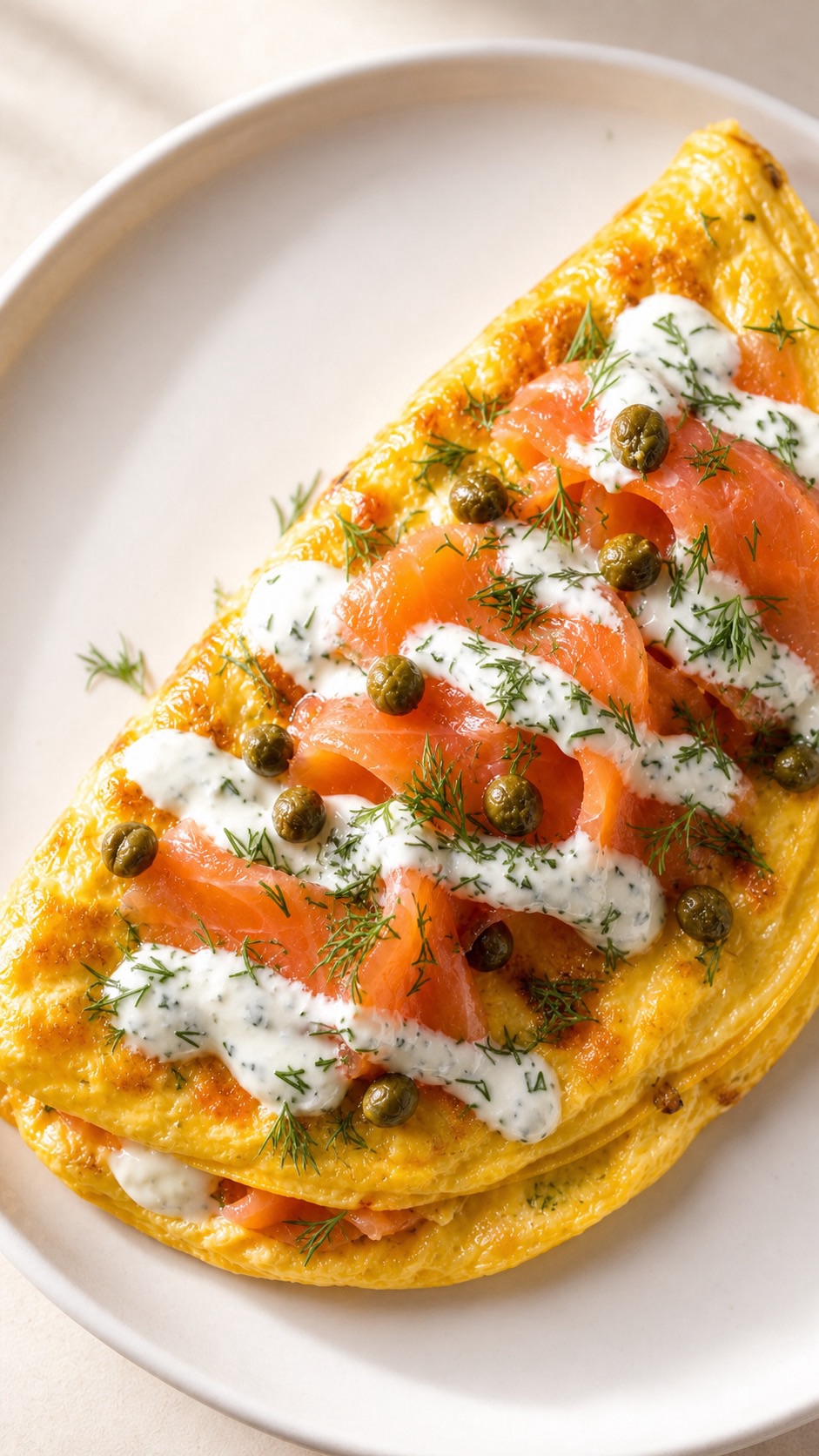
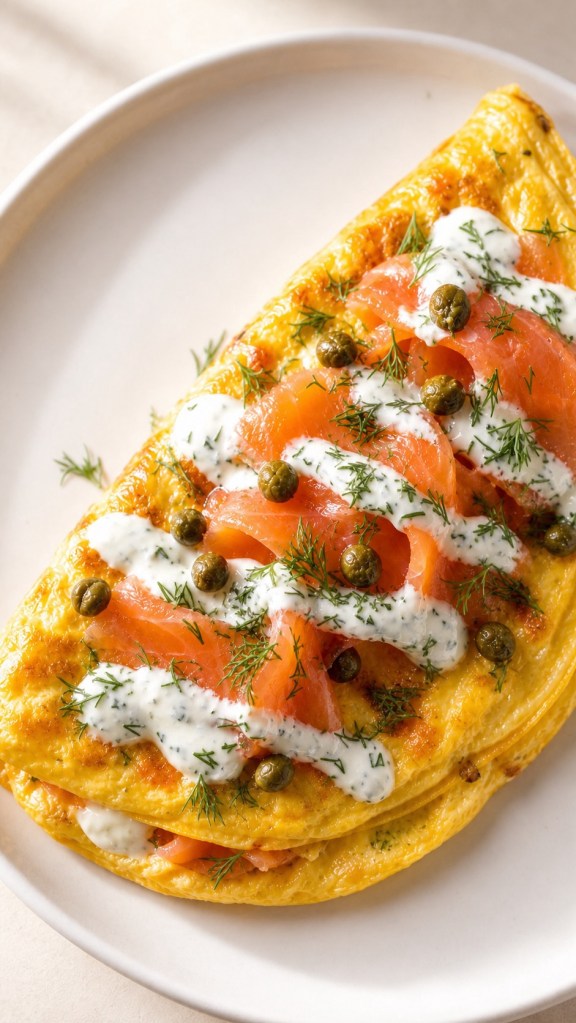
  • Mediterranean Smoked Salmon High‑Protein Omelette (Looks Like Room Service, Ready in 10 Minutes)

    Mediterranean Smoked Salmon High‑Protein Omelette (Looks Like Room Service, Ready in 10 Minutes)

    Intro
    If you’re anything like me, breakfast can go one of two ways: a rushed piece of toast you barely taste… or a moment of pure joy that sets you up for the whole day.
    This Mediterranean smoked salmon omelette definitely falls into the second category. It looks like something you’d order from a fancy hotel room‑service menu, but it’s actually a very doable 10‑minute recipe you can whip up on a weekday. It’s also high in protein, uses simple supermarket ingredients, and feels just a little bit luxurious – exactly my kind of balance.

    I first shared a version of this over on TikTok after my Mediterranean feta pepper omelette went a bit wild. You loved the whipped Greek yoghurt, the colourful vegetables and, of course, the promise of a proper protein hit. So this is the follow‑up: same creamy yoghurt twist, but this time with silky smoked salmon, lemon and dill. Think “Mediterranean brunch” without leaving your kitchen.

    Why this omelette works so well
    There are three little tricks that make this omelette feel special but still realistic for everyday life:
    • The whipped Greek yoghurt eggs
    Instead of whisking plain eggs, we whisk them together with a spoonful of thick Greek yoghurt. It makes the omelette soft, fluffy and slightly creamy, and it bumps the protein up a notch too.
    • Smoked salmon + Mediterranean flavours
    Smoked salmon can feel very “brunch out” rather than “breakfast in”, but here it’s simply folded into the omelette with spinach, onion, capers and dill. Lots of flavour, no complicated steps.
    • High‑protein, but no diet‑culture misery
    You get roughly around 30 g of protein in one serving (depending on the brands you use), but it still feels indulgent. There’s colour, there’s texture, there’s a big generous swirl of lemony yoghurt on top – this is not a sad, dry egg white situation.

    If you’re tracking macros you’ll appreciate the numbers; if you’re just trying to feel energised and satisfied until lunch, you’ll appreciate how filling this is.

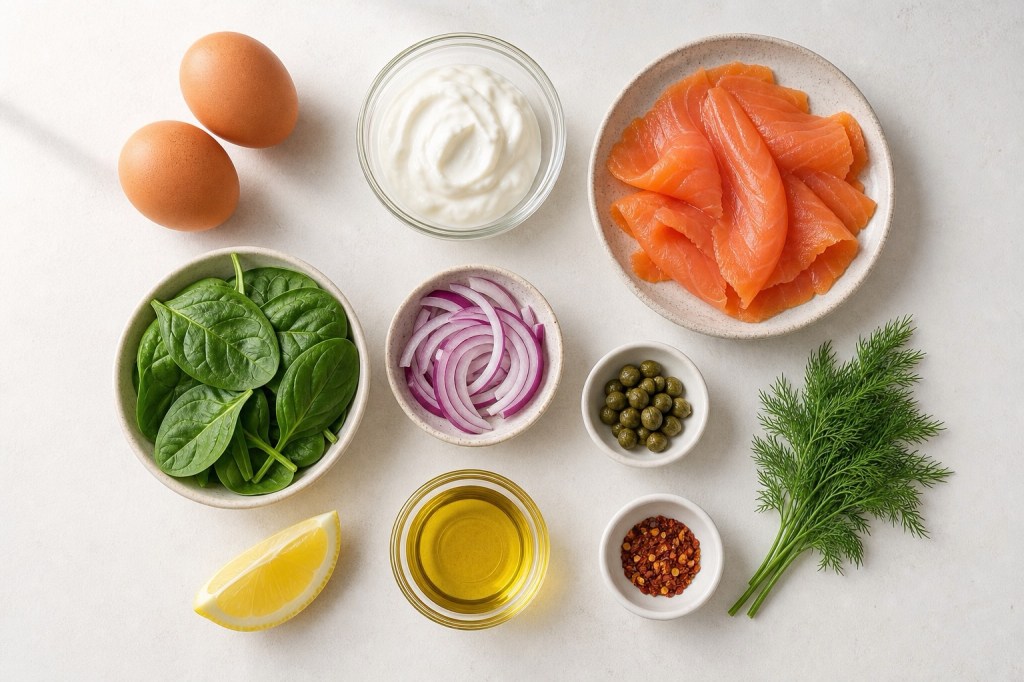
    Ingredients (serves 1)


    For the omelette base
    • 2 medium free‑range eggs
    • 2 tbsp liquid egg whites (optional, but adds extra protein)
    • 40 g thick Greek yoghurt (for whisking into the eggs)
    • Pinch of salt and black pepper
    For the filling and topping
    • 40–50 g smoked salmon, sliced into ribbons
    • A small handful of spinach
    • ½ small red onion, very finely sliced
    – or 1 spring onion, finely chopped
    • 1 tsp capers (optional but lovely for a salty pop)
    • 1 tsp olive oil or a small knob of butter for the pan
    • 2–3 tbsp extra Greek yoghurt for the topping
    • Squeeze of fresh lemon juice
    • Fresh dill, chopped
    • Pinch of chilli flakes (optional, but highly recommended)

    Feel free to adjust quantities to suit your appetite and what you have in the fridge. This is a very forgiving recipe.

    Approximate nutrition
    This will vary slightly depending on your exact brands, but as a ballpark for the quantities above:
    • Protein: roughly 28–32 g
    • Carbohydrates: roughly 3–4 g
    • Fat: roughly 22–24 g

    It’s a brilliant option if you’re trying to prioritise protein at breakfast without going straight to chicken and rice at 8am.

    Step‑by‑step: how to make it

    1. Whip your eggs and yoghurt
      Crack your eggs into a jug or bowl, add the egg whites (if using), 40 g Greek yoghurt, a good pinch of salt and black pepper.
      Now whisk. Really whisk. You want the mixture to turn paler and slightly frothy with little bubbles on top. This is what gives you that soft, slightly soufflé‑like texture. A small hand whisk works perfectly, but you can also use a little milk frother or mini blender if you like extra drama.
    2. Cook the veg
      Heat the olive oil in a non‑stick frying pan over medium heat. Add your sliced onion and let it soften for a couple of minutes until it’s sweet and translucent. Toss in the spinach and let it wilt down – this only takes a minute.
      Once the spinach is just wilted, slide the onion and spinach out onto a small plate. Don’t wash the pan; all that flavour can stay right where it is.
    3. Pour in the egg mixture
      Turn the heat down slightly to medium‑low. Pour in your whipped egg and yoghurt mixture and tilt the pan gently so it spreads out evenly.
      Let it sit for a few seconds, then use a spatula to gently nudge the cooked edges into the centre, allowing the uncooked egg to flow into the gaps. You don’t want the underside to brown too fast; low and slow gives the best texture.
    4. Add the filling
      When the top of the omelette is mostly set but still a little soft and glossy, it’s time to fill.
      Spoon the spinach and onion mixture onto one half of the omelette. Scatter over the capers if you’re using them. Lay the smoked salmon ribbons on top – they don’t need long to warm through, so keep them in fairly big pieces rather than tiny shreds.
    5. Fold and finish cooking
      Use your spatula to carefully fold the bare half of the omelette over the filling. Let it cook for another 30–60 seconds on low heat. The goal is for the eggs to be just set, the salmon warmed through, and the centre still soft rather than dry.
    6. The yoghurt swirl (the star of the show)
      While the omelette finishes off, quickly stir your topping together: Greek yoghurt, a squeeze of lemon, pinch of salt and some chopped dill. You want it thick enough to sit proudly on top, not run straight off.
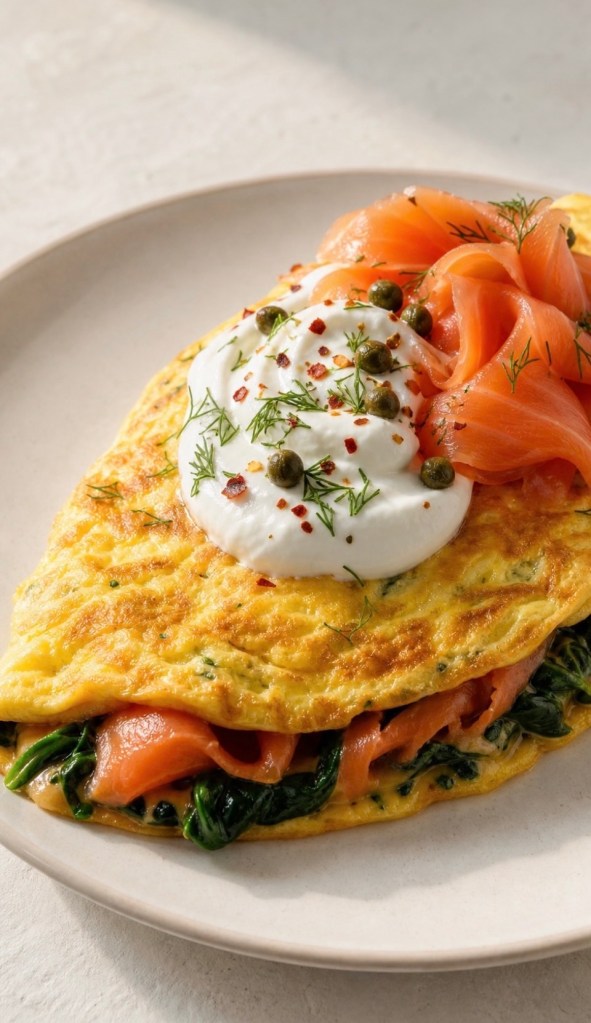
      Slide the omelette onto a plate. Dollop or swirl the lemon‑dill yoghurt on top – be generous. Sprinkle over more dill, a few extra capers and a pinch of chilli flakes. If you want extra colour, add a couple of cherry tomatoes or cucumber slices on the side.

    And that’s it. Breakfast that looks like you’ve ordered it somewhere expensive, but you’re still in your slippers.

    Tips, swaps and FAQs
    Can I make this without egg whites?
    Absolutely. Just use 2 whole eggs and skip the extra whites. The texture will still be gorgeous from the yoghurt; the protein will just be slightly lower.
    What if I don’t like smoked salmon?
    You can swap it for leftover cooked salmon, or even flaked hot‑smoked salmon. You still get that lovely richness, but the texture is slightly different. If you’re not a fish person at all, you can use this exact method with feta instead of salmon.
    Which yoghurt is best?
    Any thick Greek‑style yoghurt works. A 0% version will keep calories down, a 5% version will feel a bit more decadent. Use what fits your goals and what you enjoy.
    Can I prep it in advance?

    Omelettes are always best fresh, but you can whisk the egg and yoghurt together and keep it covered in the fridge for a few hours if you know you’ll be in a rush.

    How to serve it
    I love this on its own for a lighter breakfast, but if you want a more substantial plate you can add:
    • A small piece of sourdough or wholegrain toast
    • A simple side salad with rocket, cucumber and lemon
    • A black coffee or herbal tea to keep the Mediterranean café fantasy going

    It’s also a great “breakfast for dinner” option when you want something quick, comforting and still on the healthier side.

    Final thoughts
    This smoked salmon Mediterranean omelette is the kind of recipe I come back to again and again: it looks impressive, eats like a treat, and still supports my health goals. If you try it, please let me know how you get on – and if you come from TikTok, say hello in the comments so I know you found me here.