Tag: #comfortfood

  • The Only Comfort Food Recipe You Need This Week 🧀🥔 Cheesy Ham & Potato Bake

    The Only Comfort Food Recipe You Need This Week 🧀🥔 Cheesy Ham & Potato Bake

    Let’s be honest for a second—is there anything actually better than a bubbling tray of cheesy potatoes? I don’t think so. Whether the British weather is doing its usual grey thing or you’ve just had one of those days at work, this Ham and Potato Bake is my absolute soul-soother.

    It’s one of those “hug-in-a-bowl” meals that feels like home. It’s unpretentious, incredibly filling, and honestly? It’s even better the next day if you’re lucky enough to have leftovers.

    A Little Secret for the Best Ham…

    You don’t need to spend a fortune at a fancy deli for this. If you want a tip from me, head over to Lidl. Their Oaklands range for the veg is great, but their Dulano or Select and Better thick-cut honey roast ham is a total game-changer for this recipe. It’s salty, slightly sweet, and chunky enough that it doesn’t just disappear into the sauce.

    What You’ll Need

    The Filling:

    • 1kg Maris Piper Potatoes: These are the kings of the potato world. They get lovely and fluffy in the sauce.

    • 200g Cooked Ham: Grab a thick-cut pack from Lidl or Aldi are great and dice it into proper, bite-sized chunks.

    • 1 Small Brown Onion: Finely diced (this adds that lovely sweetness to the base).

    The Liquid Gold (The Sauce):

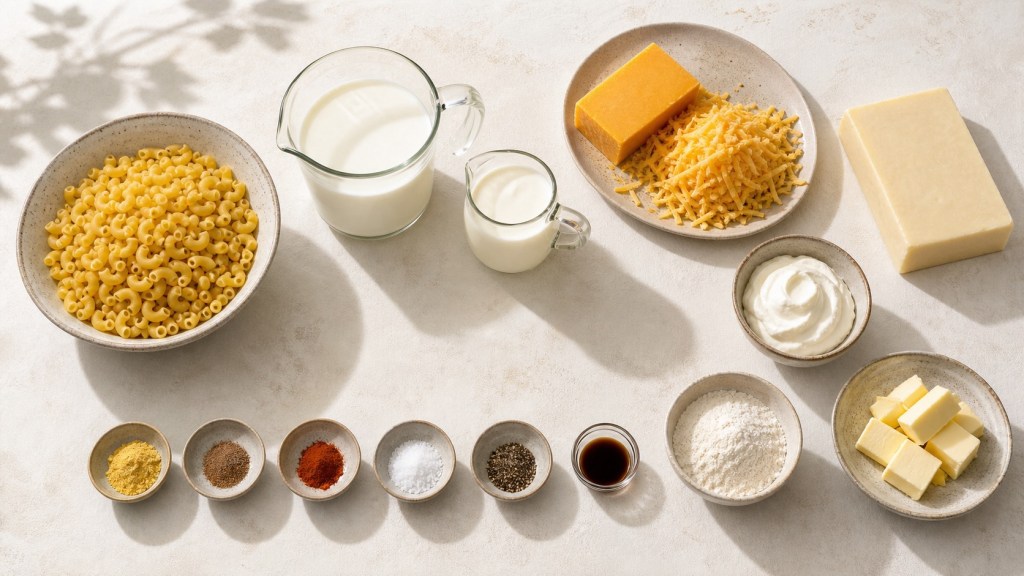
    • 40g Unsalted Butter

    • 3 tbsp Plain Flour

    • 600ml Whole Milk: Go for full-fat if you’re feeling extra indulgent!

    • 200g Extra Mature Cheddar: Grate it yourself, trust me. The pre-grated stuff has a dusty coating that stops it from melting perfectly.

    • Seasoning: A good pinch of salt, plenty of cracked black pepper, and if you’re feeling fancy, a tiny dab of English mustard.

    Let’s Get Cooking

    1. Get Prepped

    First things first, get your oven heating up to 180°C (160°C Fan). Find your favourite big baking dish and give it a quick rub with a bit of butter so nothing sticks to the corners. Peel and cube your potatoes into roughly 1.5cm pieces—don’t worry about being too perfect, rustic is better! Throw them in a bowl with your chunky Lidl ham.

    2. The “Secret” Sauce

    Melt your butter in a saucepan and gently soften the onion. Once it’s smelling amazing, stir in the flour. Cook it for a minute or so—you want it to look like a thick paste. Now, slowly—and I mean slowly—whisk in your milk. It takes a bit of elbow grease, but keep going until it’s smooth and thick.

    3. Make it Cheesy

    Take it off the heat and stir in about three-quarters of that cheddar. Watch it melt into that silky, creamy sauce. This is the part where I usually “quality control” a spoonful!

    4. The Big Mix

    Pour all that cheesy goodness over the potatoes and ham. Give it a really good stir so every single potato cube is smothered. Pour it into your dish, cover tightly with foil (this steams the potatoes to perfection), and pop it in the oven for one hour.

    5. The Crispy Bit

    Take the foil off, sprinkle over the rest of your cheese, and slide it under the grill for about 5 minutes. You’re looking for those gorgeous, slightly burnt “cheesy bubbles” on top.

    A Quick Favour…

    Try to let it sit for about 10 minutes before you dive in. I know, I know—it smells incredible and you’re hungry—but letting it rest helps the sauce thicken up so it wraps around the potatoes instead of running all over the plate.

    Serve it with a big pile of buttery peas or just eat it on its own on the sofa. You deserve it.

    Are you a “crispy edges” person or a “creamy middle” person? Let me know in the comments!

  • The Banned Nutella Banana Bread the Girls Finally Got To Try!!

    The Banned Nutella Banana Bread the Girls Finally Got To Try!!

    There are some bakes that feel less like recipes and more like little love letters to your past self, and this banana, Nutella and triple‑chocolate loaf is absolutely one of them.

    It started, as these things so often do, with a bowl of sad, freckled bananas on the counter giving me the side‑eye. You know the ones: too far gone for toast, too soft for slicing, but absolutely perfect for baking. So into the bowl they went, all mashed up with melted butter, soft brown sugar and a bit of caster sugar until everything turned into that gorgeous, glossy, caramel‑smelling batter. I make banana bread every week for my dad as it’s his favourite but I thought I’d give him a bit of variation.
    And then I got a bit carried away.
    First came the Nutella. Now, Nutella is a bit of a… contraband item in this house. When the girls were younger, it was more or less banned – not because of the sugar, but because they had an absolutely terrible habit of leaving sticky Nutella spoons all over the kitchen. Honestly, I’d find them on the worktops, next to the sink, abandoned on plates – little chocolatey crime scenes everywhere. For my own sanity, the jar quietly disappeared for a few years.
    This time, I had to smuggle it back in like some sort of undercover snack dealer. Jar tucked discreetly into the shopping, no announcements made, straight into the cupboard before anyone could clock it and start reliving their spoon‑licking glory days.

    Once I’d recovered from my secret mission, it was time to turn those bananas into something special.

    Ingredients


    For one standard 2lb loaf tin:
    • 100 g soft light brown sugar
    • 50 g caster sugar
    • 115 g unsalted butter, melted and slightly cooled
    • 2 medium eggs
    • 1 teaspoon vanilla extract
    • 350–375 g mashed very ripe bananas (about 4–5 medium bananas)
    • 250 g plain flour
    • 1 teaspoon fine salt
    • 1 teaspoon bicarbonate of soda
    • 120 g Nutella (or chocolate hazelnut spread), gently warmed so it’s pourable
    • 100 g white chocolate chunks

    . 100g of dark chocolate chunks

    Method

    Prep the tin and oven
    • Heat the oven to 180°C (160°C fan).
    • Grease and line a 2lb loaf tin with baking paper, letting the paper overhang slightly so you can lift the loaf out later.
    • Set aside while you get on with the wet ingredients.

    Make the banana mixture
    • In a large mixing bowl, whisk the bananas until they are soft

    then add the melted, slightly cooled butter with the soft brown sugar and caster sugar until well combined and a bit glossy.


    • Add the eggs and vanilla extract, whisking until the mixture looks smooth and a little lighter.

    Add the dry ingredients – plain flour, salt and bicarbonate of soda very ripe bananas and stir them into the bowl until everything is well combined.

    Fold in the dry ingredients until you can’t see any streaks of dry flour. Try not to overmix so you keep the loaf nice and soft.

    Add the chocolate chunks
    • Sprinkle in the white chocolate chunks and dark chocolate chunks.


    • Fold them through the batter so they’re evenly distributed, ready to melt into little pockets of joy as the loaf bakes
    • Pour the banana batter into your prepared loaf tin and smooth the top.
    • Warm the Nutella very gently (a few seconds in the microwave or sit the jar in a bowl of hot water) so it loosens and becomes pourable.


    • Dollop or drizzle the Nutella over the top of the batter, then use a knife or skewer to swirl it through, creating ribbons of hazelnut chocolate.

    No need for perfection here – messy swirls taste just as good.

    Bake
    • Pop the tin into the oven and bake for about 55–65 minutes, or until the loaf is risen, golden, and a skewer inserted into the centre comes out mostly clean, with just a few moist crumbs (avoid a big melted chocolate pocket when you test).
    • If the top is browning too quickly, loosely cover with foil for the last 10–15 minutes.

    1. Cool (as much as you can bear)
      • Leave the loaf to cool in the tin for about 15 minutes, then lift it out onto a wire rack.

    • You can let it cool completely… or do what we do and cut the first slices while it’s still just warm, when the chocolate is soft and the Nutella ripples are extra gooey.

    Every slice is a little bit of everything: soft, banana‑rich crumb, sweet white chocolate, deep dark chocolate and those cheeky streaks of Nutella that still feel ever so slightly naughty after its years-long ban.
    The funniest part is serving it now. No banned jars, no drama, no trail of sticky spoons (yet!) – just the girls eyeing up the tin and asking, “Is there Nutella in this?” with that look that tells me they know exactly what I’ve smuggled back into the house. Have you tried this recipe or any other suggestions for different types of banana bread ? Let me know in the comments.

  • Creamy Mince and Mushroom Pasta

    Creamy Mince and Mushroom Pasta


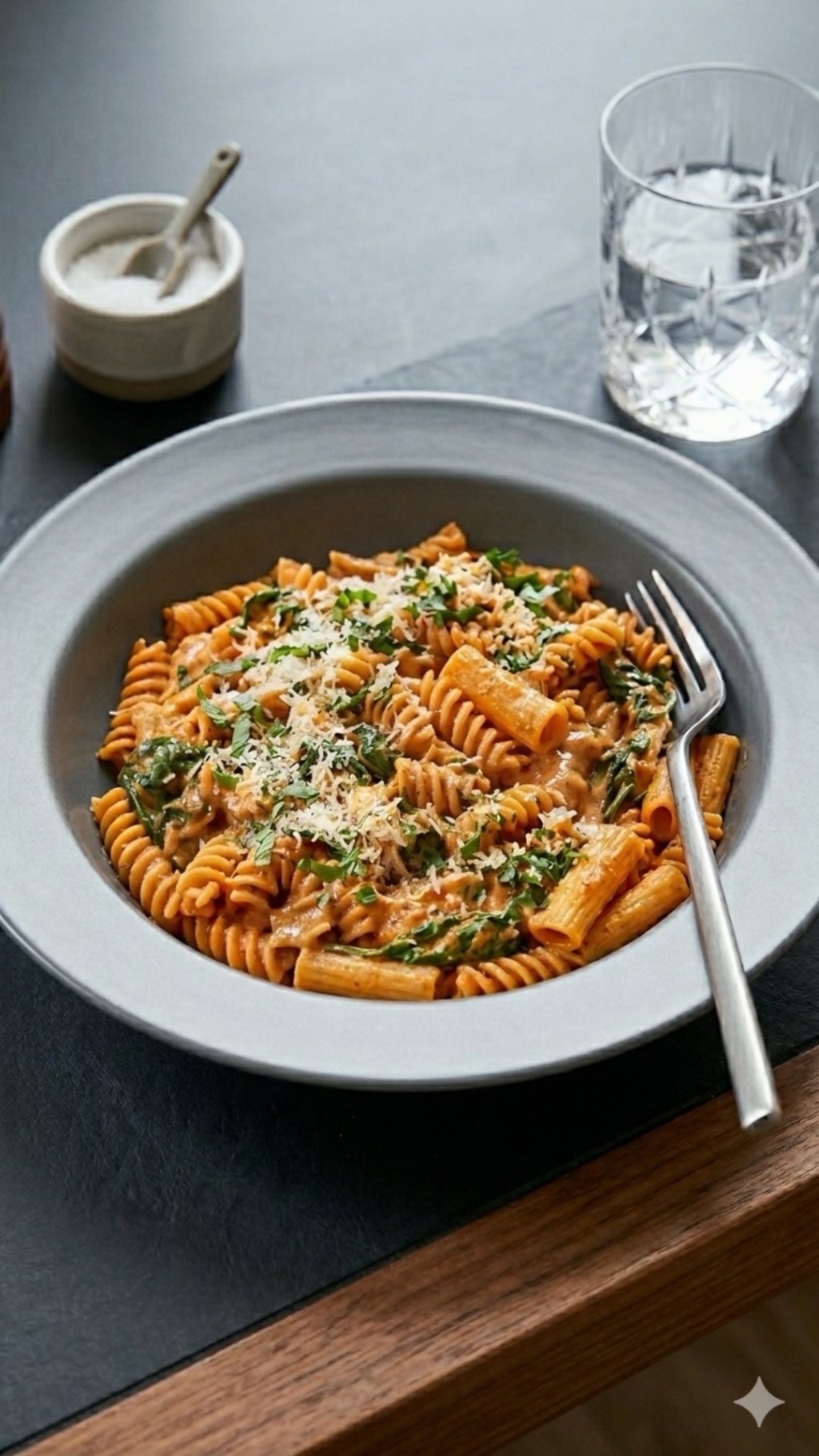
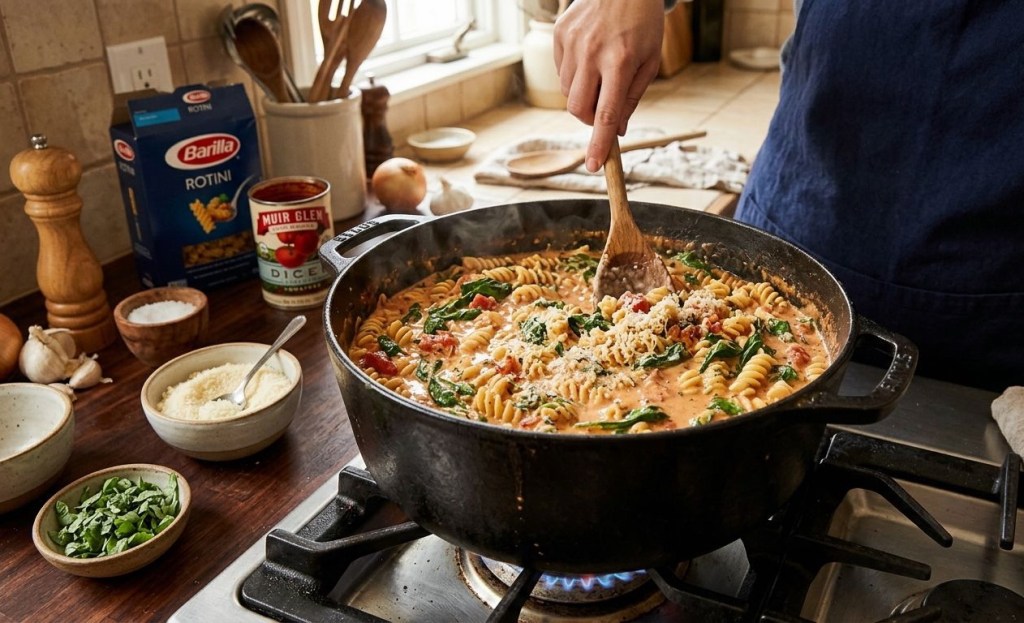
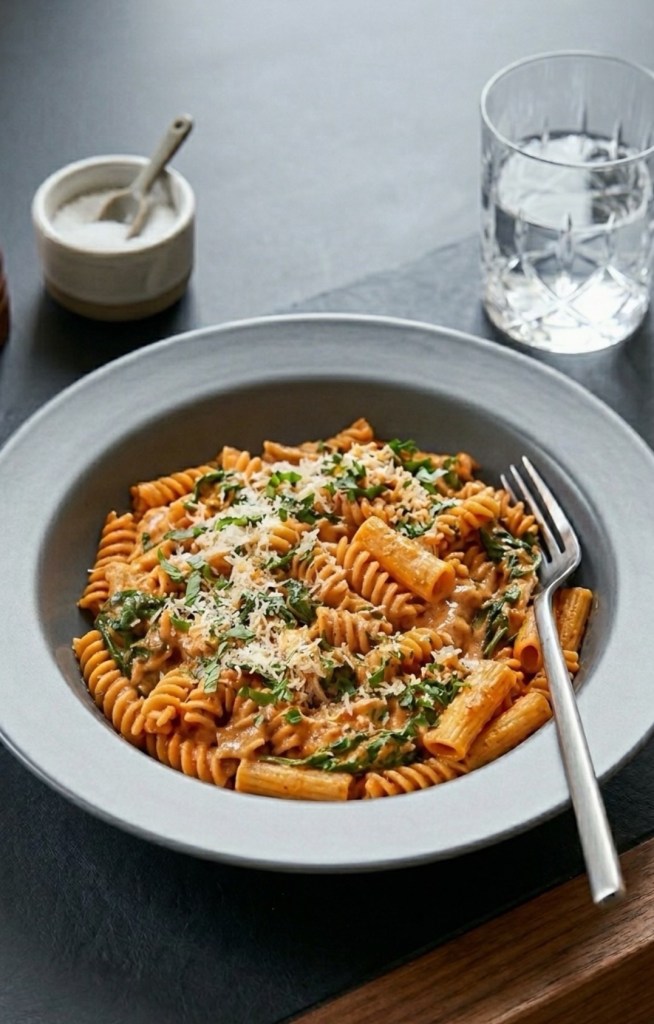
    If you need a cosy, filling dinner that doesn’t take much thinking about, this creamy mince and mushroom pasta is a lovely one to keep up your sleeve. It’s rich, savoury, family-friendly, and made with simple ingredients you probably already have in the fridge or cupboard.

    The mushrooms add extra flavour and make the sauce feel a bit more comforting, while the cream and cheese bring everything together into a silky, satisfying pasta dish. It’s perfect for a weeknight tea, especially when you’ve got a packet of mince and want something more exciting than the usual bolognese.


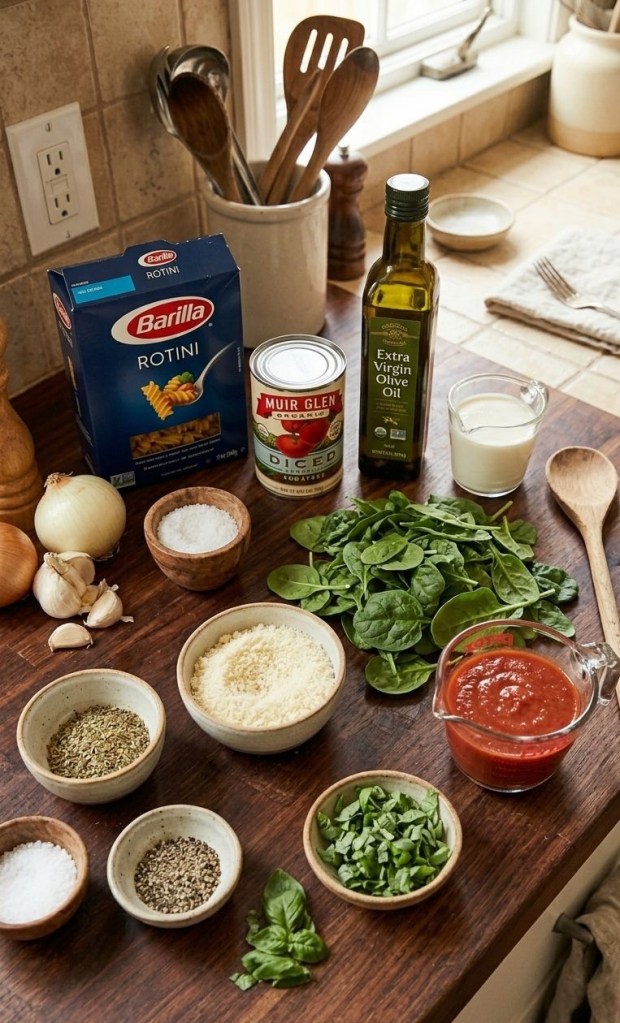
    Ingredients
    Serves 4


    • 400g beef mince
    • 300g pasta, such as penne, fusilli, shells or rigatoni
    • 150g to 200g mushrooms, sliced
    • 1 onion, finely chopped
    • 2 garlic cloves, crushed or finely chopped
    • 1 tbsp tomato puree
    • 1 tsp paprika
    • 1 tsp mixed herbs or Italian herbs
    • 300ml beef stock
    • 150ml double cream or single cream
    • 75g grated cheddar or parmesan
    • 1 tbsp Worcestershire sauce, optional but tasty
    • Salt and black pepper
    • 1 tbsp oil for frying

    Optional extras:
    • A handful of spinach
    • Frozen peas
    • Sweetcorn
    • Chilli flakes
    • Extra cheese for serving

    Method


    Bring a large pan of salted water to the boil and cook the pasta until just al dente.

    Before draining, save a mug of pasta water. This is useful later if you want to loosen the sauce.

    While the pasta is cooking, heat a little oil in a large frying pan over a medium heat. Add the chopped onion and cook for 3 to 4 minutes until softened.

    Add the sliced mushrooms and fry for another 4 to 5 minutes. Let them cook down properly so they release their water and start to turn golden.

    This gives the dish a deeper, more savoury flavour.


    Stir in the garlic and cook for about 30 seconds, just until fragrant.

    Add the beef mince and fry until browned, breaking it up with a spoon as it cooks. If there is a lot of excess fat, carefully drain some away.

    Add the tomato puree,

    paprika,

    mixed herbs,

    Worcestershire sauce, salt and black pepper. Stir everything together and let it cook for 1 minute so the flavours can deepen.


    Pour in the beef stock and let it simmer for 5 to 8 minutes until slightly reduced.

    Lower the heat, then stir in the cream.


    Add the cooked pasta to the pan and mix until everything is coated in the creamy sauce.

    Stir through the grated cheese until melted.

    If the sauce feels too thick, add a splash of the reserved pasta water until it’s just how you like it.

    Taste and adjust the seasoning if needed. Serve hot with extra cheese, black pepper and a sprinkle of herbs if you fancy.


    Tips


    For a richer flavour, use chestnut mushrooms instead of white mushrooms. If you want to make it stretch further, add peas, spinach or sweetcorn near the end of cooking.
    This is also a great recipe for leftovers. Keep it in the fridge and reheat gently with a splash of milk or water to bring the creamy sauce back.

    This creamy mince and mushroom pasta is the kind of easy, comforting meal that always goes down well. It’s simple enough for a busy weeknight, but still feels hearty and satisfying, with plenty of flavour from the mushrooms, garlic, herbs and creamy sauce.

    Serve it with a little extra cheese on top and maybe some garlic bread on the side, and you’ve got a cosy homemade dinner that everyone will want again.

  • Creamy Pesto Salmon Pasta Bake (Cosy, Creamy & So Easy)

    Creamy Pesto Salmon Pasta Bake (Cosy, Creamy & So Easy)


    This is one of those dinners that just feels right at the end of a long day. It’s warm, creamy, full of flavour, and looks like you’ve made a real effort… even though it’s actually very simple to throw together.


    This pesto salmon pasta bake has quickly become a favourite in our house. You’ve got flaky salmon, sweet roasted tomatoes, and a rich, creamy pesto sauce all wrapped up with pasta and topped with that golden, crispy finish. It’s the kind of meal that disappears quickly and gets requested again the next week.


    What I love most is how versatile it is. It’s perfect for a relaxed evening at home, but it’s also lovely enough to put in the middle of the table if you’ve got people coming round. And if you like to get ahead, you can prep it earlier in the day and just pop it in the oven when you’re ready.


    Ingredients
    • 150g cherry tomatoes, halved or sliced
    • 2 salmon fillets (about 260g)
    • 2 tbsp olive oil
    • 350g penne
    • 1 small broccoli (about 300g), cut into small florets
    • 150g pesto
    • 250g mascarpone
    • 50g breadcrumbs
    • 20g grated parmesan
    Method
    Start by preheating your oven to 160c . Arrange the cherry tomatoes and salmon fillets on a baking tray on foil season well, and drizzle over half of the olive oil.

    Bake for around 15/20 minutes, until the salmon is cooked through and the tomatoes are soft and juicy. Set aside to cool slightly.

    Meanwhile, cook the penne according to the packet instructions until al dente.

    Add the broccoli for the final 2 minutes so it cooks through but still keeps a bit of texture.


    Before draining, scoop out a large mug of the pasta water—this makes all the difference to your sauce.

    Return the pasta and broccoli to the pan, then stir in the pesto, mascarpone, and half of the roasted tomatoes.

    Add a splash of the reserved pasta water and mix until the sauce becomes smooth and creamy, similar to double cream.

    Flake in the salmon, removing the skin, and gently fold everything together so you keep those nice chunky pieces.


    Transfer the mixture to a large baking dish.

    Mix the breadcrumbs, parmesan, and remaining olive oil together, then scatter over the top.

    Finish by adding the rest of the tomatoes.

    Bake in a preheated oven at 200°C (180°C fan) for 20 minutes, or 25 minutes if cooking from chilled, until the top is golden and crisp.

    A Few Handy Tips
    • A little squeeze of lemon just before serving really brightens everything up.
    • You can easily swap the salmon for chicken or prawns if that’s what you have.
    • It reheats really well the next day, so it’s great for leftovers.
    Why You’ll Keep Coming Back to This
    It’s one of those reliable, no-fuss meals that still feels a bit special. Creamy, crispy, full of flavour—and easy enough to make any night of the week.

    Let me know if you give this one a go—I always love hearing what you think, and any little tweaks you make along the way. Don’t forget to save it for later, because this is definitely one you’ll want to come back to.

  • Slow cooker chilli con carne

    Slow cooker chilli con carne

    There is something very comforting about knowing dinner is gently bubbling away while you get on with your day.

    For me, this slow cooker chilli con carne is exactly that kind of recipe – a proper cosy bowl of food that basically cooks itself while you’re working, running errands, or just trying to keep on top of life.

    I love this for “throw it in before you leave the house” days. You literally tip everything into the slow cooker, give it a stir, pop the lid on and walk away. By the time everyone’s asking what’s for tea, you’ve got a rich, gently spiced chilli ready to spoon over fluffy rice. Leftovers are even better the next day, so it’s great for meal prep too. I like it with rice and grated cheese – simple but so satisfying.

    Why You’ll Love This Slow Cooker Chilli
    • True dump‑and‑go – no faffing with browning, just throw it all in and switch on.
    • Budget‑friendly – mostly tins and store‑cupboard spices, but tastes like you’ve been cooking it low and slow all day.
    • Versatile – serve with rice, on jacket potatoes, on nachos, or stash portions in the freezer.

    • Family‑friendly spice – you control the heat, so it can be as mild or as fiery as you like.

    Ingredients
    Serves 4–6
    • 500 g beef mince (ideally lean)
    • 1 large onion, finely chopped
    • 1 red pepper, diced
    • 2 garlic cloves, crushed (or 2 tsp garlic granules)
    • 400 g tin chopped tomatoes
    • 2 tbsp tomato purée
    • 400 g tin kidney beans, drained and rinsed
    • 1 beef stock cube dissolved in 150 ml boiling water
    • 1 tsp smoked paprika
    • 1–2 tsp chilli powder or chilli flakes (to taste)
    • 1 tsp dried oregano
    • ½ tsp sugar (to balance the tomatoes)
    • 1–2 tbsp Worcestershire sauce
    • Salt and black pepper, to taste
    Optional but lovely:
    • Around 25 g dark chocolate (70%) to stir in at the end for extra richness
    To serve:
    • Cooked rice (basmati or long‑grain work well)
    • Grated cheese (my favourite way to serve it)
    • Sour cream or yoghurt

    • Fresh coriander, lime wedges, tortilla chips

    Method (No Browning, Just Throw It In)

    Add everything to the slow cooker
    Put the raw beef mince straight into the slow cooker and break it up a little with a spoon or fork.

    Add the onion, red pepper, garlic, chopped tomatoes, tomato purée, sugar, stock, smoked paprika, chilli powder, oregano, and a good pinch of salt and pepper.

    Give everything a really thorough stir so the mince is broken up and coated in the sauce.

    Let the slow cooker do the work
    Pop the lid on and cook:
    • On LOW for 6–8 hours
    • Or on HIGH for around 4 hours

    30 minutes before it’s ready add the drained and rinsed kidney beans


    You’re looking for a thick, rich chilli with a glossy sauce. If it’s still a bit loose near the end, take the lid off and cook on high for another 20–30 minutes to reduce.

    Finish and serve
    If you’re using dark chocolate, stir it in right at the end until melted and fully incorporated.
    Taste and adjust the seasoning – add more salt, pepper, or chilli if you like extra heat.

    Serve generous spoonfuls over hot rice with a big handful of grated cheese on top, plus sour cream and any toppings you like. Leftovers keep well in the fridge for up to 3 days or can be frozen for future easy dinners.

    Serving Ideas and Leftovers
    • Spoon over jacket potatoes with cheese and spring onions.
    • Use as a topping for nachos – add cheese, pop under the grill, then finish with salsa and sour cream.
    • Stuff into wraps or tacos with lettuce and grated cheese for a “chilli burrito” style dinner.
    • Freeze in individual portions for easy grab‑and‑reheat lunches.

  • Accidental “I Just Threw It Together” Pasta

    Accidental “I Just Threw It Together” Pasta

    Tonight’s dinner started with one question: “What on earth can I make with pasta, mascarpone, soft goat’s cheese, eggs, streaky bacon and a lonely pepper?”

    Spoiler: you can make the creamiest, boujiest mid‑week pasta that tastes like carbonara’s glam cousin who moved to Italy, discovered goat’s cheese and never looked back.

    The Accidental “I Just Threw It Together” Pasta
    Let’s be honest: this is classic “kitchen clear‑out” cooking.
    You know the vibe – a few rashers of bacon, half a tub of mascarpone from that “I’ll definitely make a dessert” phase, a soft goat’s cheese you bought because it looked fancy, and one pepper slowly giving you side‑eye from the veg drawer.
    Instead of letting any of it go sad and shrivelled, we’re turning it into a silky, glossy pasta for two that looks like you planned it. You absolutely did not, but we’ll keep that between us.
    This dish is:
    • Creamy without being heavy
    • Salty and smoky from the bacon
    • Tangy and lush from the goat’s cheese
    • A little bit sweet from the peppers

    • Ready in about 20 minutes if you can multitask like a pro (or just vaguely manage not to burn the bacon)

    Ingredients for 2 Hungry People
    • 180–200 g dried pasta (any shape you fancy)
    • 4–5 slices streaky bacon, chopped
    • 1 pepper, sliced or diced
    • 3 heaped tbsp mascarpone
    • 40–50 g soft goat’s cheese
    • 1 egg
    • 1 small clove garlic, finely chopped (optional but lovely)
    • Salt and black pepper
    • A mug of pasta cooking water (liquid gold, don’t skip this)

    • Optional: pinch of chilli flakes, squeeze of lemon, or a grating of Parmesan if you’re feeling extra

    Step 1: Cook the Pasta (Yes, First)
    Yes, you cook the pasta first.
    No, we are not doing one‑pot chaos today.
    Bring a big pan of well‑salted water to the boil – it should taste like the sea, not a faintly disappointed puddle. Add your pasta and cook it until just al dente. Don’t walk away “just to check TikTok” unless you’ve set a timer.

    Before you drain it, scoop out a mug of that starchy pasta water. This is the secret to sauces that cling rather than sulk at the bottom of the bowl. Then drain the pasta and keep it warm.

    Step 2: Crispy Bacon, Sweet Peppers
    While the pasta is doing its thing, grab a large frying pan.
    • Add the chopped streaky bacon to a cold pan, then put it on medium heat. Starting it cold helps the fat render out slowly and makes everything extra crisp.
    • Fry until the bacon is golden and crisp. Try not to eat it all straight from the pan. (Good luck.)
    • Push the bacon to one side or lift it out onto a plate, leaving the glorious bacon fat in the pan.
    • Add your sliced/diced pepper (and garlic if you’re using it) to the pan.
    • Cook until the peppers are soft and slightly charred at the edges. Season lightly with salt and black pepper.

    At this point your kitchen smells like you actually know what you’re doing.

    Step 3: The Silky Mascarpone & Goat’s Cheese Magic
    Now for the part that makes this feel restaurant‑level with almost zero effort.
    In a bowl, whisk together:
    • 3 heaped tbsp mascarpone
    • 1 egg
    • A splash or two of hot pasta water (start with 2 tbsp)
    • A pinch of salt
    • Plenty of black pepper
    You want a smooth, pourable mixture – not too thick, not too runny. Think “luxurious single cream”.

    Now crumble or dollop in about half your soft goat’s cheese and stir it through. It doesn’t need to be perfectly smooth; a few streaks and tiny lumps are perfect. That tangy goat’s cheese cuts through the richness of the mascarpone and stops the whole thing feeling heavy.

    Step 4: The Carbonara‑Style Moment (No Scrambled Eggs Allowed)
    This is where we channel carbonara energy without the stress.
    • Add your hot drained pasta into the pan with the peppers and bacon. Toss everything together so the pasta is well coated in the bacon fat and pepper juices.


    • Turn the heat off under the pan. This is important. If it’s on, your egg mixture will scramble and you’ll have fancy breakfast pasta.
    • Pour over your mascarpone–egg–goat’s cheese mixture.


    • Toss and stir vigorously, like you mean it. Add splashes of your reserved pasta water as needed until the sauce turns glossy and coats every piece of pasta.

    The heat from the pasta and pan will gently cook the egg and melt the cheeses, giving you a beautifully creamy sauce instead of sad curds.

    Step 5: Finishing Touches (a.k.a. The Show‑Off Bit)
    Now taste it. This is your “what does it need?” moment.
    You can:
    • Add more black pepper
    • Add a tiny pinch more salt if needed
    • Squeeze in a bit of lemon for brightness
    • Sprinkle over some chilli flakes if you like a little kick
    Finally, dollop or crumble the remaining soft goat’s cheese over the top. You’ll get gorgeous little creamy, tangy pockets as you eat – like little surprise flavour bombs.

    Serve immediately in warm bowls, twirl it high for maximum drama, and pretend you haven’t just cooked this in 20 minutes using odds and ends from the fridge.

    Make It Extra (Optional Little Twist)
    If you want to take it to the next level:
    • Tip the finished pasta into a small oven dish.
    • Add a few extra blobs of goat’s cheese on top.
    • Pop it under a hot grill for a couple of minutes until you get golden, slightly toasted spots of cheese.

    Now it looks like a pasta bake that took an hour. You and I both know it absolutely did not.

    Why This Works So Well
    This little recipe hits that sweet spot between comfort food and “I could serve this to guests and not be ashamed”:
    • The mascarpone makes the sauce ultra velvety without faffing with flour or roux.
    • The egg gives you that carbonara‑style silkiness and richness.
    • Soft goat’s cheese adds tang and personality so it’s not just “creamy for the sake of it”.
    • Bacon brings salt, smoke and crunch.
    • Peppers add sweetness and colour, stopping it from being a beige bowl of doom.

    It’s the kind of meal you can throw together on a weeknight that still feels a bit special – like you’ve made an effort when you absolutely considered toast.

  • Easy Peasy Red Lentil and aubergine  Moussaka (Feeds 4)

    Easy Peasy Red Lentil and aubergine Moussaka (Feeds 4)


    If you love proper comfort food but don’t want to faff around with loads of ingredients, this Easy Red Lentil Moussaka is for you. It’s rich, cosy, uses simple store‑cupboard bits, and still feels a bit “special” when it comes out of the oven. Think soft layers of aubergine, a gently spiced red lentil base, and a creamy, golden top – but all very doable on a weeknight.
    Below is everything you need: ingredients, method, and a few little tips so it comes out perfect first time.

    Ingredients (serves 4)
    For the aubergine
    • 2 large aubergines, sliced into 1 cm rounds
    • 2 tbsp olive oil (for brushing)
    • Salt and pepper
    For the lentil layer
    • 2 tbsp olive oil
    • 4 garlic cloves, finely grated or crushed
    • 2 tsp dried oregano
    • 2 tsp ground cinnamon
    • 150 g dried red split lentils, rinsed
    • 2 tsp Worcestershire sauce (or a vegan alternative)
    • 20 g vegetable stock paste or 2 vegetable stock cubes
    • 2 × 400 g tins chopped tomatoes
    • 2 tsp sugar
    • 150 ml water – more if lentils look dry
    • Salt and pepper, to taste

    Method

    Get the aubergine going
    Preheat your oven to 220°C / 200°C fan / gas 7. Line one or two baking trays with baking paper if you want easier washing up. Lay the aubergine slices out in a single layer, brush (or drizzle and rub) with olive oil on both sides, and season with salt and pepper.
    Roast for about 20–25 minutes, turning halfway, until the slices are soft, lightly golden and just starting to catch at the edges. You want them cooked through because they won’t get much more time in the oven later.

    Start the lentil base
    While the aubergine is roasting, heat 2 tbsp olive oil in a large pan over medium–high heat. Add the dried oregano, ground cinnamon and about half of your garlic. Cook for around 1 minute, stirring, just until everything smells fragrant – you don’t want the garlic to brown.
    This little step – toasting the herbs and spices – makes the whole dish taste warmer and more “slow‑cooked” than it really is.

    Add lentils and liquids
    Tip in the rinsed red lentils, Worcestershire sauce, stock paste or cubes, chopped tomatoes, sugar and the water. Give it all a good stir, scraping up anything that’s stuck to the bottom of the pan.
    Bring it up to the boil, then turn the heat down so it’s gently simmering. Leave it to bubble away for about 20–25 minutes, stirring occasionally. Red lentils break down and thicken as they cook; you’re aiming for a thick, spoonable sauce – not soupy, not dry.
    If it starts to look too thick before the lentils are soft, add a splash more water. If it’s still a bit runny at the end, just let it simmer with the lid off for a few extra minutes.

    Season properly
    When the lentils are soft and the sauce is nice and thick, stir in the remaining garlic and season really well with salt and pepper. Taste it – this is your moment to get the flavour right. The lentils should taste rich, tomatoey and slightly warm from the cinnamon, not flat or bland.
    Turn off the heat and set aside for a moment while you sort the topping.

    Mix the creamy topping
    In a small bowl, stir together the crème fraîche and most of the grated cheese, keeping a little cheese back for sprinkling on top. Add a good grind of black pepper. You don’t need to overthink this – just mix until it’s smooth and combined.
    If you prefer a slightly looser topping, you can add a tablespoon or two of water or milk to loosen it slightly.

    Build your moussaka
    Tip the lentil mixture into a medium–large ovenproof dish and spread it out evenly. You want a reasonably thick layer, not too shallow.
    Lay the roasted aubergine slices over the lentils in a single layer, overlapping them slightly like roof tiles.

    Spoon the crème fraîche and cheese mixture over the top and gently spread it right to the edges. Sprinkle over the remaining cheese.

    You should now have three layers: lentils, aubergine, creamy top.

    Bake until golden
    Pop the dish under a hot grill or back into the oven (still at 220°C / 200°C fan) for about 5–8 minutes, just until the top is bubbling and golden in patches.

    Keep an eye on it – it can go from perfect to very dark quite quickly.

    Once it looks lovely and golden, take it out and let it sit for 5–10 minutes. This resting time helps it firm up so it’s easier to scoop or slice.

    Optional: quick garlic bread
    If you’re making the garlic bread, you can do this while the moussaka is having its little rest.

    Mix the grated garlic with olive oil and a pinch of oregano or za’atar. Spread the mixture onto your ciabatta slices. Grill or bake for a few minutes until crisp and lightly golden at the edges. Serve on the side to mop up all the lentil sauce.

    Little tips and swaps
    • Want it lighter? Use half crème fraîche and half fat‑free Greek yoghurt, or swap entirely to a thick yoghurt if you don’t mind a slightly tangier top.
    • Make it vegan: Use a plant‑based yoghurt instead of crème fraîche, a vegan cheese, and a vegan Worcestershire or a splash of soy sauce.
    • Spice it up: Add a pinch of chilli flakes when you add the cinnamon if you like a bit of warmth.
    • Prep‑ahead friendly: You can assemble the whole thing earlier in the day, keep it in the fridge, then bake until hot and golden when you’re ready to eat. Just give it a few extra minutes in the oven if it’s going in cold.

    This dish really feels like “home” to me – simple ingredients, nothing fancy, but so much love in the layers. I love that you can make it on a normal weeknight and it still feels like a little moment of care, whether you’re cooking just for yourself or feeding a full table. If you do make it, I hope it becomes one of those recipes you come back to on the days you need something warm, comforting and uncomplicated – the kind of meal that quietly looks after you while you get on with life.

  • Sausage & Bean Casserole – The Ultimate Comfort One‑Pot

    Sausage & Bean Casserole – The Ultimate Comfort One‑Pot


    If there’s one dish that feels like a warm hug on a plate, it’s this sausage and bean casserole. It’s the kind of meal that looks after you, feeds leftovers into lunches, and makes the house smell like proper home cooking. I always make enough to feed a family of four with plenty left over for tomorrow’s lunch tucked neatly in the freezer.


    What I Use


    For me, getting the base ingredients right makes all the difference. I’ll usually grab:
    • Good quality pork sausages (I always go for Heck chipolatas because they’re 97% pork and packed with flavour, not additives).
    • Rashers of rindless streaky bacon for that savoury, salty hit.
    • A couple of onions, a good handful of garlic, and the soft bits from the fridge that need using.
    • A tin of chopped tomatoes plus a dollop of tomato purée for depth.
    • A tin of butter beans (or mixed beans) and some good chicken stock.
    • Fresh herbs, a pinch of chilli or smoked paprika, and those little extras that make it feel like yours.
    On this particular day, I had 1 red pepper and 2 sticks of celery, plus a big bunch of flat leaf parsley sitting in the fridge, all begging to be used. If there are any soft cherry tomatoes lurking at the back, I’ll chop them up and throw them in too—no waste, all flavour.

    Ingredients

    • 12 good pork sausages (I use Heck chipolatas, 97% pork)
    • 6 rashers rindless streaky bacon, chopped into small pieces
    • 2 onions, sliced or finely chopped
    • 1 red pepper, sliced or diced
    • 2 sticks of celery, finely chopped
    • 3–4 garlic cloves, finely chopped
    • 1 tbsp cooking oil (sunflower or olive)
    For the sauce:
    • 1 tbsp tomato purée
    • 1 × 400 g tin chopped tomatoes
    • 300 ml chicken stock (about ½ bottle)
    • 1 tbsp Worcestershire sauce
    • 1 tbsp dark brown sugar or muscovado sugar
    • ½–1 tsp chilli powder or 1 tsp smoked paprika (adjust to taste)
    • ¼ tsp dried marjoram
    • ¼ tsp dried basil
    • ¼ tsp dried oregano
    • ¼ tsp dried thyme
    • 2 bay leaves
    • A few fresh thyme sprigs (optional, but lovely if you have them)
    For the beans & finish:
    • 1 × 400 g tin butter beans or mixed beans, drained and rinsed
    • A big bunch of flat leaf parsley, chopped (plus a little extra to sprinkle on top)
    • Salt and freshly ground black pepper, to taste
    Optional but encouraged:
    • Any soft or slightly over‑ripe cherry tomatoes from the fridge, chopped (toss in with the sauce)

    My Method (In My Kitchen)

    1. Brown the meat
      I start by heating a little oil in a big frying pan or my cast‑iron casserole dish. The sausages go in first. I like to brown them all over so they get a little golden crust without drying out. Then they go into the casserole while I cook the bacon in the same pan until it’s crisp and golden. All that tasty bacon fat stays in the pan—that’s the start of flavour magic.
      Top tip: Always buy more sausages than you think you’ll need. It’s hard not to eat one here, one there as you’re cooking, and by the end you’ll still want plenty in the pot!

    Soft veg base
    In a separate pan go the onions, I let them cook down slowly until they’re soft and starting to caramelise. When they’re ready, I add the garlic, stirring for just a minute so it doesn’t burn. If I have any soft cherry tomatoes, I’ll add them now too—they’ll break down into the sauce and give it a lovely natural sweetness.

    Build the sauce
    Next I stir in a bit of chilli powder or smoked paprika (enough so you can feel it but not so much it takes over), then the chopped tomatoes, a tablespoon of tomato purée, and enough chicken stock to just cover the bottom of the pan. A splash of Worcestershire sauce and a teaspoon of brown sugar help balance the acidity, and in go my dried herbs—usually a mix of marjoram, basil, oregano and thyme, plus bay leaves and a few sprigs of fresh thyme if I have them.
    Once it’s bubbling gently, I pour everything into the casserole with the sausages and bacon. Everything simmers together, the sausages soaking up all that rich, tomato‑y goodness. I put in the celery, tomatoes and chopped peppers then combine.

    The gentle simmer
    I cover the pot loosely and let it simmer for about 20 minutes on a low heat. I’ll give it the occasional stir to stop anything catching, but otherwise it pretty much looks after itself. This is when the house really starts to smell amazing.

    Add beans and finish


    After the sauce has thickened slightly, I stir in the drained beans and let it all go for another 10 minutes until the sausages are cooked through and the casserole feels thick and comforting. If the sauce is a touch too thin, I’ll let it bubble uncovered for a few extra minutes; if it’s too thick, a splash of stock or water sorts it out.


    Right at the end, I pull out the bay leaves, tear in the flat leaf parsley, and give it one final stir. The result is a deep, hearty casserole with soft veg, tender beans, and juicy sausages coated in a rich, glossy sauce.

    How I Serve It
    I live for this served with creamy mashed potato—it soaks up the sauce beautifully and makes it feel like proper comfort food. If you’re in a rush, a spoonful over rice or alongside crusty bread works just as well.

    Leftovers heat up brilliantly and taste even better the next day, and the whole thing freezes really well in portion‑sized containers.

    If you’re batching this into content‑ready dinners, freeze it flat in freezer‑safe containers so it thaws faster and stacks neatly in the freezer. It’s my go‑to “no‑stress” family meal that still looks and tastes like love on a plate.

  • Café‑Style Baked Eggs with Chorizo and Cheddar

    Café‑Style Baked Eggs with Chorizo and Cheddar


    Café‑style brunch without leaving the house? Yes please. These baked eggs are my current obsession: a little ramekin filled with creamy egg, tangy crème fraîche, juicy cherry tomatoes and smoky chorizo, all finished with a blanket of melted cheddar.


    It looks like something you’d order with a flat white in a trendy brunch spot, but it’s secretly a very low‑effort, “use what’s in the fridge” kind of recipe. I started with a simple baked eggs base and then threw in what I had on hand – and it turned into the kind of dish you immediately want to make again tomorrow.
    What makes these baked eggs special
    Here’s how my version differs from a plain baked egg:
    • I use crème fraîche instead of milk or cream for extra tang and richness.
    • Cherry tomatoes add juicy sweetness and stop things feeling heavy.
    • Chorizo brings smoke, spice and those gorgeous orange oils.
    • Everything is built directly in the ramekin – egg first, goodies on top.
    • A good sprinkle of cheddar melts into a golden, bubbly top.
    You still get that soft, just‑set egg from baking the ramekins in a water bath, but with way more flavour and texture going on.

    Step‑by‑step: Café‑Style Baked Eggs with Chorizo and Cheddar

    Heat the oven
    Preheat your oven to 180–190°C and put the kettle on to boil. Lay a clean tea towel in the bottom of a roasting tin to stop the ramekins sliding around.

    Grease the ramekins
    Lightly butter your ramekins so the eggs don’t stick and the edges stay lovely and soft.

    Fry the chorizo
    Add the diced chorizo to a dry frying pan over medium heat. Cook for a few minutes until it starts to crisp and releases its oil, then take it off the heat.

    Start with the eggs and crème fraîche
    Crack one egg into each buttered ramekin. Add about 1 tablespoon of crème fraîche, dotting it around the yolk

    Tomatoes and chorizo on top
    Scatter the chopped cherry tomatoes over the egg, then spoon the fried chorizo on top, making sure you get some of that flavourful oil too.

    Season and cheese
    Sprinkle with a little salt and plenty of black pepper. Finish with a generous handful of grated cheddar over everything.

    Bake in a water bath
    Place the ramekins in the roasting tin. Carefully pour in the hot water until it comes about halfway up the sides of the ramekins.

    Transfer to the oven and bake for 10–15 minutes, depending on how runny you like your yolks.

    Serve and dunk
    When the whites are just set and the cheese is melted and golden, lift the ramekins out of the tray and dry the bottoms. Serve immediately with hot buttered toast or savoury muffins for dunking.

    One ramekin per person is perfect for a light brunch or lazy lunch, but you can easily double up if you’re extra hungry.

    Easy twists and swaps
    Once you’ve nailed this method, you can mix and match whatever you’ve got in the fridge:
    • Swap the chorizo for bacon, ham or smoked salmon.
    • Add spinach, mushrooms or leftover roasted veg for extra veg.
    • Use feta, goat’s cheese or Parmesan instead of cheddar.
    • Add chilli flakes or smoked paprika if you like more heat.


    It’s one of those recipes that feels a bit fancy but is actually very forgiving – perfect for lazy Sundays, solo “treat yourself” breakfasts or a quick, impressive brunch when you’ve got people round.

  • Beet Risotto with Goat’s Cheese, Honey & Truffle Oil — My Budapest-Inspired Favourite

    Beet Risotto with Goat’s Cheese, Honey & Truffle Oil — My Budapest-Inspired Favourite


    You know those dishes that instantly transport you back to a special place? For me, this gorgeous beet risotto does exactly that. The first time I tried it was on a freezing cold December day in Budapest, tucked away in a fabulous little restaurant down a side street.

    I still remember the deep ruby colour, the velvety texture, and that perfect mix of earthy beetroot, creamy goat’s cheese and just a hint of truffle oil. Outside the wind was bitter, but inside it was all warmth, candlelight and that heavenly aroma. Ever since that night, it’s been a firm favourite in my kitchen — indulgent, comforting, and just that bit fancy without actually being hard to make.

    Quick beetroot tip
    Before we start — wear gloves! Either rubber or disposable plastic ones. Beetroot is a beautiful thing but it will stain absolutely everything — hands, chopping boards, worktops, you name it. I always pop a sheet of greaseproof paper over my chopping board before peeling or grating the beetroot, which completely saves it from turning pink. A bit of prep makes all the difference (and saves on scrubbing later!).
    What you’ll need
    • 2 medium raw beetroot, peeled and coarsely grated
    • 1 small onion, finely chopped
    • 1 ½ cups (around 300 g) Arborio risotto rice
    • 1 litre hot vegetable stock (keep it simmering on low)
    • 2 tablespoons olive oil
    • 1 tablespoon butter
    • 100 ml dry white wine (optional but lovely)
    • Salt and pepper to taste
    • 1 tablespoon runny honey
    • 75 g soft goat’s cheese (use the creamy kind – sliced neatly for topping)
    • A drizzle of truffle oil (or olive oil if you don’t have truffle)
    Method

    Have your grated beetroot ready (gloves and greaseproof paper at the ready so you don’t stain everything)

    In a large pan, heat the olive oil over a medium heat. Add the chopped shallot and garlic and let it soften gently — you want it translucent, not browned

    Tip in the Arborio rice and grated beetroot and stir for a minute or two so everything gets coated, glossy and lightly toasted. The rice will start to take on that gorgeous pink colour straight away

    Pour in the white wine (if using) and stir until most of it’s absorbed. Then start adding your hot stock, one ladle at a time, stirring often and waiting until each bit has soaked in before adding more.

    Keep going with the stock, stirring regularly, until the rice is tender but still has a tiny bite — about 20–25 minutes in total.

    Season with salt and pepper, then stir through the honey for that touch of mellow sweetness that balances the earthy beetroot beautifully.

    To serve, spoon the risotto into bowls, top with blobs of soft goat’s cheese, and finish with a drizzle of truffle oil and a little more honey


    The heat from the risotto just melts the cheese so it goes soft and creamy — and that mix of colours, the pink beetroot with a swirl of white goat’s cheese on top, looks absolutely stunning on the plate. It’s cozy, comforting and a little bit indulgent — perfect for creating a taste of Budapest magic right at home.


    Serving suggestions
    I love serving this on a chilly evening with something light and fresh on the side, just to balance all that creamy, cosy loveliness. A simple green salad with peppery rocket, a squeeze of lemon and a few toasted nuts works brilliantly with the earthy beetroot and tangy goat’s cheese. Warm crusty bread or a baguette is perfect for scooping up every last bit from the bowl — nothing goes to waste in this house.


    If you fancy a glass of wine with it, a crisp sauvignon blanc or dry riesling works really well with the sweetness of the beetroot and the creaminess of the risotto. If you’re more of a red wine person, go for something light and elegant like a pinot noir or Beaujolais so it doesn’t overpower the dish. To be honest though, it’s one of those dishes that feels special even with just a chilled glass of fizzy water and a candle on the table — proper Budapest winter vibes at home.