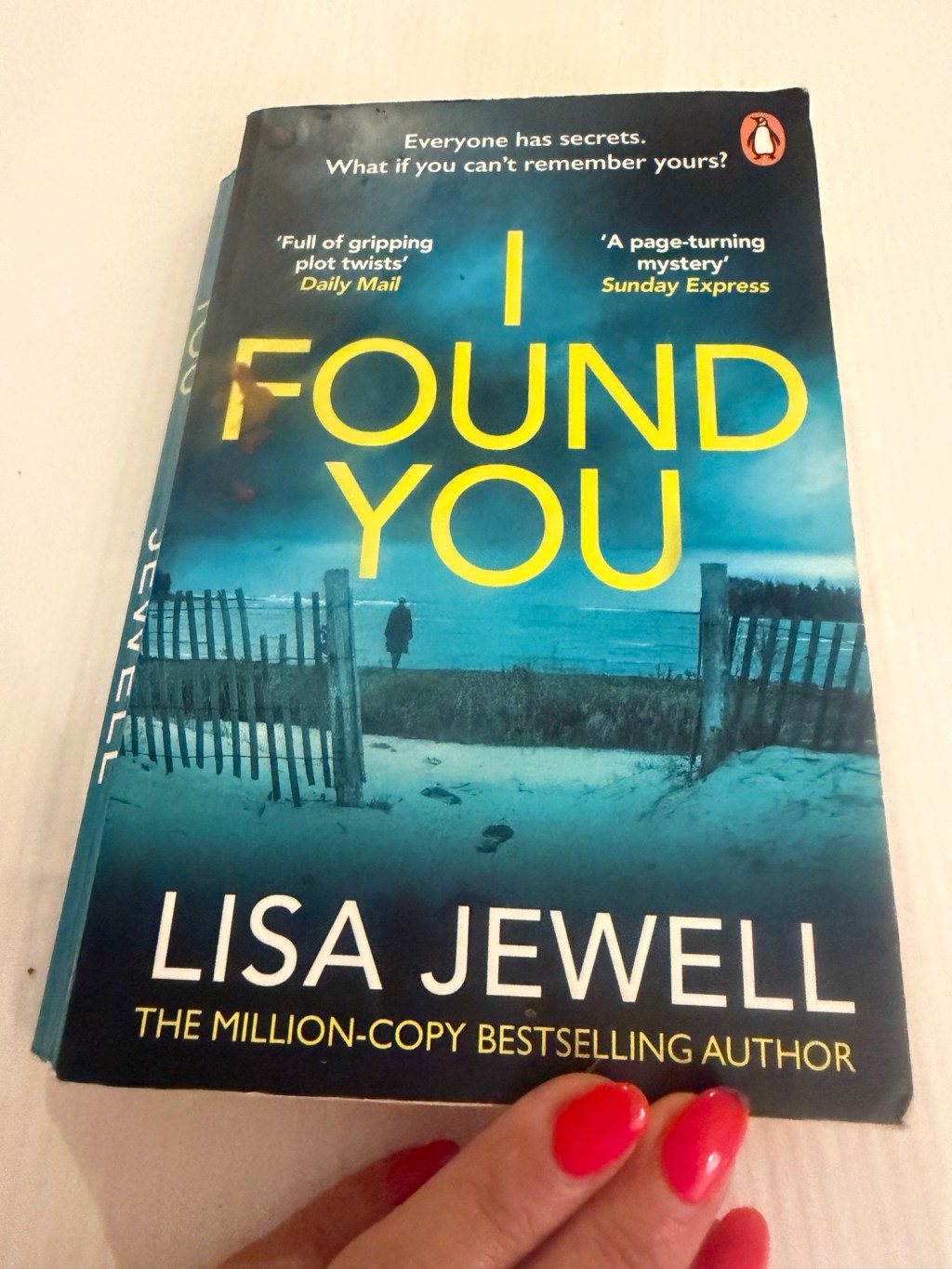
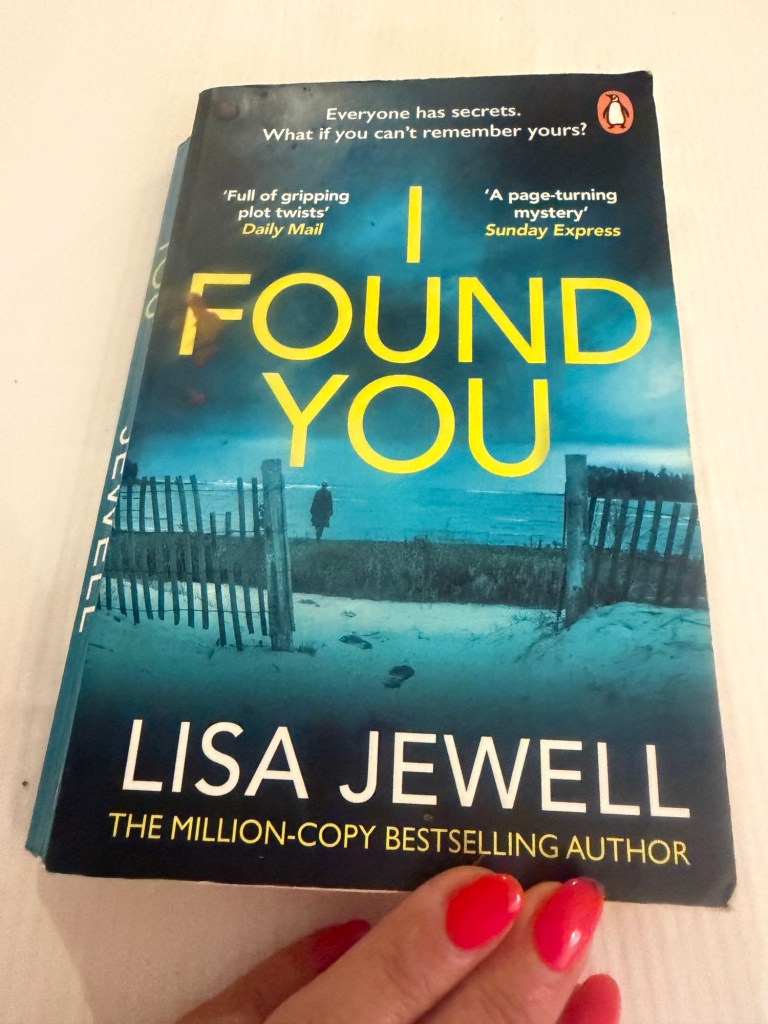
Lisa Jewell’s I Found You is a masterclass in suspense, delivering the kind of twisty, character-driven storytelling that keeps you hooked from the very first page to the final reveal.
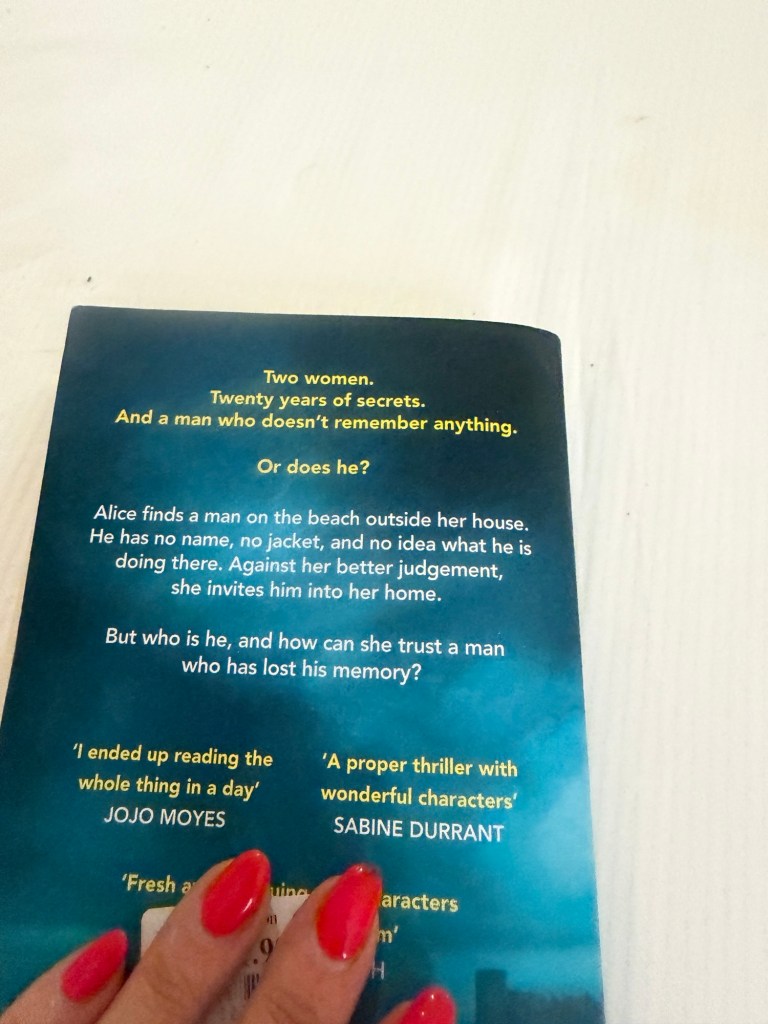
Set across dual timelines, the novel introduces us to Alice, a single mother who discovers a mysterious man on the beach outside her home. He has no memory of who he is or how he got there. At the same time, in London, newlywed Lily is thrown into panic when her husband Carl disappears without a trace—just days after their wedding. What follows is a cleverly woven narrative that slowly draws these two seemingly separate stories together. Jewell excels at building tension through small, unsettling details rather than dramatic shocks. The pacing is steady but gripping, allowing the suspense to simmer as each piece of the puzzle falls into place. Just when you think you’ve figured it out, another twist pulls you in a different direction. The strength of I Found You lies in its characters. They feel real, flawed, and deeply human, which makes the mystery all the more compelling. Alice, in particular, is a standout—warm, intuitive, and determined to help a stranger, even when it puts her at risk. As with all of Lisa Jewell’s novels, the real magic is in how everything connects. The ending is both satisfying and surprising, tying together the threads in a way that makes you want to go back and spot the clues you missed. If you enjoy psychological thrillers that keep you guessing until the very end, I Found You is a must-read. It’s a perfect choice for anyone who loves layered storytelling, emotional depth, and a plot full of unexpected turns. Rating: 4.5/5 – A gripping, cleverly plotted thriller that keeps you guessing.
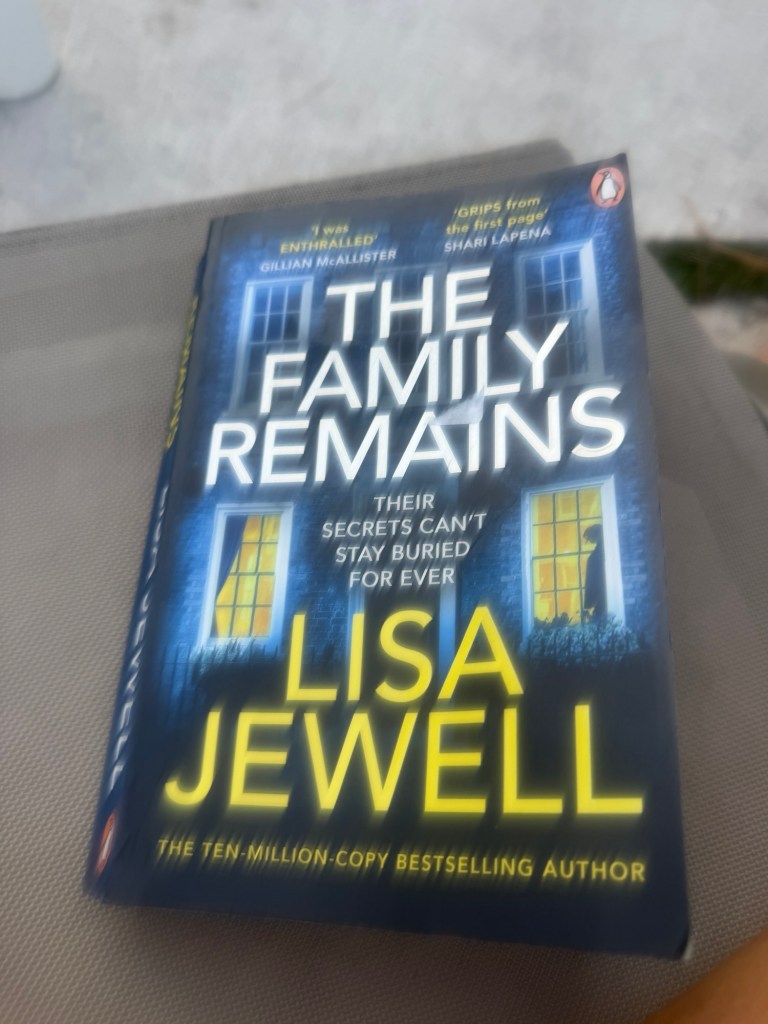
If you haven’t read The Family Upstairs, start there first. In my opinion this is not a standalone, whatever the cover might suggest — without that backstory you’ll be lost.
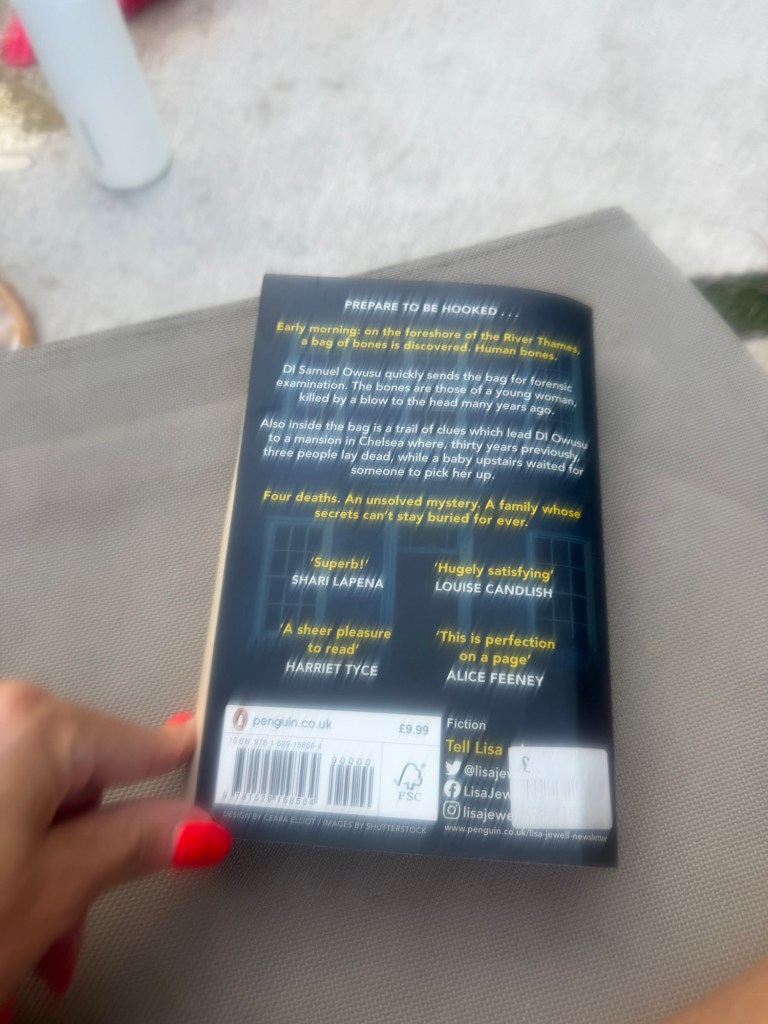
For those who did read the first book, this picks up with siblings Henry and Lucy Lamb, now adults, still living in the shadow of a deeply traumatic childhood. Their parents fell under the spell of a controlling con man who essentially turned their family home into a cult — and the fallout from that is still very much haunting everyone. Lucy’s daughter Libby, who was left behind as a baby in that house, is about to travel to Botswana to finally meet her biological father Phin — a boy who grew up alongside Henry and Lucy during those dark years. But Phin mysteriously disappears before they can reach him, and Henry, who has always been obsessively fixated on Phin, takes off alone to track him down in Chicago. What follows is a multi-strand story — Lucy chasing after Henry, a detective investigating bones pulled from the Thames that lead back to that same Chelsea mansion, and a new character called Rachel, whose story of escaping an abusive husband slowly weaves into everything else. It sounds gripping, and at times it is — but for me the multiple storylines and narrators made it feel a little scattered. It lacked the claustrophobic tension of the original. Rachel’s whole thread in particular felt like it dragged the pace down rather than adding to it. Still worth reading if you loved the first book — just go in knowing it won’t quite hit the same heights. Rating: 3.5/5
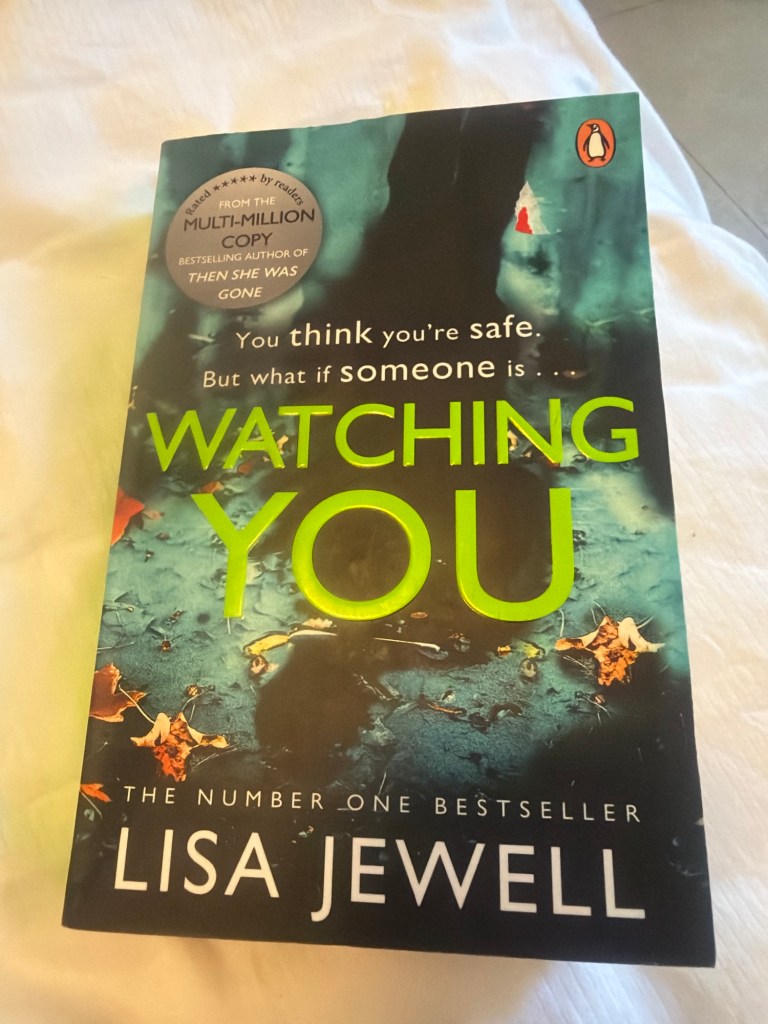
In the posh, leafy enclave of Melville Heights, the houses are large, the lawns are pristine, and the secrets are suffocating. Lisa Jewell’s Watching You is a masterclass in domestic noir that proves how easily an idyllic suburban veneer can crack.
A Tangled Web of Obsession
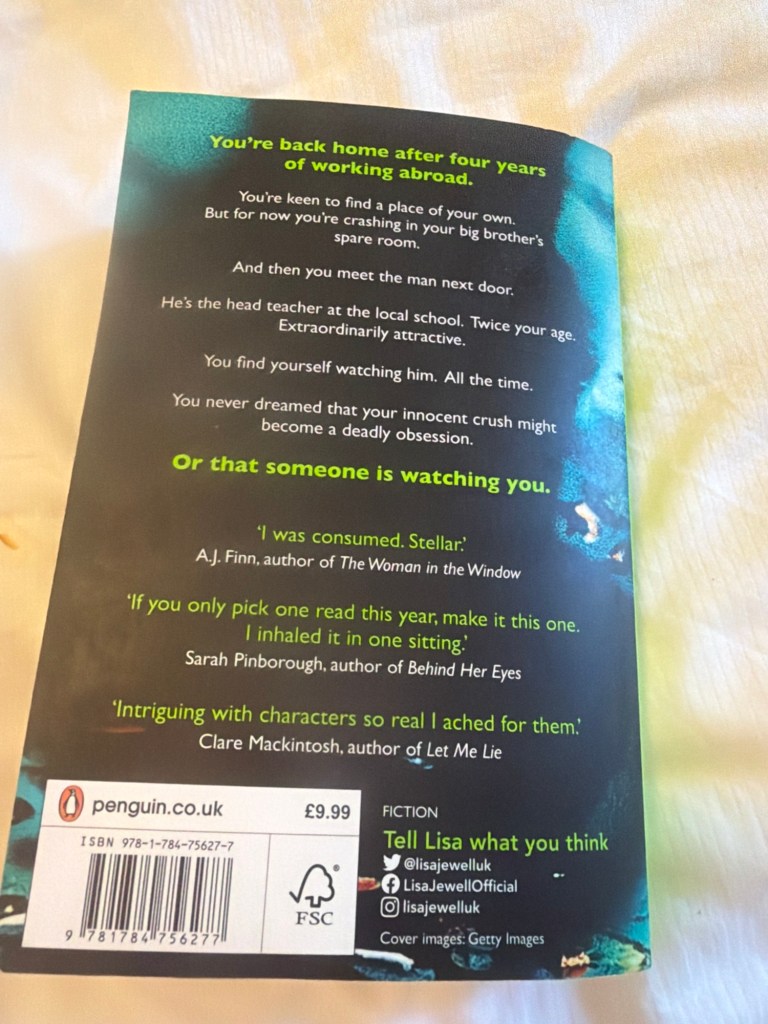
The story centers on Tom Fitzwilliam, a charismatic headmaster who is practically worshipped by the residents of Melville Heights. He is the “perfect” neighbor—kind, handsome, and endlessly helpful. However, the narrative is framed by a looming tragedy: someone in this neighborhood is determined to kill him.
The plot is masterfully layered, primarily through the eyes of:
Joey Mullins: A young woman who has just moved into the neighborhood with her husband. She becomes deeply, unhealthily obsessed with Tom, convinced there is a sinister side to his “too-perfect” persona.
Jenna Tripp: A teenage girl living in the shadow of a local tragedy. Her mother, Beth, was the victim of a brutal assault years prior, and Jenna is haunted by the past and the strange dynamics of the neighborhood.
The Neighborhood: Jewell masterfully weaves together the viewpoints of various neighbors, each of whom is watching one another. Whether it’s through windows, social media, or whispered gossip, the “watching” in this book is constant and invasive.
Why the Plot is So Compelling
What sets this thriller apart is the dual-timeline approach. We are not just dealing with the current threat against Tom Fitzwilliam; we are simultaneously investigating the long-buried secrets regarding the death of a local teenager named Viva Hart years earlier.
As the present-day plot intensifies—with Joey’s obsession spiraling and the neighborhood tensions reaching a breaking point—the two timelines begin to collide. Jewell forces the reader to act as a detective, connecting the dots between past trauma and current motives.
The Moral Ambiguity: Nothing in Melville Heights is black and white. Jewell purposefully blurs the line between the victim and the villain. Is Joey a worried citizen uncovering a predator, or is she a stalker herself? Is Tom the hero everyone believes him to be, or is he manipulating those around him?
The Slow Burn: The plot thrives on the slow revelation of small, unsettling details—a notebook, a stray lock of hair, a secret glance—that gradually build into a suffocating sense of dread.
The Final Twist: Without giving too much away, the epilogue is a gut-punch. It recontextualizes everything you’ve just read, shifting the blame for the town’s darkest historical tragedy in a way that is as terrifying as it is brilliant.
The Verdict
Watching You is a gripping, multi-layered puzzle. While some might find the middle chapters a deliberate slow burn, it is essential for the character development that makes the final reveal so effective. Jewell doesn’t just write a thriller; she writes a sharp, uncomfortable commentary on how obsession blinds us and how the most dangerous secrets are often hidden in plain sight.
Who should read this? If you crave psychological depth, complex character studies, and a twist that stays with you long after the final page, put this at the top of your reading list.
This post may contain affiliate links, which means I may earn a small commission if you purchase through them — at no extra cost to you. As an Amazon Associate, I earn from qualifying purchases
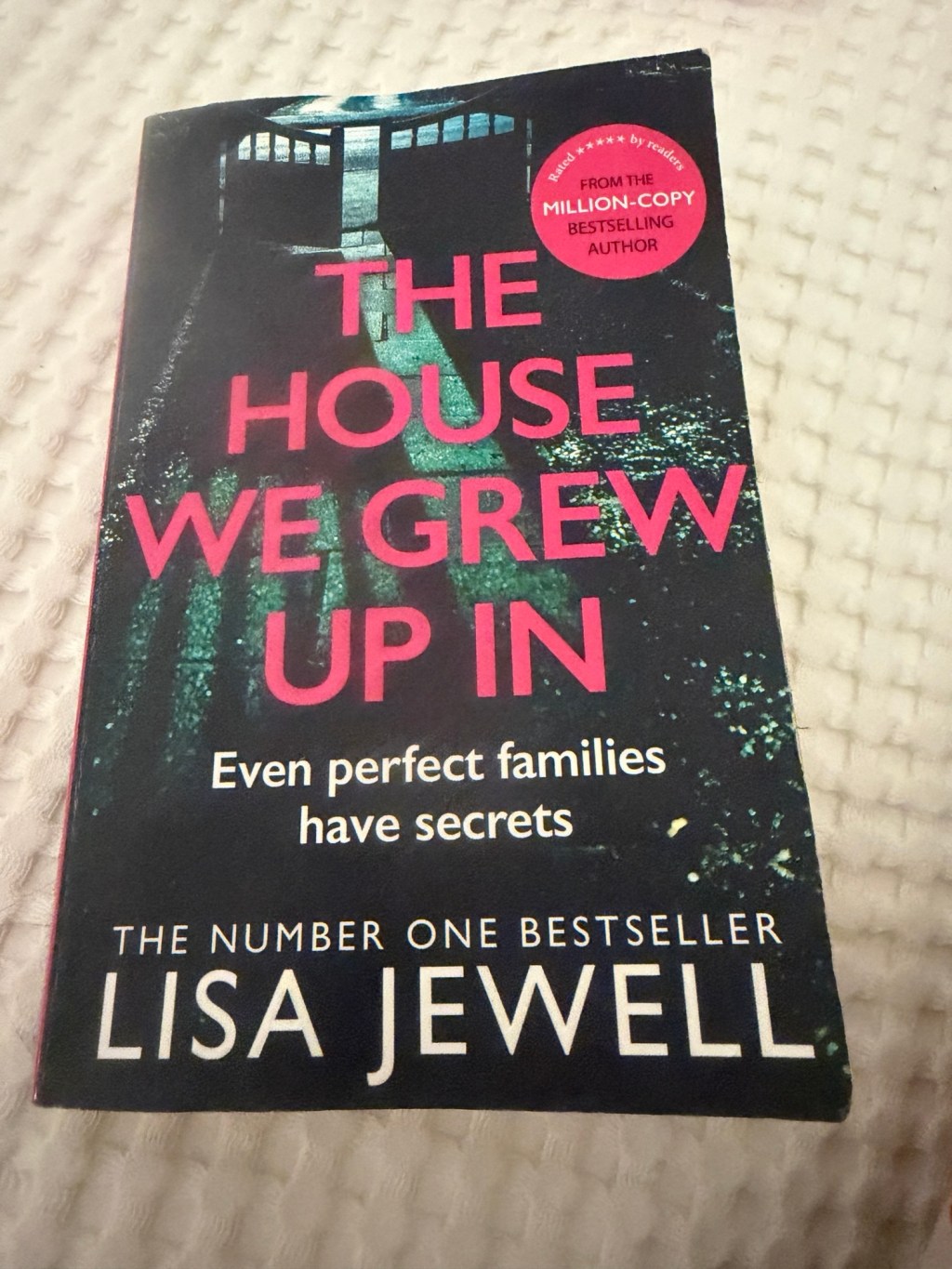
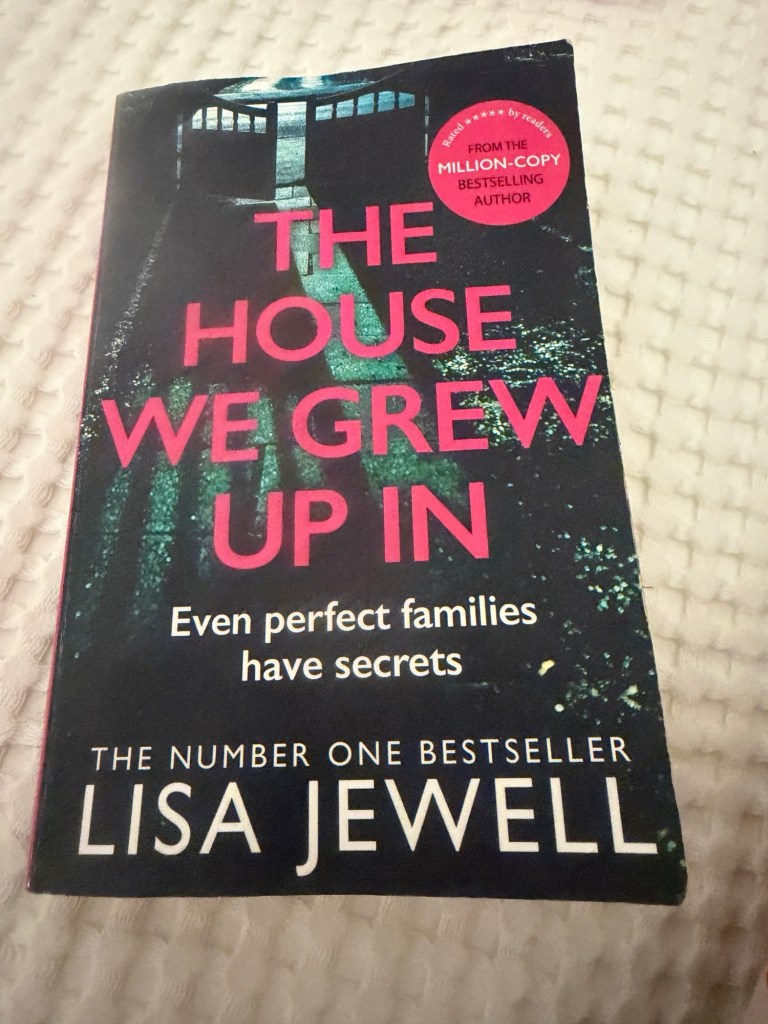
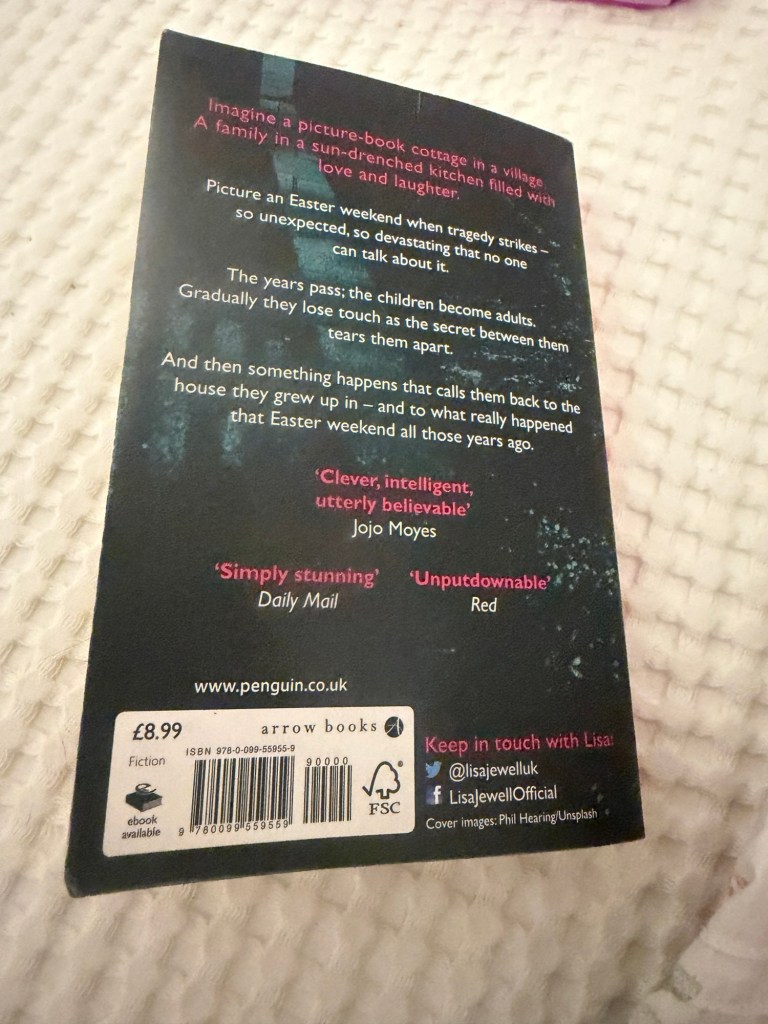
The House We Grew Up In by Lisa Jewell is, without a doubt, a 5-star read for me — beautifully written, emotionally rich, and completely absorbing from beginning to end.
The novel centers around the Bird family, who appear, at first glance, to have an idyllic life in a charming countryside home. However, everything begins to unravel after a tragic Easter weekend that changes the family forever. As the story moves between past and present, we gradually uncover what really happened and how each member of the family has been shaped — and in many ways haunted — by those events. Lisa Jewell does an exceptional job of exploring complex family dynamics, particularly the subtle (and not-so-subtle) ways people cope with grief, pressure, and expectations. Each character feels real and fully formed, with their own struggles, flaws, and emotional depth. What makes the story especially compelling is how the perspectives shift, allowing you to see how differently each person experiences the same family and the same events. One of the most powerful aspects of the book is its exploration of hoarding and its impact on relationships. This adds an extra layer of tension and discomfort, making the family home itself feel almost like a character — one that reflects the emotional chaos beneath the surface. The pacing is perfectly balanced, slowly revealing secrets while keeping you invested in the outcome. It’s not a fast-paced thriller, but it doesn’t need to be — the emotional pull and the need to understand “what really happened” keep the pages turning. Overall, this is a deeply thought-provoking and engaging read that lingers long after you’ve finished. It’s a poignant look at love, loss, and the complicated bonds that tie families together. I found it both moving and memorable, and I’d highly recommend it to anyone who enjoys character-driven stories with emotional depth.
This post may contain affiliate links, which means I may earn a small commission if you purchase through them — at no extra cost to you. As an Amazon Associate, I earn from qualifying purchases