Rating: 4/5
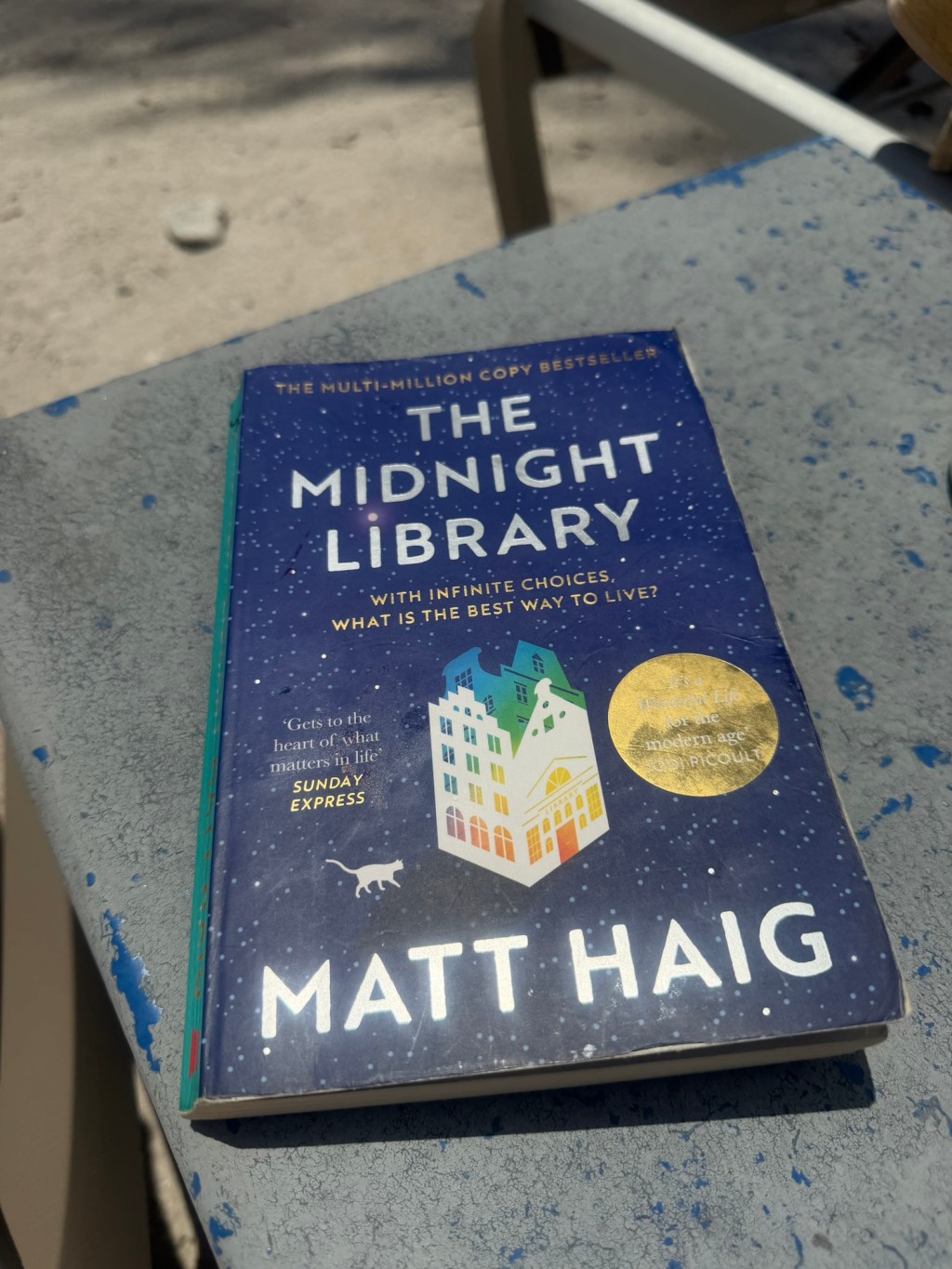
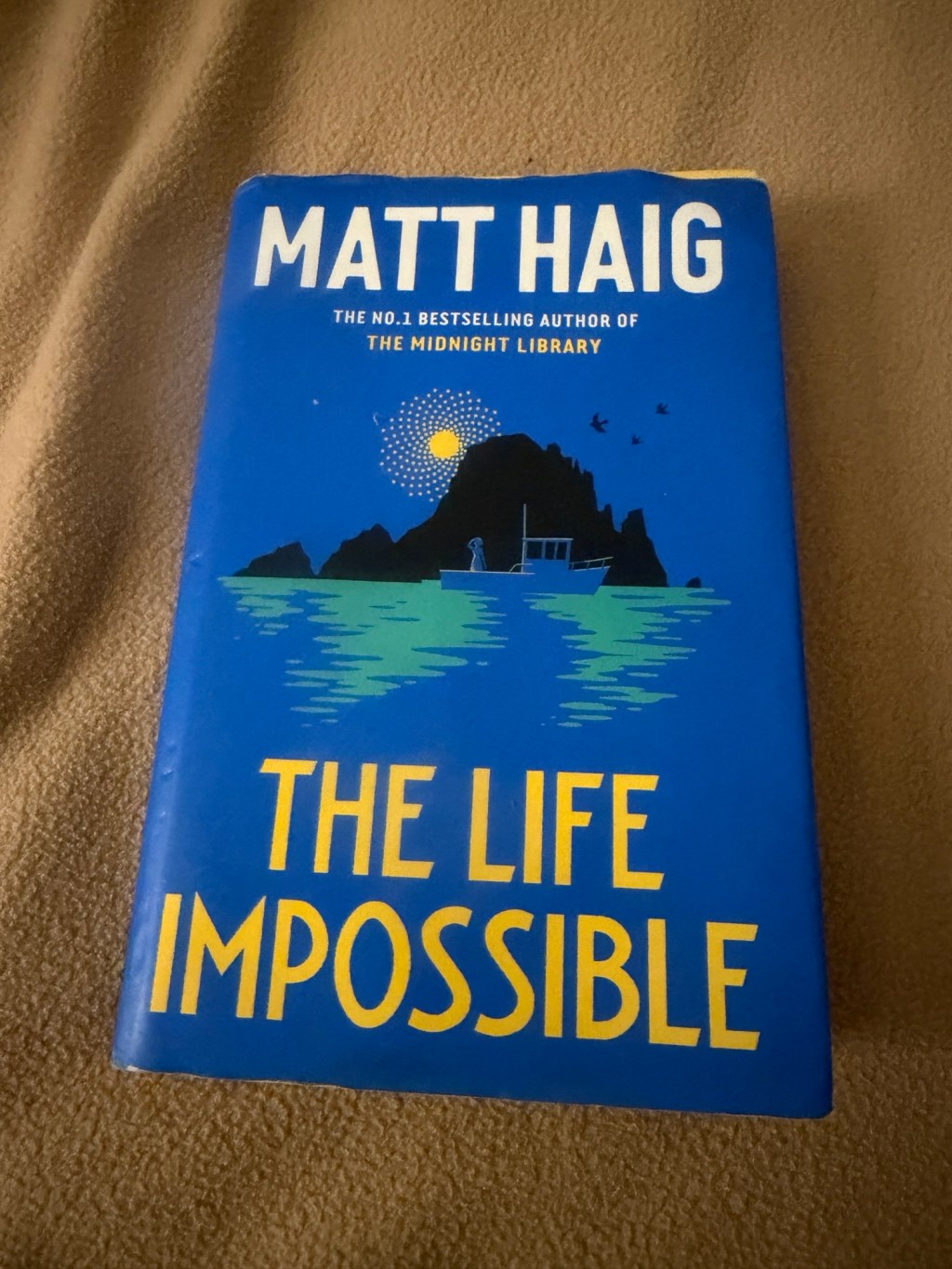
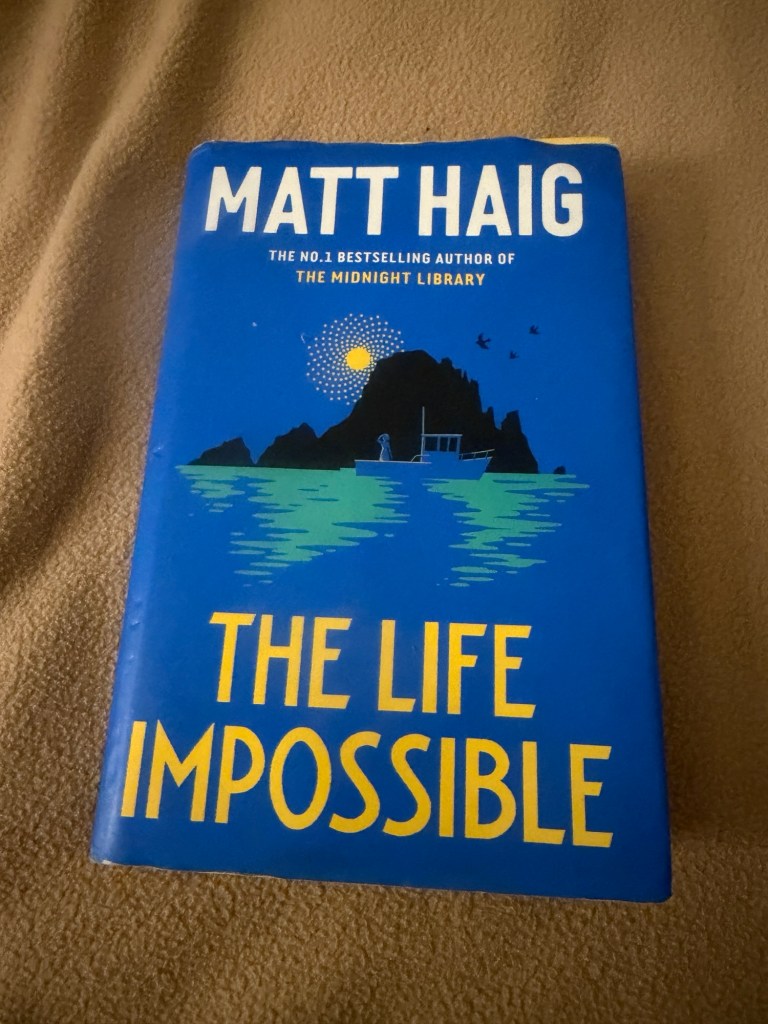
There’s something about a Matt Haig novel that feels like a warm cup of tea on a grey afternoon. You know you’re in safe hands from the first page. After falling head over heels for The Midnight Library, I couldn’t wait to pick up The Life Impossible.
While it didn’t quite reach the same heights for me, it’s still a lovely, uplifting read that I’d happily recommend.
What’s It About
The story follows Grace Winters, a retired maths teacher in her seventies. She’s living a quiet and rather lonely life, shaped by grief and regret. Then, out of the blue, she inherits a house on the Spanish island of Ibiza from an old colleague she barely knew. Curious, and with not much to lose, Grace sets off to find out why.
What she finds there is far from ordinary. Without giving too much away, the island holds secrets, and Grace’s trip becomes a journey of discovery about the world, about the natural world around her, and about herself. It’s a story about second chances, and about the idea that it’s never too late to start living again.
Matt Haig’s Gentle Magic
What I love most about Matt Haig is his writing style. It’s witty, warm and almost mystical. It’s simple without ever being dull, and there’s an otherworldly quality that makes you feel as if you’ve stepped into a different realm for a while.
His books are also refreshingly clean. There’s no sex, no graphic violence and none of the darkness that fills so many modern novels. Instead you get a gentle, kind and hopeful way of storytelling that leaves you feeling better than when you started. In a world that can feel heavy, that’s a real gift. The Life Impossible is full of that same comfort, and I found it a genuinely uplifting book to curl up with.
A Heroine Worth Celebrating
For me, the real highlight was Grace herself. How often do we get an ageing female lead going on a proper adventure? Not nearly often enough. Older women are so often pushed into the background in fiction as the grandmother, the neighbour or the wise side character. Here, Grace is the heart of the story.
She’s funny, stubborn, sceptical and deeply human. Seeing the world through her eyes was a joy. Her journey sends a lovely message too: age doesn’t mean your story is over, and there’s still room for wonder, change and growth at any stage of life. I think many readers, especially women of a certain age, will see themselves in her.
A Delightful Concept
The concept is beautiful. It mixes real-life emotion, like grief, loneliness and regret, with something magical and hard to explain. Haig has a talent for taking big questions about life, purpose and happiness and wrapping them in a story that feels light and easy to read. The setting adds to it as well. The island feels vivid and sun-soaked, a world away from grey skies at home.
Why Not Five Stars
As much as I enjoyed it, it didn’t grab me in quite the same way as The Midnight Library. That book had an emotional punch and a simple, brilliant idea that stayed with me long after I finished it. The Life Impossible, lovely as it is, didn’t hit me as hard.
I also found parts of the story hard to believe. At times the more fantastical elements stretched my imagination a little too far, and I couldn’t always fully buy into what was happening.
Then again, I suppose that’s the beauty of Matt Haig’s work. He doesn’t set out to write something realistic. He asks you to suspend disbelief, let go and trust the magic. If you can do that, it’s a charming and rewarding journey.
Who Should Read It
I’d recommend The Life Impossible to:
• Fans of The Midnight Library and Matt Haig’s other books
• Anyone looking for a gentle, feel-good read with no sex or violence
• Readers who enjoy a touch of magic or fantasy in an everyday setting
• Anyone who loves stories with an older female lead
• Book clubs, since there’s plenty to discuss about grief, second chances and what makes a life worth living
Final Thoughts
The Life Impossible is a warm, hopeful and beautifully written novel with a wonderful heroine at its heart. It isn’t quite The Midnight Library, and it asks you to take a big leap of faith, but it’s a charming, heartwarming book that I’m very glad I read. It’s perfect for a cosy weekend or a holiday by the pool.
My rating: 4 out of 5
Have you read The Life Impossible? Did you love it as much as The Midnight Library, or did one win you over more than the other? Let me know in the comments below. I’d love to hear what you thought.
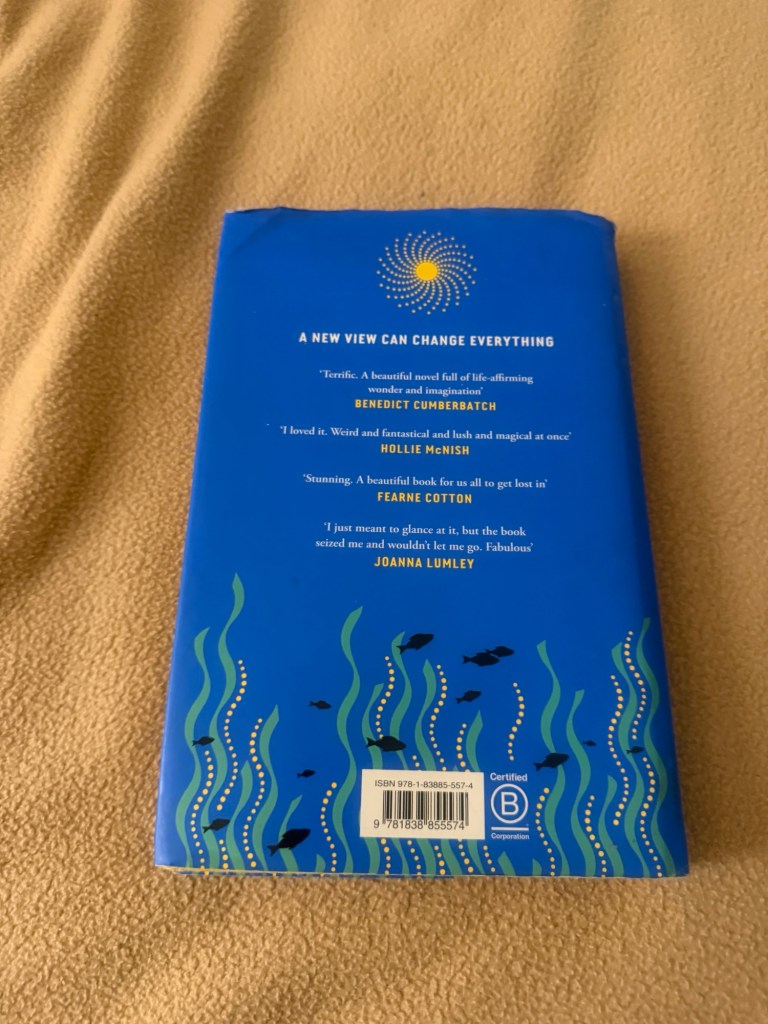
You can buy the book here