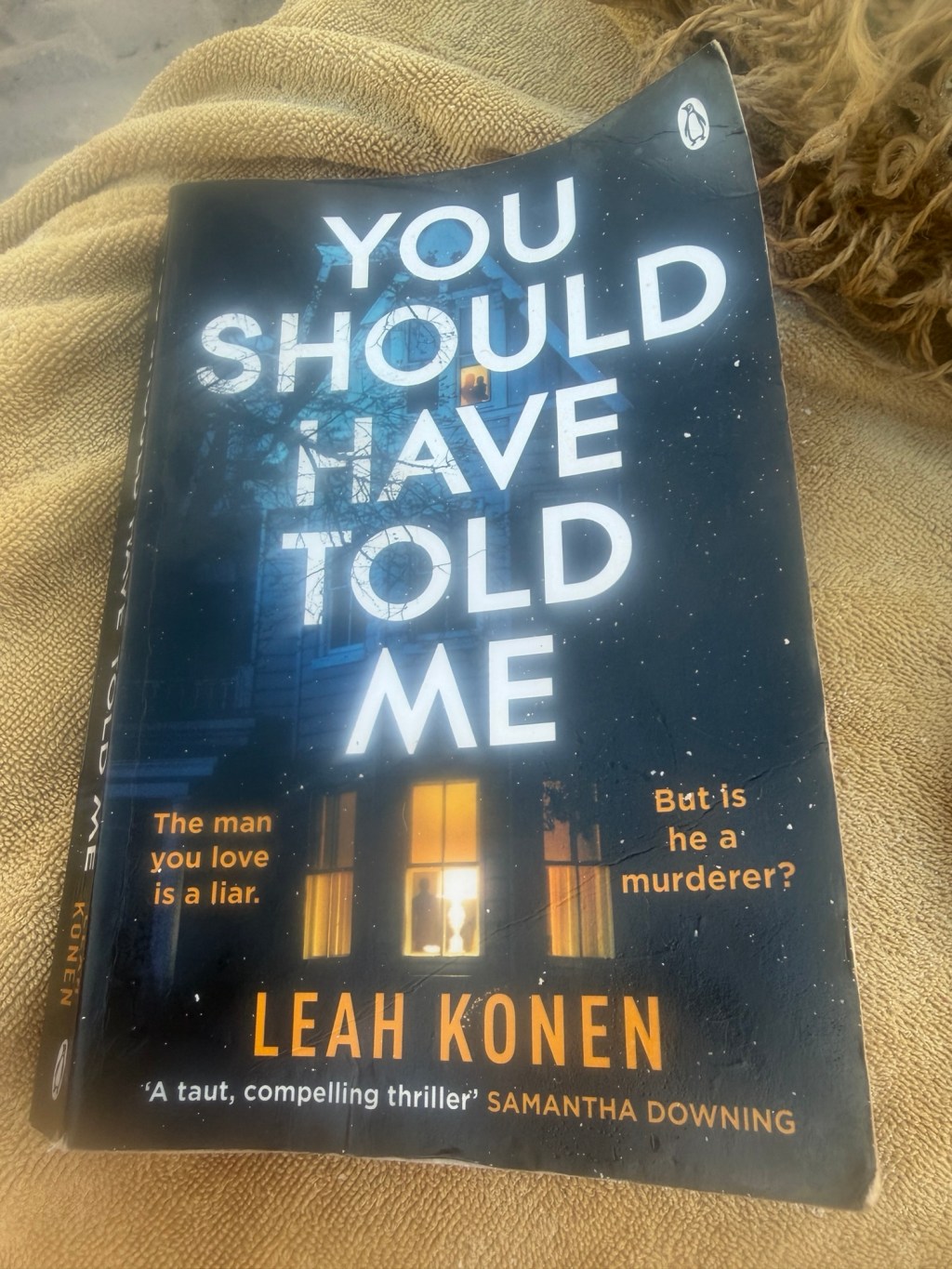
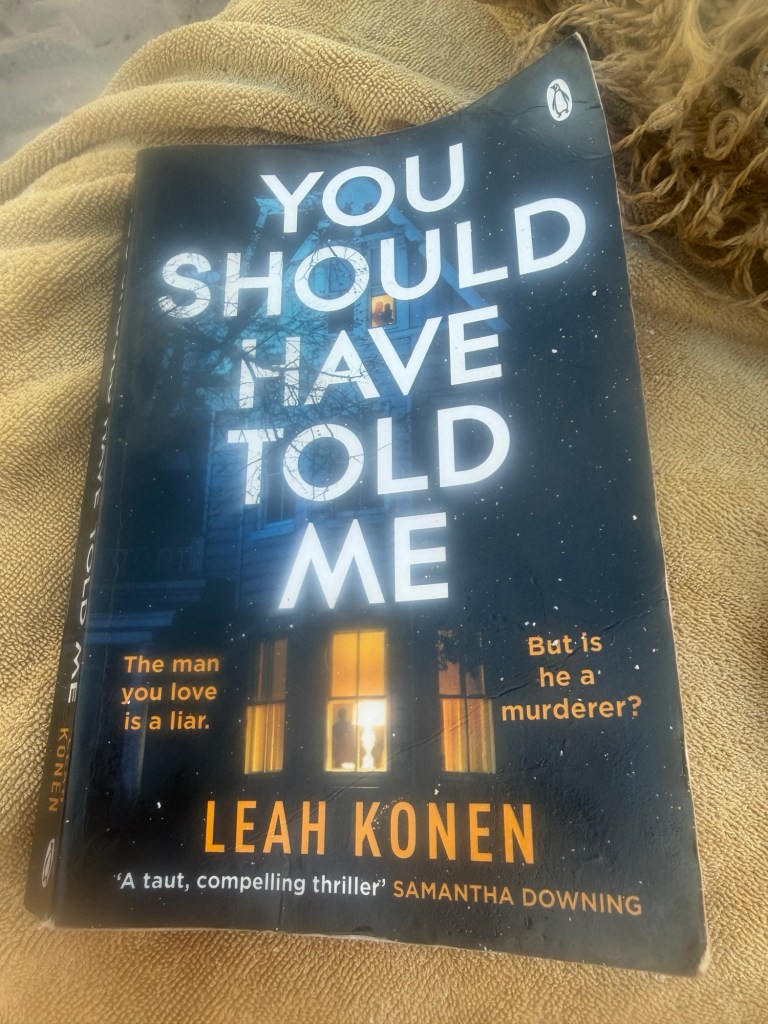
A twisty domestic thriller I picked up by chance on holiday from the library’s “left books” shelf — and I’m so glad I did.
There’s something lovely about a book you weren’t looking for. I spotted this one on the left books shelf at the library, liked the look of the cover, and took a punt on an author I’d never heard of. Reader, it paid off.
The premise
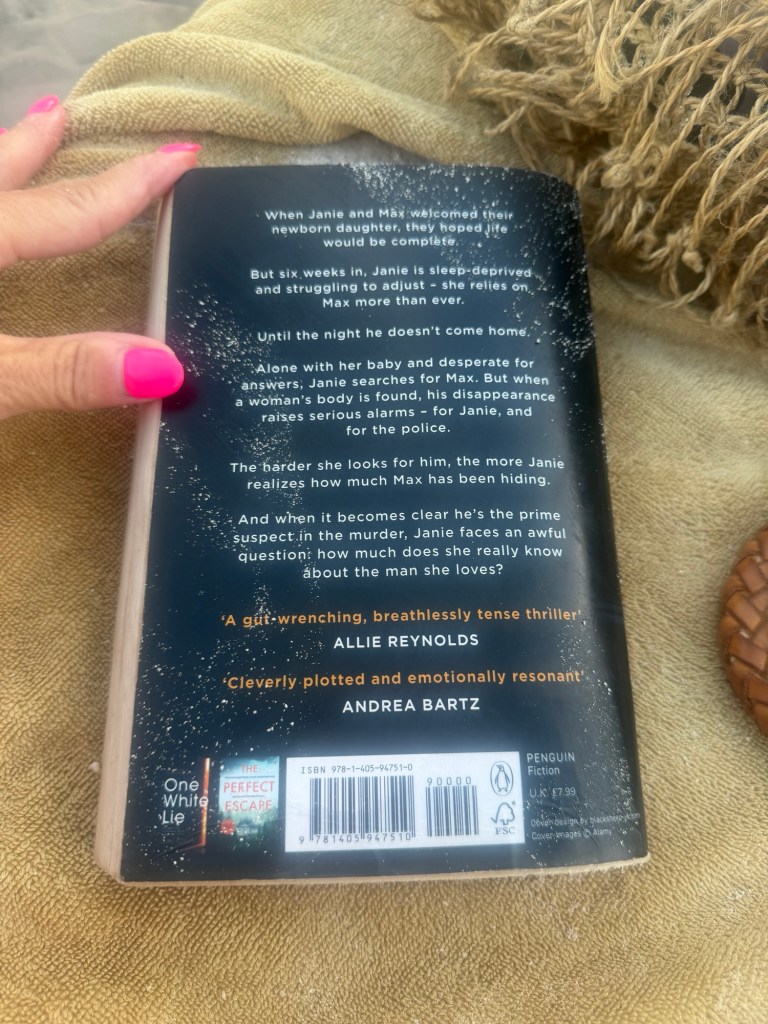
Janie is a brand-new mother, exhausted, not quite feeling the things she thinks she’s supposed to feel, when her partner Max vanishes in the middle of the night, leaving her alone with their newborn daughter. Then a woman’s body is found, and Max becomes the prime suspect. The more Janie digs, the less she’s sure she ever really knew the man she loves.
What I loved
The characters felt believable, which is the thing that makes or breaks a thriller for me. Janie in particular reads like a real woman in the fog of early motherhood rather than a plot device, and that makes her bad decisions land as understandable instead of frustrating. The plotting is genuinely twisty — every time I thought I’d worked out where it was heading, Konen pulled the rug out again. Samantha Downing’s cover quote calls it “a taut, compelling thriller” and I’d agree; I read it far faster than I intended to.
My one small gripe
There’s a lot of very fine-grained detail about baby feeding, routines and the mechanics of newborn life. Some of it builds the claustrophobic, sleep-deprived atmosphere beautifully, but it tips over into too much in places and starts to slow the pace without adding anything to the plot. Trim a handful of those passages and this would be a five for me.
Verdict: 4.5 out of 5
A tense, well-plotted domestic thriller with a heroine you actually root for. I’d never come across Leah Konen before, but I’ll be hunting down more of her books — she’s also written The Perfect Escape.
Recommended if you like: twisty domestic suspense, unreliable-partner plots, and thrillers that dig into the darker side of new motherhood.
Have you read this one? Or found a gem on a library giveaway shelf? Tell me in the comments — I’m always after my next read.
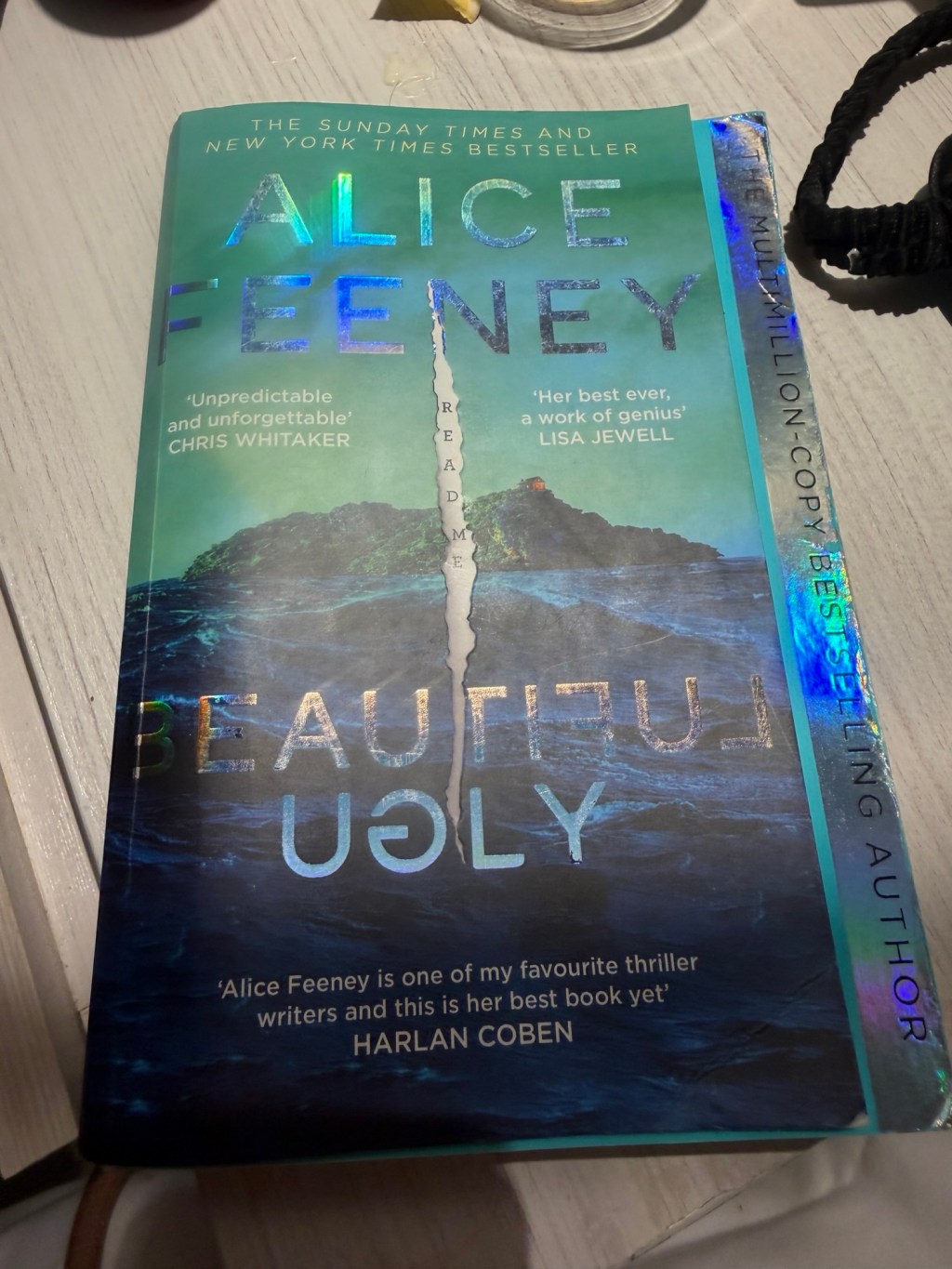
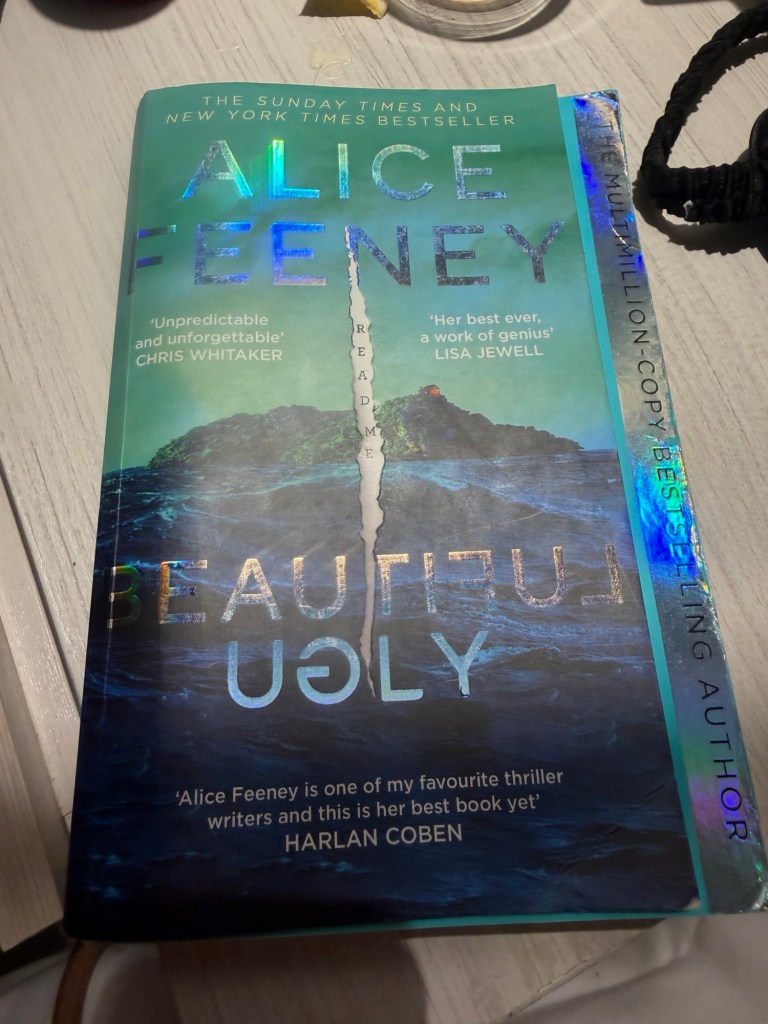
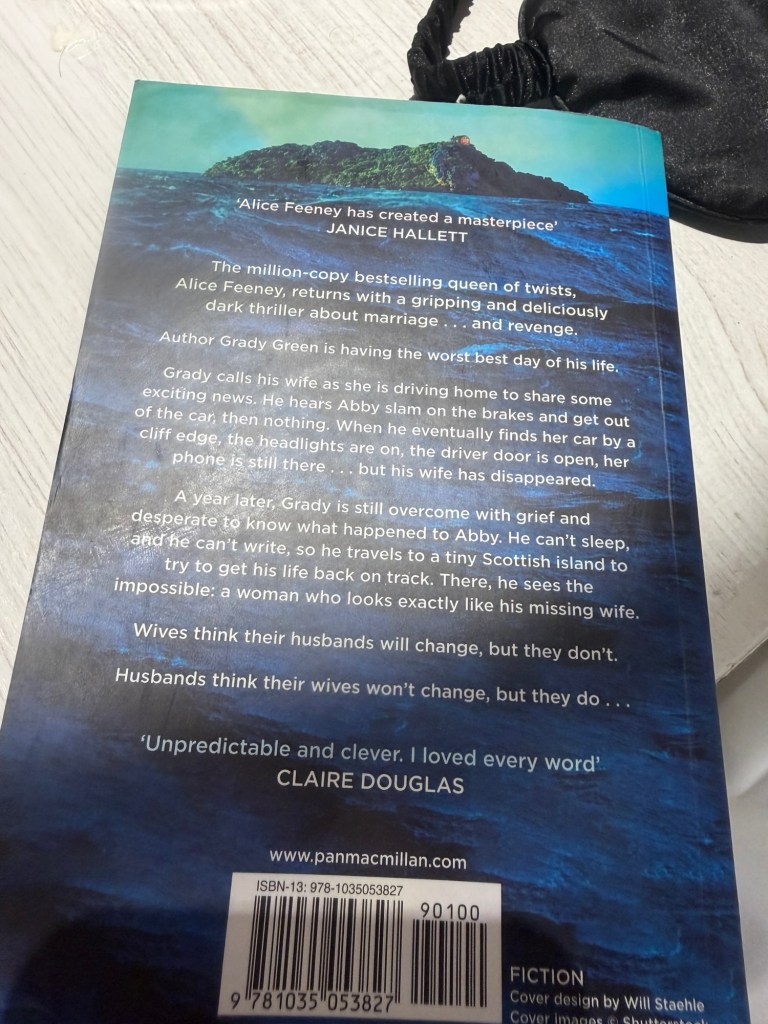
Beautiful Ugly follows Grady Green, a successful author whose life falls apart when his wife, Abby, disappears after a shocking incident on the road. Despite an investigation, Abby is never found, leaving Grady struggling with grief, guilt and unanswered questions. A year later, unable to move forward or write again, he retreats to a remote Scottish island hoping the peace and isolation will help him escape his memories and begin working on his next novel. The island setting is one of the strongest parts of the book. It is bleak, isolated and full of odd characters, creating an uneasy atmosphere from the start. Grady is already an unreliable narrator, so when he begins to believe he has seen a woman who looks exactly like Abby, it is hard to know what is real. Is his wife somehow still alive? Is someone deliberately trying to unsettle him? Or is grief and guilt causing him to lose touch with reality? Initially, I found the mystery genuinely intriguing. Abby’s disappearance, Grady’s troubled state of mind and the strange atmosphere on the island made for a promising start. There was enough tension to make me want to keep reading, and I was interested to see how all the secrets, relationships and different timelines would eventually connect. Unfortunately, the story went downhill as more was revealed. The twists became increasingly unbelievable and the plot started to feel far too ridiculous to take seriously. Rather than being shocked by the revelations, I found myself questioning how anyone could have behaved the way they did, or how certain events could realistically have happened without being discovered earlier. I carried on because I hoped the ending would pull everything together and make the increasingly strange plot worthwhile. Sadly, it did not. The final reveals felt more far-fetched than clever, and the resolution did not make up for the amount of disbelief the story required along the way. For me, Beautiful Ugly was wide of the mark. It had a very strong premise, a suitably creepy setting and an intriguing mystery at the beginning, but it lost its way with an overly complicated and implausible plot. I wanted a tense, clever psychological thriller, but instead I found myself trudging through it and waiting for it to improve.
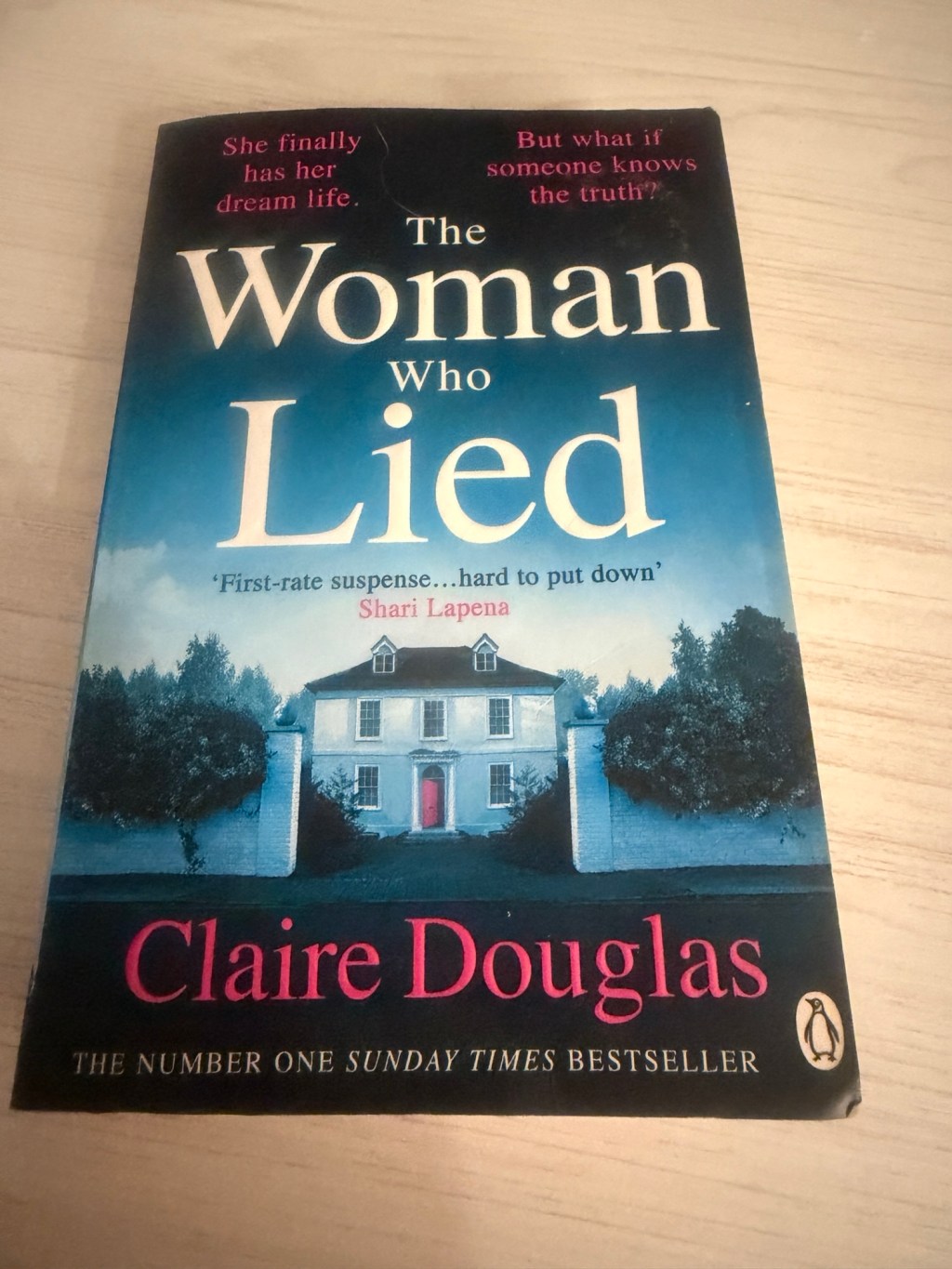
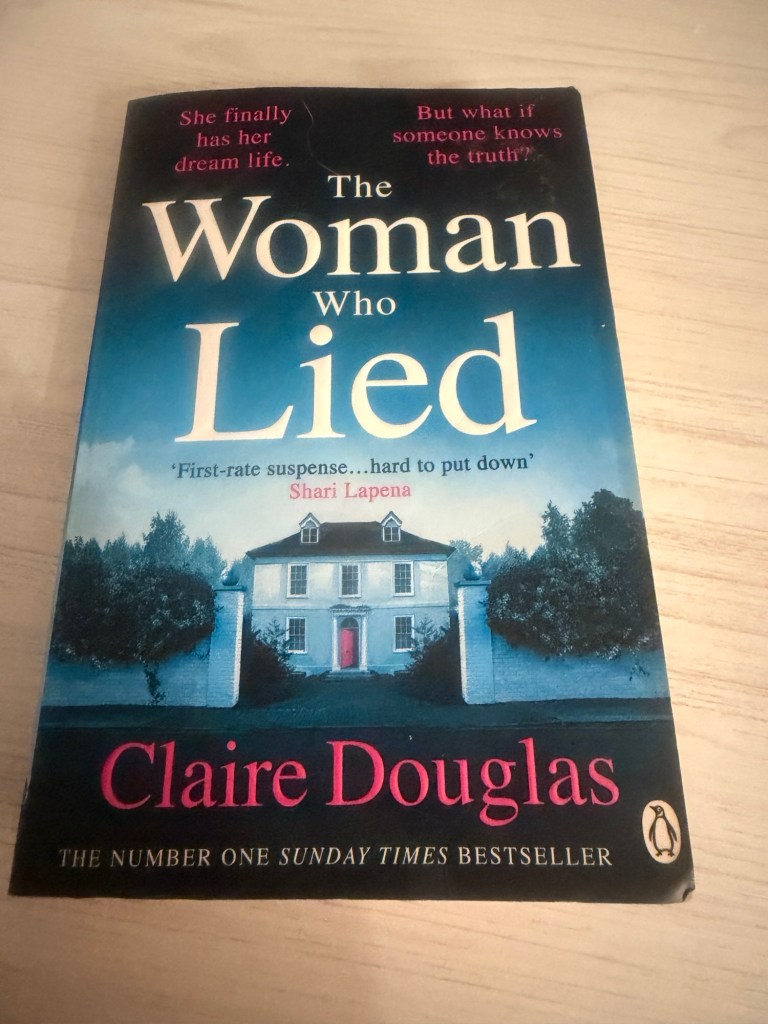
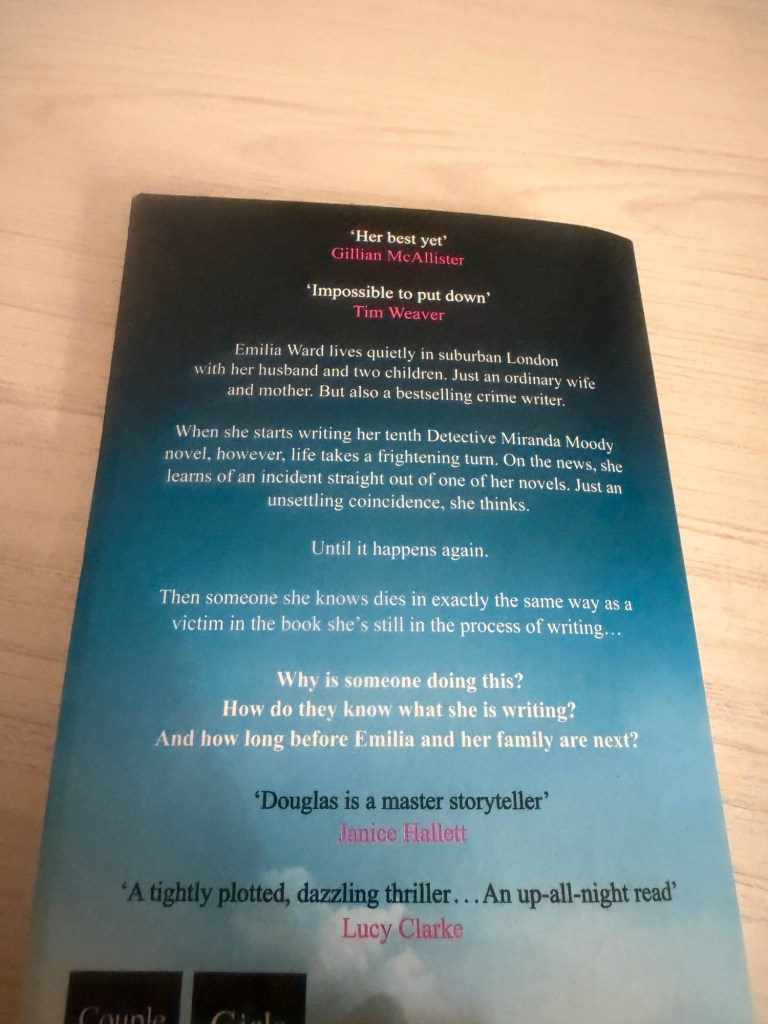
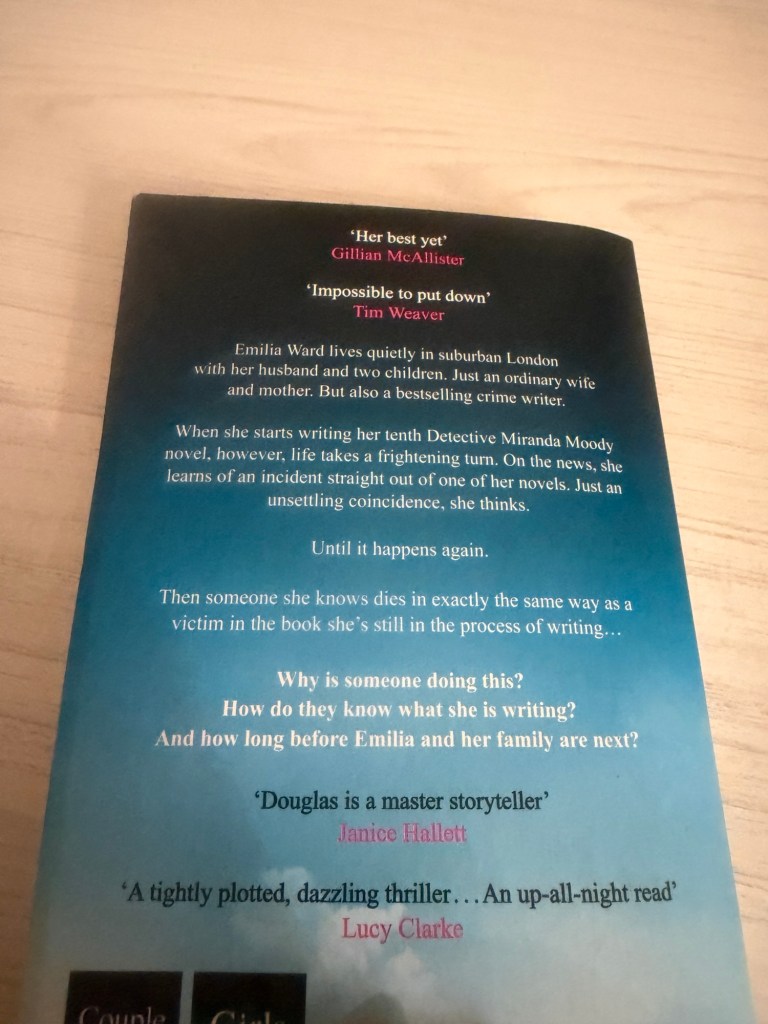
The Woman Who Lied by Claire Douglas is a tense, atmospheric psychological thriller that keeps you hooked from the start. Douglas delivers a compelling story that explores the intersection of art and reality, and the dangerous consequences of keeping secrets.
The Plot
The story follows Emilia Ward, a bestselling crime author living in suburban London. As she begins writing the tenth installment of her popular detective series—intended to be the final book where she kills off her protagonist—her life takes a disturbing turn. Events from her manuscript begin to manifest in real life. What starts as an unsettling coincidence quickly escalates into a nightmare as someone seems to be using her unpublished plot to harass her and endanger her family. As the line between her fiction and reality blurs, Emilia is forced to question everyone around her, including her closest friends and family, while trying to uncover who is stalking her and why.
While the premise is brilliant and the tension builds effectively, I found the ending to be a little jumbled and rushed. The complexity of the layers in the final act felt slightly disjointed, which took away from the impact of the earlier, more methodical suspense.
The Verdict
Despite the frantic conclusion, the book remains a highly enjoyable read for fans of the genre. Douglas excels at creating claustrophobic environments and high-stakes social dynamics. If you enjoy domestic noir that isn’t afraid to twist the knife, this is a great addition to your reading list.
Strengths: Gripping atmosphere, a clever “book-within-a-book” premise, and constant suspicion.
Weaknesses: An uneven final act that loses some of the narrative clarity established in the earlier chapters.
Final Thoughts
While it didn’t stick the landing perfectly, The Woman Who Lied provides plenty of entertainment and enough mystery to satisfy anyone looking for a solid psychological thriller.
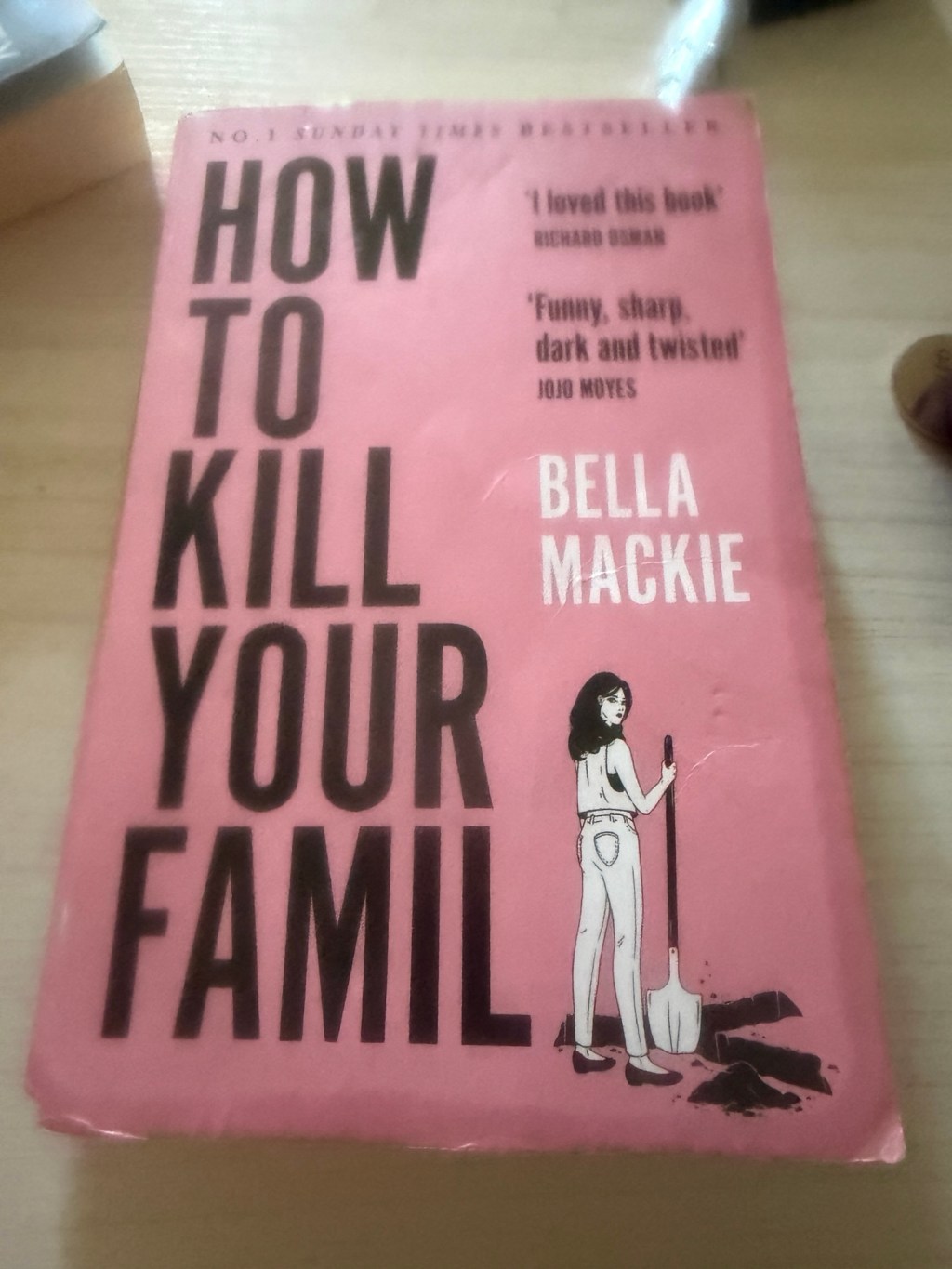
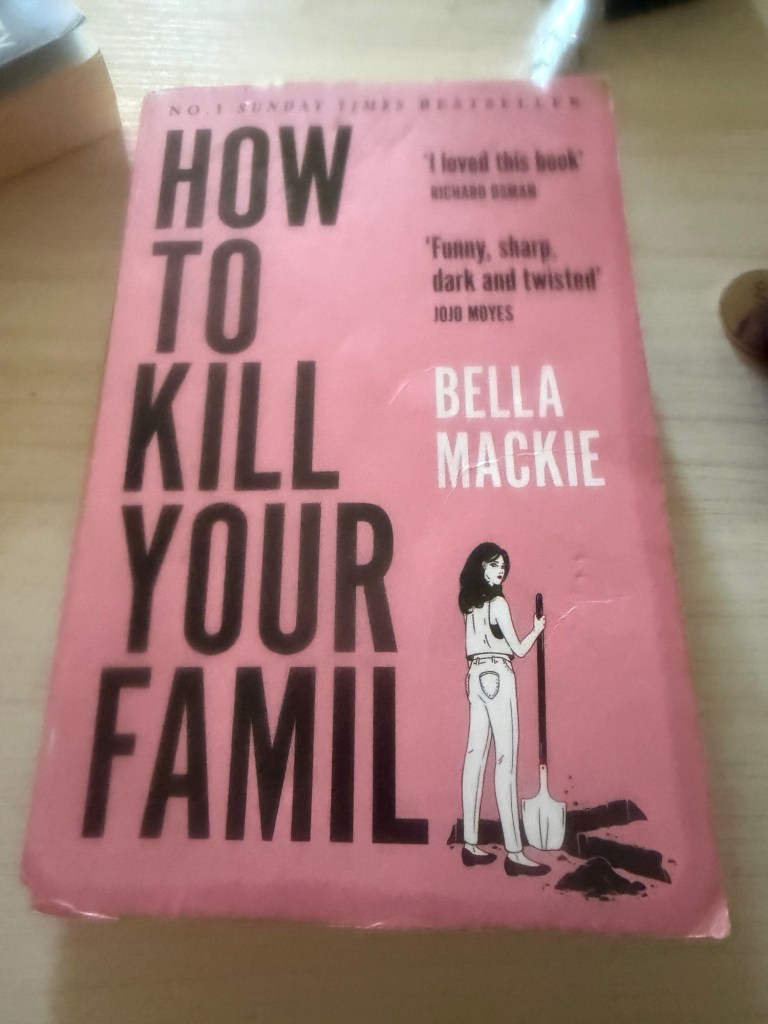
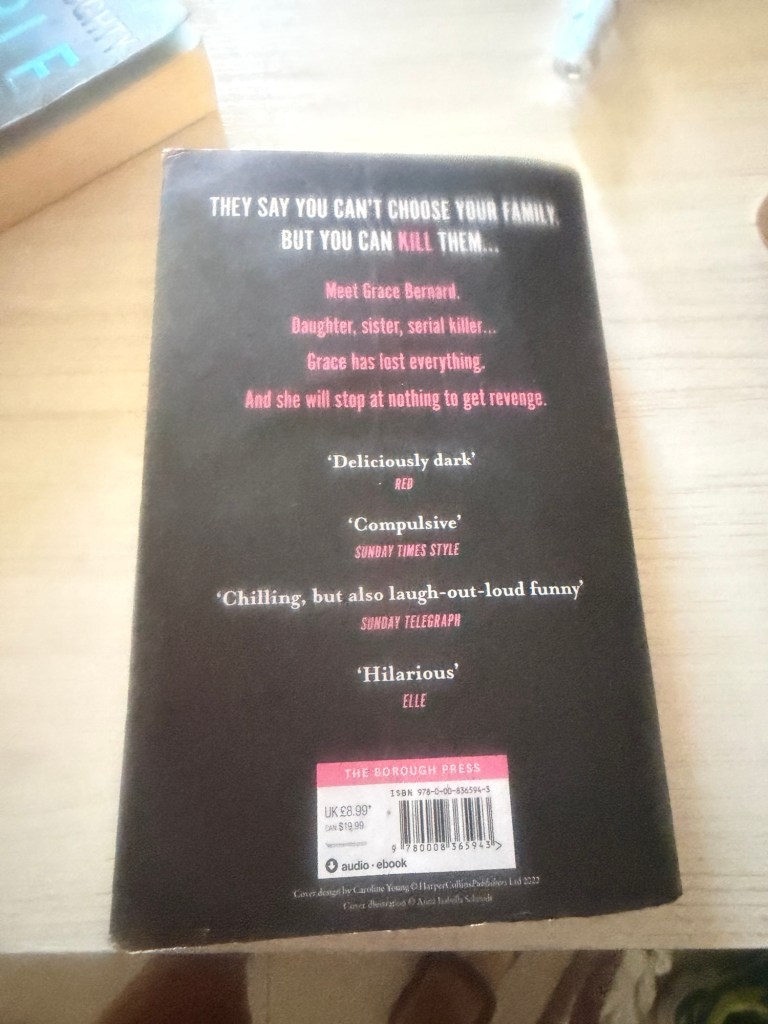
How to Kill Your Family is a razor‑sharp, darkly comic revenge novel that follows Grace Bernard, a woman systematically eliminating her estranged billionaire family while narrating her story from a prison cell. It’s brilliantly written, deeply cynical, very funny in a vicious way, and capped with a twist that lingers long after you close the book.
Overview and Rating I’m giving How to Kill Your Family a 4.75 out of 5 because it delivers exactly what it promises: a viciously entertaining, morally queasy, and stylishly written story that keeps you hooked from the opening line to the final twist.
Plot Summary (Spoiler‑Aware) Grace Bernard opens the book from her cell in an all‑women’s prison, calmly explaining that she is serving time for a murder she didn’t commit—despite the fact she has successfully killed six people. With cool detachment and biting humour, she decides to use her prison time to write down exactly how she did it, and why. Grace is the illegitimate daughter of Simon Artemis, a phenomenally wealthy, image‑obsessed businessman who refused to acknowledge her and left her and her mother in poverty. After her mother dies young, worn down by illness and financial strain, Grace learns the truth about her father’s identity and channels her grief into a meticulous plan: she will annihilate the entire Artemis clan, one family member at a time, and only then will she come for Simon himself. The novel moves back and forth between Grace’s present in prison and her past as she hunts down her targets: privileged siblings, smug relatives, and hangers‑on who orbit the Artemis money. Each murder is tailored to its victim—sometimes staged as an accident, sometimes as a crime of passion, always executed with unnerving precision and a deadpan running commentary on modern life, wealth, and hypocrisy. While Grace is cool and methodical, the narrative is laced with caustic observations about influencer culture, performative charity, “good” rich people branding, and the absurdities of modern London society. The tension comes not just from whether Grace will succeed in her revenge, but from the irony that she ends up imprisoned for the one killing she didn’t commit, even as her real crimes go undetected.
The final act delivers a twist that reframes Grace’s swaggering control and forces you to reconsider just how secure she ever really was. The ending feels deliberately unsettling, underscoring the book’s interest in moral ambiguity, unfair systems, and the gap between who tells the story and who actually wins.
Tone, Style, and Dark Humour
This is very much a character‑driven, voice‑led novel; if you enjoy a strong, sardonic narrator, Grace is going to hook you from the start. She’s not “likeable” in a conventional sense—she’s judgmental, ruthless, and often cruel—but her commentary on class, privilege, and performative morality is so sharp that you may find yourself unwillingly on her side. The humour is jet‑black: you’re laughing at funeral mishaps, social media absurdities, and the ridiculousness of the wealthy, often in the same paragraph as a cold‑blooded killing. Mackie balances this with a slow‑burn pacing that focuses less on constant thriller beats and more on the psychology of resentment, entitlement, and what years of quiet fury can do to a person. Characters and Themes Grace herself is the main event: an anti‑heroine who sees murder as logical, even tidy, justice for the neglect and cruelty she and her mother endured. Her voice is full of contradictions—self‑aware yet blinkered, funny yet chilling, morally lucid about everyone else while blind to her own monstrosity—which makes her compelling even when she’s appalling.
The Artemis family function as a gallery of modern, media‑friendly aristocrats and new‑money caricatures: influencers, philanthropists, social climbers, and corporate saints whose public ethics mask deep selfishness and vanity. Through them, the book skewers class inequality, inherited wealth, PR‑polished compassion, and the idea that a good public image can erase harm. Running beneath the satire is a very human story about loss, abandonment, and what happens when grief calcifies into rage instead of healing. Grace’s trajectory asks where the line sits between personal responsibility and structural injustice: is she a monster shaped by systems, or someone who actively chooses monstrosity and dresses it up as justice?
The Twist and Ending (No Detailed Spoilers)
Without spelling out the final reveal, the twist undercuts the fantasy of total control that Grace has been selling you all along. It highlights how fragile her carefully constructed narrative always was and reinforces the book’s interest in power, luck, and who ultimately gets to walk away clean. Some readers will find the ending abrupt or even infuriating, especially if they’re expecting conventional thriller closure. For me, it felt like a gutsy choice that keeps the story lodged in an uncomfortable, morally murky space rather than tying things up with a bow—fitting for a book this dark and sardonic. Who This Book Is For You’ll likely love How to Kill Your Family if you enjoy: • Darkly comic crime or psychological fiction with a morally grey narrator • Social satire that skewers the super‑rich, influencer culture, and performative “goodness” • Slow‑burn narratives focused on character voice rather than wall‑to‑wall action It may not be for you if you need a traditionally satisfying, neatly resolved ending, or if you prefer crime novels where you root for the detective instead of the murderer.
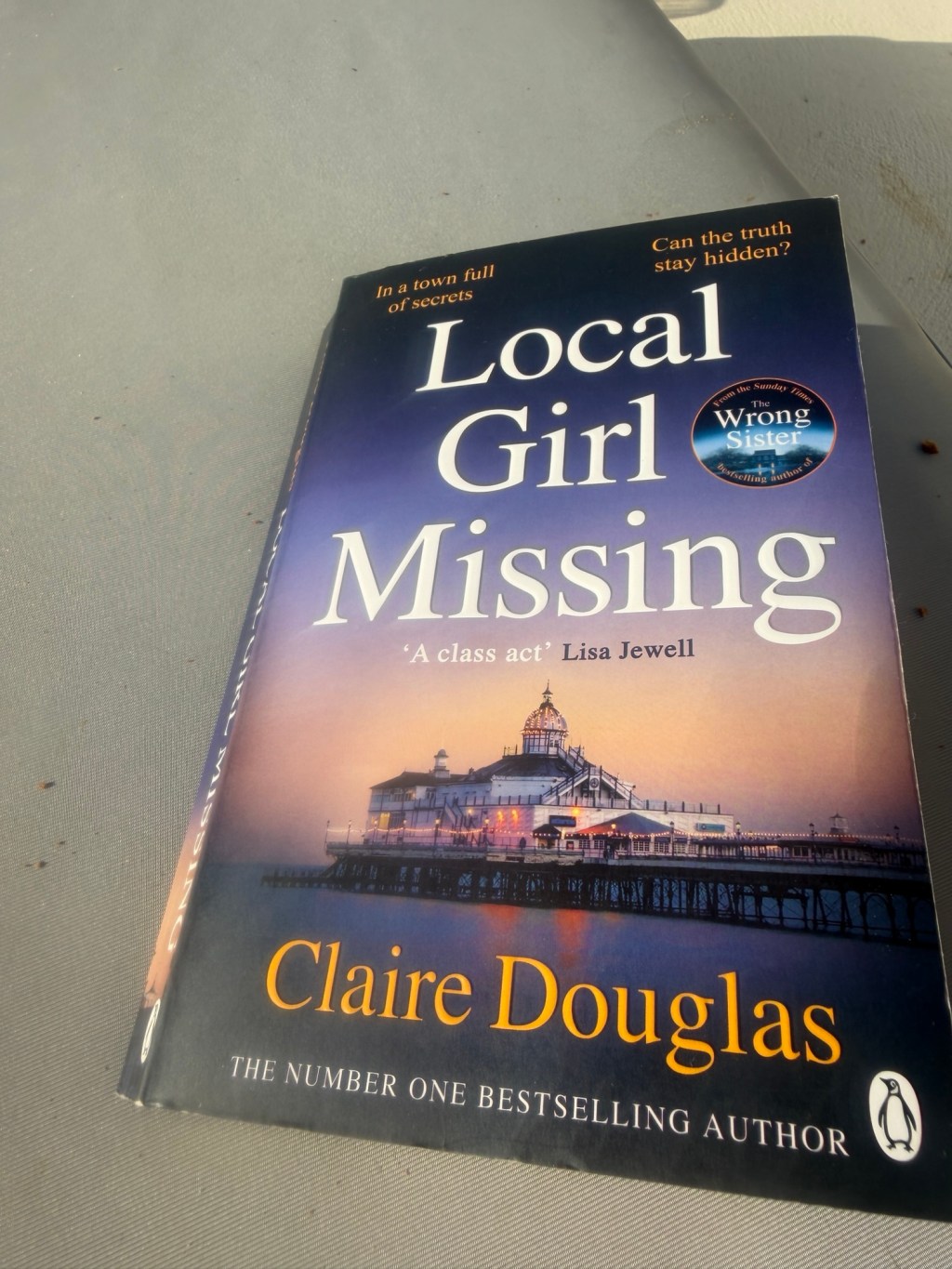
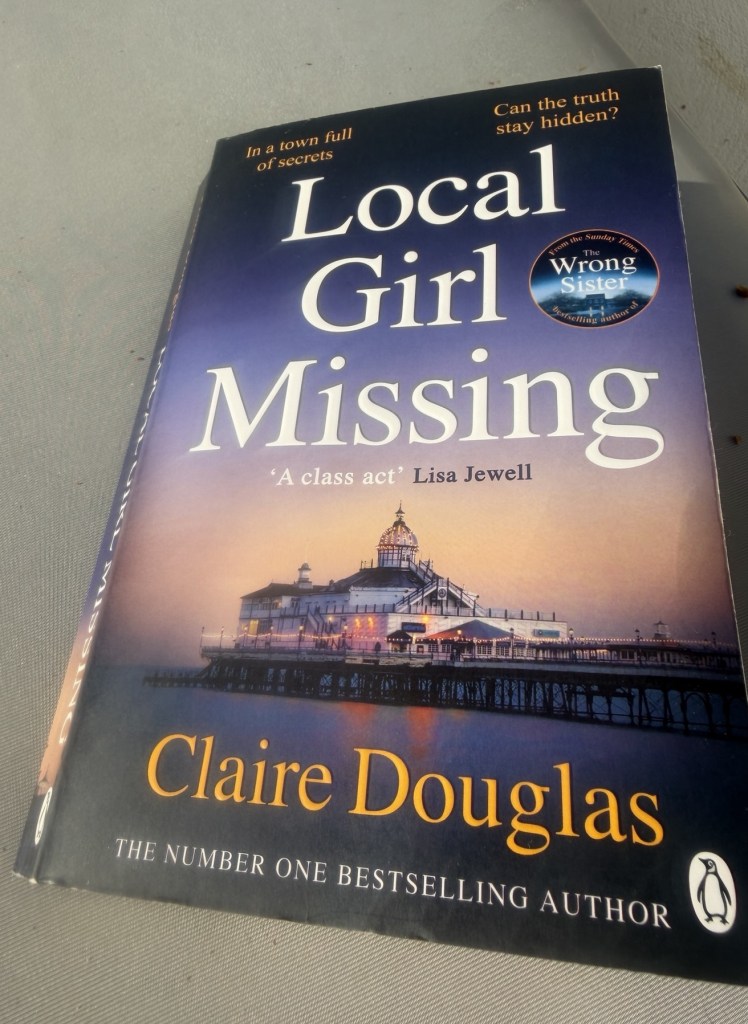
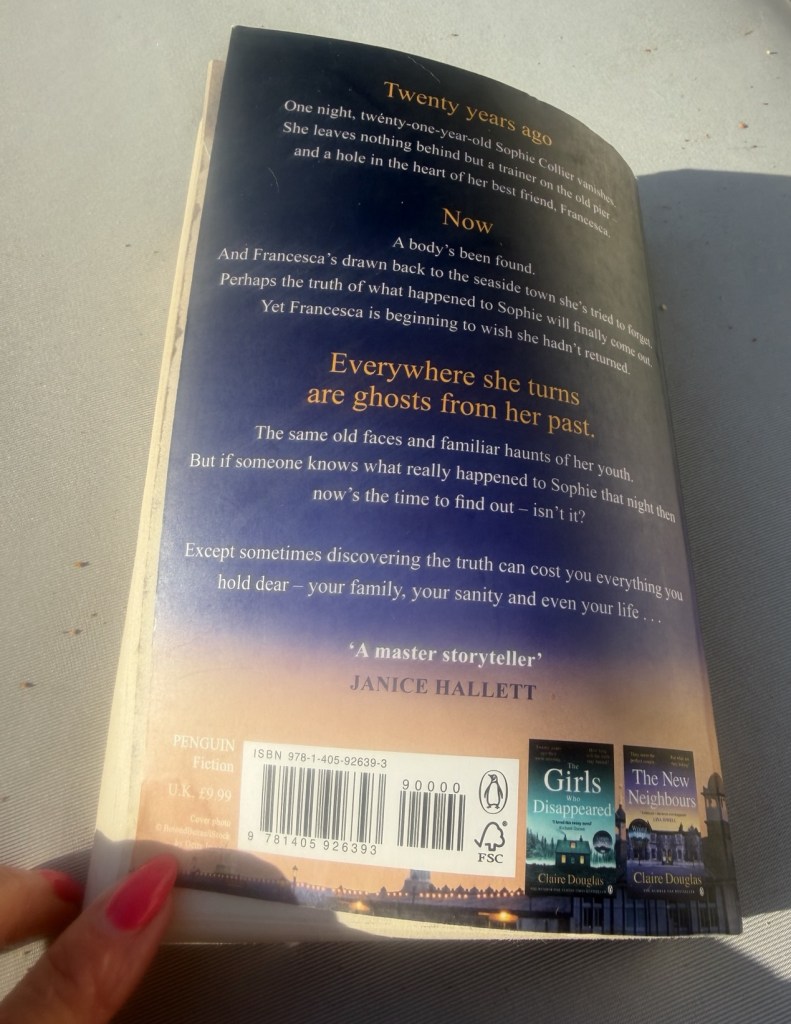
“Local Girl Missing” by Claire Douglas is a wonderfully eerie, slow-burn psychological thriller that really got under my skin in the best way. It follows Francesca “Frankie” Bloom, who is reluctantly pulled back to her gloomy hometown of Oldcliffe-on-Sea almost twenty years after her best friend Sophie disappeared from the old pier. When what appears to be Sophie’s remains are discovered, her brother Daniel asks Frankie to come home and help finally uncover the truth about that night — whether she’s ready for it or not.
The story is told in a dual timeline, which I loved. In the present we have Frankie, trying to piece together what happened while dealing with the ghosts of her past. In the past we hear Sophie’s voice through diary-style chapters, leading us step by step towards her disappearance. This structure works really well: you’re drip-fed information from both sides, and it constantly makes you question who you should trust and what is being left unsaid. It also gives the story a really addictive “just one more chapter” feel. One of my favourite elements was the atmosphere. Oldcliffe-on-Sea is almost a character in its own right — all crumbling buildings, off-season gloom and that sinister, decaying pier hanging over everything. There’s this constant sense of unease, like something is watching from the shadows or about to surface from the past at any moment. It’s not gory or overly graphic; it’s more about tension, mood and the feeling that anything could happen, which I personally prefer in a psychological thriller. The heart of the story, though, is the complicated friendship between Frankie and Sophie. This is not a simple “best friends forever” situation. Their relationship is messy and layered, with jealousy, insecurity, shifting power and long-held resentments running underneath the fun nights out and shared secrets. I really enjoyed how Claire Douglas slowly peeled back those layers, because it made both women feel flawed, human and very believable. You can understand why they loved each other, but you can also see exactly how things went wrong. I really liked this book, and I really like Claire Douglas as an author — I’ve read a few of her other books and this one sits up there with my favourites. Her writing is tight, engaging and easy to fly through, and the twists and turns feel well-planned rather than thrown in for shock value. There are plenty of surprises, but when the reveals come, you can look back and see the clues that were quietly planted earlier on, which I always appreciate. In terms of pacing, it’s definitely more of a slow burn at the start, focusing on atmosphere, character and the weight of the past. That worked perfectly for me, because by the time the story really ramps up, you’re fully invested in these people and their secrets. The tension builds steadily, and the final section has that “I can’t put this down now” energy, with several genuinely unexpected moments that made me rethink what I thought I knew.
Overall, Local Girl Missing is a well-written, atmospheric thriller with a great sense of place, complex relationships and a gripping mystery at its core. If you enjoy dark, twisty psychological thrillers that are more about character and suspense than constant action, I think this will be right up your street. I’m giving Local Girl Missing by Claire Douglas a very solid 4.5 out of 5.
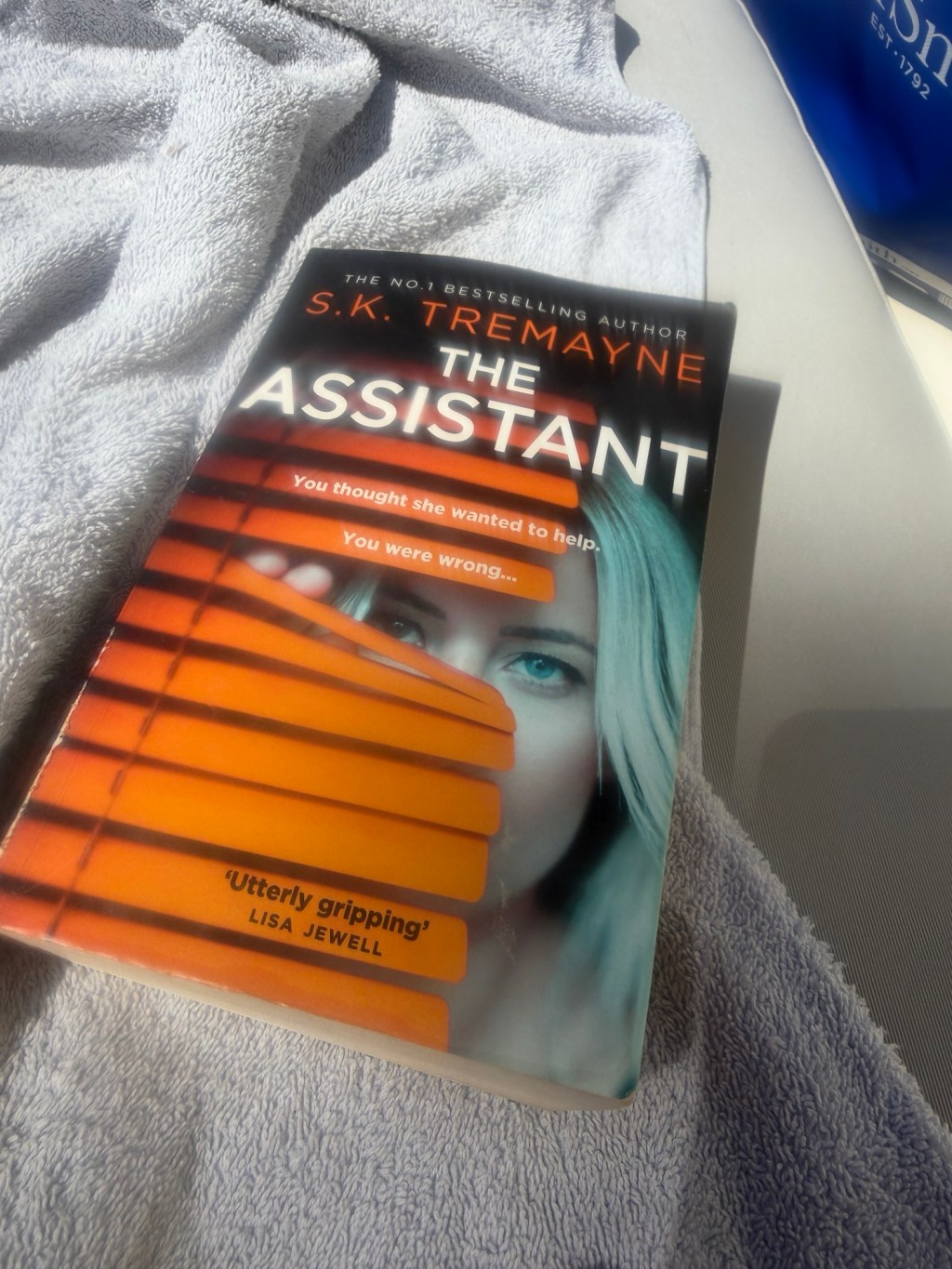
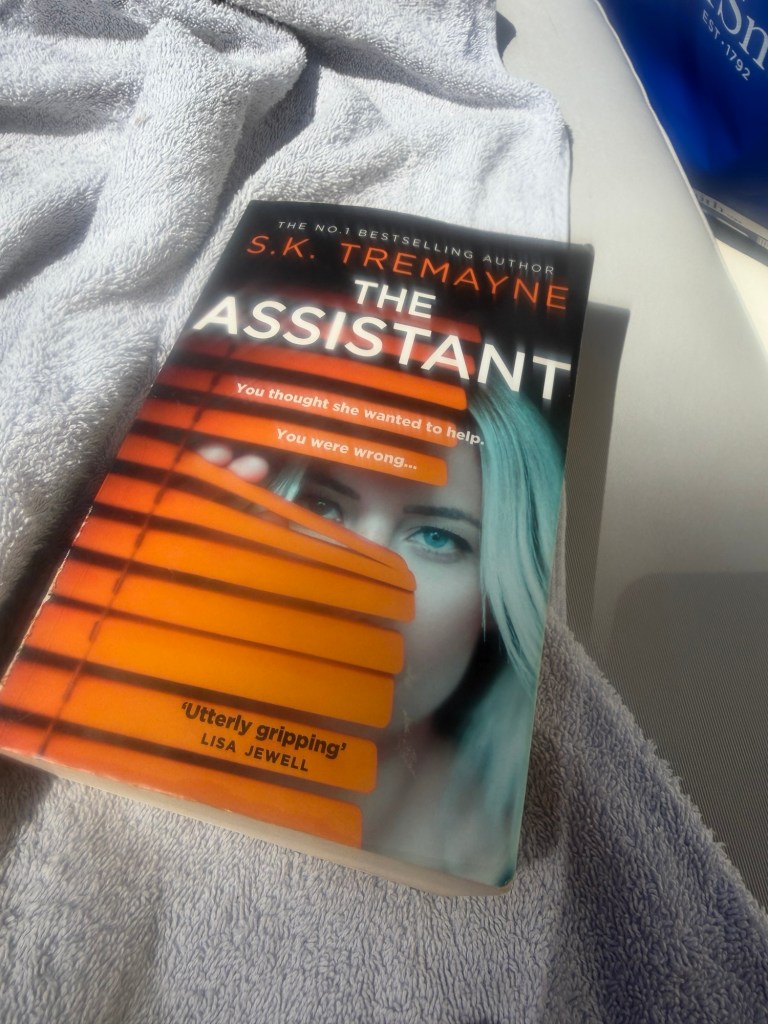
Hey everyone! I’m currently away on holiday, enjoying some much-needed downtime. Of course, no holiday is complete without a stack of books, and today I’m sharing my thoughts on my latest read: The Assistant by S.K. Tremayne.
I picked this up for just £1 in my local charity shop before heading off, and honestly? Thank goodness it only cost me a quid, because it was a total letdown.
Here is my honest breakdown of why this one didn’t live up to the hype.
The Premise: A Great Concept
On paper, The Assistant has all the ingredients for a gripping, modern psychological thriller. It taps into our collective paranoia about smart home technology and AI spying on us.
The setup is genuinely creepy: Jo, newly divorced and struggling, moves into a luxury apartment equipped with a state-of-the-art voice assistant named Electra. When Electra starts spitting out deeply personal, terrifyingly specific details about Jo’s past, the stage is set for a chilling, tech-driven nightmare.
Unfortunately, while the concept is brilliant, the execution completely misses the mark.
A Disjointed and Frustrating Read
The biggest issue with this book is how disjointed it feels. A thriller relies on building tension, but here, the pacing is a chaotic mess.
I kept reading, turning pages with the desperate hope that the story would finally click into place, hit its stride, and reward my patience. It never did. I wish I’d just call it quits and followed my gut. Instead, it drags you through a repetitive middle section that leads to a conclusion that doesn’t feel earned.
Unbelievable Characters and a Far-Fetched Plot
For a psychological thriller to work, you have to buy into the world and the people inhabiting it. The Assistant fails on both fronts:
The Characters: Jo is incredibly difficult to root for, mostly because her decisions defy all human logic. Instead of doing what any sane person would do when their smart home begins threatening them—like unplugging the device or leaving—she just stays. The supporting characters feel just as unbelievable and flat.
The Plot: As the book progresses, it crosses the line from “speculative tech-horror” into pure absurdity. The twists are so wildly far-fetched that they shatter any remaining suspension of disbelief. Rather than a clever, mind-bending resolution, the climax feels like a series of cheap shocks.
The Verdict
My Rating: ⭐⭐☆☆☆ (2/5)
The Assistant is the textbook definition of a total letdown. It wastes a fantastic, timely concept on a messy plot and unbelievable characters that to be honest I didn’t empathise or relate to. Looks like I could be in a minority because it has a 4.1 star review on Amazon but just didn’t do it for me!
Have you read The Assistant? Did you find it as far-fetched as I did, or did it work better for you? Let me know in the comments below!