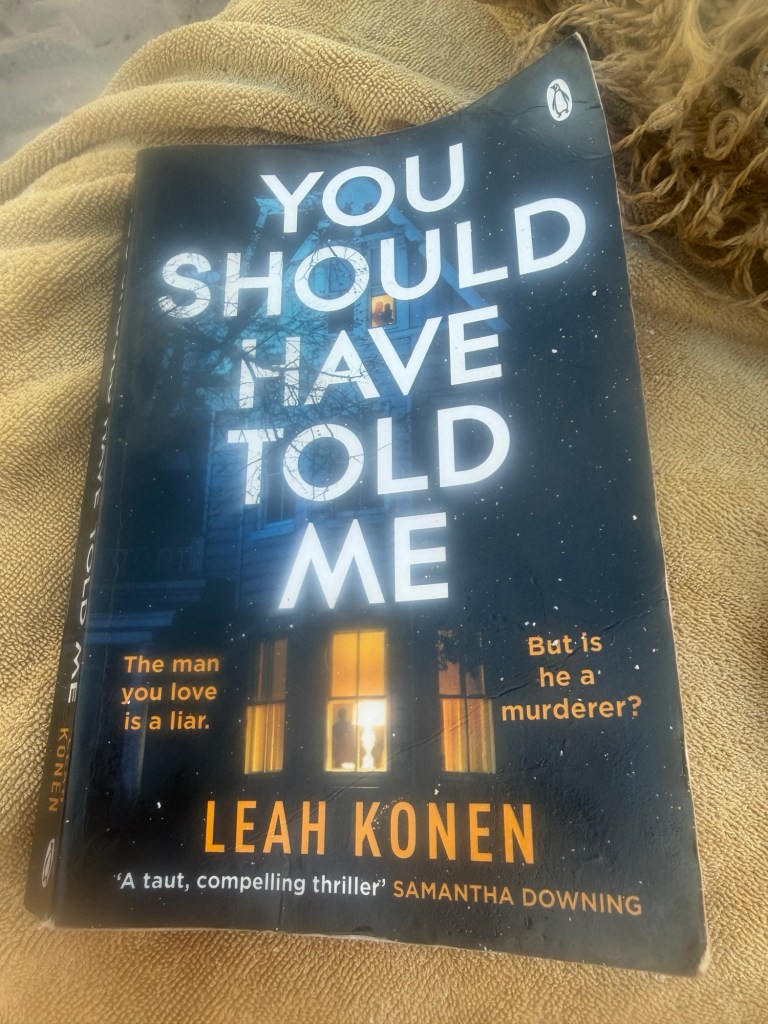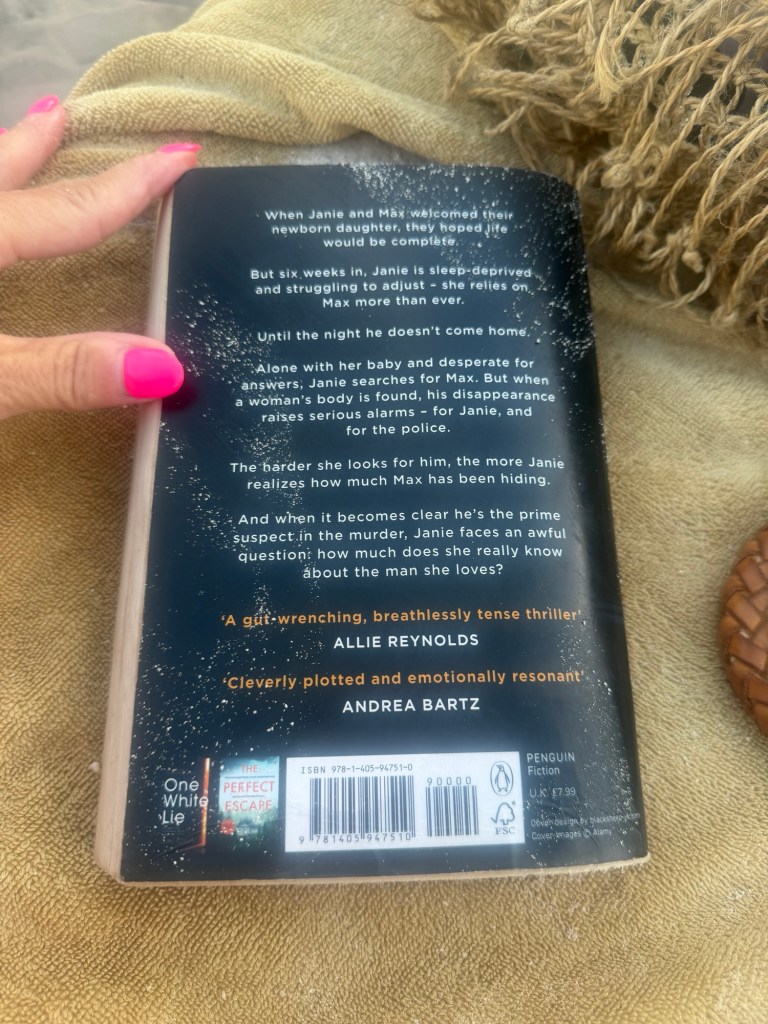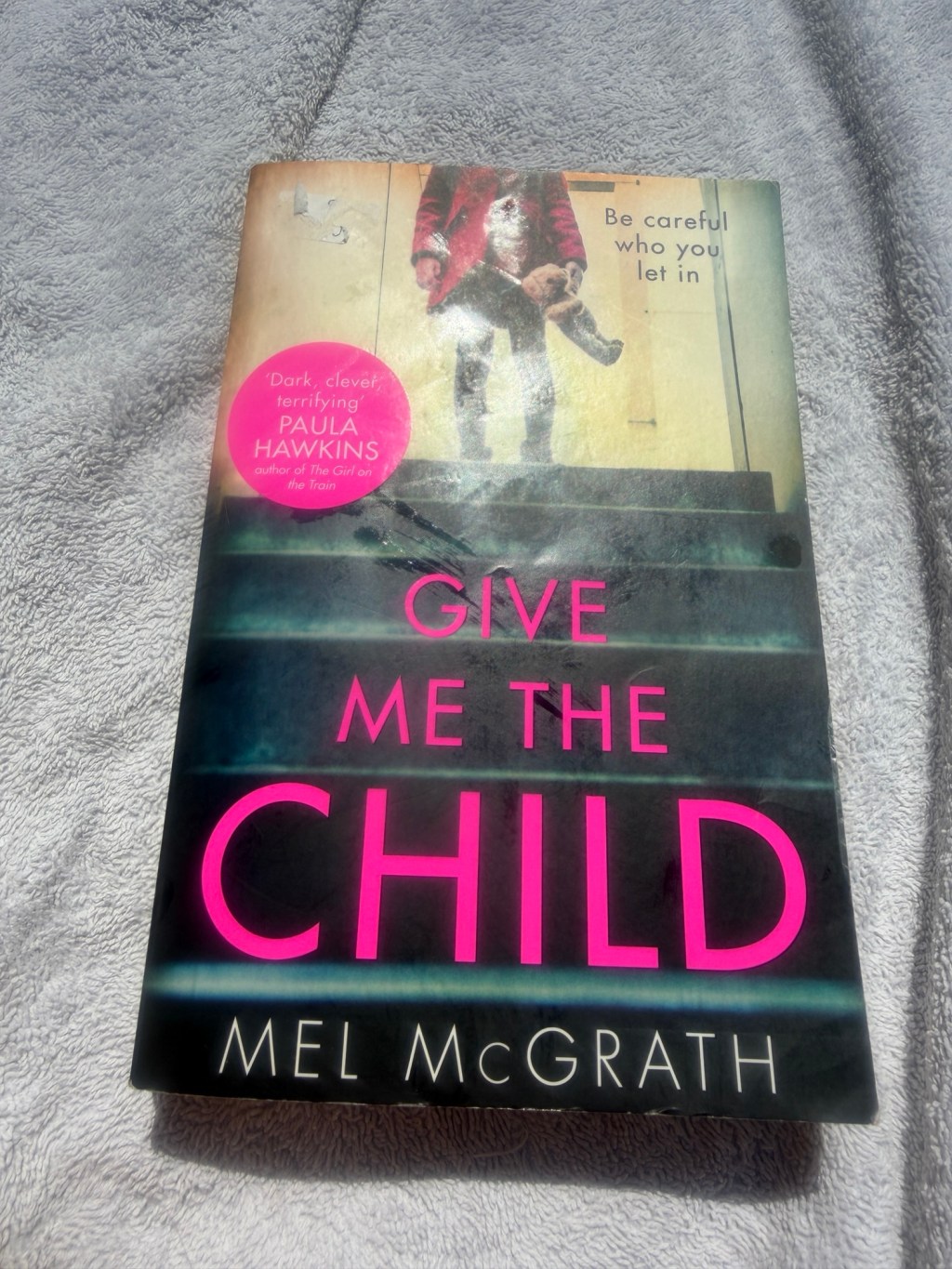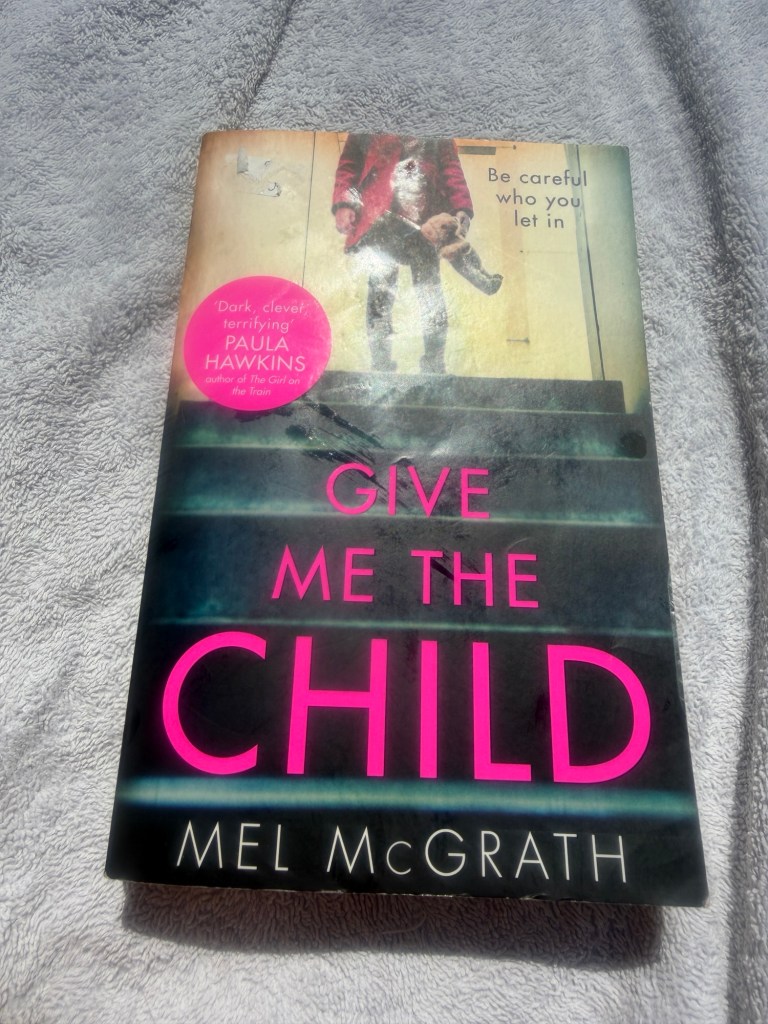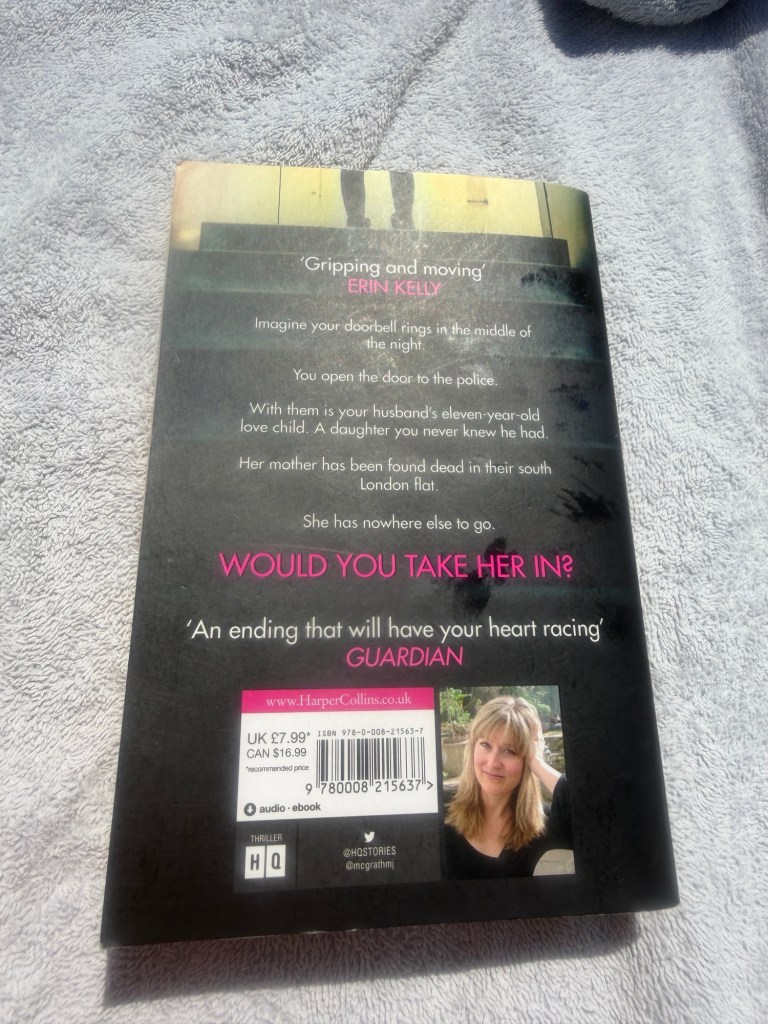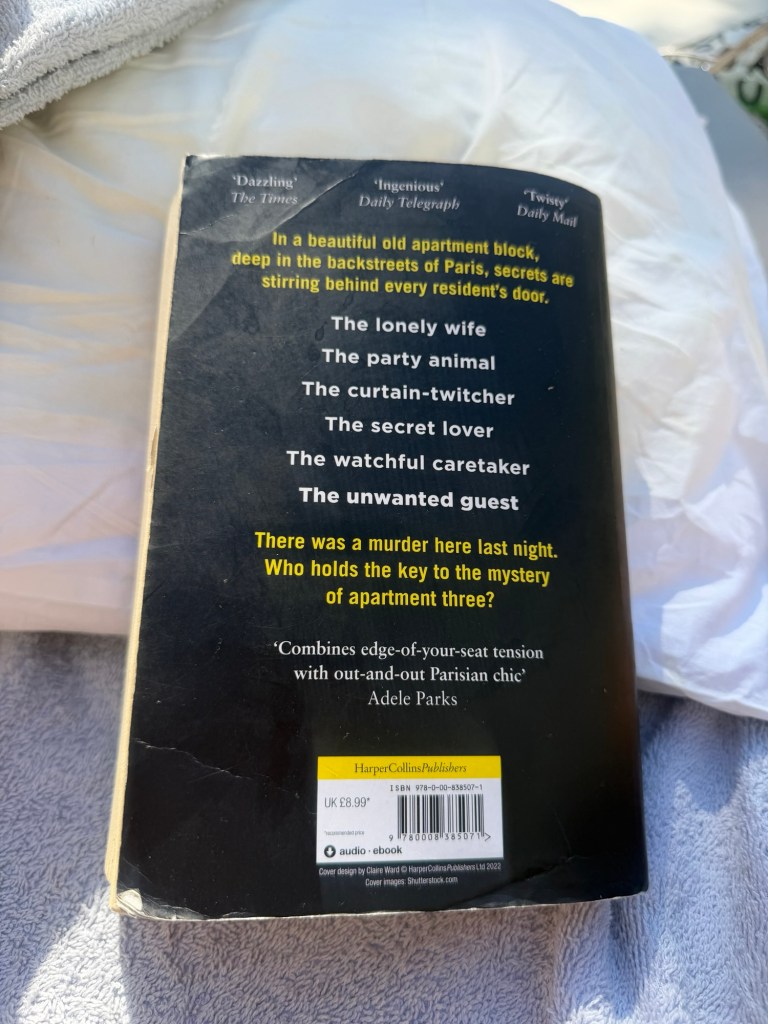
Give Me the Child” starts with a genuinely compelling premise — one that immediately draws you in and promises a tense, emotional read. The central idea has real potential, and at the beginning, it feels like you’re settling into something gripping and thought-provoking.
However, as the story unfolds, it doesn’t quite maintain that initial momentum. The pacing feels uneven, with some sections dragging while others rush through moments that could have been more deeply explored. This creates a slightly disjointed, patchy feel that makes it harder to stay fully immersed in the narrative. There were parts I did enjoy, particularly where the tension was allowed to build, but overall the execution didn’t quite match the strength of the concept. Some plot developments felt a little far-fetched, which took away from the realism and emotional impact the story seemed to be aiming for. It’s not a bad read by any means — just one that doesn’t fully deliver on its promise. Given how much hype surrounds it, I was left feeling slightly disappointed, as it had all the ingredients to be something much more powerful. Overall, I’d give it 3.5 out of 5 — worth a read if you like the genre, but don’t go in expecting it to completely blow you away.
This post may contain affiliate links, which means I may earn a small commission if you purchase through them — at no extra cost to you. As an Amazon Associate, I earn from qualifying purchases
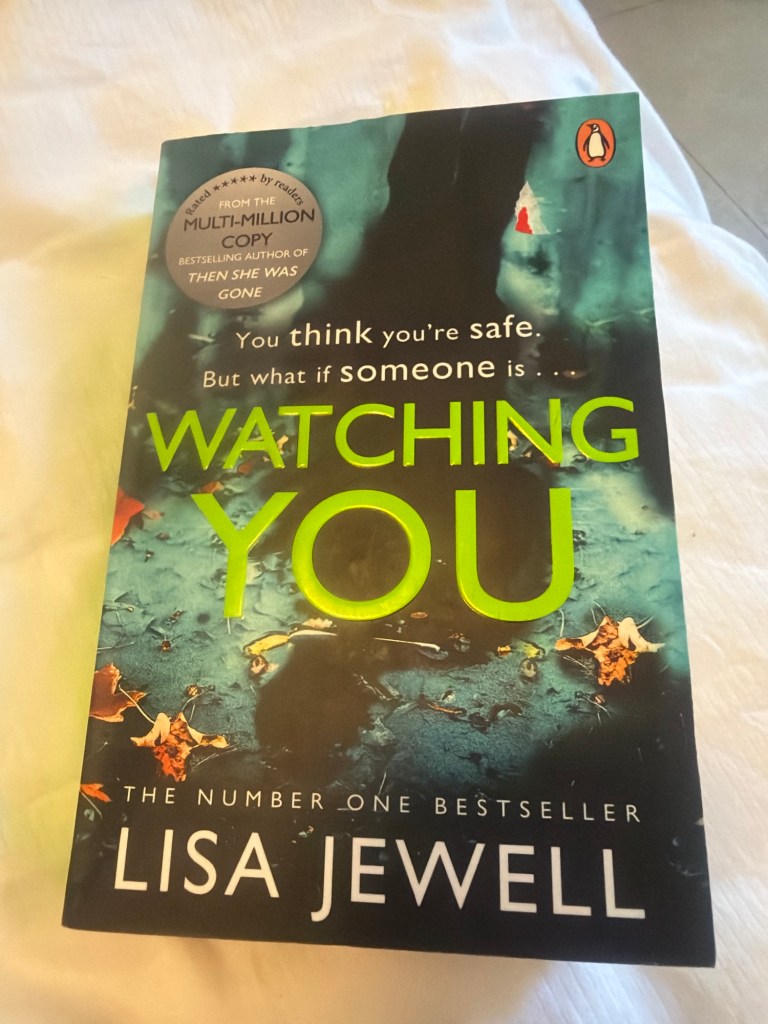
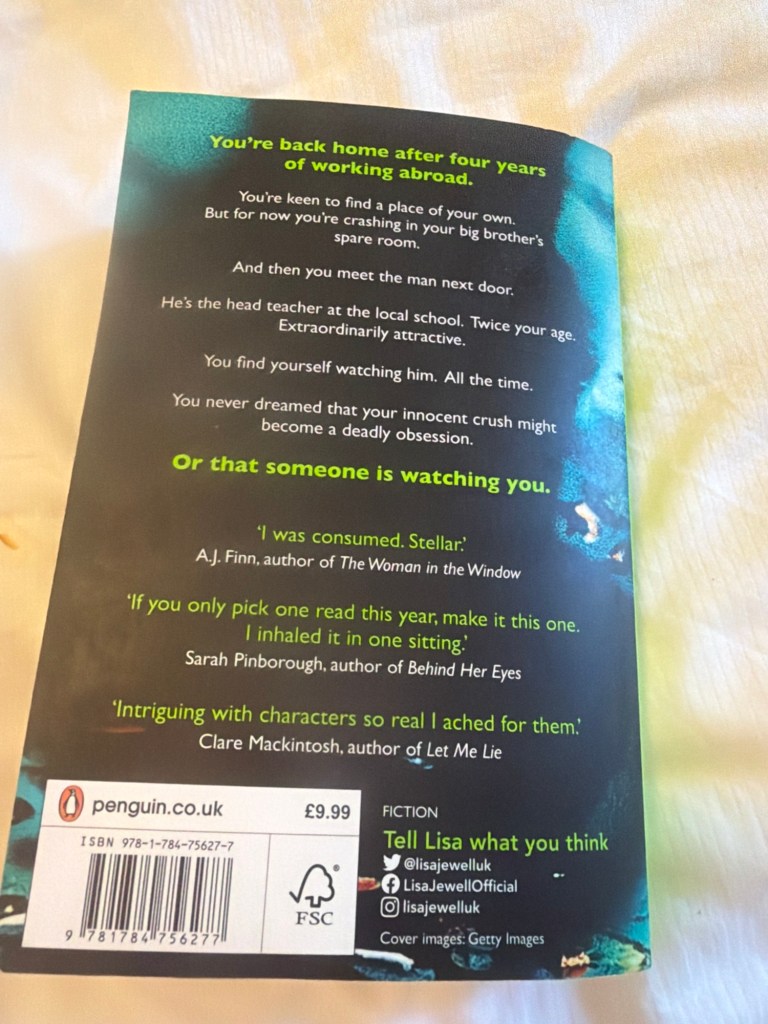
In the posh, leafy enclave of Melville Heights, the houses are large, the lawns are pristine, and the secrets are suffocating. Lisa Jewell’s Watching You is a masterclass in domestic noir that proves how easily an idyllic suburban veneer can crack.
A Tangled Web of Obsession
The story centers on Tom Fitzwilliam, a charismatic headmaster who is practically worshipped by the residents of Melville Heights. He is the “perfect” neighbor—kind, handsome, and endlessly helpful. However, the narrative is framed by a looming tragedy: someone in this neighborhood is determined to kill him.
The plot is masterfully layered, primarily through the eyes of:
Joey Mullins: A young woman who has just moved into the neighborhood with her husband. She becomes deeply, unhealthily obsessed with Tom, convinced there is a sinister side to his “too-perfect” persona.
Jenna Tripp: A teenage girl living in the shadow of a local tragedy. Her mother, Beth, was the victim of a brutal assault years prior, and Jenna is haunted by the past and the strange dynamics of the neighborhood.
The Neighborhood: Jewell masterfully weaves together the viewpoints of various neighbors, each of whom is watching one another. Whether it’s through windows, social media, or whispered gossip, the “watching” in this book is constant and invasive.
Why the Plot is So Compelling
What sets this thriller apart is the dual-timeline approach. We are not just dealing with the current threat against Tom Fitzwilliam; we are simultaneously investigating the long-buried secrets regarding the death of a local teenager named Viva Hart years earlier.
As the present-day plot intensifies—with Joey’s obsession spiraling and the neighborhood tensions reaching a breaking point—the two timelines begin to collide. Jewell forces the reader to act as a detective, connecting the dots between past trauma and current motives.
The Moral Ambiguity: Nothing in Melville Heights is black and white. Jewell purposefully blurs the line between the victim and the villain. Is Joey a worried citizen uncovering a predator, or is she a stalker herself? Is Tom the hero everyone believes him to be, or is he manipulating those around him?
The Slow Burn: The plot thrives on the slow revelation of small, unsettling details—a notebook, a stray lock of hair, a secret glance—that gradually build into a suffocating sense of dread.
The Final Twist: Without giving too much away, the epilogue is a gut-punch. It recontextualizes everything you’ve just read, shifting the blame for the town’s darkest historical tragedy in a way that is as terrifying as it is brilliant.
The Verdict
Watching You is a gripping, multi-layered puzzle. While some might find the middle chapters a deliberate slow burn, it is essential for the character development that makes the final reveal so effective. Jewell doesn’t just write a thriller; she writes a sharp, uncomfortable commentary on how obsession blinds us and how the most dangerous secrets are often hidden in plain sight.
Who should read this? If you crave psychological depth, complex character studies, and a twist that stays with you long after the final page, put this at the top of your reading list.
This post may contain affiliate links, which means I may earn a small commission if you purchase through them — at no extra cost to you. As an Amazon Associate, I earn from qualifying purchases
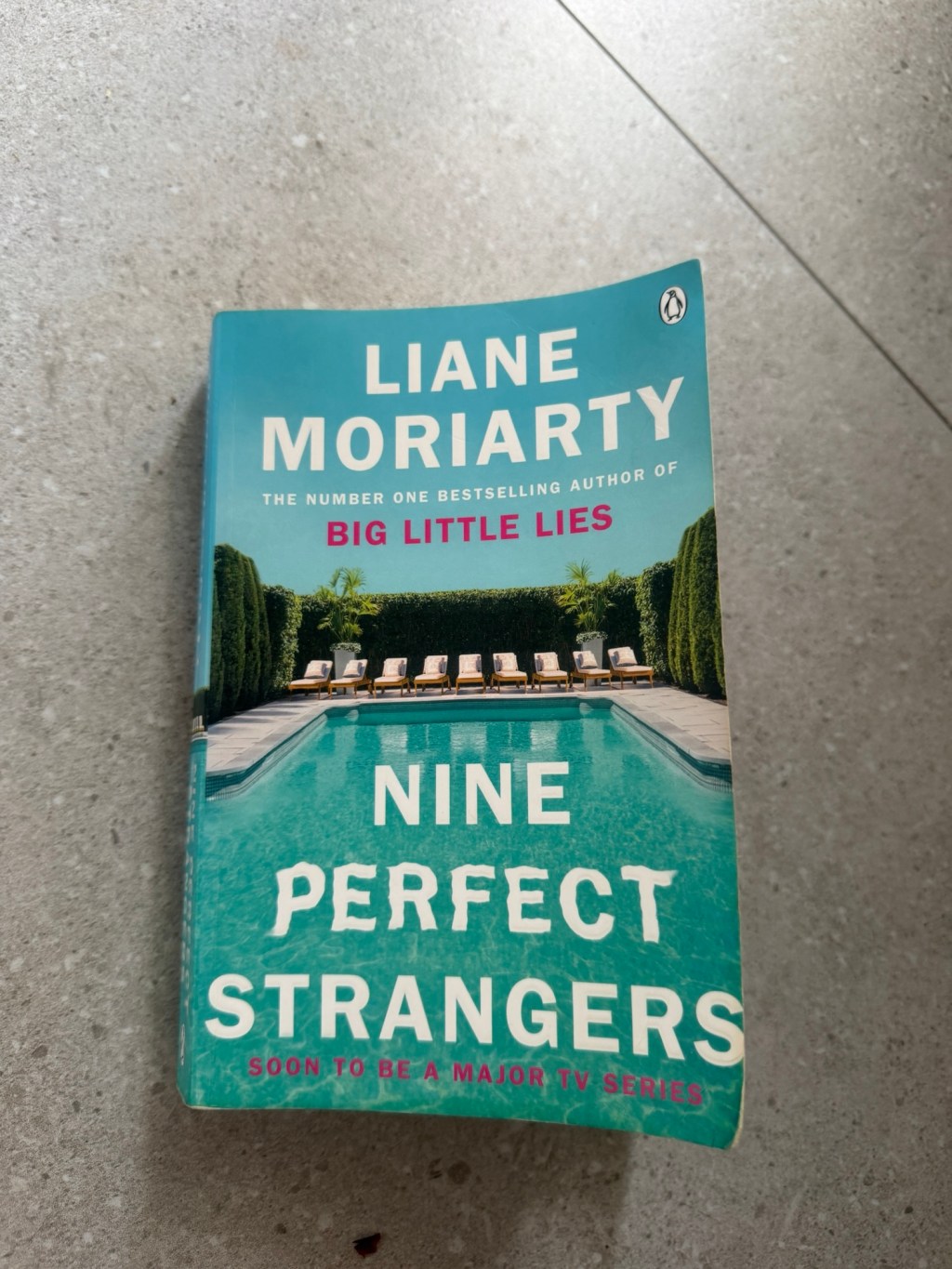
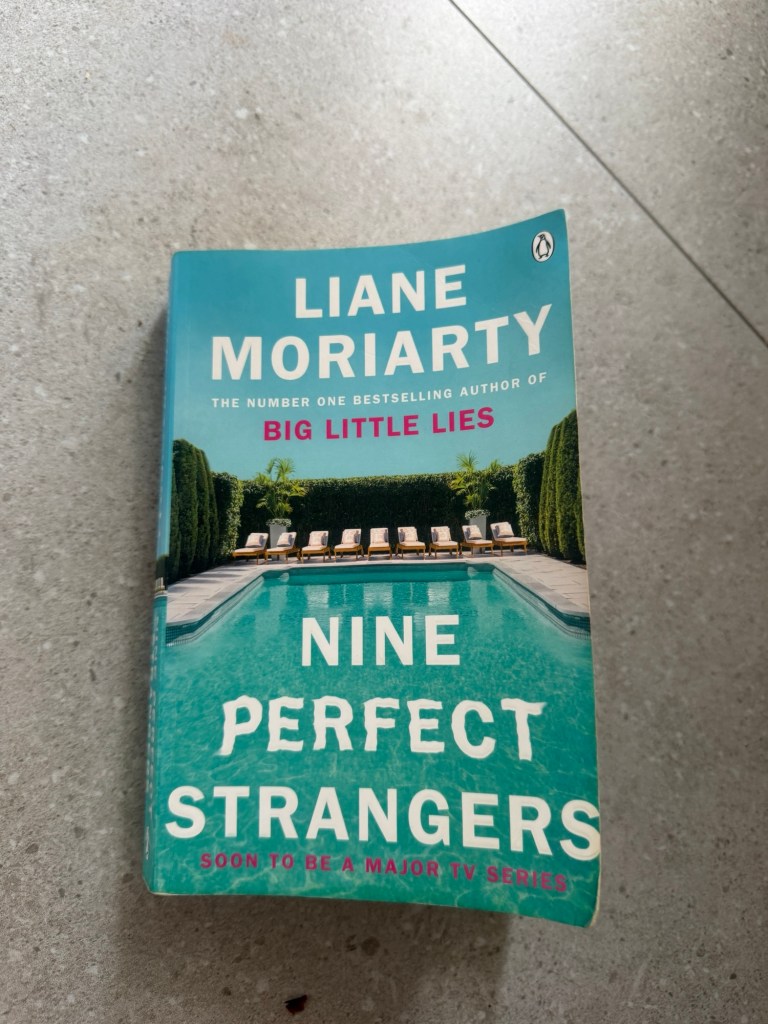
If you’ve ever walked into a bookstore and picked up a novel based on a stunning, inviting cover, only to find the contents were not at all what you expected, you’ve probably experienced the same whiplash I did with Liane Moriarty’s Nine Perfect Strangers.
I recently finished the book, and while I have some strong feelings about where it went off the rails, it ultimately earned a solid 4 out of 5 stars from me. Here is my take on this wild, wellness-retreat-gone-wrong.
The Hook: A Strong Start
The premise is undeniably gripping. We follow nine individuals as they arrive at Tranquillum House, an ultra-exclusive, remote health resort in Australia. Each character is beautifully drawn, detailed, and incredibly engaging. Whether it’s a struggling romance novelist or a family grappling with deep, collective grief, Moriarty does a masterful job of setting the stage. For the first act, the book is a masterclass in character-driven drama. The tensions are subtle, the personalities are sharp, and I was completely hooked on the group dynamics.
The Turning Point: When It Goes Off the Rails
However, about midway through, the story hits a major speed bump. The retreat is run by Masha, an enigmatic director with a vision for “transformation” that is, to put it mildly, radical.
The story began to go downhill for me the moment the guests started being dosed with psychedelics.
While I understand the author was aiming for a high-stakes psychological shift, it felt like the narrative lost its drift here. The grounded, relatable human drama was suddenly replaced by chaotic, forced scenarios. The pacing slowed to a crawl, and the plot became increasingly confusing as Masha’s own grip on reality slipped. What started as a fascinating study of human vulnerability turned into something much more erratic and, at times, difficult to follow.
A Deceptive Cover
It’s also worth mentioning the presentation. I couldn’t help but feel that the book’s cover art slightly misrepresents the tone of the story inside. The aesthetic promises one kind of experience, but once the story veers into that psychedelic, chaotic middle section, it’s a total shift that might catch new readers off guard.
The Redemption
Despite the “strange” middle section and the pacing issues that followed, I’m glad I stuck with it. Moriarty managed to pull everything back together for a very strong, satisfying finish. The ending redeems the slower stretches, providing the resolution the reader is craving and bringing the characters’ arcs to a meaningful close.
Final Verdict
Nine Perfect Strangers is a bit of a rollercoaster. It’s a book of two halves: a brilliant, character-focused setup and a confusing, erratic middle that eventually finds its way home. If you can push through the chaos of the retreat’s “experimental” phase, the payoff is well worth the effort.
Rating: ★★★★☆
Have you read Nine Perfect Strangers? Did you enjoy the shift in tone, or did you find the second half as confusing as I did? Let me know in the comments!
This post may contain affiliate links, which means I may earn a small commission if you purchase through them — at no extra cost to you. As an Amazon Associate, I earn from qualifying purchases
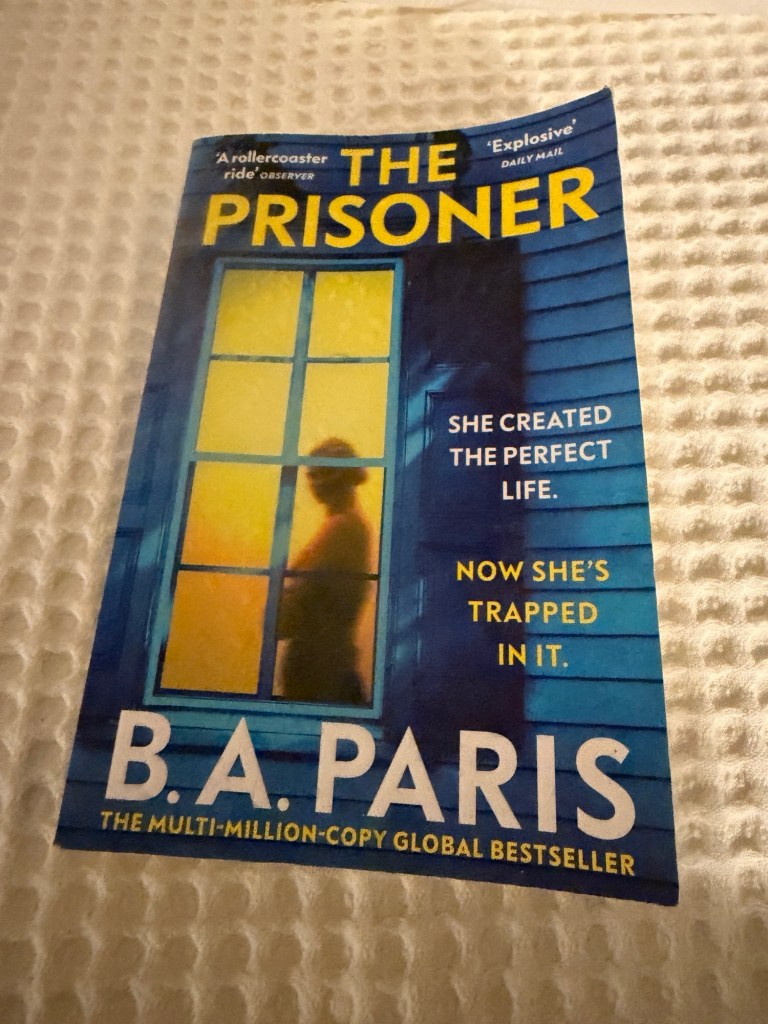
B.A. Paris has built a reputation for delivering high-octane psychological thrillers, so expectations were understandably high for The Prisoner. The novel kicks off with an absolute killer of a premise: a young woman named Amelie wakes up in pitch-black darkness, kidnapped and held captive in a room she cannot see. It is a classic, claustrophobic hook that promises a tense game of survival.
Unfortunately, while the book starts on a high note, it burns through its goodwill at a rapid pace, quickly devolving into a deeply frustrating and utterly unbelievable narrative.
The Turning Point: A Character Contradiction
The most glaring flaw in The Prisoner lies in the jarring disconnect within its protagonist, Amelie. In the initial chapters, Paris goes to great lengths to establish Amelie as a fiercely independent, street-smart survivor. Having been orphaned young, she is depicted as someone who relies solely on her own wits and caution to navigate a harsh world.
Yet, this careful characterization is entirely thrown out the window when she crosses paths with the wealthy Ned Hawthorne.
The decision Amelie makes to enter into a sudden, highly suspect marriage of convenience with Ned completely contradicts everything we were just taught to believe about her. It is a massive narrative leap that feels forced by the plot rather than earned by the character.
Instead of the savvy survivor we were promised, Amelie suddenly acts with a level of naivety that strains all credibility. It is incredibly difficult to root for a heroine whose core personality traits are rewritten just to get her into the plot’s central predicament.
From Compelling Hook to Unbelievable Spiral
Once the initial mystery of the kidnapping is established, the book goes downhill fast. A good thriller requires a thread of logic to hold the tension together, but The Prisoner trades suspense for increasingly absurd plot twists.
The mechanics of the marriage, the motivations of the captors, and the ultimate reveals require a massive suspension of disbelief. Rather than feeling like a clever web of deceit, the story feels contrived, relying on characters making baffling decisions simply to keep the plot moving forward.
The Verdict: A Missed Opportunity
The Prisoner had all the ingredients for a top-tier thriller: a strong concept, a vulnerable yet capable lead, and a terrifying situation. Instead, it serves as a textbook example of a great idea getting lost in poor execution. Because the central character relationships and choices are so unbelievable, the tension completely evaporates by the halfway mark.
For readers looking for the tight, psychological realism of Paris’s earlier work like Behind Closed Doors, this one unfortunately misses the mark.
Final Rating: ⭐⭐☆☆☆ (2/5) — A decent concept ruined by glaring character inconsistencies and an unbelievable plot.
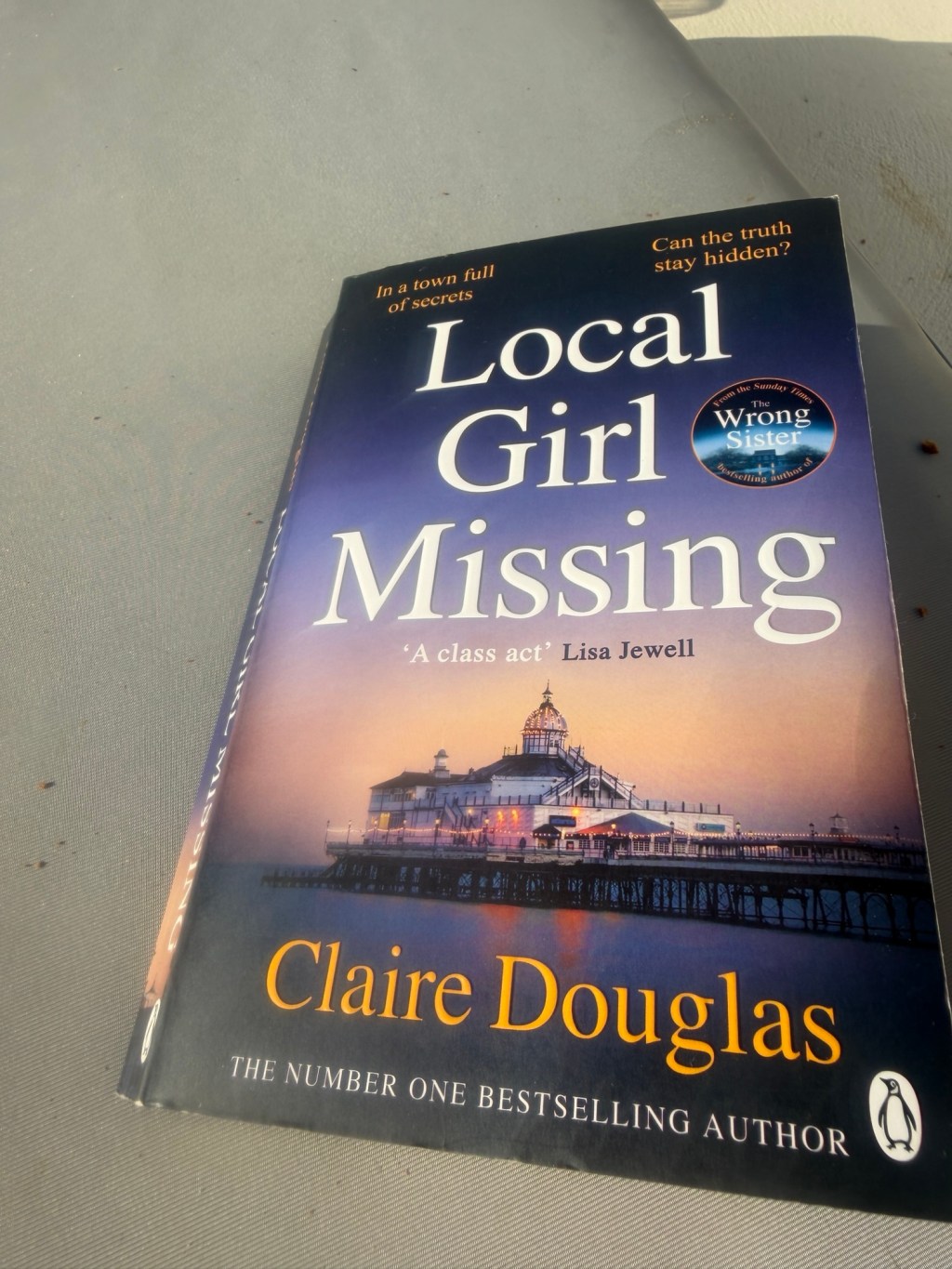
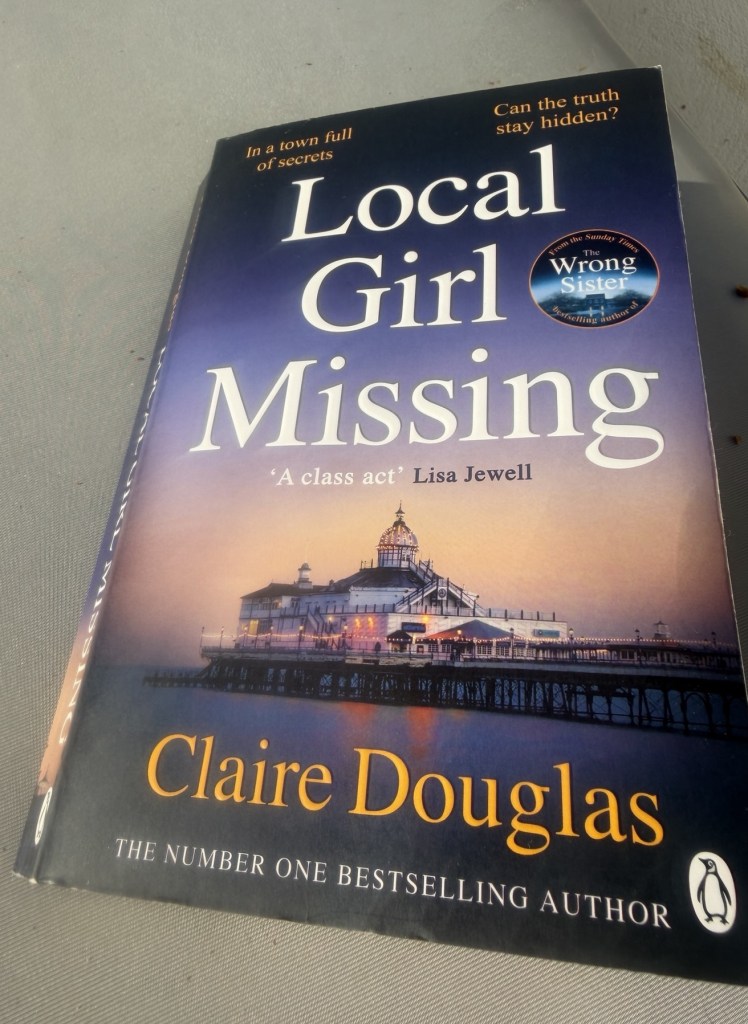
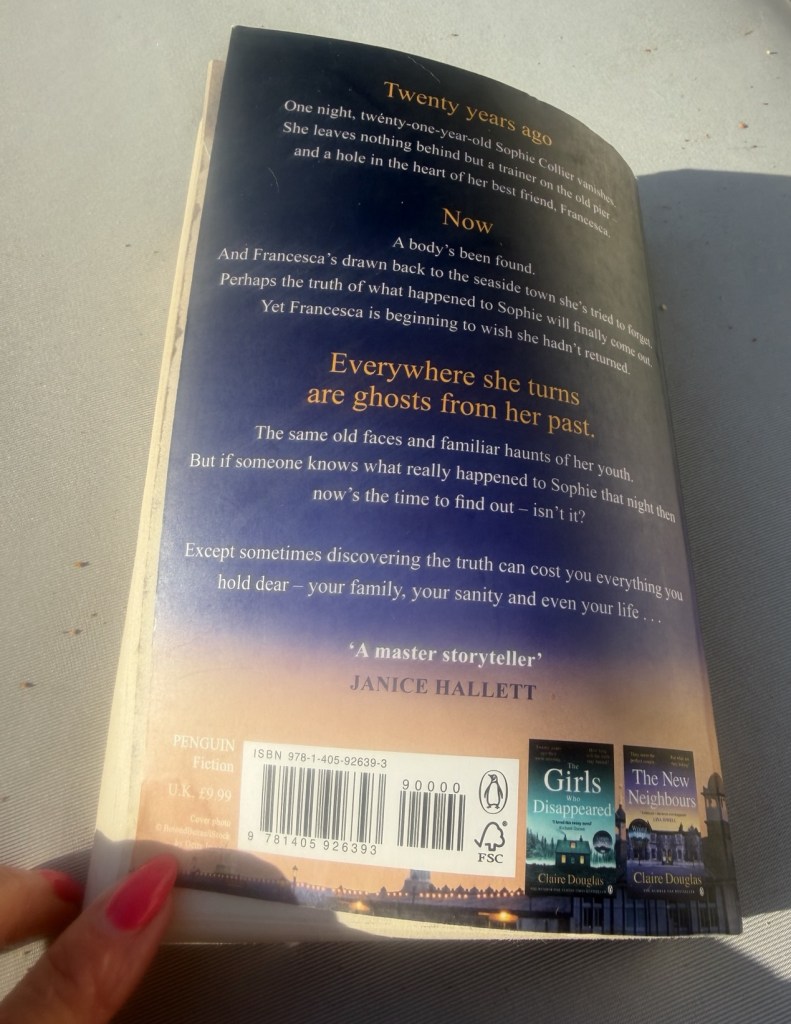
“Local Girl Missing” by Claire Douglas is a wonderfully eerie, slow-burn psychological thriller that really got under my skin in the best way. It follows Francesca “Frankie” Bloom, who is reluctantly pulled back to her gloomy hometown of Oldcliffe-on-Sea almost twenty years after her best friend Sophie disappeared from the old pier. When what appears to be Sophie’s remains are discovered, her brother Daniel asks Frankie to come home and help finally uncover the truth about that night — whether she’s ready for it or not.
The story is told in a dual timeline, which I loved. In the present we have Frankie, trying to piece together what happened while dealing with the ghosts of her past. In the past we hear Sophie’s voice through diary-style chapters, leading us step by step towards her disappearance. This structure works really well: you’re drip-fed information from both sides, and it constantly makes you question who you should trust and what is being left unsaid. It also gives the story a really addictive “just one more chapter” feel. One of my favourite elements was the atmosphere. Oldcliffe-on-Sea is almost a character in its own right — all crumbling buildings, off-season gloom and that sinister, decaying pier hanging over everything. There’s this constant sense of unease, like something is watching from the shadows or about to surface from the past at any moment. It’s not gory or overly graphic; it’s more about tension, mood and the feeling that anything could happen, which I personally prefer in a psychological thriller. The heart of the story, though, is the complicated friendship between Frankie and Sophie. This is not a simple “best friends forever” situation. Their relationship is messy and layered, with jealousy, insecurity, shifting power and long-held resentments running underneath the fun nights out and shared secrets. I really enjoyed how Claire Douglas slowly peeled back those layers, because it made both women feel flawed, human and very believable. You can understand why they loved each other, but you can also see exactly how things went wrong. I really liked this book, and I really like Claire Douglas as an author — I’ve read a few of her other books and this one sits up there with my favourites. Her writing is tight, engaging and easy to fly through, and the twists and turns feel well-planned rather than thrown in for shock value. There are plenty of surprises, but when the reveals come, you can look back and see the clues that were quietly planted earlier on, which I always appreciate. In terms of pacing, it’s definitely more of a slow burn at the start, focusing on atmosphere, character and the weight of the past. That worked perfectly for me, because by the time the story really ramps up, you’re fully invested in these people and their secrets. The tension builds steadily, and the final section has that “I can’t put this down now” energy, with several genuinely unexpected moments that made me rethink what I thought I knew.
Overall, Local Girl Missing is a well-written, atmospheric thriller with a great sense of place, complex relationships and a gripping mystery at its core. If you enjoy dark, twisty psychological thrillers that are more about character and suspense than constant action, I think this will be right up your street. I’m giving Local Girl Missing by Claire Douglas a very solid 4.5 out of 5.
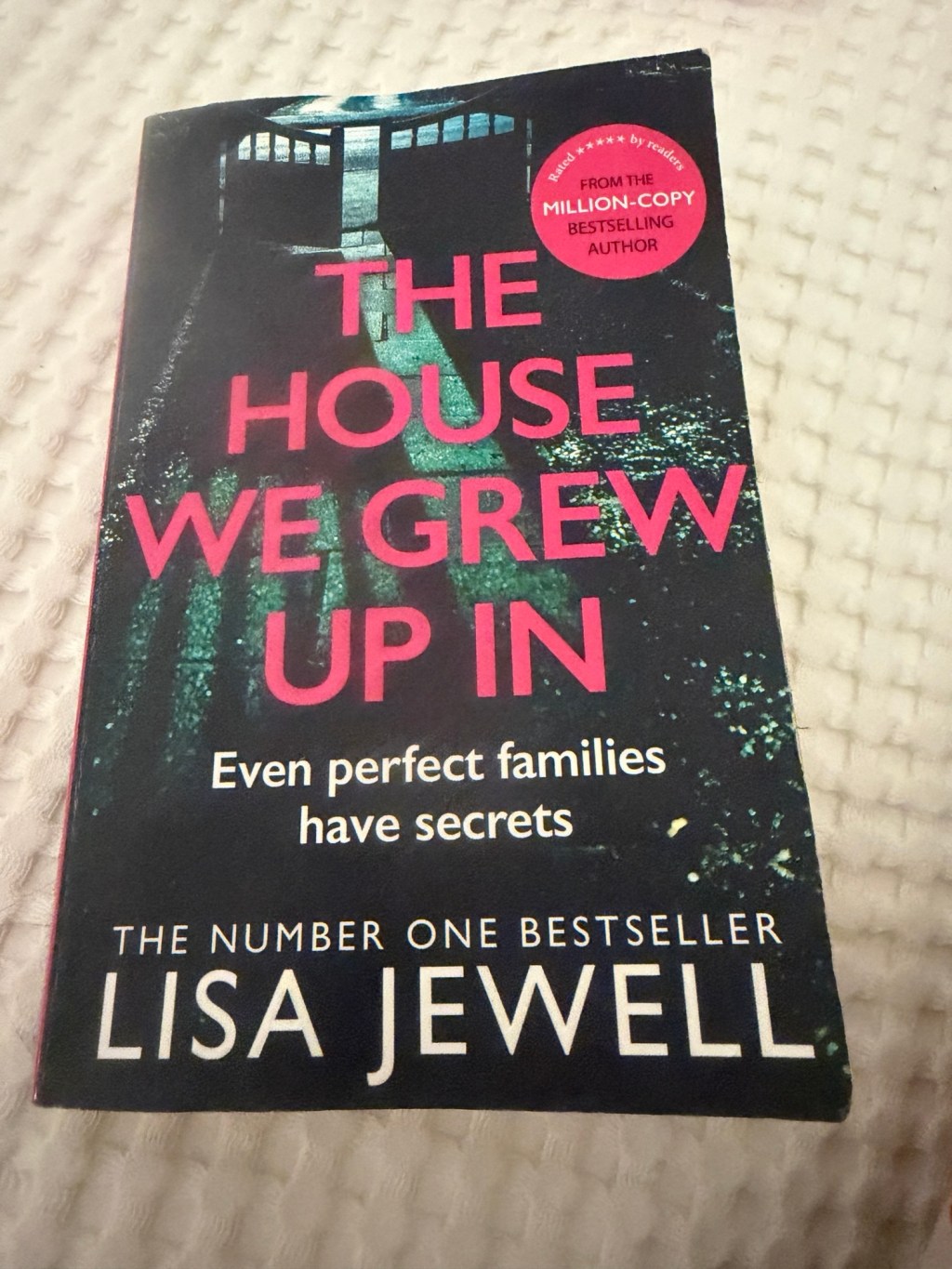
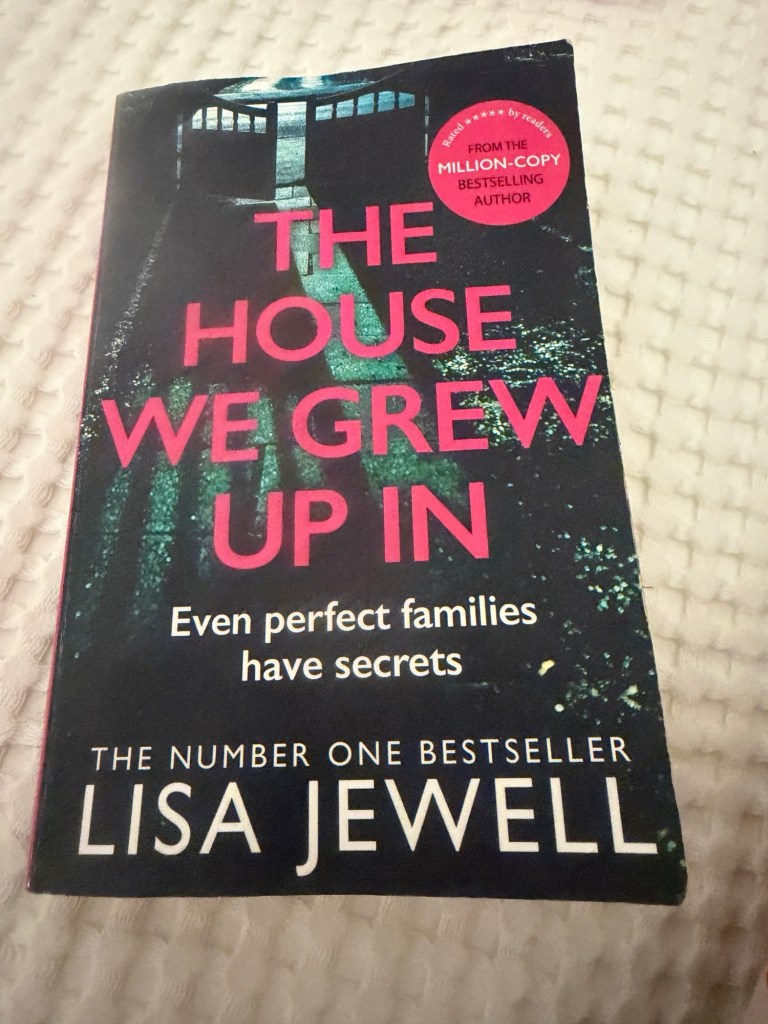
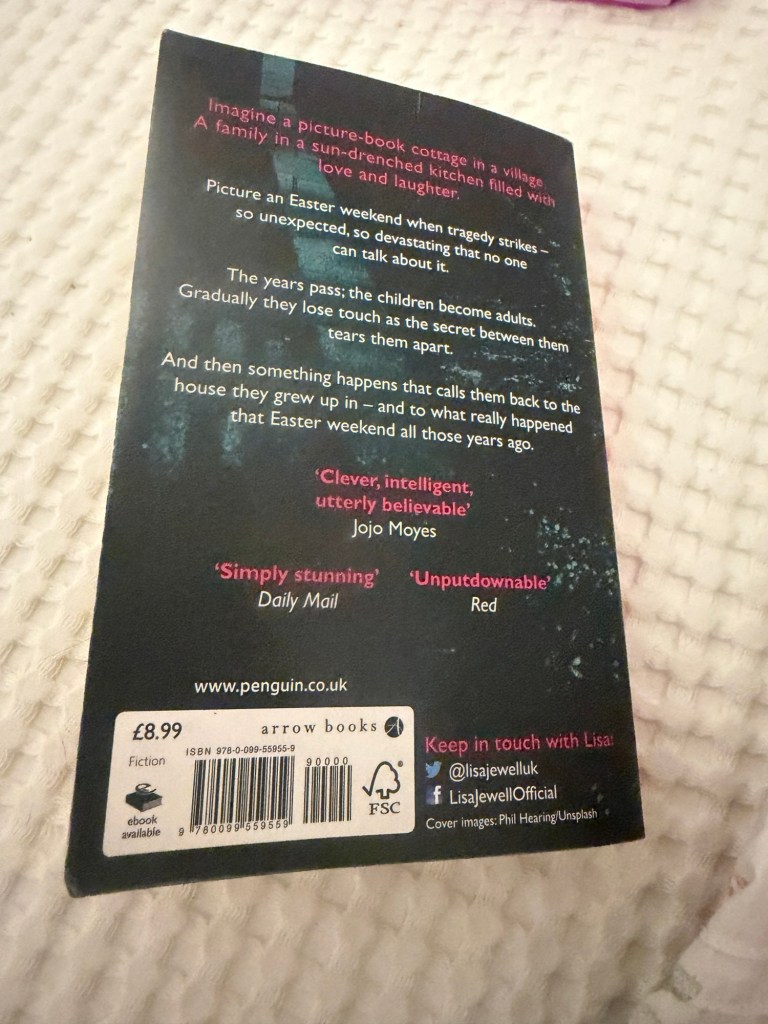
The House We Grew Up In by Lisa Jewell is, without a doubt, a 5-star read for me — beautifully written, emotionally rich, and completely absorbing from beginning to end.
The novel centers around the Bird family, who appear, at first glance, to have an idyllic life in a charming countryside home. However, everything begins to unravel after a tragic Easter weekend that changes the family forever. As the story moves between past and present, we gradually uncover what really happened and how each member of the family has been shaped — and in many ways haunted — by those events. Lisa Jewell does an exceptional job of exploring complex family dynamics, particularly the subtle (and not-so-subtle) ways people cope with grief, pressure, and expectations. Each character feels real and fully formed, with their own struggles, flaws, and emotional depth. What makes the story especially compelling is how the perspectives shift, allowing you to see how differently each person experiences the same family and the same events. One of the most powerful aspects of the book is its exploration of hoarding and its impact on relationships. This adds an extra layer of tension and discomfort, making the family home itself feel almost like a character — one that reflects the emotional chaos beneath the surface. The pacing is perfectly balanced, slowly revealing secrets while keeping you invested in the outcome. It’s not a fast-paced thriller, but it doesn’t need to be — the emotional pull and the need to understand “what really happened” keep the pages turning. Overall, this is a deeply thought-provoking and engaging read that lingers long after you’ve finished. It’s a poignant look at love, loss, and the complicated bonds that tie families together. I found it both moving and memorable, and I’d highly recommend it to anyone who enjoys character-driven stories with emotional depth.
This post may contain affiliate links, which means I may earn a small commission if you purchase through them — at no extra cost to you. As an Amazon Associate, I earn from qualifying purchases
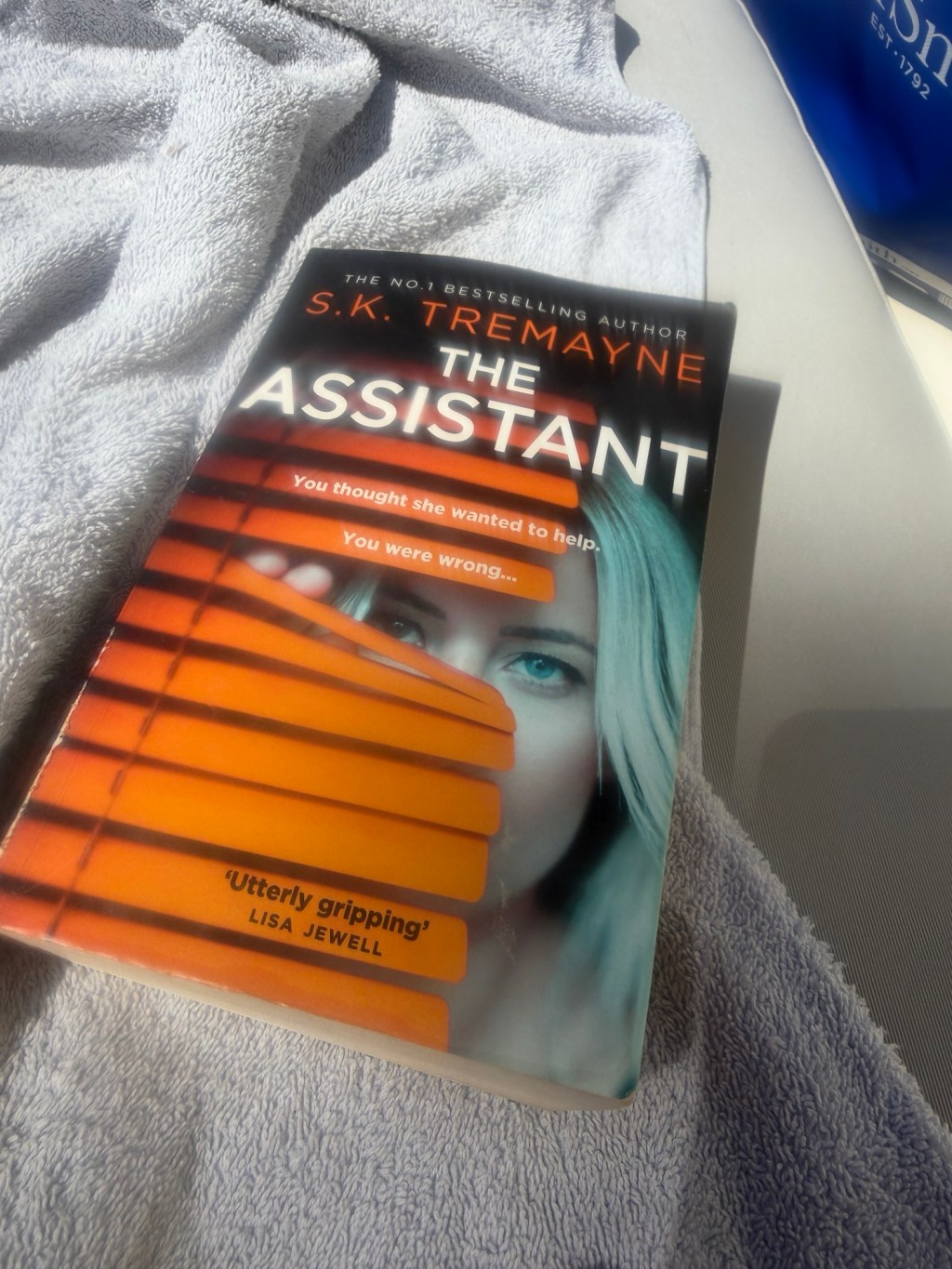
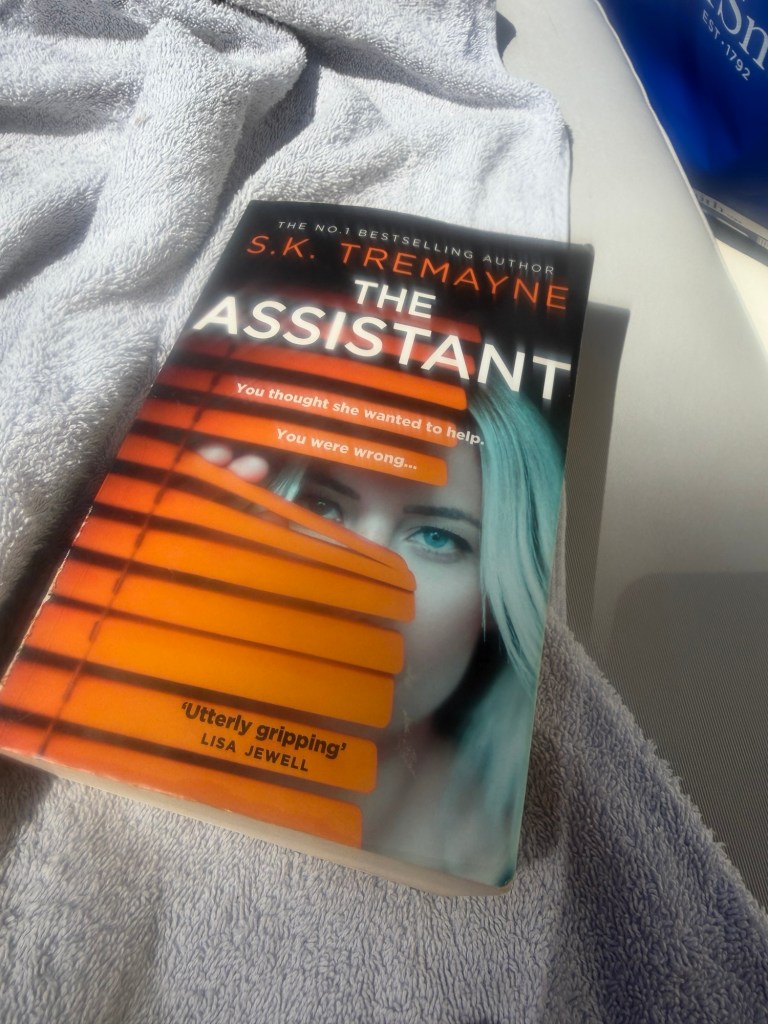
Hey everyone! I’m currently away on holiday, enjoying some much-needed downtime. Of course, no holiday is complete without a stack of books, and today I’m sharing my thoughts on my latest read: The Assistant by S.K. Tremayne.
I picked this up for just £1 in my local charity shop before heading off, and honestly? Thank goodness it only cost me a quid, because it was a total letdown.
Here is my honest breakdown of why this one didn’t live up to the hype.
The Premise: A Great Concept
On paper, The Assistant has all the ingredients for a gripping, modern psychological thriller. It taps into our collective paranoia about smart home technology and AI spying on us.
The setup is genuinely creepy: Jo, newly divorced and struggling, moves into a luxury apartment equipped with a state-of-the-art voice assistant named Electra. When Electra starts spitting out deeply personal, terrifyingly specific details about Jo’s past, the stage is set for a chilling, tech-driven nightmare.
Unfortunately, while the concept is brilliant, the execution completely misses the mark.
A Disjointed and Frustrating Read
The biggest issue with this book is how disjointed it feels. A thriller relies on building tension, but here, the pacing is a chaotic mess.
I kept reading, turning pages with the desperate hope that the story would finally click into place, hit its stride, and reward my patience. It never did. I wish I’d just call it quits and followed my gut. Instead, it drags you through a repetitive middle section that leads to a conclusion that doesn’t feel earned.
Unbelievable Characters and a Far-Fetched Plot
For a psychological thriller to work, you have to buy into the world and the people inhabiting it. The Assistant fails on both fronts:
The Characters: Jo is incredibly difficult to root for, mostly because her decisions defy all human logic. Instead of doing what any sane person would do when their smart home begins threatening them—like unplugging the device or leaving—she just stays. The supporting characters feel just as unbelievable and flat.
The Plot: As the book progresses, it crosses the line from “speculative tech-horror” into pure absurdity. The twists are so wildly far-fetched that they shatter any remaining suspension of disbelief. Rather than a clever, mind-bending resolution, the climax feels like a series of cheap shocks.
The Verdict
My Rating: ⭐⭐☆☆☆ (2/5)
The Assistant is the textbook definition of a total letdown. It wastes a fantastic, timely concept on a messy plot and unbelievable characters that to be honest I didn’t empathise or relate to. Looks like I could be in a minority because it has a 4.1 star review on Amazon but just didn’t do it for me!
Have you read The Assistant? Did you find it as far-fetched as I did, or did it work better for you? Let me know in the comments below!