
B.A. Paris has built a reputation for delivering high-octane psychological thrillers, so expectations were understandably high for The Prisoner. The novel kicks off with an absolute killer of a premise: a young woman named Amelie wakes up in pitch-black darkness, kidnapped and held captive in a room she cannot see. It is a classic, claustrophobic hook that promises a tense game of survival.
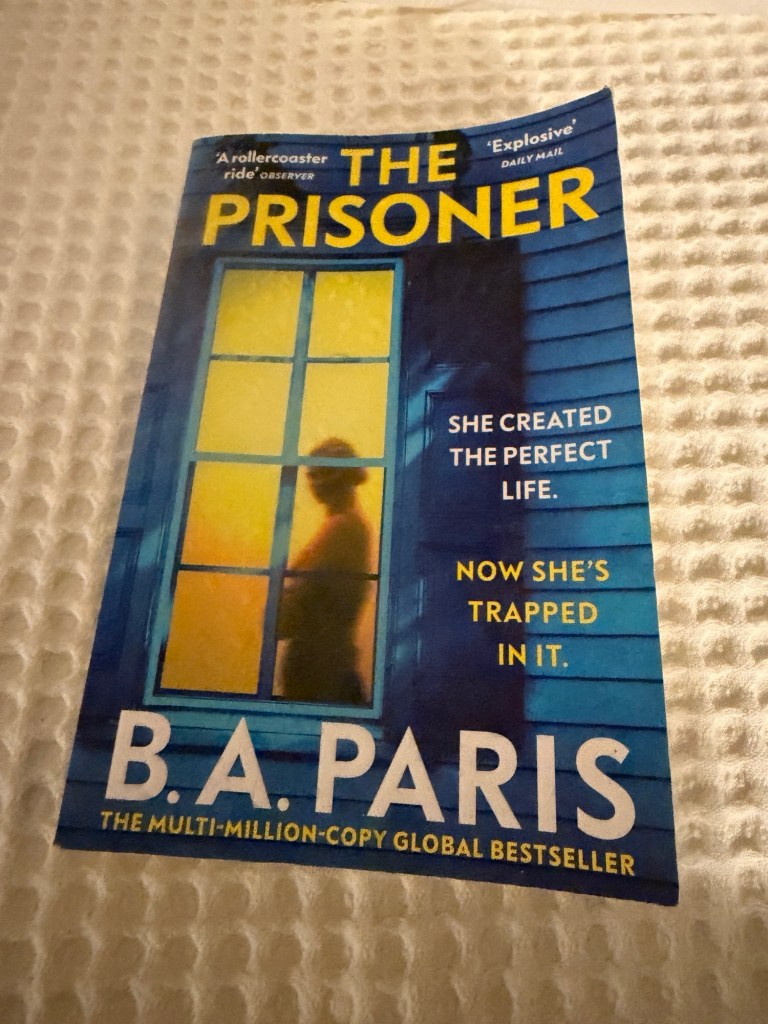
Unfortunately, while the book starts on a high note, it burns through its goodwill at a rapid pace, quickly devolving into a deeply frustrating and utterly unbelievable narrative.
The Turning Point: A Character Contradiction
The most glaring flaw in The Prisoner lies in the jarring disconnect within its protagonist, Amelie. In the initial chapters, Paris goes to great lengths to establish Amelie as a fiercely independent, street-smart survivor. Having been orphaned young, she is depicted as someone who relies solely on her own wits and caution to navigate a harsh world.
Yet, this careful characterization is entirely thrown out the window when she crosses paths with the wealthy Ned Hawthorne.
The decision Amelie makes to enter into a sudden, highly suspect marriage of convenience with Ned completely contradicts everything we were just taught to believe about her. It is a massive narrative leap that feels forced by the plot rather than earned by the character.
Instead of the savvy survivor we were promised, Amelie suddenly acts with a level of naivety that strains all credibility. It is incredibly difficult to root for a heroine whose core personality traits are rewritten just to get her into the plot’s central predicament.
From Compelling Hook to Unbelievable Spiral
Once the initial mystery of the kidnapping is established, the book goes downhill fast. A good thriller requires a thread of logic to hold the tension together, but The Prisoner trades suspense for increasingly absurd plot twists.
The mechanics of the marriage, the motivations of the captors, and the ultimate reveals require a massive suspension of disbelief. Rather than feeling like a clever web of deceit, the story feels contrived, relying on characters making baffling decisions simply to keep the plot moving forward.
The Verdict: A Missed Opportunity
The Prisoner had all the ingredients for a top-tier thriller: a strong concept, a vulnerable yet capable lead, and a terrifying situation. Instead, it serves as a textbook example of a great idea getting lost in poor execution. Because the central character relationships and choices are so unbelievable, the tension completely evaporates by the halfway mark.
For readers looking for the tight, psychological realism of Paris’s earlier work like Behind Closed Doors, this one unfortunately misses the mark.
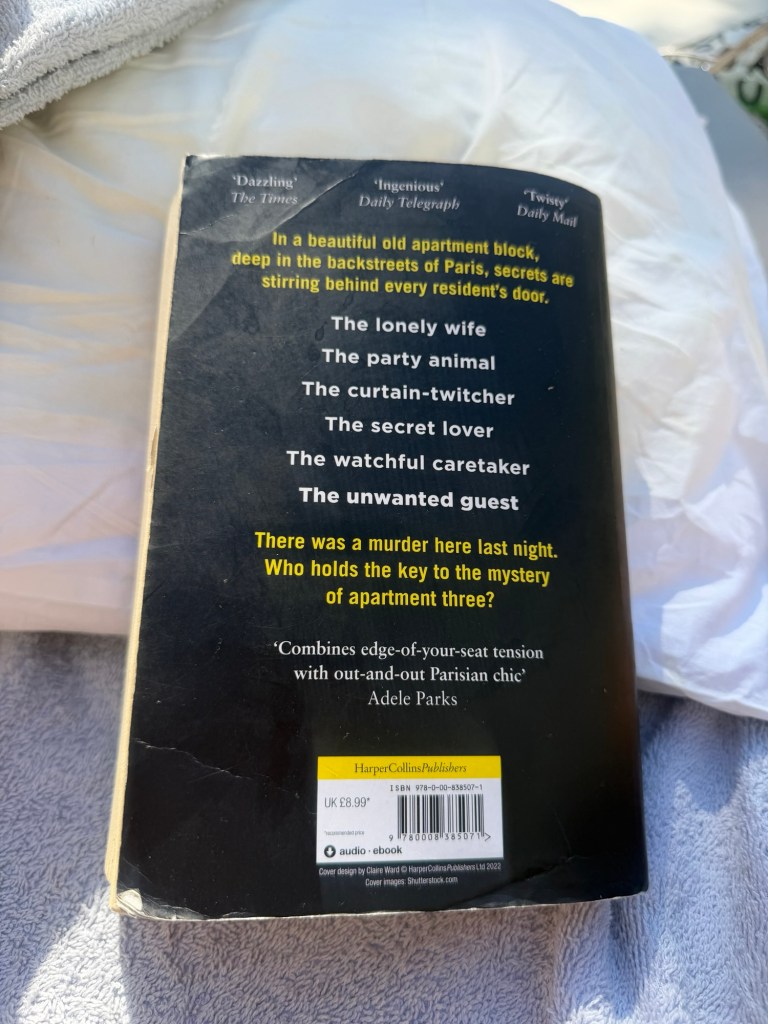
Final Rating: ⭐⭐☆☆☆ (2/5) — A decent concept ruined by glaring character inconsistencies and an unbelievable plot.
You can buy on Amazon


Leave a Reply