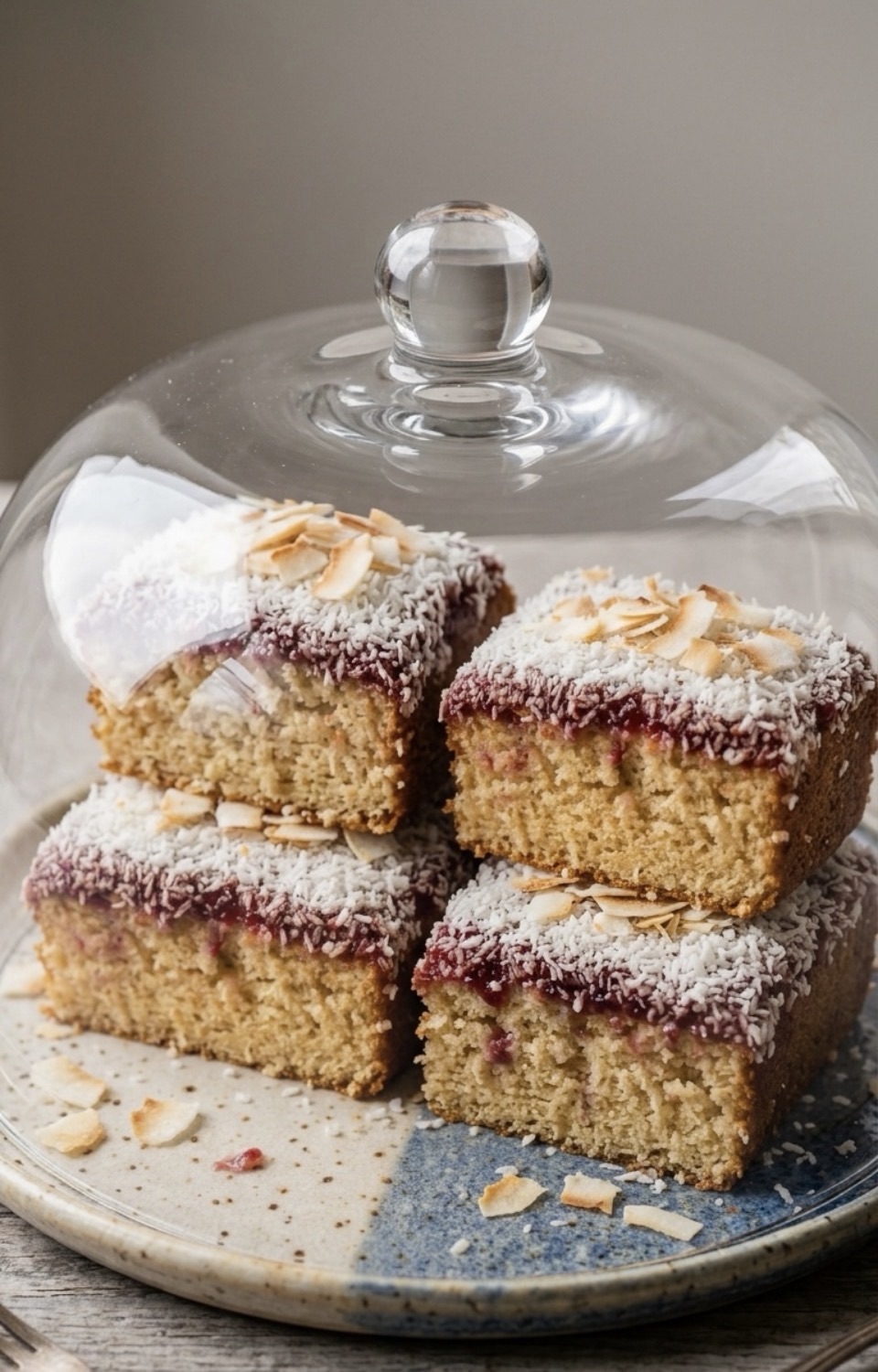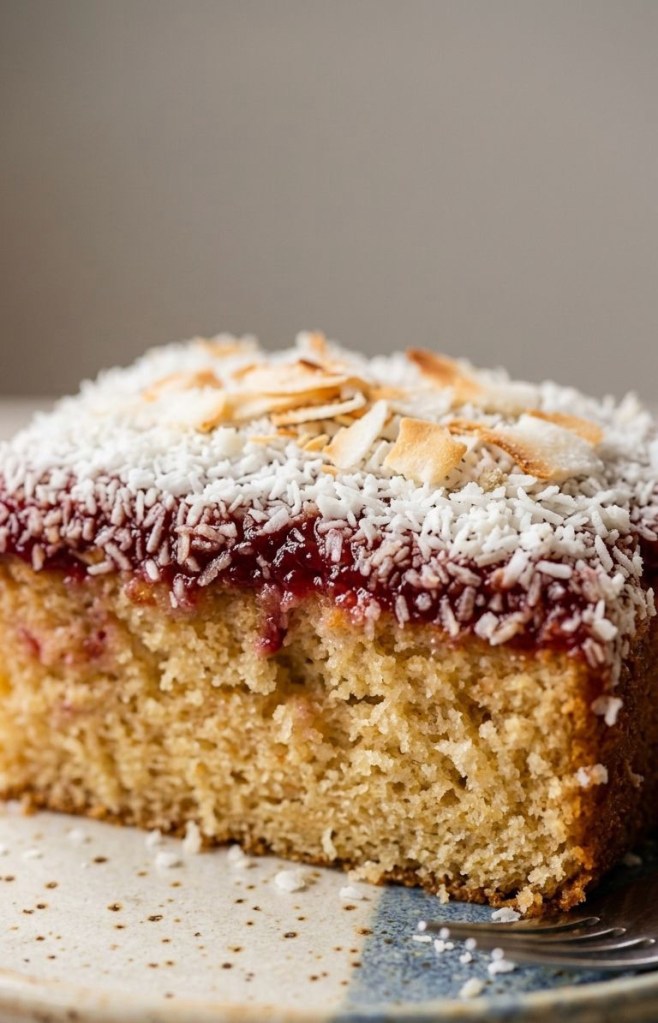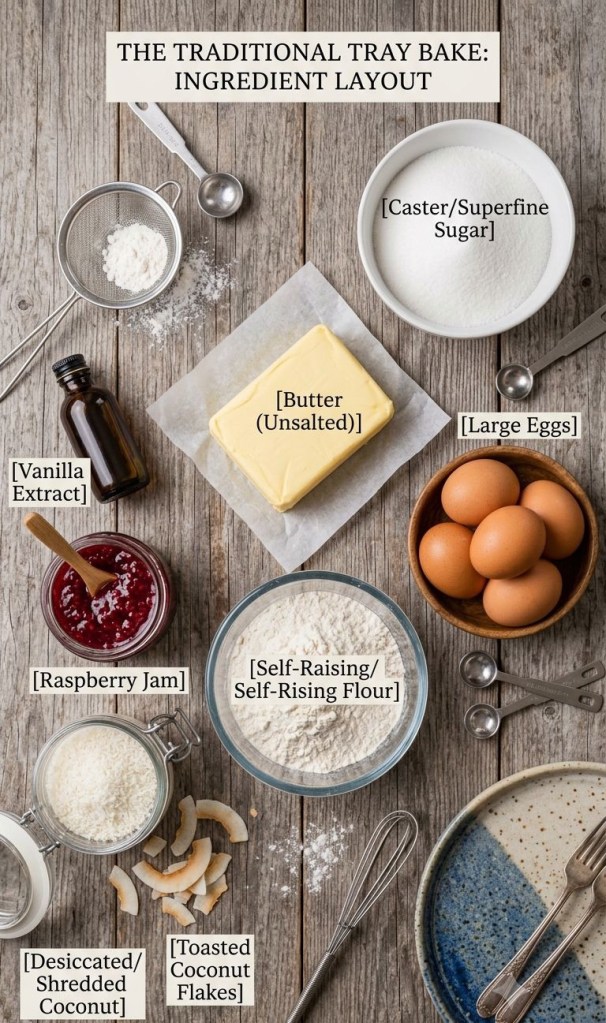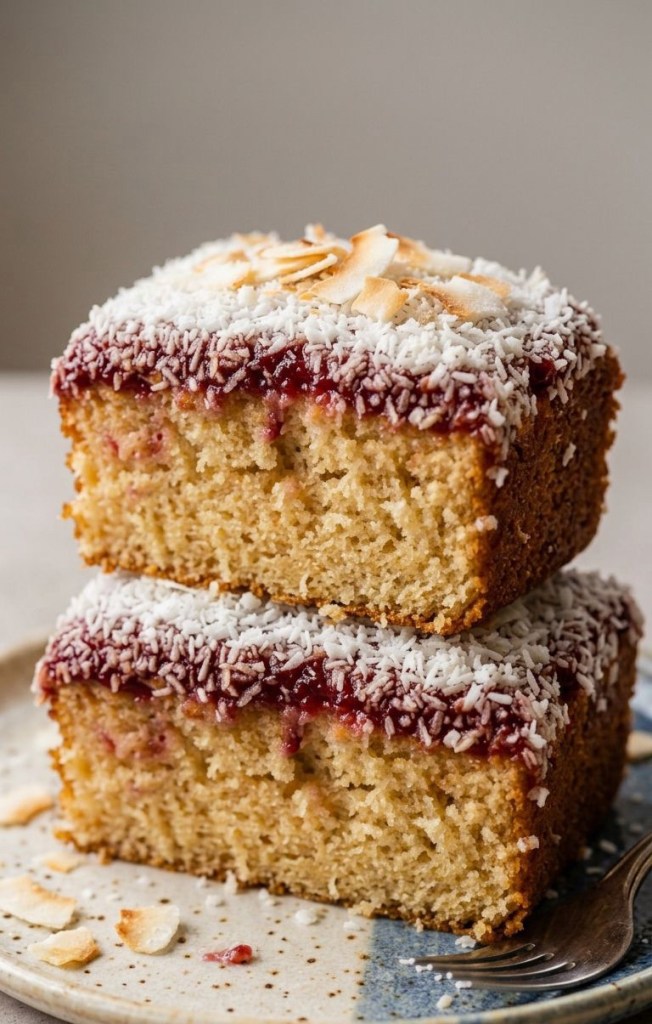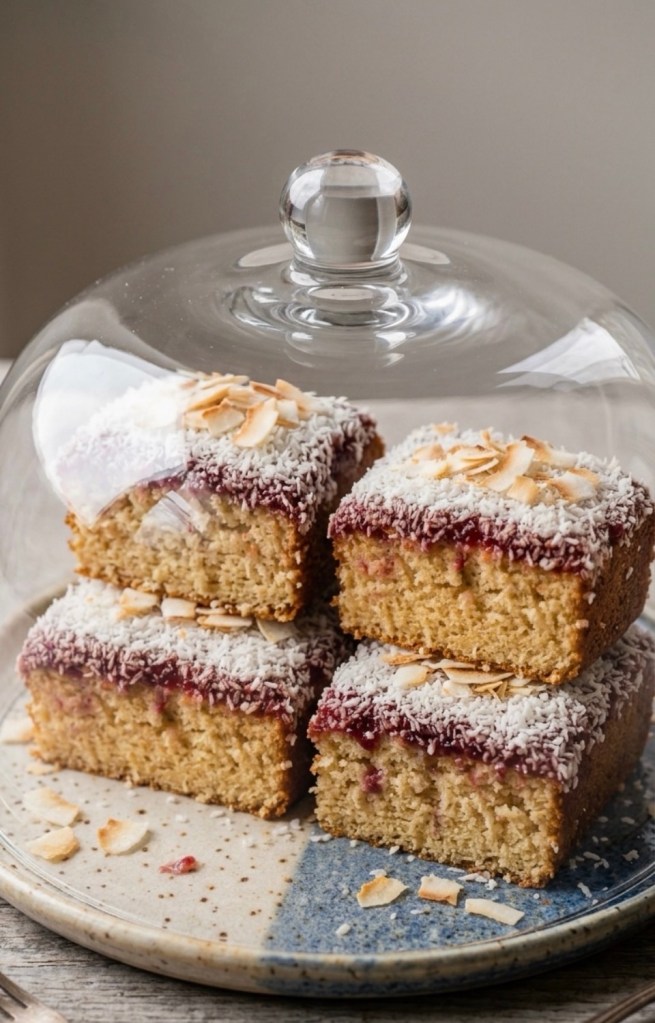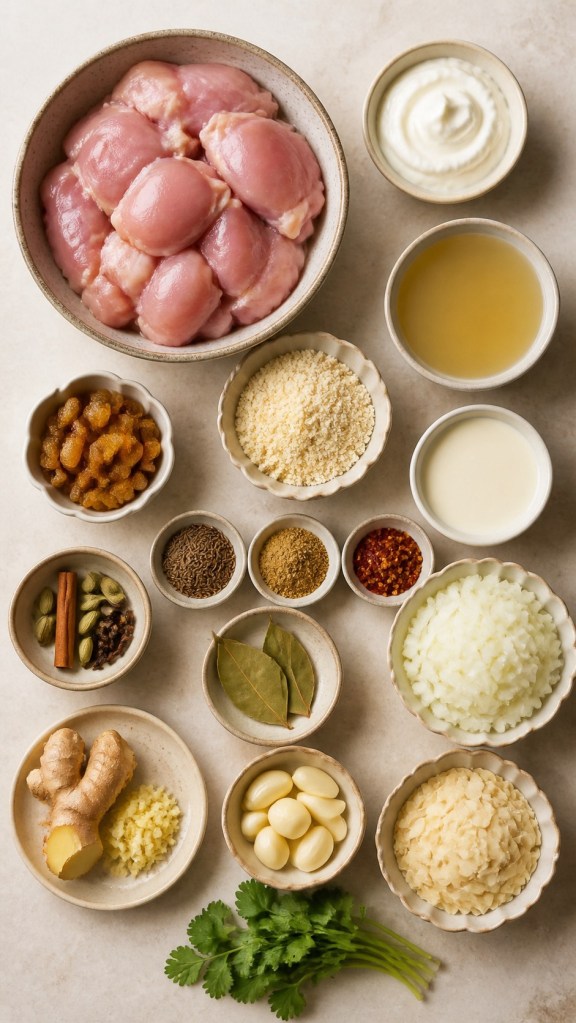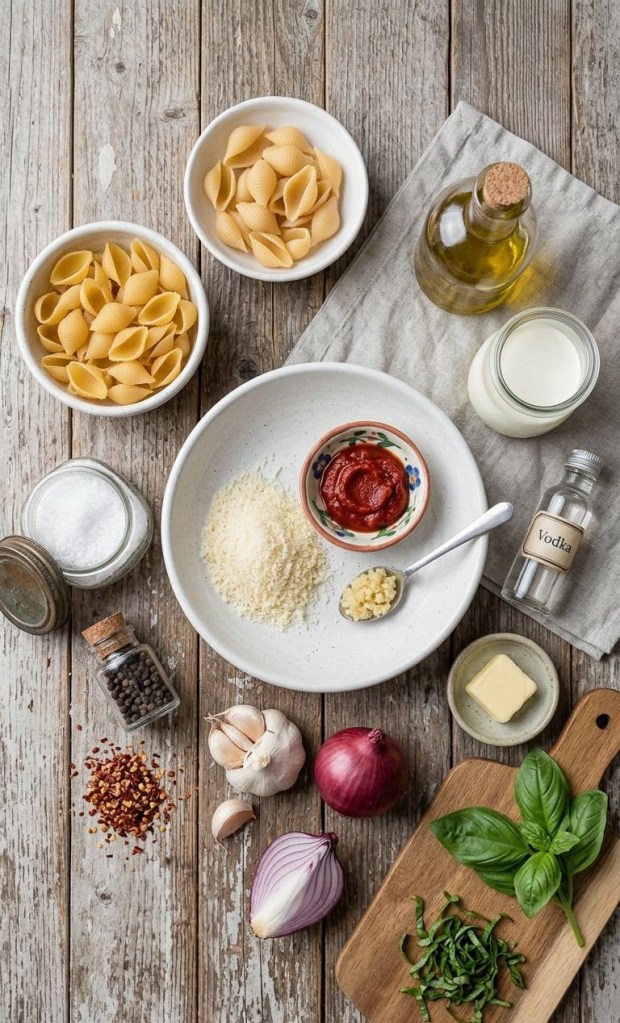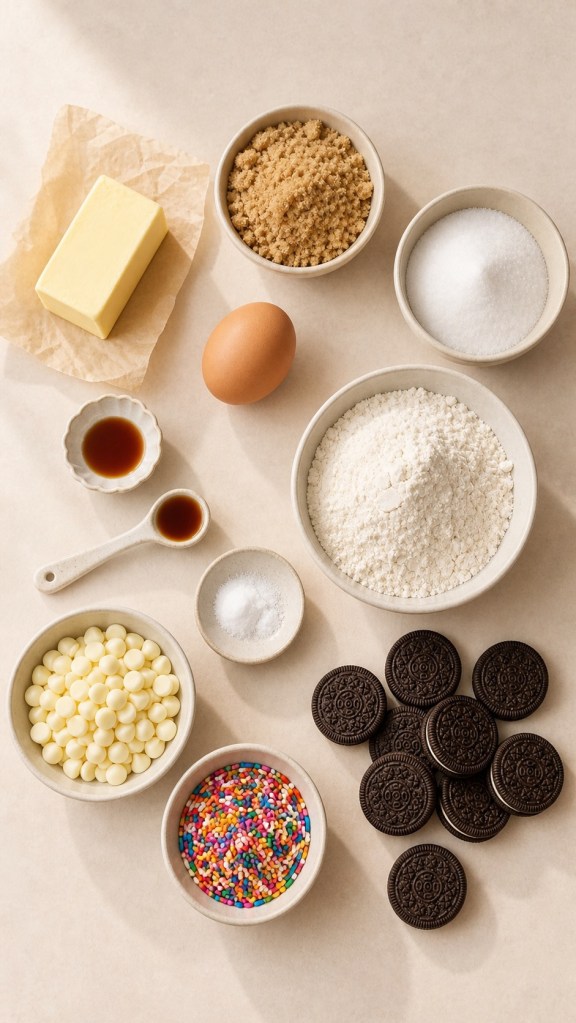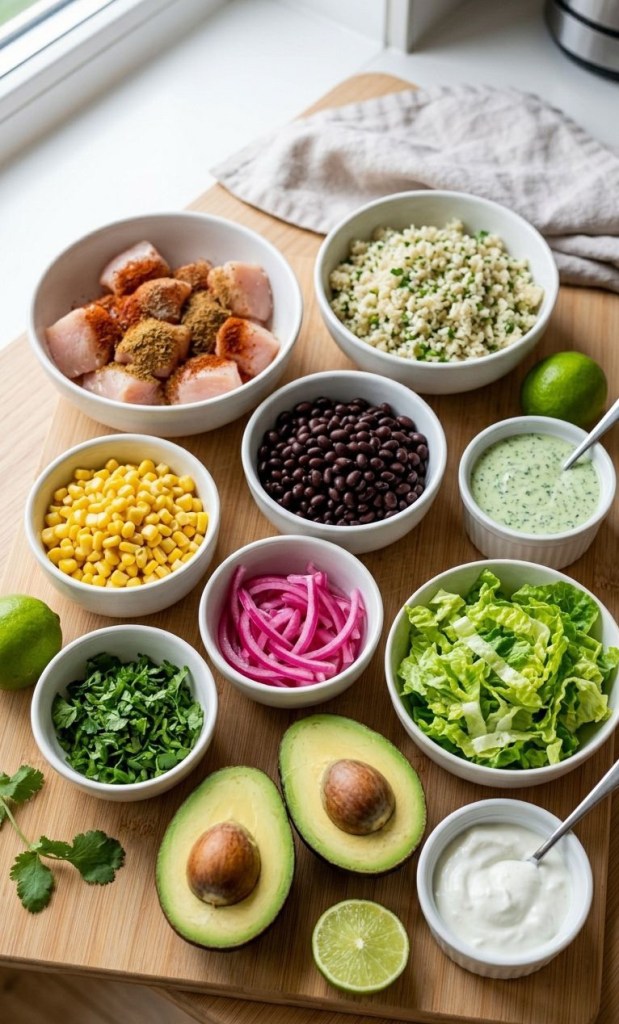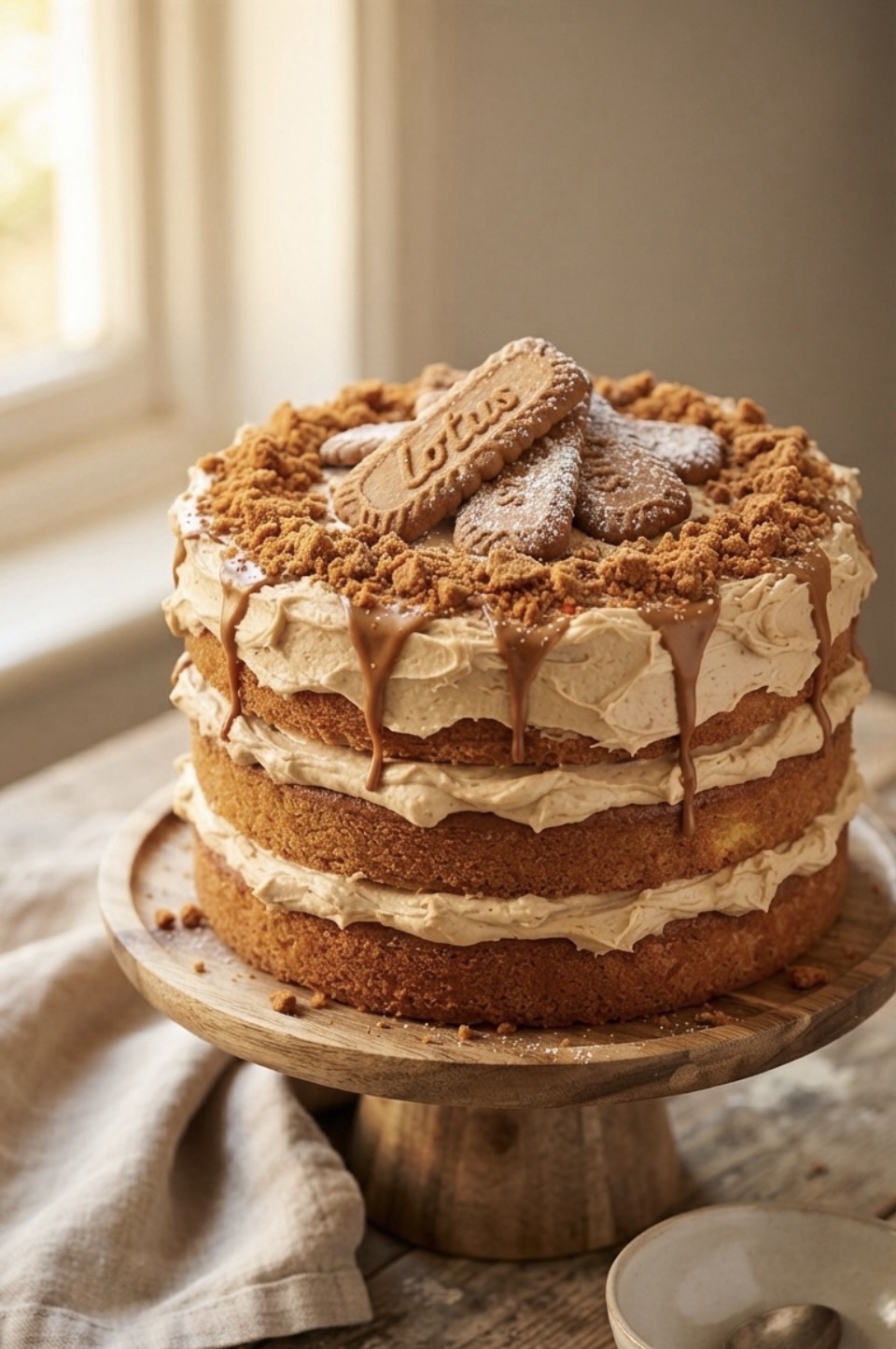
There are few sights more welcoming on a rainy afternoon than a fresh Coffee & Walnut Traybake sitting on a rustic wooden table. It is the quintessential British teatime treat—sophisticated enough for a garden party, yet humble enough for a Tuesday morning “pick-me-up.”
In this guide, we’re diving deep into how to achieve that perfect balance of earthy nuttiness, bold caffeine notes, and a sponge so soft it practically melts.
The Anatomy of a Perfect Traybake
What makes a traybake superior to a standard round cake? It’s all about the surface area. A traybake offers a consistent thickness, ensuring every slice is evenly baked and topped with a generous, level layer of decadent buttercream.
🛒 The Ingredient Breakdown
To achieve bakery-quality results at home, quality matters:
• The Fat: Use unsalted butter at room temperature. If it’s too cold, it won’t cream; if it’s melted, your sponge will be heavy.
• The Sugar: We use Light Brown Soft Sugar. The molasses content adds a moisture and a “toffee” undertone that white sugar simply can’t match.
• The Coffee: Instant coffee granules are actually preferred over liquid espresso here because they provide an intense flavor without adding too much extra liquid, which can throw off the chemistry of the rise.
• The Crunch: Use fresh walnuts. Walnuts can go rancid quickly due to their high oil content, so give them a quick sniff before chopping!
Step-by-Step: The Method to the Magic
1. The Creaming Stage
Start by beating your 225g butter and 225g brown sugar. You are looking for a transformation: the mixture should turn from dark and gritty to pale and fluffy. This process incorporates tiny air bubbles that expand in the oven, giving you a light-as-air crumb.
2. Incorporating the Eggs
Add your 4 large eggs one at a time.
Pro Tip: If the mixture looks like it’s starting to curdle (split), add a tablespoon of your weighed flour. This binds the fat and liquid back together.
3. Folding, Not Mixing
Once the vanilla and coffee are in, sift in the 225g self-raising flour. Use a large metal spoon or a spatula to “cut and fold” the flour in. Stop the second you see no more white streaks. Over-mixing develops gluten, which results in a tough, bread-like cake rather than a tender sponge.
4. The Bake
Smooth the batter into a lined 20 × 30 cm tin. Bake at 180°C (160°C fan) for 25–30 minutes. You’ll know it’s ready when the edges slightly pull away from the parchment and the center springs back when lightly pressed.
The Crowning Glory: Coffee Buttercream
A traybake is only as good as its frosting. To get that “cloud-like” consistency for your Coffee Buttercream:
1. Beat the 150g butter on its own for 3-5 minutes before adding any sugar. It should turn almost white.
2. Gradually add 300g sifted icing sugar. Sifting is non-negotiable if you want a silky finish!
3. Add your dissolved coffee concentrate. This not only adds flavor but acts as the liquid to loosen the frosting to a spreadable dream.
Customizations & Variations
• The Mocha Twist: Add 1 tbsp of cocoa powder to the sponge mix for a subtle chocolate-coffee vibe.
• The Boozy Bake: For an adult-only version, replace the water used to dissolve the coffee with a splash of coffee liqueur (like Kahlúa).
• Nut Alternatives: If you aren’t a fan of walnuts, pecans are a fantastic substitute, offering a sweeter, more buttery crunch.
Storage & Serving
This cake actually improves after a few hours as the coffee flavor matures. Store it in an airtight container in a cool place (not the fridge, which dries out the sponge) for up to 3 days. Serve with a strong espresso or a classic pot of Earl Grey.
Ready to get baking? Grab your apron and turn your kitchen into the coziest café in town. Don’t forget to tag us in your creations!
We’ve all been there—it’s 3 PM, the kettle is whistling, and you’re dying for a chocolate muffin, but the thought of weighing out flour and waiting for the oven to preheat feels like a mountain to climb.
Enter: The No-Bake Muffin Bar.
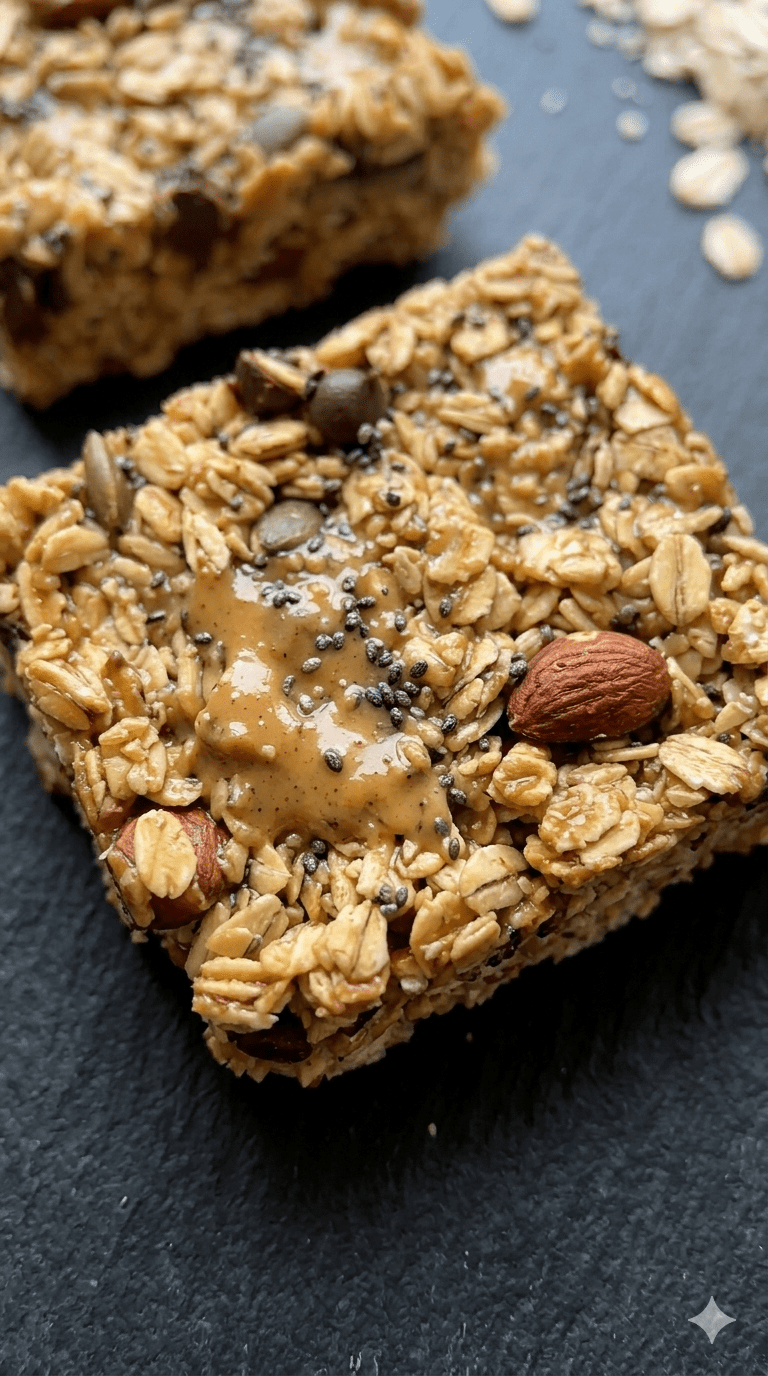
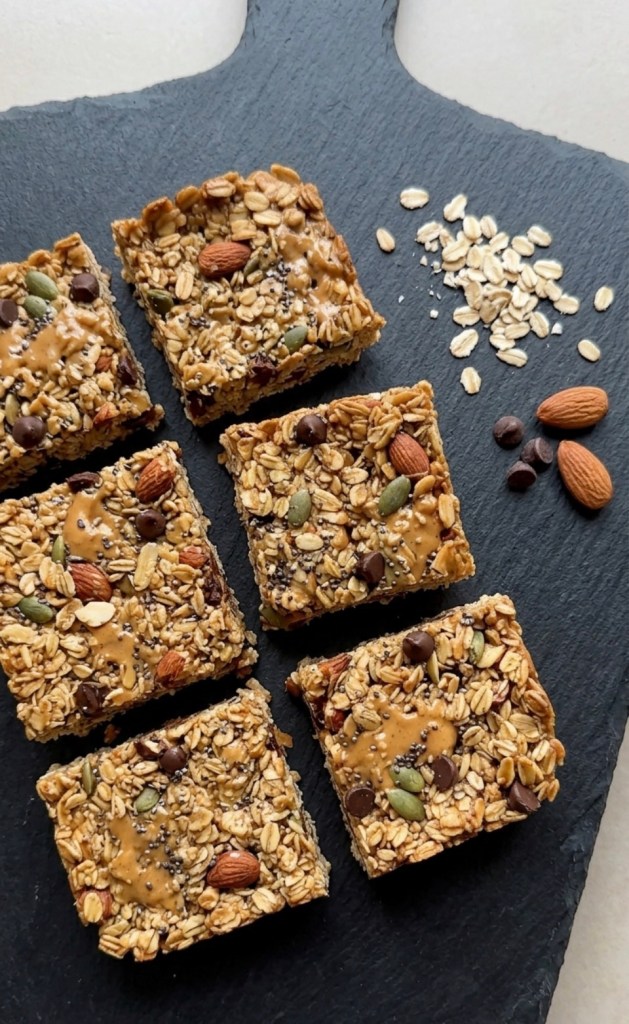
These are a total lifesaver. They’re chewy, intensely chocolatey, and have that dense, “fudgy” texture we all love. Because they’re packed with oats and Greek yogurt, they actually keep you full, making them the perfect “elevenses” snack or a quick breakfast before the school run.
Why You’ll Love These
• Zero Oven Time: Perfect for summer or when you just can’t be bothered with baking.
• Budget Friendly: You probably have all of this in your cupboard already! (And yes, a quick trip to Lidl for their Greek-style yogurt and a bunch of bananas will cost you next to nothing).
• The “Ripeness” Rule: This is the ultimate way to use that one lonely, brown banana sitting in the fruit bowl. The spottier, the better—it makes them naturally sweeter so you can use less honey.
The Recipe (UK Measurements & Terms)
Ingredients:
• 1 Large Banana: The riper and spottier, the better!
• 125g Greek Yogurt: Go for the thick, authentic stuff (not “yogurt drink” style).
• 1 tbsp Cocoa Powder: Sift it if it’s lumpy.
• 4 tbsp Honey: (Or maple syrup if you prefer).
• 150g Porridge Oats: Either rolled or “quick” oats work perfectly here.
The “Optional but Highly Recommended” Bits: I used chopped nuts in this recipe
• 1 tsp Vanilla Extract
• 1 tbsp Chia Seeds (for a little health kick)
• 30g Dark Chocolate Chips
• A pinch of Sea Salt (trust me, it makes the chocolate pop!)
• 1 tbsp Peanut Butter (for extra richness)
The Method
1. Mash the Nana: In a medium bowl, mash your banana until it’s basically a liquid. No big lumps allowed!
2. The Wet Mix: Stir in your Greek yogurt, honey, cocoa powder, and vanilla. It should look like a thick, glossy chocolate ganache. If you’re using peanut butter, swirl it in now.
3. The Oats: Fold in your porridge oats. Keep stirring until every single oat is coated in chocolate. It will be a very thick, heavy dough. Fold in your chocolate chips or seeds now.
4. The Tin: Line a small square tin (or even a Tupperware container!) with baking parchment. Tip the mixture in and press it down really firmly with the back of a spoon. You want it compact so it doesn’t crumble when you slice it.
5. The Big Chill: Pop it in the fridge for at least 3 hours (or the freezer for 45 minutes if you’re impatient like me).
6. Slice & Serve: Lift the parchment out, slice into bars or squares, and enjoy! Cover in melted chocolate for that extra treat
Storage Tip: Keep these in an airtight container in the fridge. They stay lovely and soft for about 4–5 days.
Let’s be honest for a second—is there anything actually better than a bubbling tray of cheesy potatoes? I don’t think so. Whether the British weather is doing its usual grey thing or you’ve just had one of those days at work, this Ham and Potato Bake is my absolute soul-soother.
It’s one of those “hug-in-a-bowl” meals that feels like home. It’s unpretentious, incredibly filling, and honestly? It’s even better the next day if you’re lucky enough to have leftovers.
A Little Secret for the Best Ham…
You don’t need to spend a fortune at a fancy deli for this. If you want a tip from me, head over to Lidl. Their Oaklands range for the veg is great, but their Dulano or Select and Better thick-cut honey roast ham is a total game-changer for this recipe. It’s salty, slightly sweet, and chunky enough that it doesn’t just disappear into the sauce.
What You’ll Need
The Filling:
• 1kg Maris Piper Potatoes: These are the kings of the potato world. They get lovely and fluffy in the sauce.
• 200g Cooked Ham: Grab a thick-cut pack from Lidl or Aldi are great and dice it into proper, bite-sized chunks.
• 1 Small Brown Onion: Finely diced (this adds that lovely sweetness to the base).
The Liquid Gold (The Sauce):
• 40g Unsalted Butter
• 3 tbsp Plain Flour
• 600ml Whole Milk: Go for full-fat if you’re feeling extra indulgent!
• 200g Extra Mature Cheddar: Grate it yourself, trust me. The pre-grated stuff has a dusty coating that stops it from melting perfectly.
• Seasoning: A good pinch of salt, plenty of cracked black pepper, and if you’re feeling fancy, a tiny dab of English mustard.
Let’s Get Cooking
1. Get Prepped
First things first, get your oven heating up to 180°C (160°C Fan). Find your favourite big baking dish and give it a quick rub with a bit of butter so nothing sticks to the corners. Peel and cube your potatoes into roughly 1.5cm pieces—don’t worry about being too perfect, rustic is better! Throw them in a bowl with your chunky Lidl ham.
2. The “Secret” Sauce
Melt your butter in a saucepan and gently soften the onion. Once it’s smelling amazing, stir in the flour. Cook it for a minute or so—you want it to look like a thick paste. Now, slowly—and I mean slowly—whisk in your milk. It takes a bit of elbow grease, but keep going until it’s smooth and thick.
3. Make it Cheesy
Take it off the heat and stir in about three-quarters of that cheddar. Watch it melt into that silky, creamy sauce. This is the part where I usually “quality control” a spoonful!
4. The Big Mix
Pour all that cheesy goodness over the potatoes and ham. Give it a really good stir so every single potato cube is smothered. Pour it into your dish, cover tightly with foil (this steams the potatoes to perfection), and pop it in the oven for one hour.
5. The Crispy Bit
Take the foil off, sprinkle over the rest of your cheese, and slide it under the grill for about 5 minutes. You’re looking for those gorgeous, slightly burnt “cheesy bubbles” on top.
A Quick Favour…
Try to let it sit for about 10 minutes before you dive in. I know, I know—it smells incredible and you’re hungry—but letting it rest helps the sauce thicken up so it wraps around the potatoes instead of running all over the plate.
Serve it with a big pile of buttery peas or just eat it on its own on the sofa. You deserve it.
Are you a “crispy edges” person or a “creamy middle” person? Let me know in the comments!
There are some bakes that feel less like recipes and more like little love letters to your past self, and this banana, Nutella and triple‑chocolate loaf is absolutely one of them.
It started, as these things so often do, with a bowl of sad, freckled bananas on the counter giving me the side‑eye. You know the ones: too far gone for toast, too soft for slicing, but absolutely perfect for baking. So into the bowl they went, all mashed up with melted butter, soft brown sugar and a bit of caster sugar until everything turned into that gorgeous, glossy, caramel‑smelling batter. I make banana bread every week for my dad as it’s his favourite but I thought I’d give him a bit of variation. And then I got a bit carried away. First came the Nutella. Now, Nutella is a bit of a… contraband item in this house. When the girls were younger, it was more or less banned – not because of the sugar, but because they had an absolutely terrible habit of leaving sticky Nutella spoons all over the kitchen. Honestly, I’d find them on the worktops, next to the sink, abandoned on plates – little chocolatey crime scenes everywhere. For my own sanity, the jar quietly disappeared for a few years. This time, I had to smuggle it back in like some sort of undercover snack dealer. Jar tucked discreetly into the shopping, no announcements made, straight into the cupboard before anyone could clock it and start reliving their spoon‑licking glory days.
Once I’d recovered from my secret mission, it was time to turn those bananas into something special.
Ingredients
For one standard 2lb loaf tin: • 100 g soft light brown sugar • 50 g caster sugar • 115 g unsalted butter, melted and slightly cooled • 2 medium eggs • 1 teaspoon vanilla extract • 350–375 g mashed very ripe bananas (about 4–5 medium bananas) • 250 g plain flour • 1 teaspoon fine salt • 1 teaspoon bicarbonate of soda • 120 g Nutella (or chocolate hazelnut spread), gently warmed so it’s pourable • 100 g white chocolate chunks
. 100g of dark chocolate chunks
Method
Prep the tin and oven • Heat the oven to 180°C (160°C fan). • Grease and line a 2lb loaf tin with baking paper, letting the paper overhang slightly so you can lift the loaf out later. • Set aside while you get on with the wet ingredients.
Make the banana mixture • In a large mixing bowl, whisk the bananas until they are soft
then add the melted, slightly cooled butter with the soft brown sugar and caster sugar until well combined and a bit glossy.
• Add the eggs and vanilla extract, whisking until the mixture looks smooth and a little lighter.
Add the dry ingredients – plain flour, salt and bicarbonate of soda very ripe bananas and stir them into the bowl until everything is well combined.
Fold in the dry ingredients until you can’t see any streaks of dry flour. Try not to overmix so you keep the loaf nice and soft.
Add the chocolate chunks • Sprinkle in the white chocolate chunks and dark chocolate chunks.
• Fold them through the batter so they’re evenly distributed, ready to melt into little pockets of joy as the loaf bakes • Pour the banana batter into your prepared loaf tin and smooth the top. • Warm the Nutella very gently (a few seconds in the microwave or sit the jar in a bowl of hot water) so it loosens and becomes pourable.
• Dollop or drizzle the Nutella over the top of the batter, then use a knife or skewer to swirl it through, creating ribbons of hazelnut chocolate.
No need for perfection here – messy swirls taste just as good.
Bake • Pop the tin into the oven and bake for about 55–65 minutes, or until the loaf is risen, golden, and a skewer inserted into the centre comes out mostly clean, with just a few moist crumbs (avoid a big melted chocolate pocket when you test). • If the top is browning too quickly, loosely cover with foil for the last 10–15 minutes.
Cool (as much as you can bear) • Leave the loaf to cool in the tin for about 15 minutes, then lift it out onto a wire rack.
• You can let it cool completely… or do what we do and cut the first slices while it’s still just warm, when the chocolate is soft and the Nutella ripples are extra gooey.
Every slice is a little bit of everything: soft, banana‑rich crumb, sweet white chocolate, deep dark chocolate and those cheeky streaks of Nutella that still feel ever so slightly naughty after its years-long ban. The funniest part is serving it now. No banned jars, no drama, no trail of sticky spoons (yet!) – just the girls eyeing up the tin and asking, “Is there Nutella in this?” with that look that tells me they know exactly what I’ve smuggled back into the house. Have you tried this recipe or any other suggestions for different types of banana bread ? Let me know in the comments.
If you need a cosy, filling dinner that doesn’t take much thinking about, this creamy mince and mushroom pasta is a lovely one to keep up your sleeve. It’s rich, savoury, family-friendly, and made with simple ingredients you probably already have in the fridge or cupboard.
The mushrooms add extra flavour and make the sauce feel a bit more comforting, while the cream and cheese bring everything together into a silky, satisfying pasta dish. It’s perfect for a weeknight tea, especially when you’ve got a packet of mince and want something more exciting than the usual bolognese.
Ingredients Serves 4
• 400g beef mince • 300g pasta, such as penne, fusilli, shells or rigatoni • 150g to 200g mushrooms, sliced • 1 onion, finely chopped • 2 garlic cloves, crushed or finely chopped • 1 tbsp tomato puree • 1 tsp paprika • 1 tsp mixed herbs or Italian herbs • 300ml beef stock • 150ml double cream or single cream • 75g grated cheddar or parmesan • 1 tbsp Worcestershire sauce, optional but tasty • Salt and black pepper • 1 tbsp oil for frying
Optional extras: • A handful of spinach • Frozen peas • Sweetcorn • Chilli flakes • Extra cheese for serving
Method
Bring a large pan of salted water to the boil and cook the pasta until just al dente.
Before draining, save a mug of pasta water. This is useful later if you want to loosen the sauce.
While the pasta is cooking, heat a little oil in a large frying pan over a medium heat. Add the chopped onion and cook for 3 to 4 minutes until softened.
Add the sliced mushrooms and fry for another 4 to 5 minutes. Let them cook down properly so they release their water and start to turn golden.
This gives the dish a deeper, more savoury flavour.
Stir in the garlic and cook for about 30 seconds, just until fragrant.
Add the beef mince and fry until browned, breaking it up with a spoon as it cooks. If there is a lot of excess fat, carefully drain some away.
Add the tomato puree,
paprika,
mixed herbs,
Worcestershire sauce, salt and black pepper. Stir everything together and let it cook for 1 minute so the flavours can deepen.
Pour in the beef stock and let it simmer for 5 to 8 minutes until slightly reduced.
Lower the heat, then stir in the cream.
Add the cooked pasta to the pan and mix until everything is coated in the creamy sauce.
Stir through the grated cheese until melted.
If the sauce feels too thick, add a splash of the reserved pasta water until it’s just how you like it.
Taste and adjust the seasoning if needed. Serve hot with extra cheese, black pepper and a sprinkle of herbs if you fancy.
Tips
For a richer flavour, use chestnut mushrooms instead of white mushrooms. If you want to make it stretch further, add peas, spinach or sweetcorn near the end of cooking. This is also a great recipe for leftovers. Keep it in the fridge and reheat gently with a splash of milk or water to bring the creamy sauce back.
This creamy mince and mushroom pasta is the kind of easy, comforting meal that always goes down well. It’s simple enough for a busy weeknight, but still feels hearty and satisfying, with plenty of flavour from the mushrooms, garlic, herbs and creamy sauce.
Serve it with a little extra cheese on top and maybe some garlic bread on the side, and you’ve got a cosy homemade dinner that everyone will want again.
There are some desserts that look like you’ve gone to loads of effort, when really the fridge has done most of the work. This no-bake Biscoff cheesecake is exactly that kind of pudding.
It’s creamy, rich, caramel-biscuity and just a little bit over the top in the best way. The base is made with crushed Biscoff biscuits and melted butter, the filling is soft and mousse-like with plenty of Biscoff spread, and the top has that glossy melted Biscoff finish that makes it look properly special. This is the sort of dessert I’d make the night before people are coming round, then feel very smug about the next day. No oven, no gelatine, no complicated steps. Just mix, chill and decorate.
Why You’ll Love This Recipe
This cheesecake is perfect if you want something impressive but easy. It slices beautifully once chilled, it tastes like a caramel biscuit dream, and it’s a lovely make-ahead dessert for birthdays, family meals, Sunday lunch or Christmas buffets. It’s also one of those recipes that people always ask about. If you put this on the table, someone will want the recipe before they’ve even finished their slice.
Ingredients
For the base • 250g Biscoff biscuits • 100g unsalted butter, melted
• 150g Biscoff spread • 4 to 6 Biscoff biscuits, crushed • Optional: whipped cream, extra biscuits or mini Biscoff biscuits for decorating
How to Make No-Bake Biscoff Cheesecake
Start by lining the base of a 20cm springform tin with baking paper. This makes it much easier to remove the cheesecake later.
Crush the Biscoff biscuits into fine crumbs. You can do this in a food processor, or pop them into a food bag and bash them with a rolling pin.
Mix the crumbs with the melted butter until they look like wet sand.
Press the biscuit mixture firmly into the base of the tin. I like to use the end of the rolling pin of the bottom of a glass to really compact it down. This helps the base hold together when you slice it.
Pop it in the fridge while you make the filling.
In a large bowl, beat together the cream cheese, icing sugar, vanilla extract and Biscoff spread until smooth.
Add the double cream and whip until the mixture is thick and holds its shape.
Spoon the filling over the chilled biscuit base and smooth the top.
Cover and chill in the fridge for at least 6 hours, but overnight is best if you want neat, clean slices.
For the topping, gently melt the Biscoff spread in the microwave for around 20 to 30 seconds until it’s pourable.
Let it cool slightly, then pour it over the cheesecake.
Sprinkle with crushed Biscoff biscuits and decorate however you like.
Chill again for 30 minutes before slicing.
My Best Tips
Use full-fat cream cheese. The lighter versions can make the cheesecake too soft and it may not set properly. Make sure your double cream is cold before whipping. It thickens much better straight from the fridge.
Don’t rush the chilling time. I know it’s tempting, but this cheesecake really does need time to firm up.
For neat slices, dip a sharp knife in hot water, wipe it dry, then cut. Repeat between slices if you want it to look really tidy.
How Long Does It Keep?
This no-bake Biscoff cheesecake will keep in the fridge for up to 3 days. Keep it covered or in an airtight container so it stays fresh. I wouldn’t leave it out at room temperature for too long because of the cream cheese and double cream. Bring it out just before serving, then pop any leftovers back in the fridge.
Can You Make It Ahead?
Yes, and I actually recommend it. This cheesecake is best made the night before you need it. The texture firms up beautifully overnight and the flavour seems to get even better.
You can add the melted Biscoff topping the night before too, or do that part on the day if you want it to look extra glossy and fresh.
To me, this is the kind of dessert that feels like a proper little treat without needing hours in the kitchen. It’s creamy, cosy, sweet in all the right ways, and always feels a bit special when you bring it to the table. Whether you’re making it for family, friends, or just because you fancy something lovely in the fridge, this no-bake Biscoff cheesecake is one of those recipes you’ll come back to again and again.
Some days you want a proper home‑cooked dinner… without standing over the hob for ages. This slow cooker chicken breast casserole is perfect for those days: you toss everything in, switch it on, and let it quietly get on with the job.
It uses simple ingredients, no wine, no faff, and you don’t even need to brown the chicken first. The chicken cooks gently in a savoury, herby sauce with soft vegetables – it’s the kind of meal everyone can tuck into, and it’s ideal for busy weeknights or lazy weekends.
Serve it with mash, rice, crusty bread, or whatever you like for soaking up that lovely gravy.
Why you’ll love this easy chicken casserole • No browning needed – you just coat the chicken in flour and straight into the slow cooker it goes. • No wine – great if you don’t cook with alcohol or just don’t have any open. • Simple ingredients – chicken breasts, basic veg, stock and a few store‑cupboard bits.
• Hands‑off cooking – once it’s in the pot, you can forget about it until dinner time.
Ingredients
For the chicken casserole (serves 4–5) • 750 g boneless, skinless chicken breasts, cut into large chunks (3–4 pieces per breast) • 2 tbsp plain flour • 2 medium onions, chopped • 3 medium carrots, sliced into chunky rounds • 2–3 sticks celery, sliced • 3–4 cloves garlic, crushed (or 1–2 tsp garlic granules) • 200–250 g mushrooms, quartered (optional but adds extra flavour) • 500 ml chicken stock (from a cube or pot, made with boiling water) • 1–2 tbsp tomato purée or 1 tsp Dijon mustard (or a bit of both, if you like) • 1 tsp dried thyme or mixed herbs • Salt and black pepper, to taste Optional to finish: • Small splash of cream or 2 tbsp crème fraîche
Step‑by‑step method (no browning)
Get the veg in the pot Pop the chopped onions, carrots, celery, garlic and mushrooms straight into the bottom of your slow cooker.
Spread them out into an even layer – they go on the bottom because they’re closer to the heat source and need more time to soften.
Coat the chicken in flour Cut the chicken breasts into chunky pieces and put them into a bowl.
Sprinkle over the plain flour, a good pinch of salt and some black pepper. Toss everything together so the chicken is well coated. This flour will help thicken the sauce as it cooks, so you don’t end up with a watery casserole.
Once coated, place the chicken pieces on top of the vegetables in the slow cooker. No browning, no extra pans – straight in.
Mix the sauce
In a jug, whisk together: • The chicken stock • Tomato purée and/or Dijon mustard • Dried thyme or mixed herbs • Another pinch of salt and pepper Give it a good stir until the tomato purée or mustard is completely mixed in. Pour this mixture into the slow cooker, around the chicken and vegetables. You don’t need to fully cover everything; more liquid will come out of the chicken and veg as it cooks.
Let the slow cooker do its thing Put the lid on and cook: • On LOW for about 4–6 hours, or • On HIGH for about 2.5–3 hours
You’re aiming for: • Chicken that is cooked through and tender • Vegetables that are nice and soft You can adjust slightly depending on how your slow cooker behaves, but mine was perfect after about 6 hours on low. If the chicken ends up a bit too soft, don’t worry – you can gently shred it into the sauce with a couple of forks and it turns into a slightly chunkier, stew‑style dish.
Adjust the sauce at the end Once the casserole has finished cooking, give everything a good stir and see how the sauce looks and tastes. • If it’s thick enough for you, leave it as it is. • If it’s a bit thin, you have two options: • Often the flour on the chicken will have thickened it enough once you stir – so try that first. • If you still want it thicker, mix 1–2 tsp cornflour with a splash of cold water, stir that into the hot sauce, then cook on HIGH for another 15–20 minutes until it thickens slightly.
For a richer finish, stir in a small splash of cream or a couple of tablespoons of crème fraîche and cook for another 5–10 minutes so it warms through. Taste and adjust the seasoning – add more salt, pepper, and a little squeeze of lemon juice if you’d like the flavour a bit brighter.
How to serve
This casserole is really flexible and works with loads of side dishes. You can serve it: • Over mashed potatoes • With rice, couscous, or quinoa • With steamed greens (broccoli, green beans, peas) • Alongside crusty bread or a baguette for dipping in the sauce
It’s also a good one for cooking a slightly bigger batch, then enjoying the leftovers another day.
Leftovers and storing • Fridge: Cool the casserole quickly, then store it in a sealed container in the fridge for up to 2 days. Reheat gently on the hob or in the microwave until piping hot all the way through.
• Freezer: You can freeze portions of the cooked casserole. Defrost in the fridge overnight and reheat thoroughly before serving.
Cook’s note
I cooked mine on low for around 6 hours in my slow cooker and it came out beautifully tender, with the vegetables soft and the sauce rich and full of flavour. It’s the kind of dish you can throw together earlier in the day, forget about, and then lift the lid to a proper home‑cooked dinner that feels like you’ve made an effort, even though the slow cooker has quietly done it all for you. However you choose to serve it – with mash, rice or a pile of greens – it’s a simple, dependable recipe you’ll find yourself coming back to whenever you want something cosy and fuss‑free.
There’s something really lovely about making your own bread at home, isn’t there? It feels homely before you’ve even sliced into it. The smell alone is enough to make the kitchen feel cosy.
I’ve been using the Panasonic SD-PN100 Automatic Mini Bread Maker, and I have to say, I’m really pleased with it. I didn’t want a huge bread maker taking over the worktop, and this one is such a nice compact size. i had a larger one years ago and it was heavy and unsightly and ended up stuck in a cupboard used only a handful of times . This is different- it sits neatly on the counter without looking bulky, which is a big thing for me because kitchen space is precious. It’s designed to be a smaller, more compact bread maker for everyday kitchens. It makes a smaller loaf of around 400g, which is ideal for individuals and couples who want fresh bread without making too much at once. For us, it’s just the right amount. A loaf lasts around two days for a couple, so it gets eaten while it’s still fresh.
I much prefer that to buying a big supermarket loaf and then finding the last few slices looking sad at the back of the bread bin.
So Quick and Easy One of the things I love most is how simple it is. I’m all for homemade, but I don’t always want a big faff. With this, you just add the ingredients into the bread pan, choose the setting, press start, and let it get on with it.
No kneading by hand. No flour everywhere. No standing around wondering whether the dough has proved enough. The machine does the mixing, kneading, proving and baking for you. It really does feel like a little kitchen helper. A loaf can be ready in under two hours, which is brilliant when you suddenly fancy fresh bread but haven’t planned ahead. I love that it’s quick enough to feel practical, not just something you use once and then put in the cupboard forever. And honestly, nothing beats the smell of fresh bread baking. It’s one of those smells that makes everyone wander into the kitchen asking, “Is that bread?” There’s just something comforting about it.
Why I Wanted to Make More Bread at Home
One of the main reasons I wanted to make more bread myself is because I like knowing what’s going into it. I’m not saying I’ll never buy supermarket bread again, because real life is real life, but I do think it’s nice to have the choice. There are so many different types of flour available so no excuses to get bored . We also love soda bread which is so hard to find where we live, none of the larger supermarket Sell it, only Marks & Spencer’s and it’s always sold out!
A basic homemade loaf can be really simple: flour, water, yeast and salt. But when you look at some supermarket bread labels, the ingredient list can be much longer. A typical UK supermarket white loaf may include wheat flour, water, yeast and salt, but it can also include vegetable oils, soya flour, preservatives such as calcium propionate, emulsifiers such as E472e and E481, and flour treatment agents such as ascorbic acid. These ingredients are often used to help with softness, texture, shelf life and consistency, but I personally like being able to make a simpler loaf at home. Salt is another thing that can creep up on us. Adults are generally advised not to have too much salt, and a lot of the salt we eat can come from packaged and everyday foods such as bread, breakfast cereals, meat products and ready meals. So when I make my own bread, I like that I can control how much goes in. It just feels better knowing exactly what I’ve added.
My Favourite Bread Additions
I’ve been making mine with pumpkin seeds and chia seeds, and I absolutely love the texture they give. It turns a simple loaf into something a bit more special. Pumpkin seeds add a lovely nutty flavour and a little crunch. They also contain protein, magnesium, potassium, zinc, iron and healthy fats. I like that they make the bread feel more filling too. Chia seeds are tiny, but they’re such an easy way to add extra goodness. They contain fibre, omega-3 fatty acids, iron, calcium and antioxidants. They disappear nicely into the loaf, so you’re getting the benefit without changing the bread too much. For a lighter bread I use a tablespoon or so of powdered milk which makes it a little softer. I’ve also been using raw whipped honey instead of refined white sugar. It gives the bread a gentle sweetness and a lovely flavour. Honey is still a sugar, so I wouldn’t call the bread sugar-free, but I do like that I’m not using refined white sugar. Raw honey is less processed than many standard sweeteners and can contain natural antioxidant compounds. I also use Himalayan salt. I like the taste, and I like the little touch of pink colour when I’m measuring it out. Himalayan salt is mostly similar to regular salt, but it also contains small amounts of trace minerals which give it the pink colour. Like all salt, it still needs to be used in moderation, but I do enjoy the flavour. Handy Features The Panasonic SD-PN100 has 18 automatic programmes, including bread settings, gluten-free settings, dough settings and sweet settings. I like that it’s not just for one basic loaf. You can play around with different types of bread, doughs and sweeter bakes. It can be used for things like wholewheat bread, brioche, pizza dough, pasta dough, gluten-free options and even homemade jam. I haven’t worked my way through everything yet, but I love knowing I’ve got options. You can also choose from light, medium or dark crust settings, which is handy because everyone has their own idea of the perfect crust. Some days I want a softer loaf, and other days I like it a bit darker and more crusty. It also has a timer that can be set, so you can get the ingredients ready and have the bread finished when it suits you. That’s such a useful feature if you want fresh bread ready in the morning or later in the day. It comes with a measuring cup and measuring spoon too, which is helpful because bread making does like a bit of accuracy. It keeps everything simple, especially if you’re just getting into making bread at home. One thing to note is that this model does not have an automatic yeast dispenser or raisin and nut dispenser, so seeds and extras need to be added manually. That doesn’t bother me at all because I like adding my pumpkin and chia seeds myself.
Less Waste, Less Packaging
Another thing I really like is that making bread at home means I’m not bringing home another plastic supermarket bread bag every time. I store my homemade bread in cotton drawstring bags, which feels much nicer and less wasteful. It’s such a simple little swap, but it makes me happy. Fresh homemade bread, stored in a reusable cotton bag, with no plastic packaging to throw away. Because the loaf is a smaller size, we actually eat it while it’s fresh. So there’s less food waste and less packaging waste. That feels like a win-win to me. Is It Cheaper? Once you’ve got your flour, yeast, salt and favourite extras in the cupboard, making a loaf at home can be really inexpensive. I like that I can make something fresh and lovely without paying bakery prices. Of course, the seeds, honey and extras add a little bit, but you’re choosing exactly what goes in. For me, that’s worth it. It also stops those little top-up trips to the shop where you go in for bread and somehow come out with ten other things. We’ve all done it.
Final Thoughts
I’m really pleased with the Bread Maker. It’s compact, quick, simple to use and perfect for a smaller household. I love that it doesn’t take up much room on the worktop. I love that a loaf is ready in under two hours. I love that I can just throw the ingredients in and let it do the hard work. Most of all, I love knowing what’s in my bread. Pumpkin seeds, chia seeds, raw whipped honey, Himalayan salt, and no refined white sugar. Just a fresh little loaf made exactly how we like it. For a couple, it’s the perfect size. For a smaller kitchen, it’s practical. And for anyone who loves the smell of fresh bread, it’s such a treat. Because really, is there anything nicer than walking into the kitchen and smelling a fresh loaf baking?
Shopping list
These are the things I use, mainly from Amazon because bulk buying seeds etc works out so much cheaper and you have a greater variety than you can get In the shops . I am an Amazon associate so if you purchase I get a tiny amount which helps keep the cats in food !
Honey – this is seriously the best honey ever . Like the honey I used to have as a child – the whole family are converted – it’s a large jar which is just as well as it flys out in our house
This is one of those dinners that just feels right at the end of a long day. It’s warm, creamy, full of flavour, and looks like you’ve made a real effort… even though it’s actually very simple to throw together.
This pesto salmon pasta bake has quickly become a favourite in our house. You’ve got flaky salmon, sweet roasted tomatoes, and a rich, creamy pesto sauce all wrapped up with pasta and topped with that golden, crispy finish. It’s the kind of meal that disappears quickly and gets requested again the next week.
What I love most is how versatile it is. It’s perfect for a relaxed evening at home, but it’s also lovely enough to put in the middle of the table if you’ve got people coming round. And if you like to get ahead, you can prep it earlier in the day and just pop it in the oven when you’re ready.
Ingredients • 150g cherry tomatoes, halved or sliced • 2 salmon fillets (about 260g) • 2 tbsp olive oil • 350g penne • 1 small broccoli (about 300g), cut into small florets • 150g pesto • 250g mascarpone • 50g breadcrumbs • 20g grated parmesan Method Start by preheating your oven to 160c . Arrange the cherry tomatoes and salmon fillets on a baking tray on foil season well, and drizzle over half of the olive oil.
Bake for around 15/20 minutes, until the salmon is cooked through and the tomatoes are soft and juicy. Set aside to cool slightly.
Meanwhile, cook the penne according to the packet instructions until al dente.
Add the broccoli for the final 2 minutes so it cooks through but still keeps a bit of texture.
Before draining, scoop out a large mug of the pasta water—this makes all the difference to your sauce.
Return the pasta and broccoli to the pan, then stir in the pesto, mascarpone, and half of the roasted tomatoes.
Add a splash of the reserved pasta water and mix until the sauce becomes smooth and creamy, similar to double cream.
Flake in the salmon, removing the skin, and gently fold everything together so you keep those nice chunky pieces.
Transfer the mixture to a large baking dish.
Mix the breadcrumbs, parmesan, and remaining olive oil together, then scatter over the top.
Finish by adding the rest of the tomatoes.
Bake in a preheated oven at 200°C (180°C fan) for 20 minutes, or 25 minutes if cooking from chilled, until the top is golden and crisp.
A Few Handy Tips • A little squeeze of lemon just before serving really brightens everything up. • You can easily swap the salmon for chicken or prawns if that’s what you have. • It reheats really well the next day, so it’s great for leftovers. Why You’ll Keep Coming Back to This It’s one of those reliable, no-fuss meals that still feels a bit special. Creamy, crispy, full of flavour—and easy enough to make any night of the week.
Let me know if you give this one a go—I always love hearing what you think, and any little tweaks you make along the way. Don’t forget to save it for later, because this is definitely one you’ll want to come back to.
There’s something about lemon bakes that just feels like a little bit of sunshine in your kitchen… and these lemon brownies are exactly that ☀️🍋 If you’ve never had a lemon brownie before, think of them as the softer, fudgier cousin of a blondie — but with a bright, zesty twist.
They’re rich and buttery, packed with fresh lemon flavour, and balanced with just enough sweetness from melted white chocolate. And the real secret? Rubbing the lemon zest into the sugar first. It releases all those natural oils and gives you that deep, proper lemon flavour in every bite — not just a hint. Then we finish them with a tangy lemon cream cheese frosting that’s smooth, slightly sharp, and completely irresistible. Honestly, these are one of those bakes that disappear far too quickly. Perfect for spring, summer, or just when you fancy something a bit lighter than chocolate but still indulgent. 🍋 Lemon Brownies (UK Measurements) For the brownies: • 170g butter • 300g caster sugar • Zest of 3 lemons (approx. 3 tbsp) • ½ tbsp vanilla extract • 3 large eggs • 175g white chocolate chips (melted) • 3 tbsp fresh lemon juice • 280g plain flour • ¼ tsp salt For the lemon cream cheese topping: • 115g cream cheese (full fat works best) • 120g icing sugar • 1–3 tbsp fresh lemon juice (adjust to taste) • Zest of 1 lemon 👩🍳 Method
Preheat your oven to 180°C (160°C fan) and line a square baking tin (around 8×8 inch).
In a large bowl, add your sugar and lemon zest.
Use your fingers to rub them together until the sugar feels slightly damp and fragrant — this step makes all the difference.
Melt the butter and stir it into the lemon sugar, then mix in the vanilla extract.
Add the eggs one at a time, mixing well after each until smooth and glossy.
Melt the white chocolate (microwave in short bursts or over a bain-marie), then stir it into the mixture along with the lemon juice.
Gently fold in the flour and salt until just combined — don’t overmix or you’ll lose that soft texture.
Pour the batter into your prepared tin and smooth the top.
Bake for 25–30 minutes. The centre should be just set with a slight wobble — they’ll firm up as they cool.
Leave to cool completely in the tin before adding the topping. 🍋 For the topping: Beat together the cream cheese, icing sugar, lemon zest, and enough lemon juice to create a smooth, spreadable frosting.
Spread over the cooled brownies, then slice into squares.
💡 Tips for best results: • Use unwaxed lemons if possible (or wash well before zesting) • Don’t skip the zest-sugar step — it’s the flavour boost
• Slightly underbake for that soft, fudgy texture • Chill before slicing if you want really clean edges These are soft, zingy, creamy on top, and honestly one of those recipes that feels a bit special without being complicated. Perfect with a cup of tea… or straight from the fridge if you’re anything like me.