
Whether you’re clearing out your wardrobe or finally shifting those leftover rolls of wallpaper, the UK’s second-hand market is thriving. To make the most money with the least stress, you need to understand the unique cultures of eBay, Vinted, and the platforms you should probably avoid.
1. Choosing Your Platform: Fees & Visibility
• eBay (The Powerhouse): eBay is now free for private sellers (no final value fees). However, they heavily push you to Promote your listings for a percentage fee. Without this, your items can easily get buried. It is the gold standard for “searchable” items like home goods, tools, and niche hobby gear.
• Vinted (The Community): Vinted is free for sellers, but if you have a lot of stock, the Showcase feature is a game-changer. For around £10 a week, it highlights your entire wardrobe to buyers.
• The Ones to Avoid: * Whatnot: We tried it and hated it. You have to be “on-air” live, and the audience expects items for £1. For the stress and low returns, you’re better off just donating to a charity shop.
• Depop: Now a ghost town. Sales are slow and the volume is very low; don’t waste your energy here.
2. Mastering the Logistics: Shipping & Labels
Both platforms generate pre-paid posting labels, but how you use them matters:
• InPost Warning: I strongly suggest printing off your labels rather than just using the QR code to stick items in a locker. Mix-ups are frequently reported on social media where couriers apply the wrong label to the wrong “blank” parcel.

• Vinted & Royal Mail: If you use Royal Mail, they often provide a QR code. I always print this off and stick it on the parcel myself. At the very least, write the name of the buyer on the parcel so you don’t get them mixed up at the drop-off point.

• The InPost App: Lockers get full quickly. Download the app to check live availability before you leave the house so you don’t make a wasted journey.
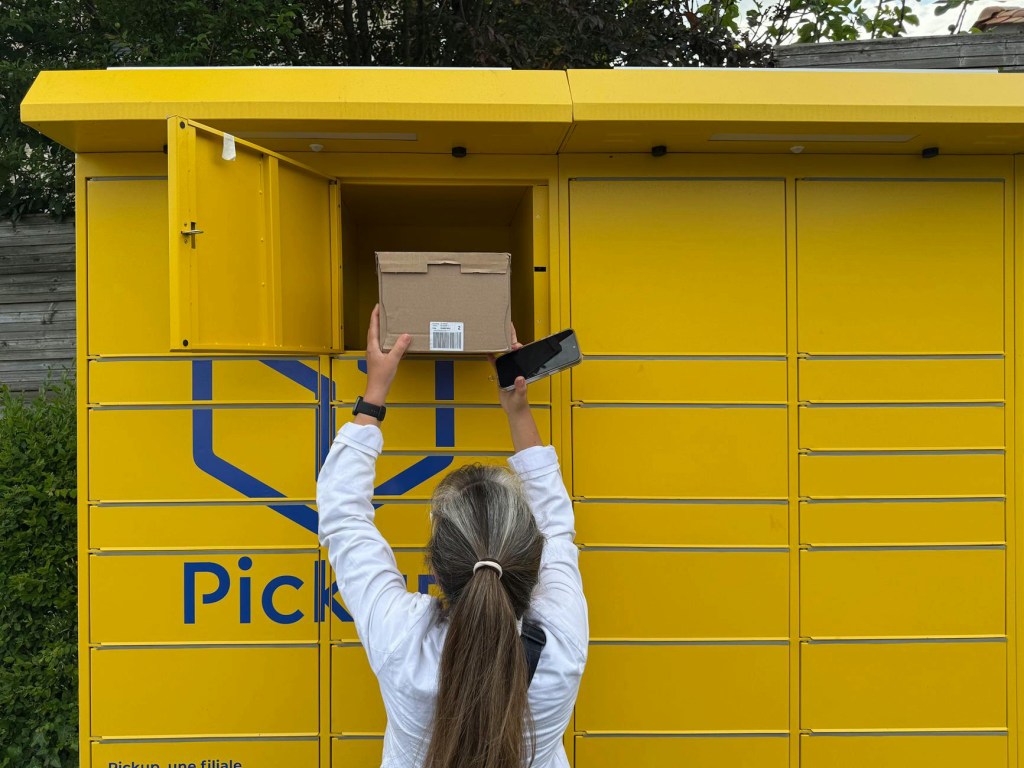
• Local Hubs: Many Post Offices now take Evri parcels as well as Royal Mail. Turn on as many postage options as possible on Vinted to maximise sales, but disable any that aren’t convenient for you.
3. The “Hidden Gold” in Your Home
Don’t just sell clothes! There is a massive market for household “odds and ends”:
• Wallpaper: Leftover odd rolls are gold dust for small DIY projects or upcycling furniture.

• Bedding & Curtains: Quality linens and heavy curtains sell brilliantly on eBay.
Mugs . Yes you read that right . People break their favourite mugs and NEED a replacement. Your junk could be someone’s holy grail. I’ve lost count of of the number of times someone has contacted me because they have broken mum/dad/ girlfriends favourite . You could be a lifesaver !
Crockery
Though this can be a nightmare to package we have done really well on odd plates dishes etc . If you break one item from a dinner set you have to buy a new one. EBay can be the way to sell your own odd plates to complete someone else’s

I went on eBay years ago because I lost a part on my then baby daughters steriliser and eBay found me one ! So don’t throw this type of things out they sell !

• Presentation: Ensure clothes are freshly laundered and ironed for photos. My rule of thumb: “Would I be happy to receive this?” If you hesitate when looking at a flaw, don’t list it.

4. Buyer Protection: What You Need to Know
• eBay: Robust and automatic. Buyers pay a Buyer Protection Fee (included in the price). If an item is “not as described,” the seller must pay for return postage. Offers on eBay are binding—payment is taken immediately when you accept.
• Vinted: Buyers pay a fee at checkout but only have 48 hours to report an issue once delivered. Crucially, the buyer usually pays for return postage. Offers here are non-binding—people “ghost” all the time, so only celebrate once the label is generated.
5 Pricing
2. Price Research: Don’t Guess, Use the Data
Before you list on eBay, you need to know what your item is actually worth—not just what people are dreaming of getting.
• Sold vs. Active: Never base your price on current “Active” listings. Someone might be asking £50 for a vase that only ever sells for £10.
• How to check: On the eBay app, search for your item, then tap Filter and scroll down to toggle on “Sold Items.” * The “Green” Numbers: This will show you the “Completed” listings. Prices in green are what the item actually sold for. If the price is in black, it ended without a buyer. This is the only way to see the true market value. Be realistic it’s better to sell and get the item sold than have it In the death pile on the spare bedroom!

6. Final Pro-Tips
• Double Listing: You can list on both platforms at once, but delete the listing on the other platform immediately when it sells. Getting caught out is a nightmare for your ratings!
• Photos & AI: Vinted is strict—no AI-generated images or stock photos or you risk a ban. eBay allows AI background tools but still bans stock photos for used items.
The Verdict
While eBay is the best place to get top dollar for niche household items and branded curtains, Vinted is my personal favourite. Even though you might not sell items for quite as much as you would on eBay, they tend to move much quicker. The whole experience feels more laid back and social—it’s just a much easier way to clear your clutter without the corporate pressure . Any questions let me know !!

 LCChaosandhome
Leave a comment