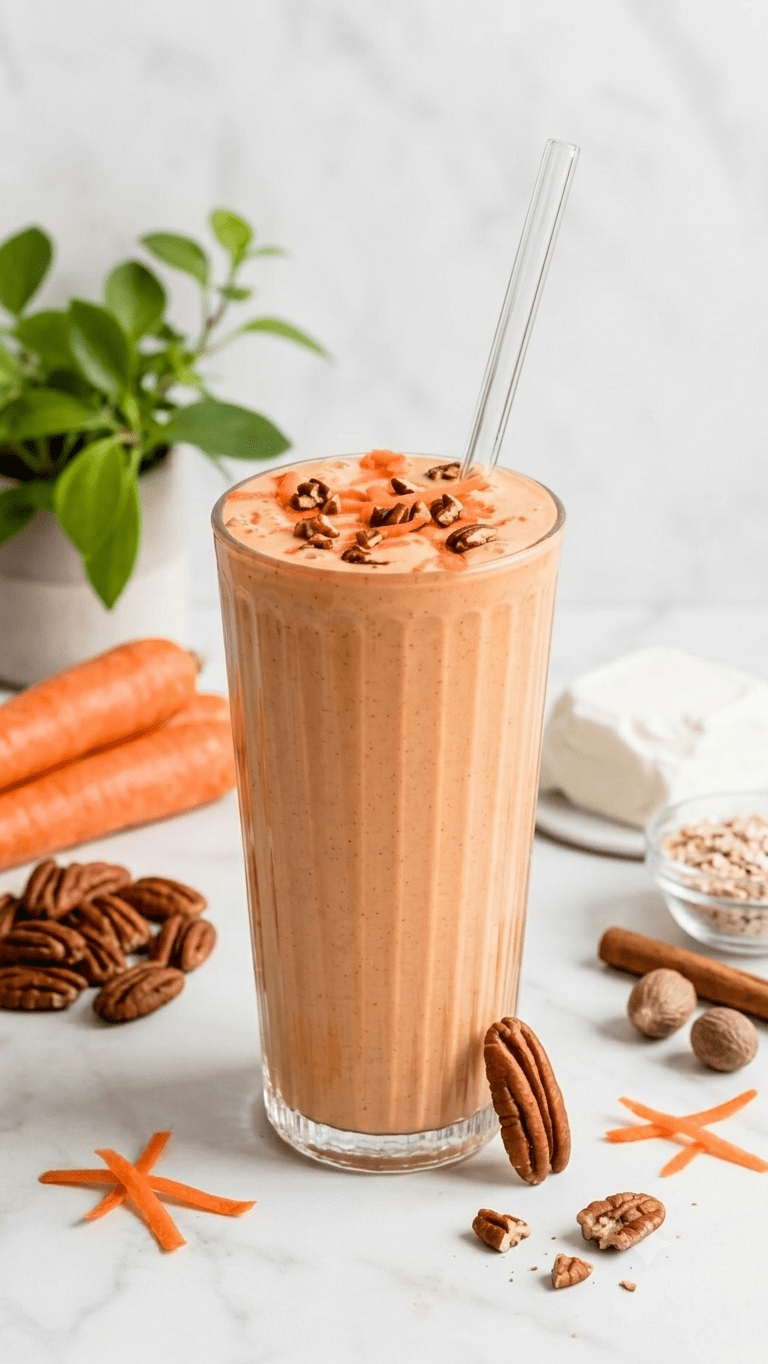
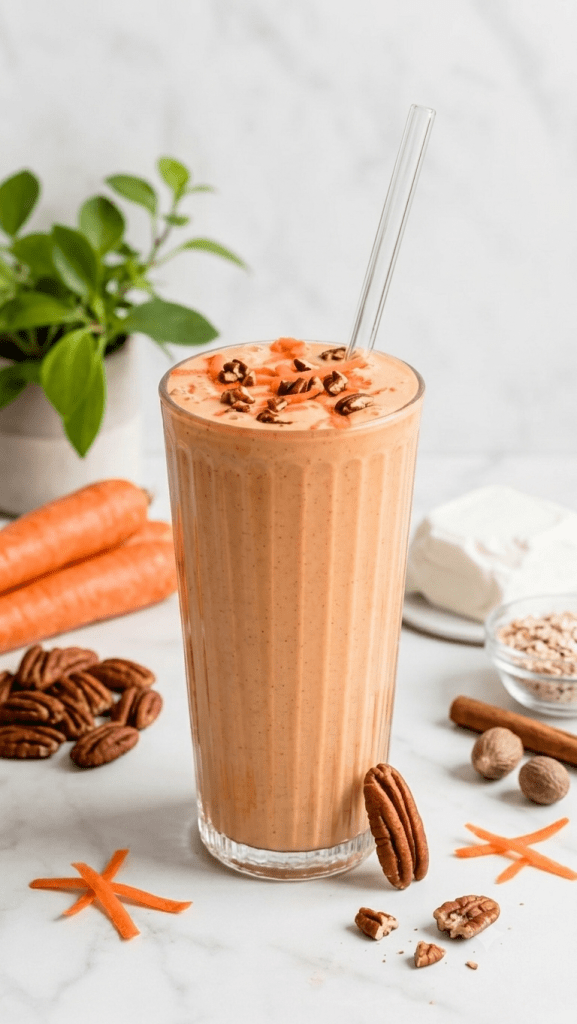
Stop scrolling—your morning routine just got a major upgrade. This smoothie tastes exactly like a decadent slice of carrot cake, but it’s packed with wholesome ingredients to fuel your day!
The Recipe (UK Edition)
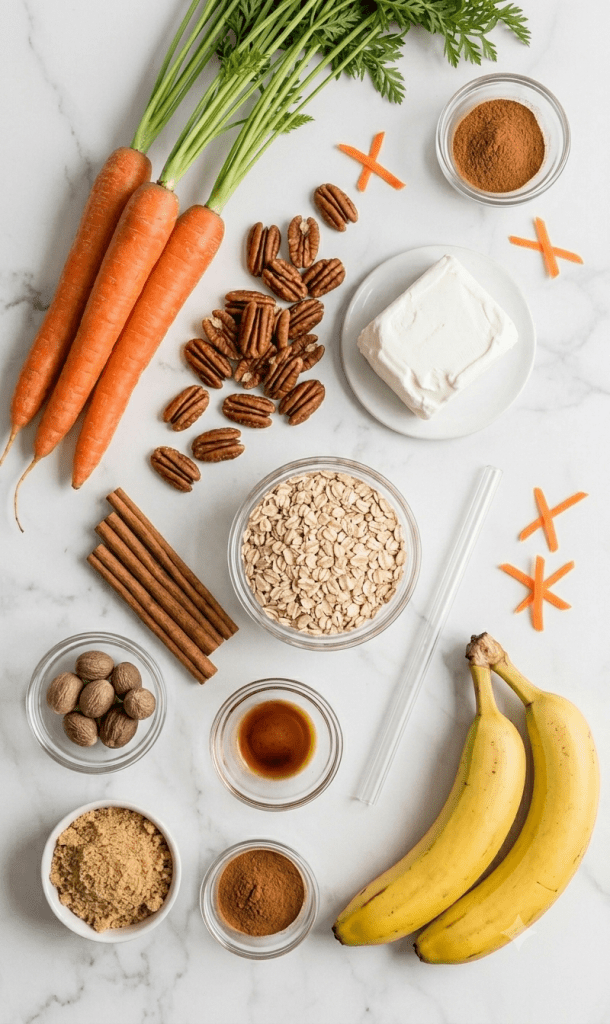
1 medium carrot, peeled and roughly chopped
1 frozen medium ripe banana
75g (approx. ½ cup) frozen pineapple chunks
180ml (¾ cup) light coconut milk (or any milk of your choice)
60g (¼ cup) plain Greek yogurt
20g (¼ cup) gluten-free oats
1 tbsp pecan or almond butter
1 tsp vanilla extract
½ tsp ground cinnamon
Pinch of ground nutmeg
Method
1. Add the chopped carrot, frozen banana, pineapple, milk, yogurt, oats, nut butter, vanilla, cinnamon, and nutmeg into a high-speed blender.
2. Blend on high until completely smooth and creamy. If it’s too thick, add a splash more milk.
3. Pour into your favourite glass.
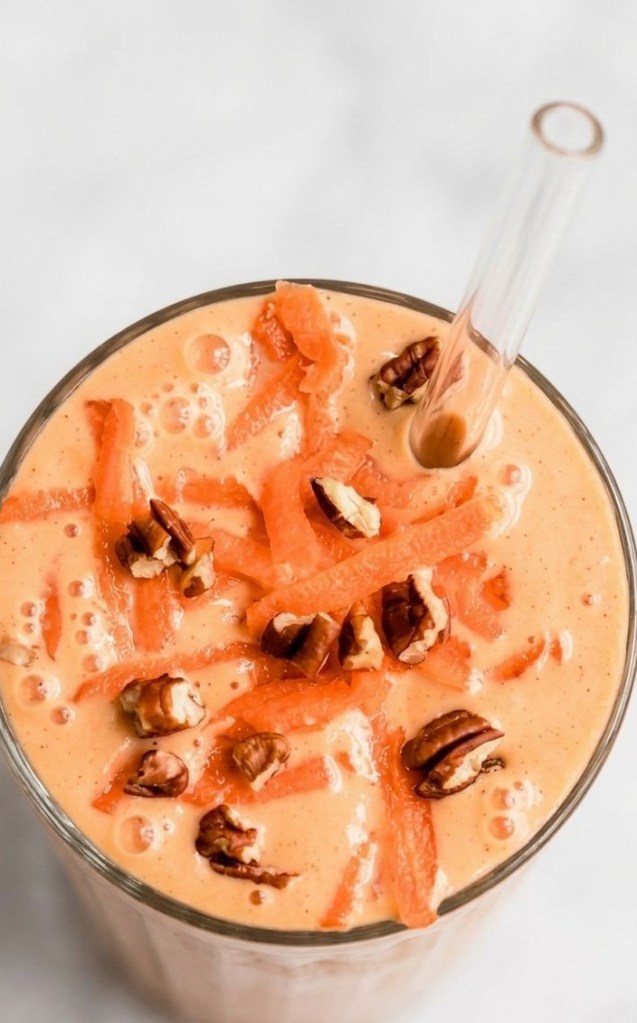
4. Top with a little extra grated carrot and crushed pecans for that signature carrot cake crunch!
5. Enjoy with a glass straw.
Protein Boost: Make It Your Own
This base recipe provides roughly 10g of protein. If you need an extra energy kick for a post-workout breakfast or a busy morning, try these easy additions:
Protein Powder: Add one scoop of your favourite vanilla or unflavoured protein powder for an instant +20–25g protein boost.
Seed Power: Add 1 tablespoon of hemp seeds or chia seeds for an extra 3–5g of plant-based protein and healthy fats.
Yogurt Upgrade: Increase your Greek yogurt to 125g (½ cup) to add another 5g of protein.
High-Protein Milk: Swap the coconut milk for a pea-protein or soy-based milk.
CTA: Did you try this recipe? Let me know in the comments—are you a team “smoothie bowl” or “smoothie in a glass” person? Don’t forget to save this post for your next breakfast meal prep!
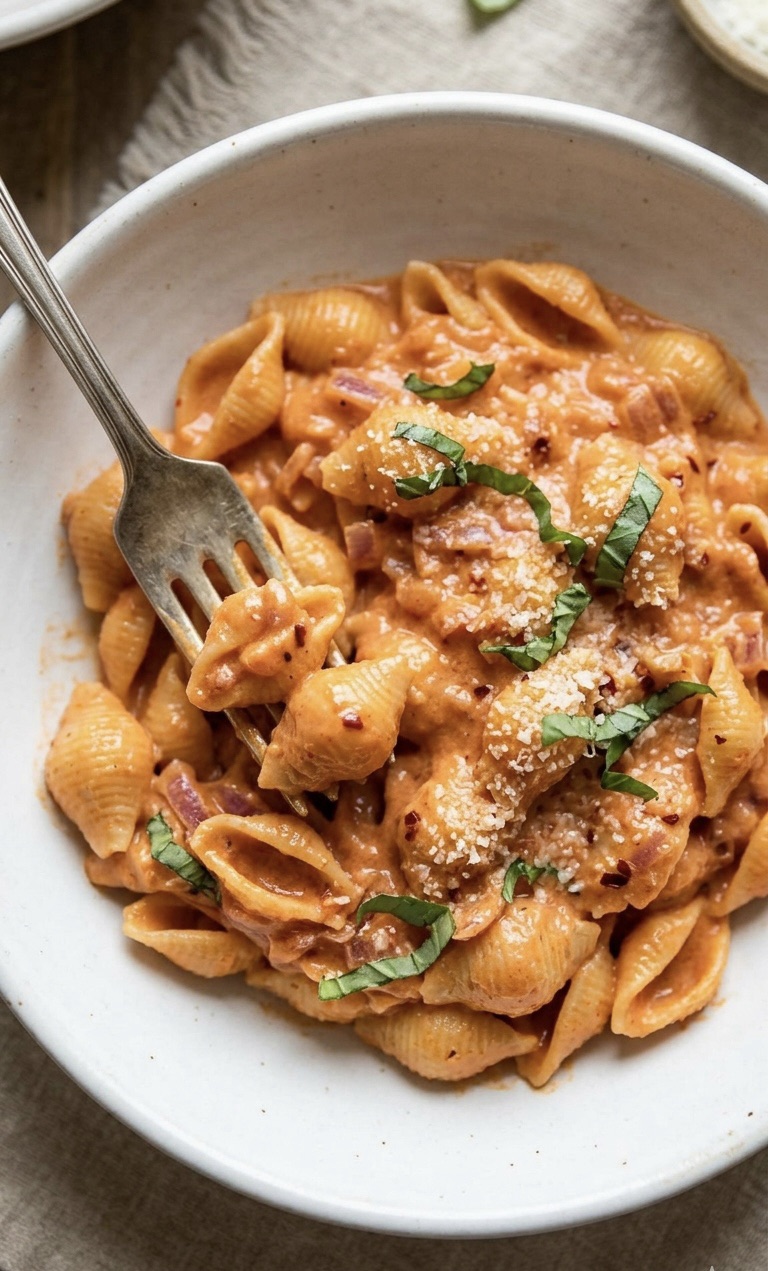
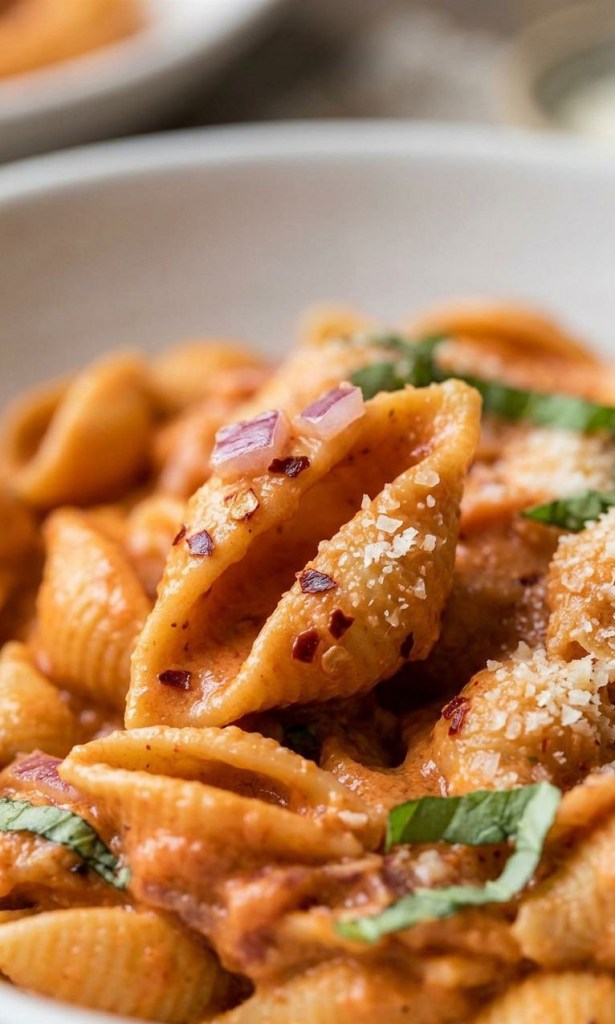
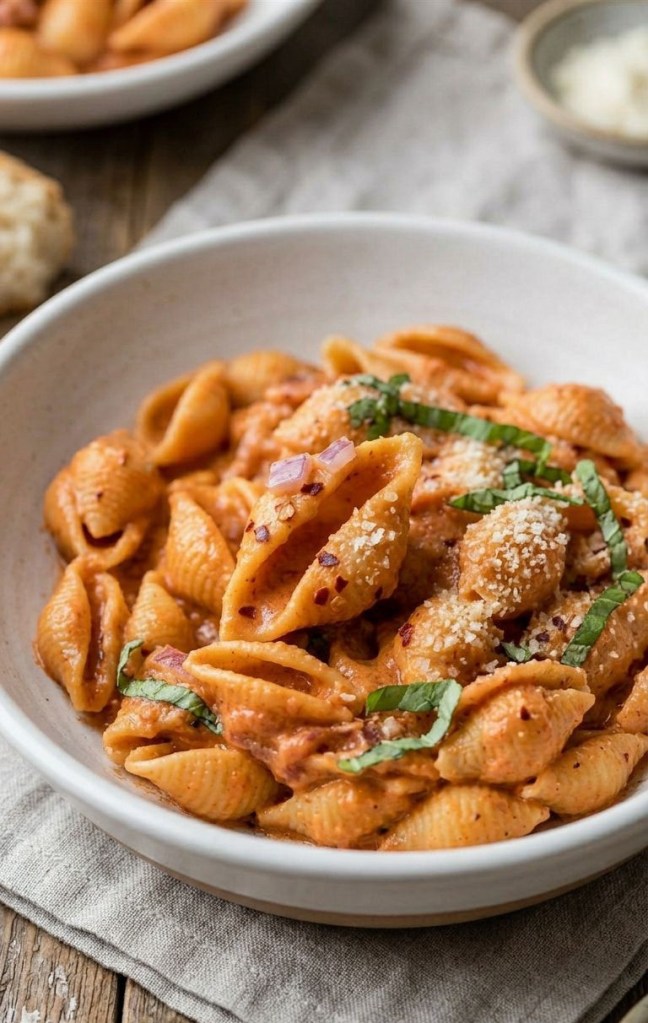
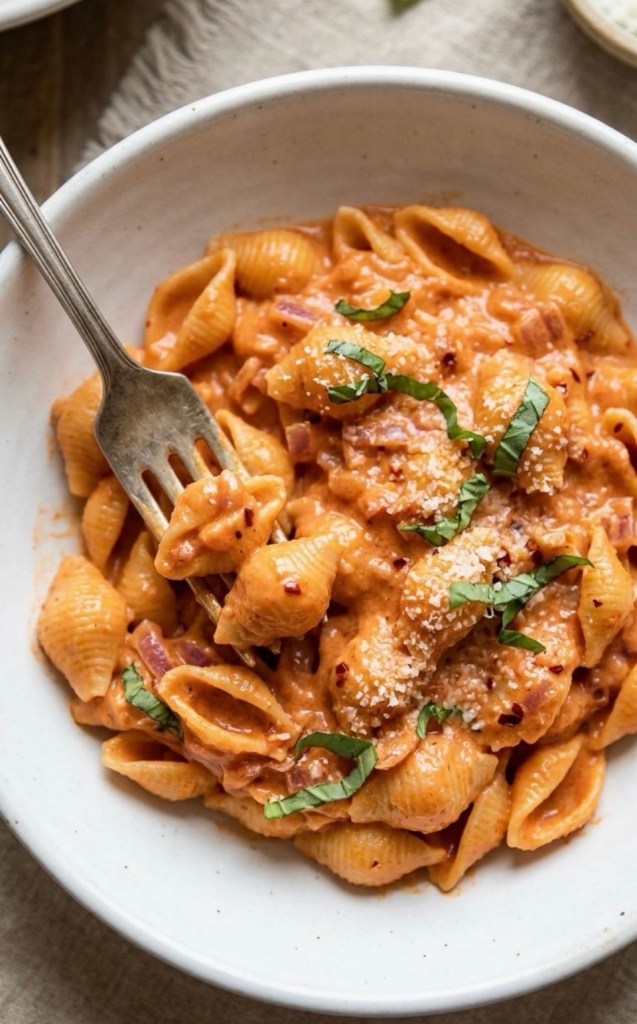
If you haven’t heard the hype about this famous pasta, you are in for a real treat. This is the Gigi Hadid pasta—that viral sensation that took the internet by storm for being incredibly easy to make, yet feeling like something you’d order at a fancy Italian bistro. It’s creamy, it’s got a little kick, and it is honestly my go-to when I want a comforting bowl of deliciousness.
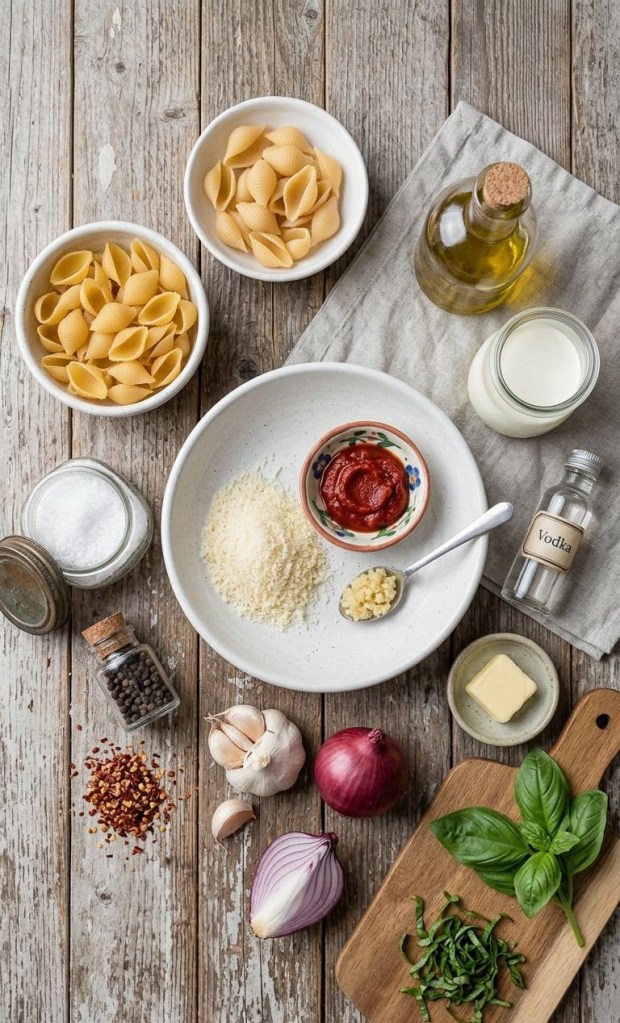
What You’ll Need
60ml olive oil
1 small red onion, finely chopped (about 100g)
1 clove garlic, minced
60g tomato purée
120ml double cream
1 tbsp vodka (see my note below!)
1 tsp red chilli flakes (this gives it that signature warmth)
1 tsp salt
½ tsp black pepper
240g shell pasta (uncooked)
15g butter
25g Parmesan cheese, grated
A quick note on the vodka: Don’t panic if you don’t drink! You can easily leave it out. If you want that little bit of extra depth, just swap it for 1 tablespoon of vegetable or chicken stock with 1 teaspoon of rice wine vinegar or lemon juice. It works a treat.
How to Make It
This comes together so quickly, so get your ingredients ready!
1. Sauté the aromatics: Grab a large frying pan, throw in your oil, garlic, and onion, and cook it all until the onion is nice and soft.
2. The base: Stir in that tomato purée. You want to cook it until it starts to deepen in colour—this really boosts the flavour.
3. Creamy goodness: Pour in the double cream and the vodka. Let it bubble away for about a minute so the alcohol can evaporate. Season it up with your chilli flakes, salt, and pepper, then take it off the heat.
4. Pasta time: Get your shells boiling according to the packet instructions. Don’t forget: before you drain the pasta, scoop out 60ml (that’s ¼ cup) of the starchy water. That is the secret to a silky sauce!
5. Bring it all together: Pop the butter into your sauce and stir until it’s melted. Throw in the cooked pasta and that reserved water, stirring until everything is beautifully glossy.
6. The finishing touch: Add the Parmesan, toss it all through, and serve it up.
Why You’ll Love It
There’s just something about the way the sweet red onion, rich cream, and salty Parmesan come together. It’s the perfect, indulgent meal for when you’ve had a long day and need something reliable and tasty.
Give it a go this week and let me know in the comments if this is going to become a regular in your rotation
Are you planning on adding this one to your dinner menu this week?
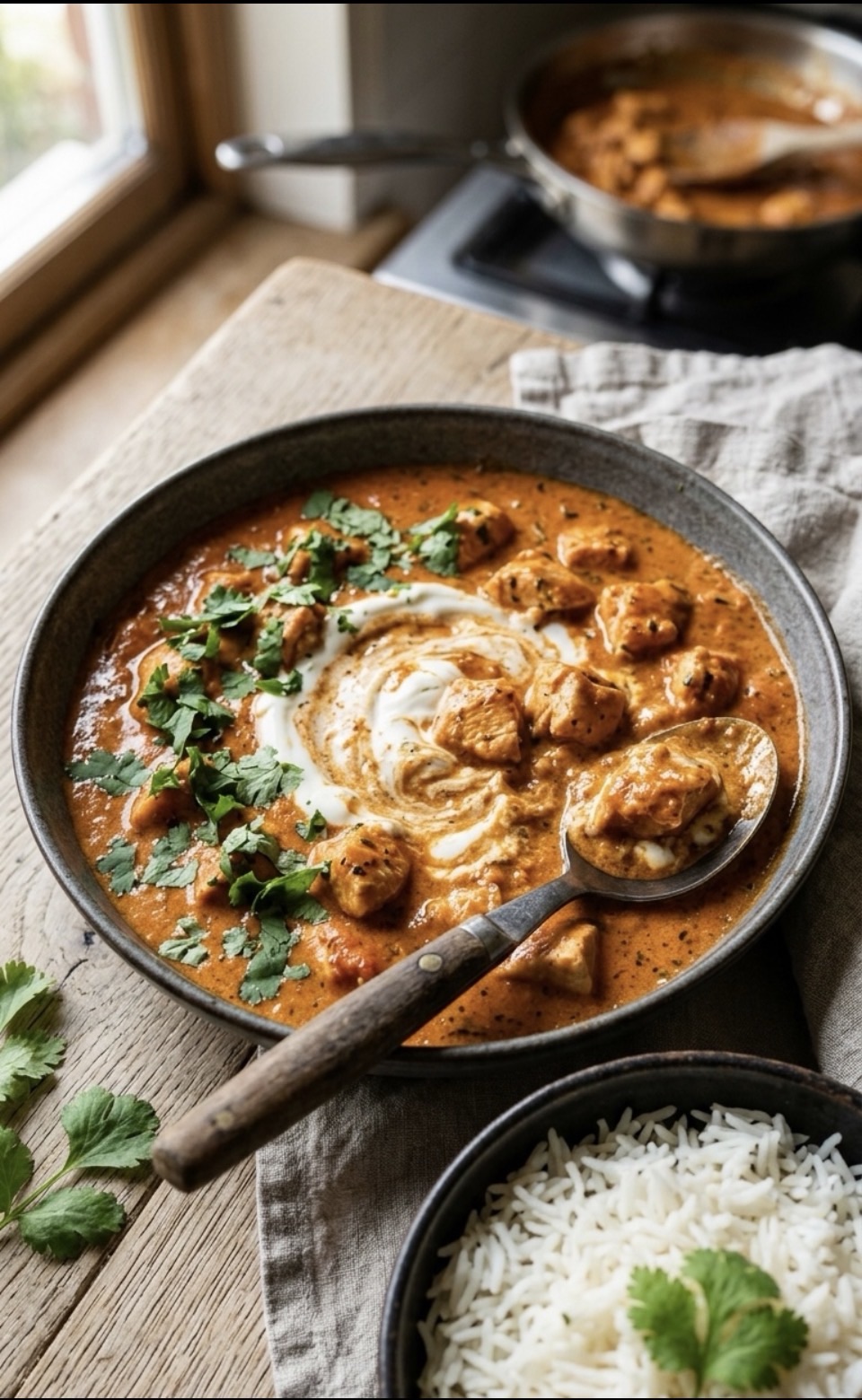
If you love a good curry but also want to hit your protein goals, this high‑protein chicken curry is perfect for you. It’s creamy, comforting, packed with flavour, and still simple enough for a busy weekday night.
This recipe uses lean chicken breast and thick Greek yogurt to boost the protein while keeping the sauce silky and rich. With around 35–40g protein per serving (before adding any extra sides), it’s a proper main meal, not just a light bite.
Ingredients
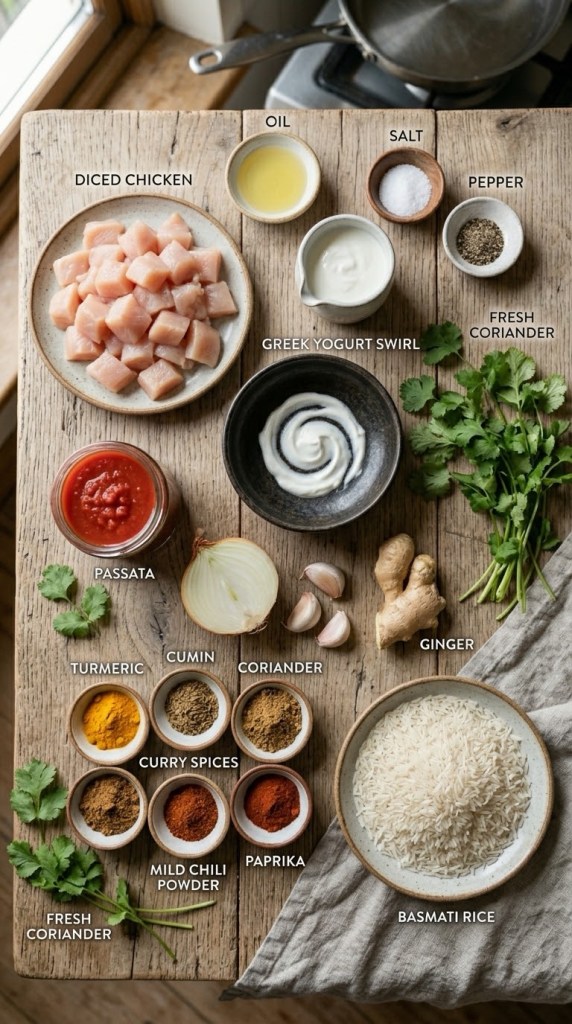
Serves 2 hungry adults • 400 g chicken breast, diced into bite‑size pieces • 150 g thick Greek yogurt • 1 medium onion, finely chopped • 3 cloves garlic, crushed or finely chopped • 1 teaspoon fresh grated ginger (about a 2 cm piece of ginger root) • 2 tablespoons curry powder (or your favourite mild/medium blend) • 200 g chopped tomatoes or passata • 1 tablespoon oil (olive or vegetable) • 1/2 teaspoon chilli powder (adjust to taste) • Salt and black pepper to taste • Fresh coriander, chopped, to serve
• Cooked basmati rice, to serve
Method
Marinate the chicken Add the diced chicken to a bowl. Stir in half of the Greek yogurt (about 75 g), half of the curry powder, a good pinch of salt, and some black pepper. Mix well, then set aside while you prepare everything else – even 10 minutes of marinating helps the flavour.
Brown the chicken Heat the oil in a large non‑stick pan over medium‑high heat. Add the marinated chicken pieces and cook until lightly browned on the outside. They don’t need to be fully cooked through yet. Remove the chicken to a plate and keep any juices in the pan.
Build the flavour base In the same pan, add the chopped onion. Cook gently for 4–5 minutes until soft and starting to turn golden. Stir in the garlic and grated ginger and cook for about 1 minute until fragrant. Add the remaining curry powder and the chilli powder, stirring for 30 seconds to toast the spices.
Create the sauce Pour in the chopped tomatoes or passata and a small pinch of salt. Stir well, then let the sauce simmer for a few minutes until slightly thickened.
Finish cooking the chicken Return the browned chicken (and any juices) to the pan. Stir so the pieces are well coated in the sauce. Simmer gently for 8–10 minutes, or until the chicken is cooked through and the sauce has reduced to a nice consistency.
Stir in the yogurt Turn the heat right down (or briefly off) so the curry is hot but not boiling. Stir in the remaining Greek yogurt until the sauce becomes creamy and smooth. Taste and adjust the seasoning with extra salt, pepper or chilli if you like more heat.
Serve Spoon cooked basmati rice into bowls. Ladle the chicken curry on top or to one side. Garnish with chopped fresh coriander.
Enjoy immediately – or let it cool and portion up for high‑protein meal prep.
Approximate Nutrition (Per Serving, Without Rice) These numbers will vary slightly depending on the exact brands you use, but for this curry split into two portions: • Calories: roughly 350–400 kcal • Protein: roughly 35–40 g • Carbohydrates: mostly from the tomatoes, roughly 10–15 g • Fat: roughly 10–15 g
Once you add a typical serving of basmati rice, you’ll have a very satisfying, balanced high‑protein main meal.
Tips and Variations • Make it milder: Use a mild curry powder and reduce the chilli powder to a pinch. • Make it hotter: Add extra chilli powder, fresh chilli, or a little cayenne. • Add more veg: Stir in a handful of spinach, peas or peppers in the last few minutes of cooking.
• Swap the protein: You can replace the chicken with firm tofu or chickpeas; just adjust cooking time so they heat through in the sauce.
Let’s be honest: when the morning alarm goes off, the last thing most of us want to do is spend thirty minutes cooking a complicated breakfast. But we also know that skipping breakfast—or grabbing something processed on the way out the door—can lead to that mid-morning energy crash that makes it impossible to focus.
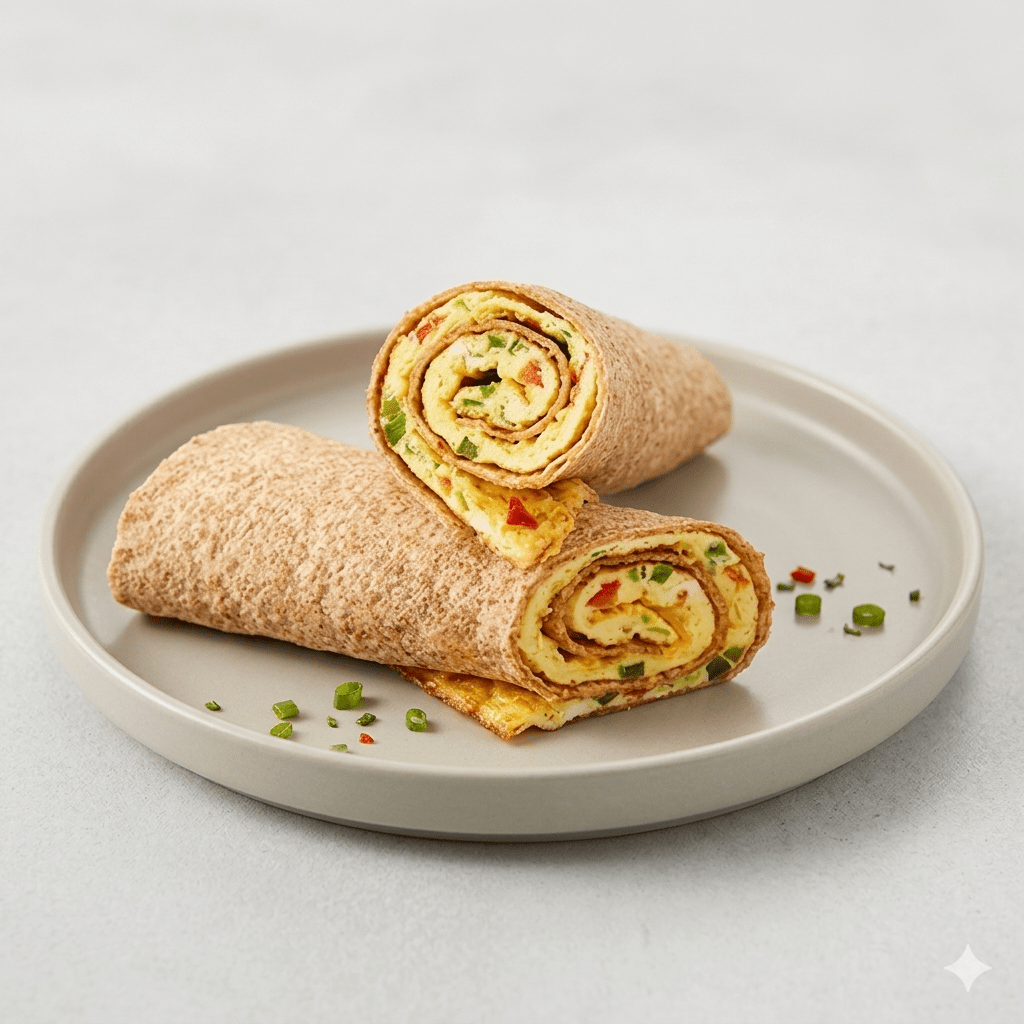
If you’re looking to upgrade your morning routine with something that’s genuinely good for you, I’ve got the perfect solution: Wholewheat Veggie Breakfast Burritos.
Why Wholewheat Wins
When it comes to healthy eating, fibre is your best friend. By switching to wholewheat tortillas, you’re getting a higher fibre content compared to standard white flour options. This keeps your digestion happy and helps you stay feeling fuller for much longer, which is the key to avoiding those mindless mid-morning snacks.
The Power of Plant-Forward Fuel
This recipe isn’t just about filling your stomach; it’s about packing in micronutrients. With fresh tomatoes, spring onions, and colorful peppers, you’re starting your day with a serving of vegetables right off the bat.
Pro Tip: Want to take the satiety factor up a notch? Try adding 100g of drained mixed beans to your tomato and pepper mixture. You’ll be adding extra fibre and a great boost of plant-based protein to keep your energy levels stable all morning long.
Easy Wholewheat Breakfast Burritos
Prep time: 10 minutes | Serves: 4
Ingredients:
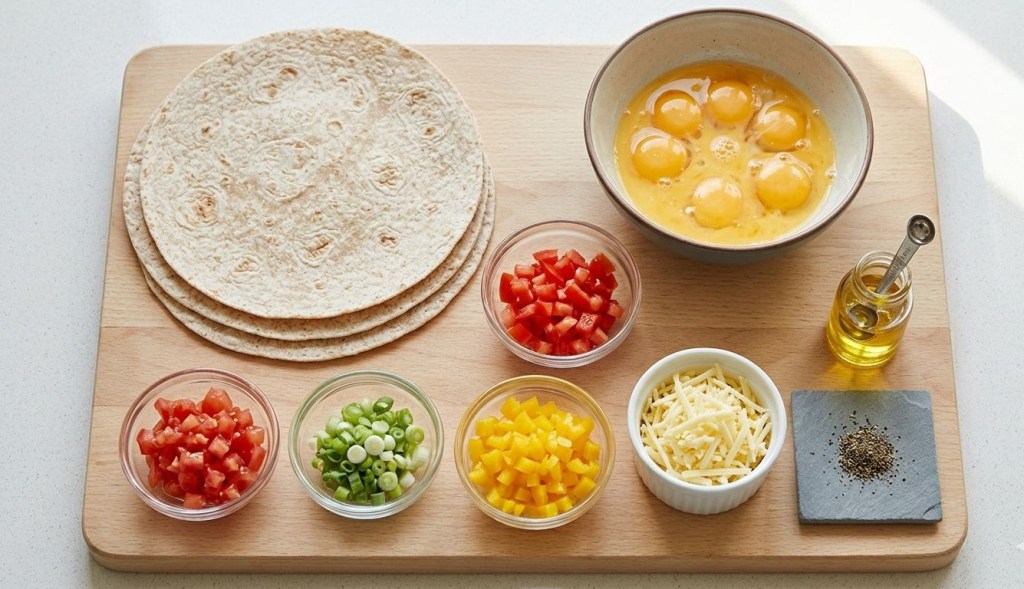
4 soft wholewheat flour tortillas
6 eggs
4 tablespoons 1%-fat milk
2 tomatoes, finely chopped
2 spring onions, finely chopped
1 pepper (any colour!), deseeded and finely chopped
2 teaspoons vegetable oil
40g reduced-fat hard cheese, grated
1 pinch ground black pepper
Method:
1 Whisk & Mix: Beat the eggs and milk together in a bowl. In a separate bowl, toss together the tomatoes, spring onions, and peppers. Season the veggie mix with a pinch of black pepper.
2 Cook the Base: Heat half a teaspoon of vegetable oil in a non-stick frying pan over medium heat. Pour in a quarter of the beaten egg mixture and cook until the base is set.
3 Assemble: Lay a wholewheat tortilla on a work surface. Top with your cooked egg, a quarter of the tomato-veggie mixture, and 10g of the grated reduced-fat cheese.
4 Grill & Roll: Place under a preheated grill for a few moments to melt the cheese and further set the eggs. Roll up tight and serve immediately, or wrap in foil for a healthy grab-and-go meal!
Are you a meal-prepper or do you prefer cooking fresh each morning? Let me know your breakfast routine in the comments below!
Let’s be real for a second—how many times have you skipped breakfast because you were in a rush, only to find yourself reaching for a sugary biscuit by 10 AM? We’ve all been there!
I’ve been on a mission lately to find a grab-and-go breakfast that actually keeps me full, doesn’t cost a fortune, and—most importantly—doesn’t require me to stand over a hot oven at 6 AM.
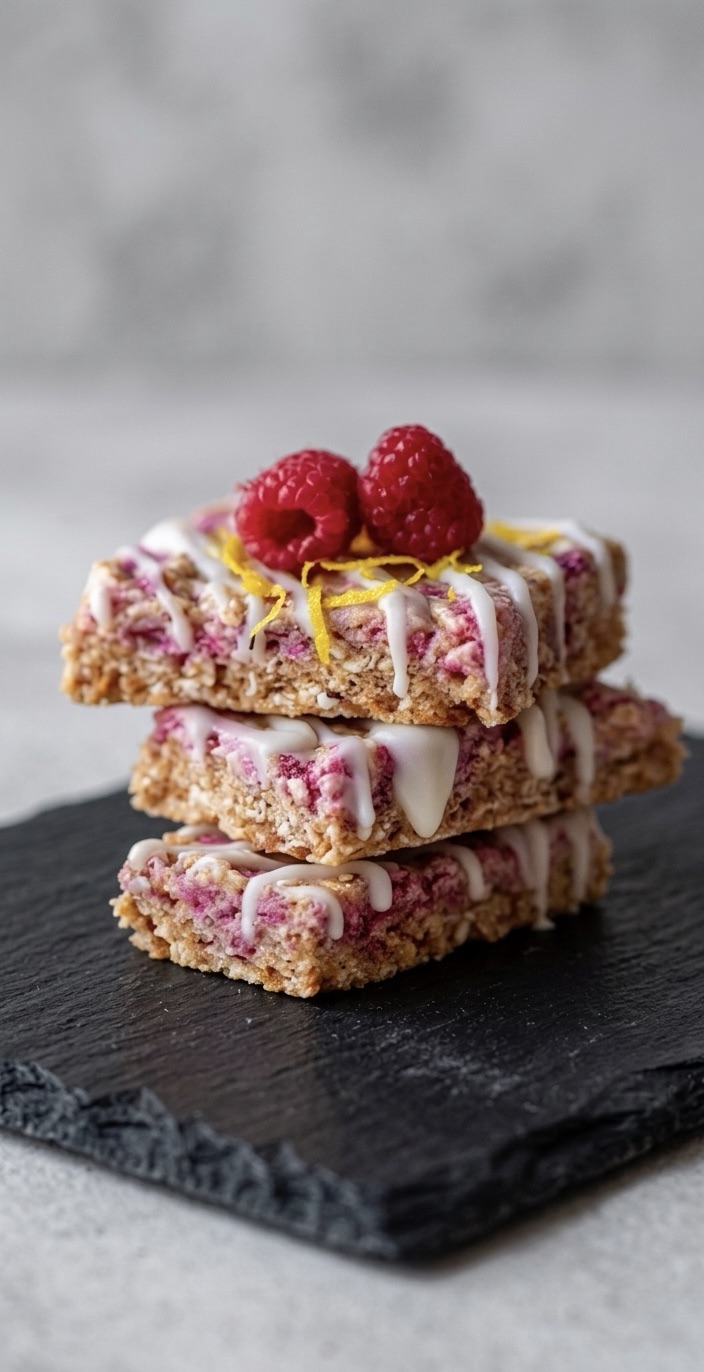
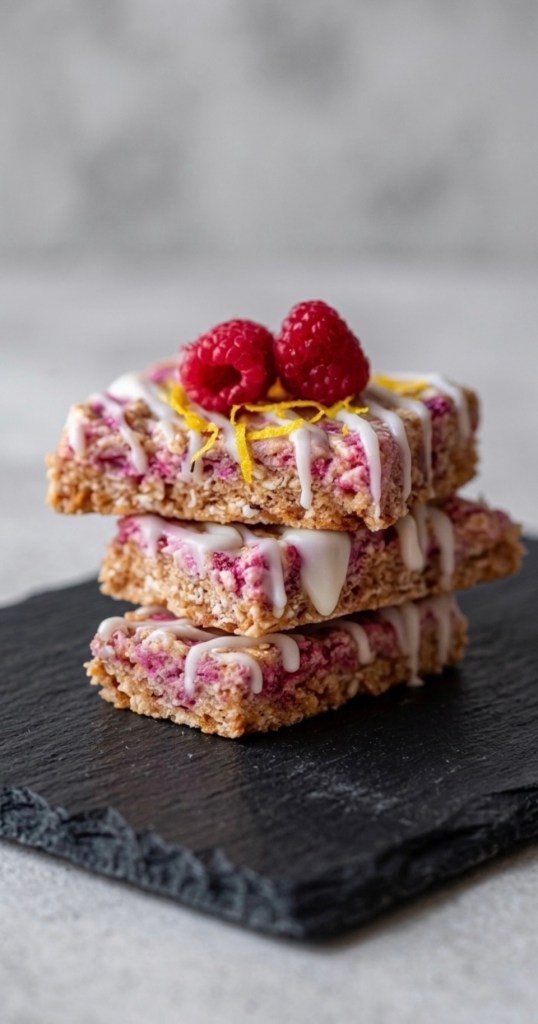
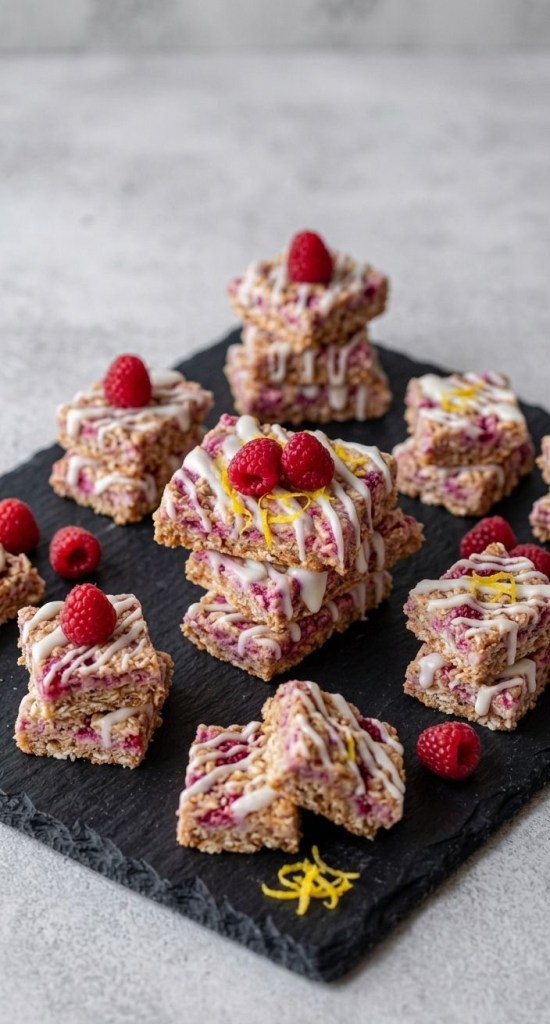
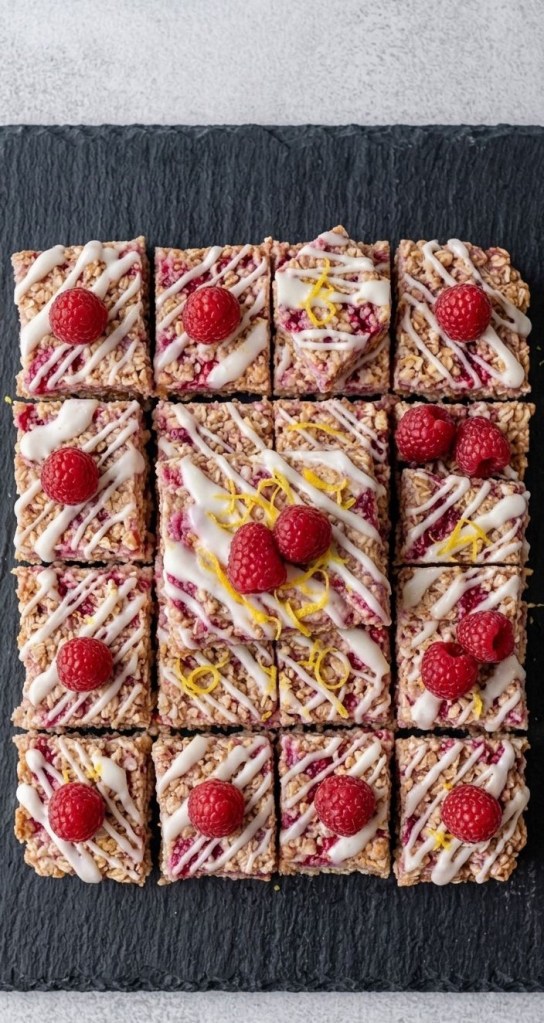
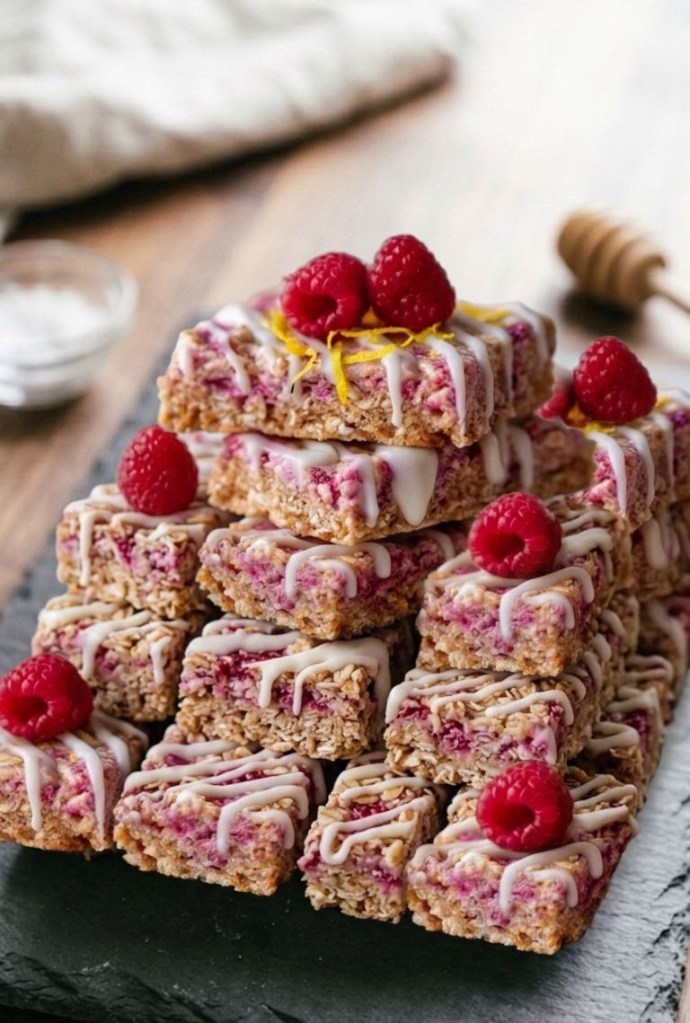
Well, my friends, I think I’ve found the holy grail: No-Bake Raspberry & Lemon Oat Bars. These beauties are chewy, zingy, naturally sweetened, and completely no-bake. They are honestly a game-changer for your weekly meal prep!
Why You’ll Love Them:
Zero Baking: No preheating the oven. Just mix, press, and chill.
Packed with Goodness: We’re talking oats for slow-release energy, seeds for fiber, and nuts for that satisfying crunch.
Customisable: Want to add a little something extra? Go for it!
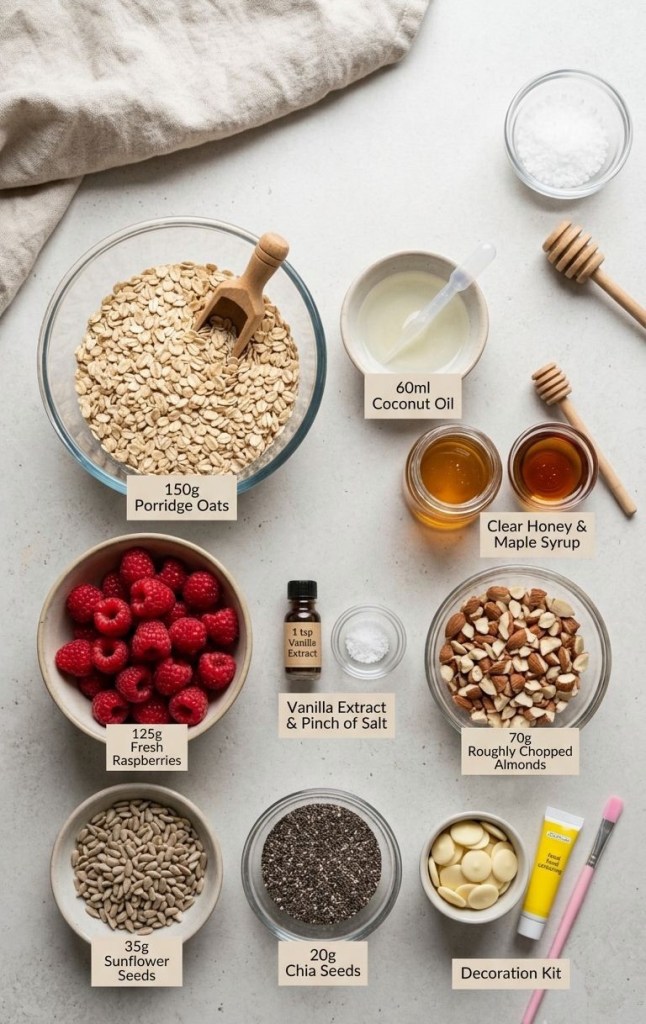
What You’ll Need:
150g Porridge oats (Use jumbo oats if you like a bit more texture)
125g Raspberries (Fresh or frozen both work perfectly)
60ml Coconut oil, melted
85g Clear honey
20g Maple syrup
1 tsp Vanilla extract
Pinch of sea salt
70g Almonds, roughly chopped
35g Sunflower seeds
20g Chia seeds
For the decoration:
White chocolate, melted (essential for that signature drizzle!)
Extra white chocolate mixed with a tiny drop of food colouring (I love using pink or yellow to match the raspberry-lemon vibe!)
How to Make Them:
1. Prep your tin: Line a 20cm (8-inch) square tin with baking parchment. Leaving a bit of an overhang makes it so much easier to lift them out later.
2. The Mix: In a large mixing bowl, combine your melted coconut oil, honey, maple syrup, and vanilla. Give it a good whisk until it’s smooth.
3. Combine: Add in your oats, chopped almonds, sunflower seeds, and chia seeds. Stir until everything is nicely coated in that sticky, sweet mixture.
4. The Fruit: Gently fold in your raspberries. If you’re using frozen, don’t thaw them! Just toss them in straight from the freezer to keep them from breaking up too much.
5. Press & Chill: Tip the mixture into your tin and press it down really firmly with the back of a spoon. This is the secret to getting them to stay together! Pop the tin into the freezer for at least an hour to set.
6. Decorate: Once firm, lift them out and slice into bars. Melt your white chocolate, drizzle away, and feel free to add that pop of colour with your tinted chocolate for a professional bakery look
A Quick Pro-Tip:
These bars keep perfectly in the fridge for about a week, or you can wrap them individually and keep them in the freezer for up to three months. They’re basically the ultimate morning life-saver.
Give these a try this weekend and let me know how you get on! Don’t forget to tag me in your photos—I love seeing your creations!
Are you a “prep your breakfast the night before” person or a “grab whatever is in the cupboard” person? Let me know in the comments below!
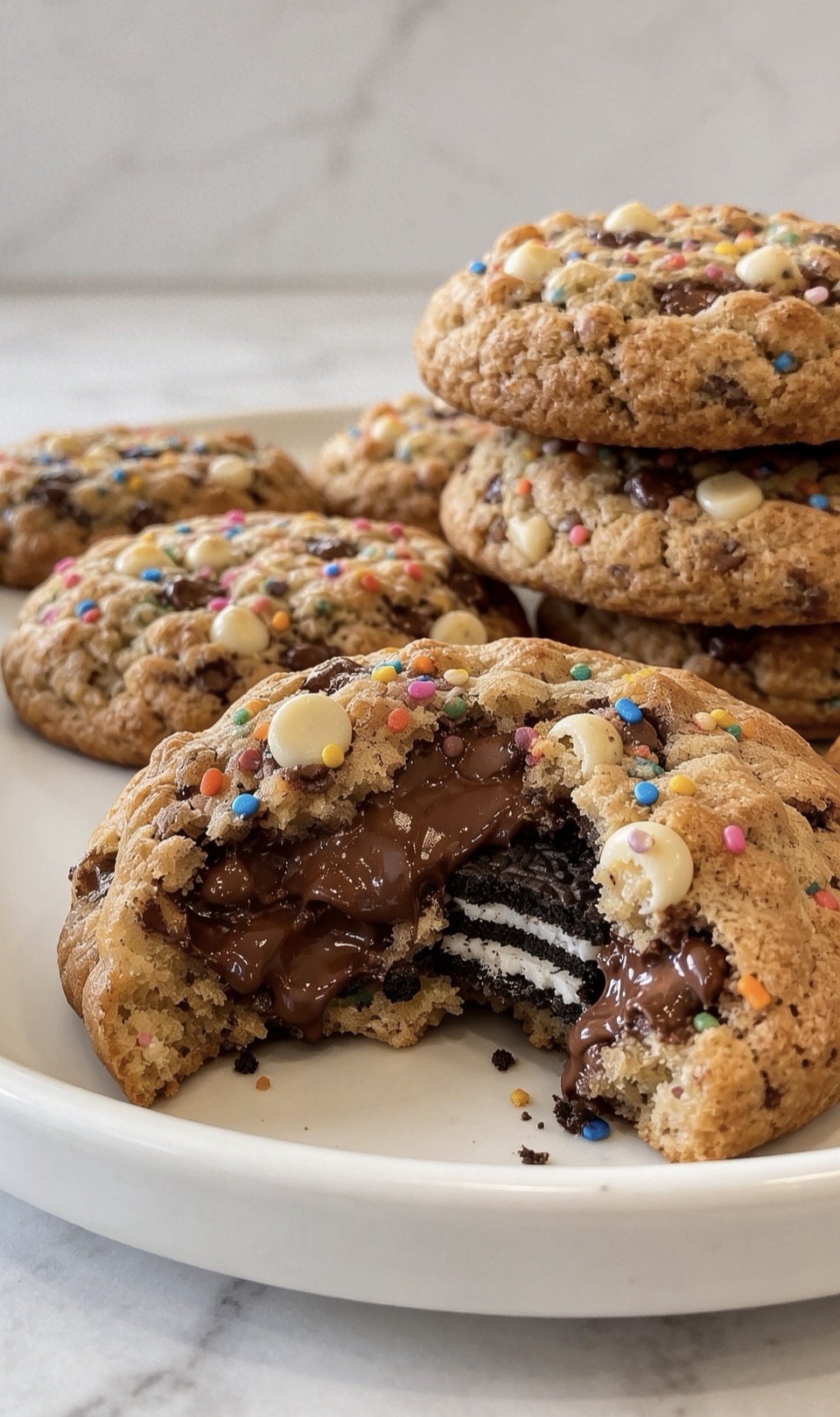
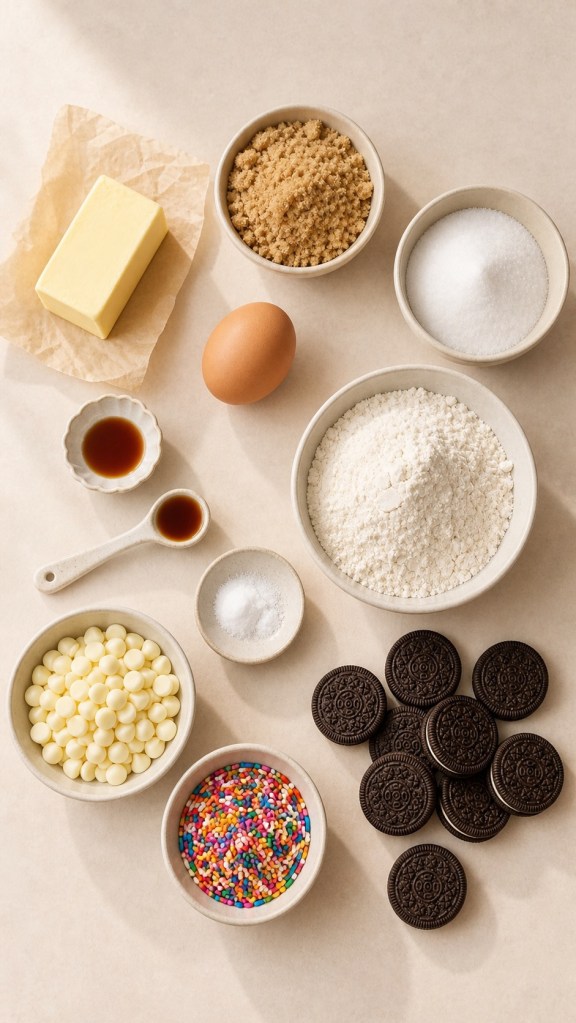
If you love over-the-top bakes that look amazing on camera but are still easy to make at home, these stuffed Oreo sprinkle cookies are for you. Imagine a soft, chewy cookie, bright sprinkles on top, and a full Oreo hiding in the middle, just waiting for that dramatic break on TikTok.
Why you’ll love these stuffed cookies • A full Oreo in every cookie for maximum crunch and nostalgia. • Soft, chewy vanilla cookie dough loaded with white chocolate and rainbow sprinkles.
• Perfect for TikTok, Reels and Stories thanks to that gooey pull-apart moment.
Ingredients for stuffed Oreo sprinkle cookies
For around 10 large cookies, you’ll need: • 115 g unsalted butter, softened • 120 g light brown sugar • 80 g caster sugar • 1 large egg • 1 teaspoon vanilla extract • 260 g plain flour • ½ teaspoon bicarbonate of soda • ¼ teaspoon salt • 60 g white chocolate chips • 3–4 tablespoons rainbow sprinkles
• 10 Oreo biscuits (or any sandwich biscuit you like)
Step-by-step method
Prep your tray and oven Line a baking tray with baking paper and preheat your oven to 180°C (160°C fan).
Cream the butter and sugars In a mixing bowl, beat the softened butter with the light brown sugar and caster sugar until creamy and well combined.
Add the egg and vanilla Beat in the egg and vanilla extract until the mixture looks smooth and slightly lighter in colour.
Combine the dry ingredients In a separate bowl, whisk together the plain flour, bicarbonate of soda and salt. Add this dry mixture into the wet ingredients and mix just until a dough forms. Don’t overmix.
Fold in the fun Stir through the white chocolate chips and rainbow sprinkles until they’re evenly distributed.
Stuff the Oreos Take a heaped tablespoon of dough and flatten it in your hand. Place an Oreo in the centre, then take another small piece of dough and wrap it around the top. Gently mould the dough so the Oreo is completely hidden and sealed inside.
Bake the cookies Place your stuffed dough balls on the lined tray, leaving space for them to spread. Bake for 11–13 minutes, until the edges are lightly golden but the centres still look soft and slightly underbaked.
Cool… then break for the reveal
Allow the cookies to cool on the tray for about 5 minutes so they set. While they’re still warm, break one open for that incredible gooey centre – this is your perfect TikTok shot.
Tips for perfect stuffed cookies • Chill for thicker cookies: If you prefer super thick, bakery-style cookies, chill the stuffed dough balls in the fridge for 20–30 minutes before baking. • Play with flavours: Swap classic Oreos for golden, mint, or seasonal flavours to match your theme or holidays.
• Don’t overbake: These are best when slightly soft in the centre. They will firm up a little as they cool.
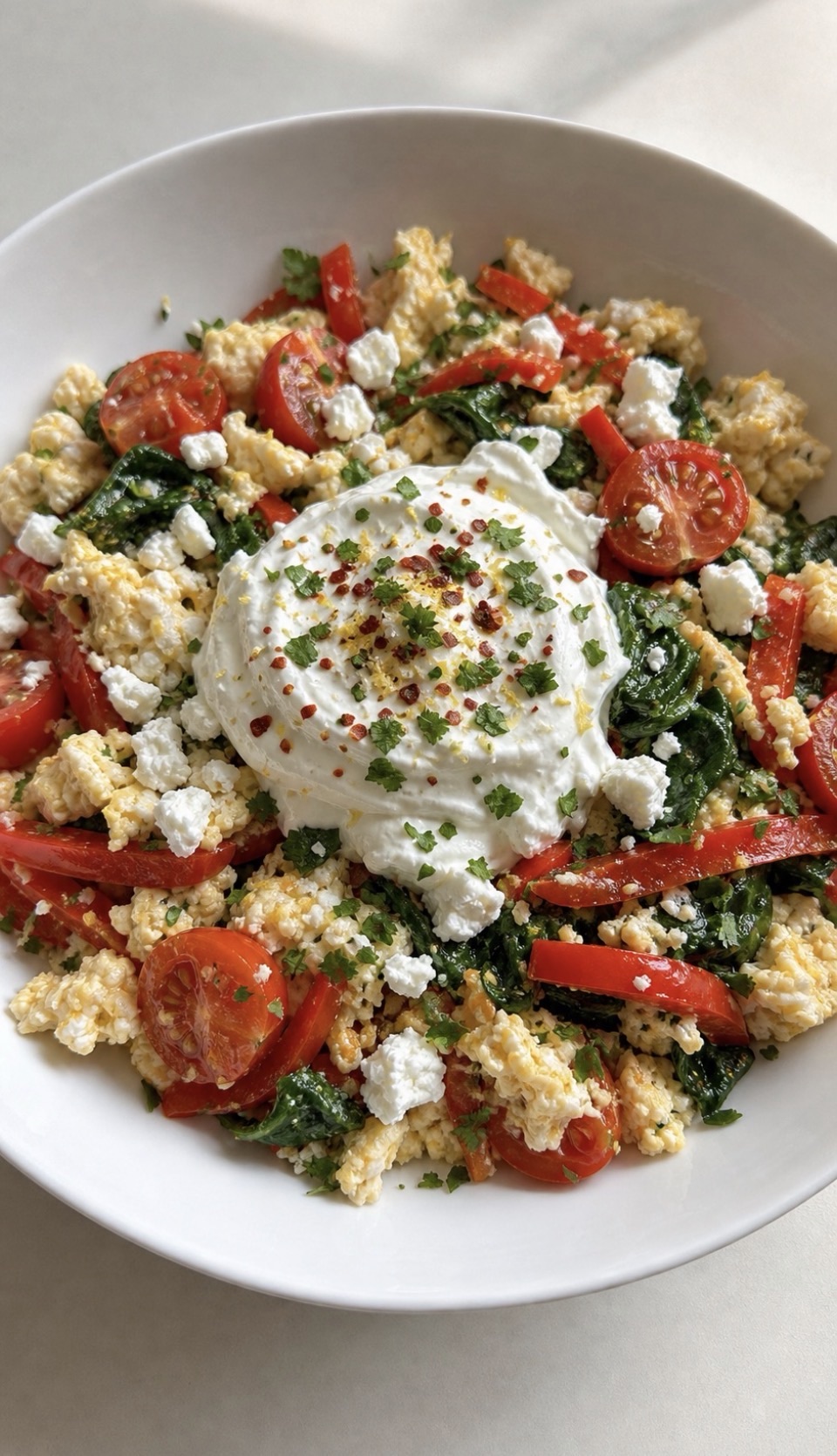
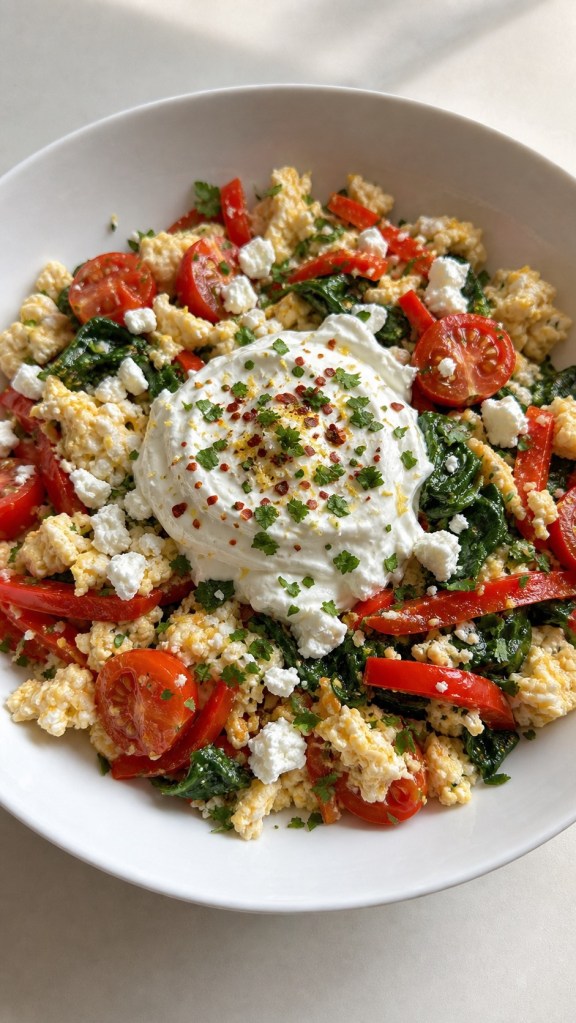
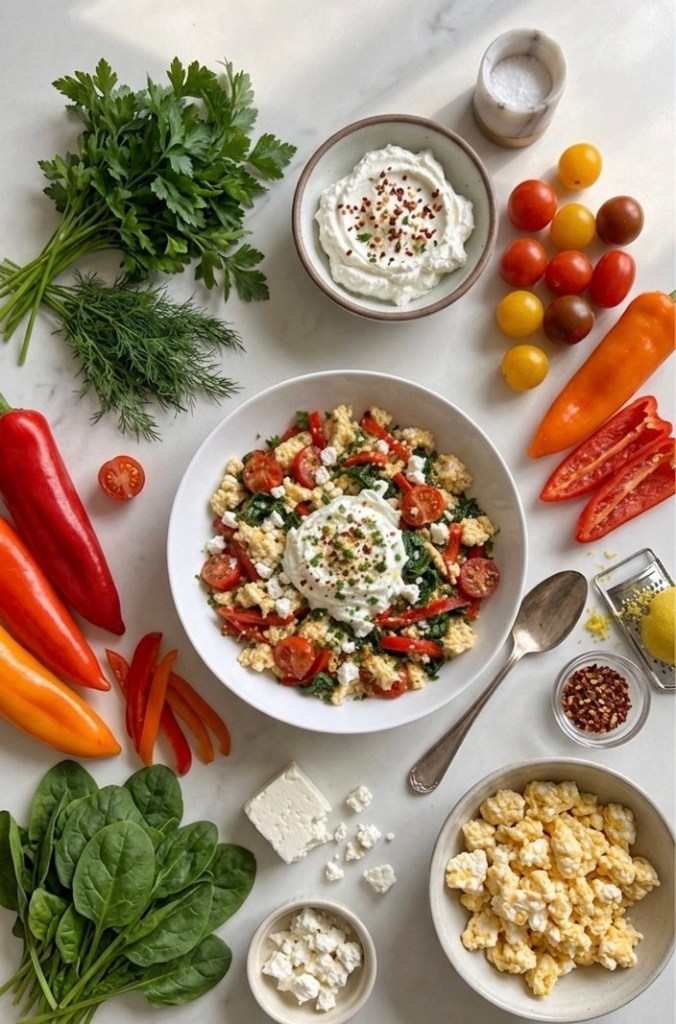
If you’re bored of plain scrambled eggs but still want a high‑protein start to the day, this Mediterranean egg white bowl is a simple upgrade. It’s full of colourful vegetables, uses mostly egg whites for a lighter feel, and finishes with a creamy Greek yoghurt dollop that makes it feel like a café‑style brunch at home.
The best part is how quickly it comes together. From chopping your veg to sitting down with your bowl, you’re looking at about 10 minutes, and you’ll get roughly 32–35g of protein depending on how much feta and yoghurt you use
Protein breakdown (approx.) Exact numbers will vary slightly based on brands, but here’s a rough guide using common UK values: • 1 whole medium egg – about 6 g protein • 2 medium egg whites – about 7–8 g protein • 40 g light feta – about 7 g protein • 80 g thick Greek yoghurt – about 8–9 g protein
That gives you around 28–30 g protein before any extras. Add an extra egg white or a little more yoghurt and you’re comfortably in the 32–35 g range.
Ingredients (serves 1)
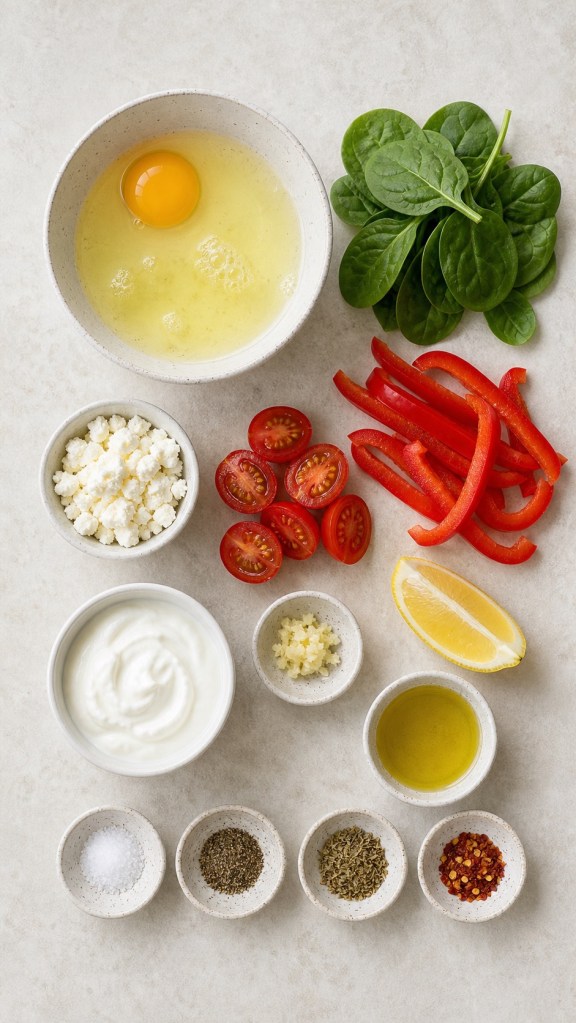
• 1 whole egg • 2–3 egg whites • 1 tsp olive oil • ½ red pepper, thinly sliced • 40 g baby spinach • 3–4 cherry tomatoes, halved • 40 g light feta, crumbled • 80 g thick Greek yoghurt • ½ small garlic clove, very finely grated or crushed • Squeeze of lemon juice • Salt and black pepper • Pinch dried oregano • Pinch chilli flakes • Fresh parsley, chopped, to finish
• Optional: 1 small wholemeal pitta or slice of toast on the side
Method
Make the yoghurt topping. In a small bowl, stir together the Greek yoghurt, grated garlic, lemon juice and a tiny pinch of salt. Adjust to taste and set aside while you cook everything else.
Cook the vegetables. Heat the olive oil in a non‑stick pan over medium heat. Add the sliced red pepper and cook for 2–3 minutes until starting to soften. Tip in the spinach and cherry tomatoes with a pinch of salt and pepper, and cook until the spinach is just wilted.
Scramble the eggs. In a jug or small bowl, whisk together the whole egg and egg whites with a pinch of salt, pepper and the dried oregano. Pour the eggs over the vegetables in the pan and gently scramble, pushing the mixture from the edges into the centre until the eggs are just set but still soft and glossy.
Assemble your bowl. Spoon the egg and vegetable mixture into a wide, shallow bowl. Crumble the feta over the top. Add a generous dollop of your garlicky yoghurt to the centre and finish with chilli flakes and chopped parsley.
Serve and enjoy.
Eat as it is for a lighter bowl, or add a small wholemeal pitta or slice of toast on the side if you need a little extra energy.
Tips, swaps and variations • Make it even higher protein: Add an extra egg white, a bit more yoghurt, or swap the feta for cottage cheese to boost the protein while keeping things light. • Keep it mild: Skip the chilli flakes if you don’t like heat and use only a tiny amount of garlic in the yoghurt. • Meal prep friendly: Chop your peppers and tomatoes the night before so you only need to cook and scramble in the morning. The whole bowl still tastes best freshly made, but the prep work will be done. • Add legumes: For extra fibre and staying power, stir in a spoonful of cooked chickpeas or white beans with the veggies before adding the eggs.
This kind of breakfast is ideal if you want something that feels fresh and light but still keeps you full well into the morning. It fits easily into a Mediterranean‑style way of eating, with plenty of veg, healthy fats and satisfying protein in each bowl.
If your TikTok feed looks anything like mine, it’s currently dominated by one thing: Lotus Biscoff. From cheesecake to iced coffees, the internet’s obsession with Speculoos cookie butter shows no signs of slowing down.
But what if you could justify having that rich, caramelized biscuit flavour for breakfast?
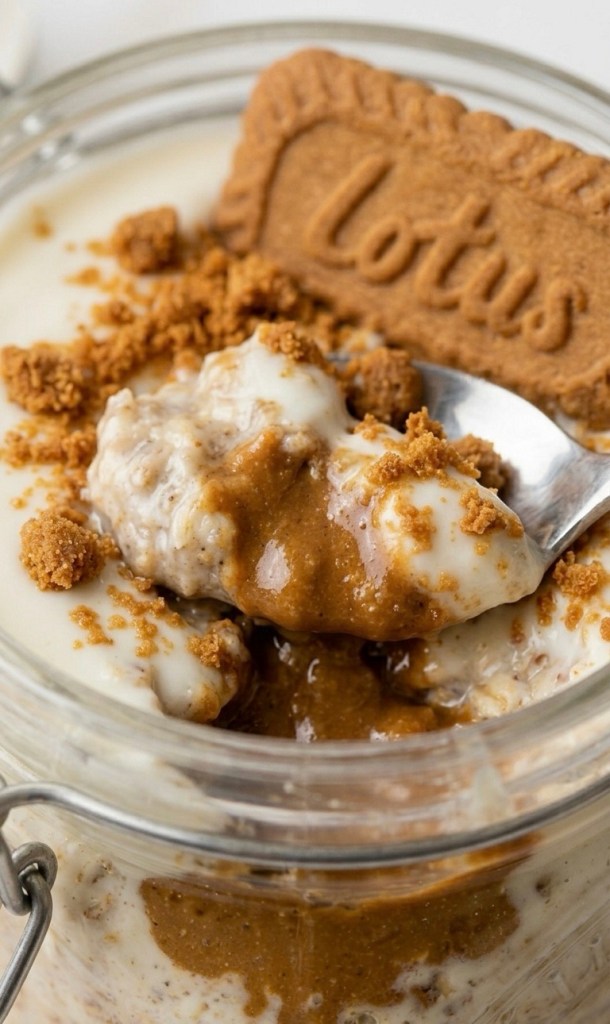
Enter the Biscoff Lava Core Overnight Oats.
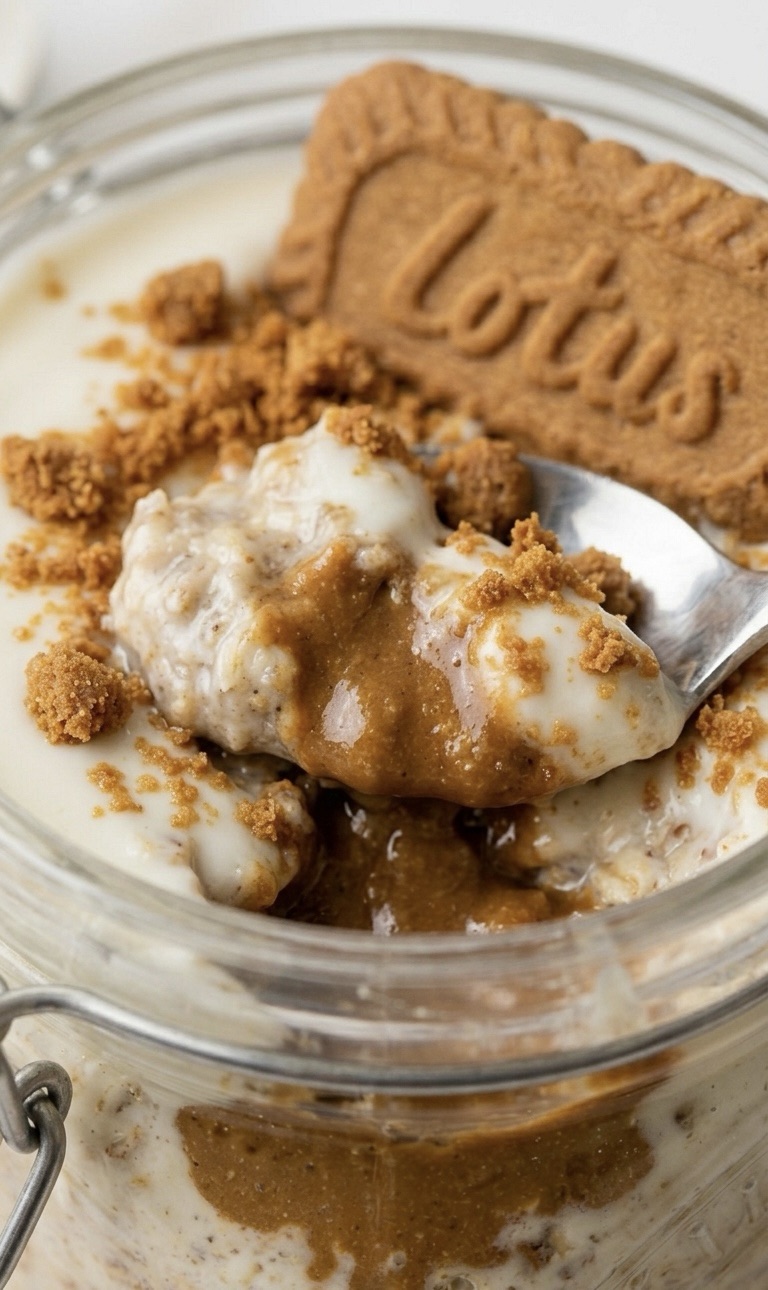
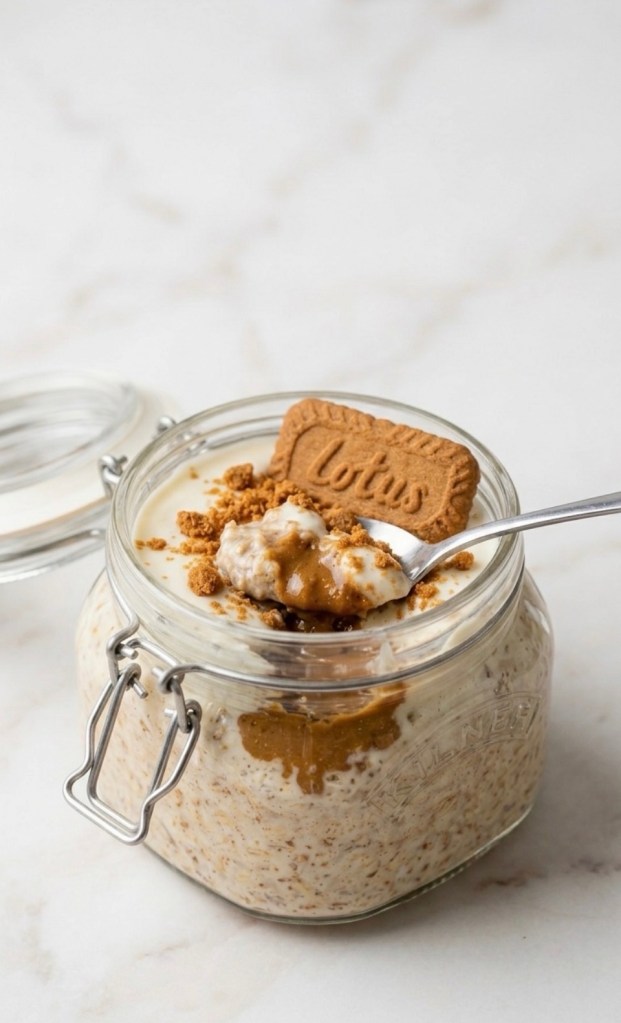
Unlike regular overnight oats—which, let’s face it, can sometimes feel a bit like eating wet cardboard—this recipe hides a dramatic, molten Biscoff centre. When you plunge your spoon into the jar, a thick stream of golden cookie butter literally oozes out. Combined with a velvety, cheesecake-inspired yoghurt topping and a crunchy biscuit finish, this feels like an elite dessert but takes less than 5 minutes to prep.
Here is exactly how to make it at home using standard UK measurements.
Why You’ll Love This Recipe
Zero Cooking Required: Just mix, layer, and pop it in the fridge.
The Ultimate “Dessert for Breakfast” Loophole: It tastes incredibly indulgent but is packed with porridge oats and protein-rich Greek yoghurt.
Perfect for Meal Prep: Make it the night before and grab it on your way out the door.
The Ultimate Visual Hook: If you’re a food creator, the “spoon scoop” video format of this recipe is guaranteed engagement gold.
The Ingredients
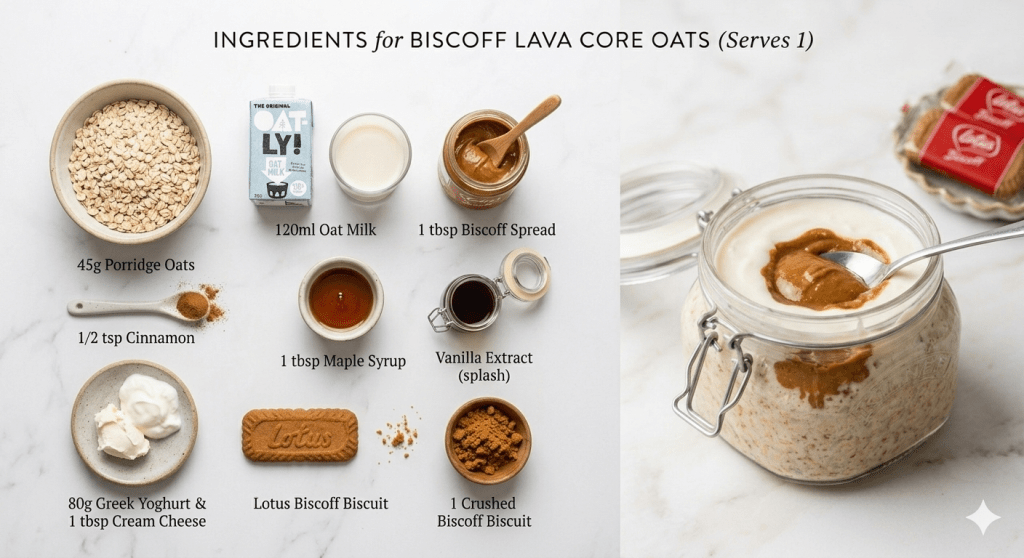
Before you get started, here is a quick visual layout of everything you’ll need to assemble your jars:
For the Oats Base:
45g Porridge oats (Jumbo or rolled oats work best for texture)
120ml Oat milk (Or your preferred dairy/plant-based milk)
1 tbsp Maple syrup (Honey or agave also works beautifully)
1/2 tsp Ground cinnamon ### For the Hidden “Lava” Core:
1 tbsp Lotus Biscoff spread (Smooth version works best here)
For the Cheesecake Style Topping:
80g Greek yoghurt (Plain or vanilla)
1 tbsp Cream cheese (Softened slightly at room temperature)
A splash of vanilla extract
1 Lotus Biscoff biscuit (Crushed, for that essential crunch)
Step-by-Step Method
1. Mix the Base
In a small bowl or directly inside your jar, combine the porridge oats, oat milk, maple syrup, and cinnamon. Stir thoroughly until all the oats are submerged.
2. Create the Secret Core
Take half of your oat mixture and layer it at the bottom of a clean jar (a classic Kilner jar works perfectly for aesthetic points). Drop a solid tablespoon of Lotus Biscoff spread right into the dead centre of the oats. Do not spread it around—keep it as a concentrated pool.
3. Seal the Lava
Carefully spoon the remaining half of your oat mixture around and over the Biscoff pool, completely sealing it inside. This creates the hidden “lava” chamber.
4. Layer the “Cheesecake” Top
In a separate small bowl, vigorously whisk together the Greek yoghurt, softened cream cheese, and a splash of vanilla extract until smooth and creamy. Smooth this layer evenly over the top layer of oats.
5. Chill and Serve
Pop the lid on your jar and set it in the fridge overnight (or for at least 4 hours). Just before you’re ready to eat, crush up one Biscoff biscuit and sprinkle it over the yoghurt layer.
💡 Pro-Tips for Perfection
The 10-Second Microwave Trick: If you want your Biscoff centre to be extra gooey and molten, remove the metal lid and microwave the jar for exactly 10 to 15 seconds right before diving in. It warms the cookie butter core up into a perfect liquid lava state without heating up the entire jar.
Keep the Biscuit Crunchy: Always add the crushed Biscoff biscuit right before eating. If you put it on the night before, it will absorb the moisture from the yoghurt and lose its signature crunch.
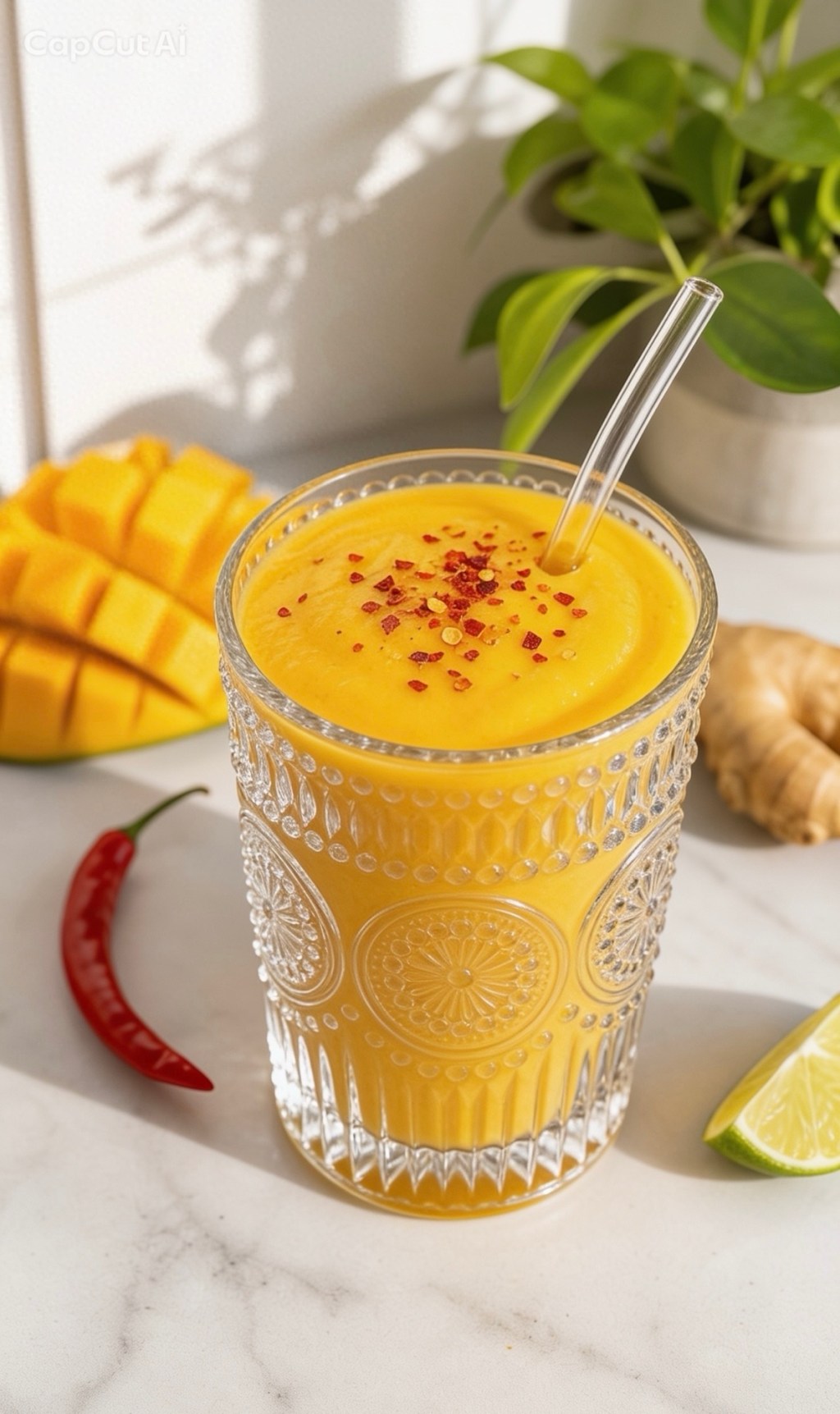
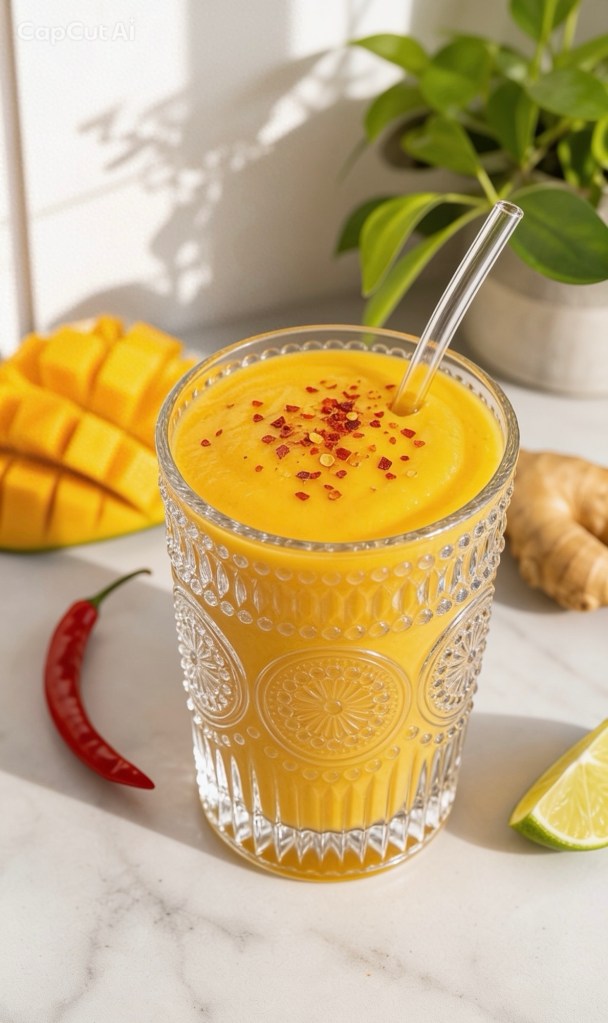
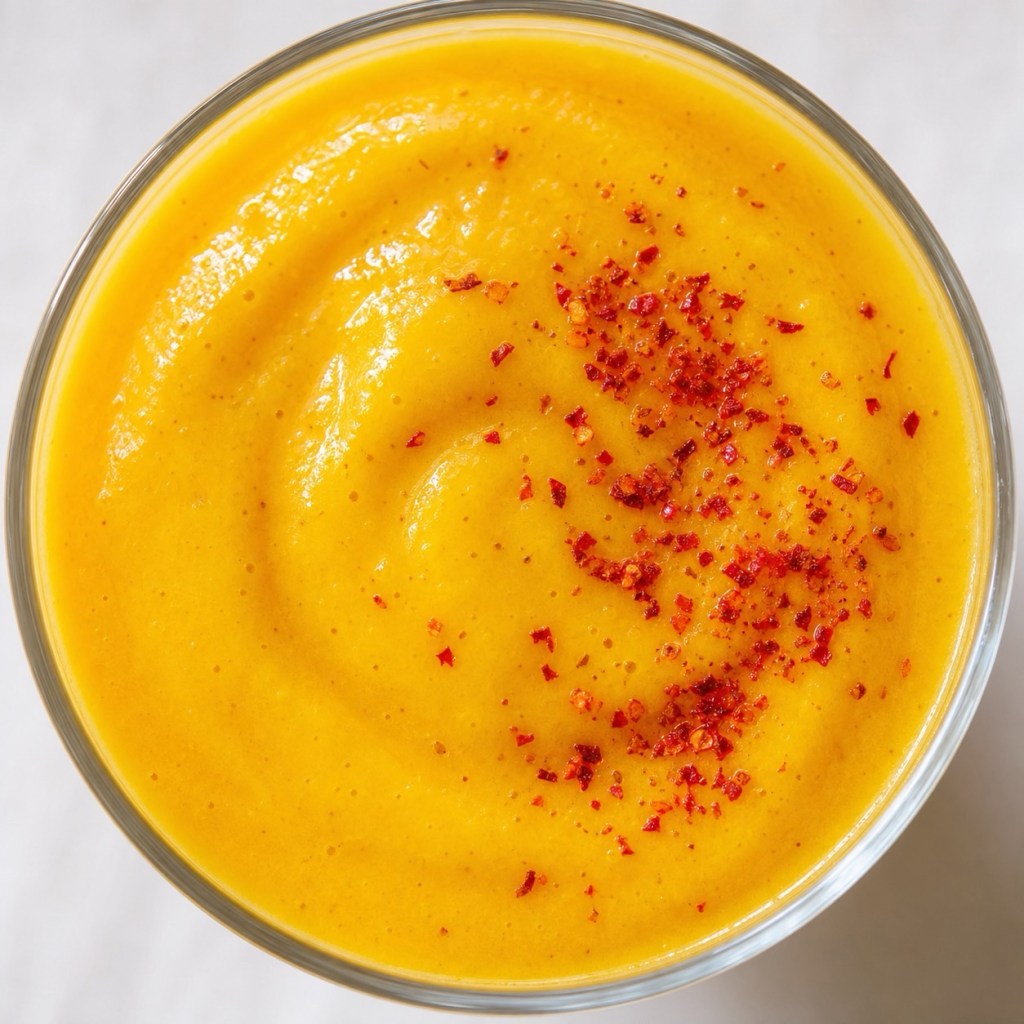
If you’re bored of basic berry smoothies, this Spicy Mango Fire Smoothie is about to become your new obsession. It’s sweet, creamy and tropical from the mango and coconut, but with a subtle kick of chilli and warming ginger that wakes you up better than your morning coffee.
This recipe is perfect for summer, great as a fun breakfast, and even better if you’re creating content for TikTok or Instagram. The colour pops on camera, the ingredients are simple, and the “sweet but spicy” twist makes it instantly more interesting than a standard fruit blend.
Why You’ll Love This Smoothie • Sweet and spicy – mango, banana and coconut keep it creamy and sweet while ginger and chilli add a gentle burn. • Minimal ingredients – everything is easy to find in a normal supermarket. • Ready in minutes – just blend and go, no fancy prep needed.
• Great for content – bright colour, chilli flakes on top, and a fun reaction shot after the first sip.
Spicy Mango Fire Smoothie Ingredients
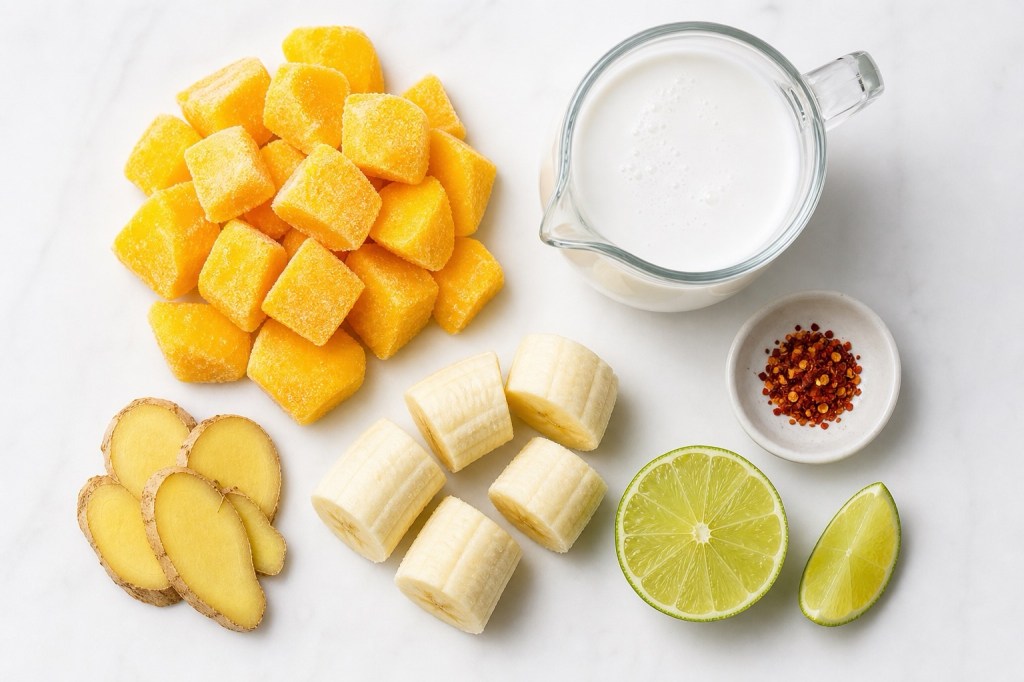
For one large smoothie or two smaller servings, you’ll need: • 1 cup frozen mango chunks • ½ frozen banana (or a small fresh banana plus a few ice cubes) • 1 cup coconut milk or almond milk • 1–2 teaspoons fresh grated ginger • A tiny pinch of chilli flakes or cayenne pepper (start with very little) • Optional: juice of ½ lime for extra zing
You can easily double the recipe if you’re making smoothies for two or want leftovers for later in the day.
Method: How to Make the Spicy Mango Fire Smoothie
Add your liquid first Pour the coconut or almond milk into your blender jug. Adding the liquid first helps everything blend more smoothly.
Add the fruit and flavour Tip in the frozen mango, frozen banana, grated ginger and a tiny pinch of chilli. If you’re using lime juice, add it now as well.
Blend until completely smooth Blend on high until the smoothie is thick, creamy and totally smooth. If it’s too thick for your liking, add a splash more milk and blend again. If it’s too thin, you can add a bit more frozen mango or a couple of ice cubes.
Taste and adjust the heat Take a small sip and decide if you’re happy with the spice level. If you want more heat, add another tiny pinch of chilli and blend again. Go slowly here – it’s easy to add too much.
Serve and garnish
Pour the smoothie into a clear glass. For a pretty finish, sprinkle a light dusting of chilli flakes on top and add a lime wedge to the rim. Serve immediately while it’s cold and thick.
Tips and Variations • Make it creamier: Add a spoonful of Greek yoghurt or coconut yoghurt to make it extra rich. • Boost the protein: Add a scoop of unflavoured or vanilla protein powder and a little extra liquid. • Dial the spice up or down: • For a milder smoothie, skip the chilli and just keep the ginger. • For spice lovers, use fresh red chilli (a tiny slice) instead of flakes – but blend and taste carefully.
• Swap the milk: Any milk works – coconut milk gives the richest tropical flavour, while almond or oat milk keep it lighter.
Serving Suggestions This smoothie is best enjoyed straight away, while it’s thick and icy. It’s perfect as: • A fun weekend breakfast. • An afternoon pick‑me‑up when you’re craving something sweet but different. • A talking point drink for friends – it’s always fun to see their reaction to the chilli kick.
Printable Recipe Card Spicy Mango Fire Smoothie Ingredients • 1 cup frozen mango chunks • ½ frozen banana • 1 cup coconut milk or almond milk • 1–2 tsp fresh grated ginger • Tiny pinch of chilli flakes or cayenne • Optional: juice of ½ lime Instructions
Add milk to the blender, then mango, banana, ginger, chilli and optional lime juice.
Blend on high until thick and smooth.
Adjust thickness with a splash more milk or extra frozen fruit if needed.
Taste and add a little more chilli if you want more heat, then blend briefly again.
Pour into a glass, sprinkle chilli flakes on top and garnish with a lime wedge. Serve immediately.
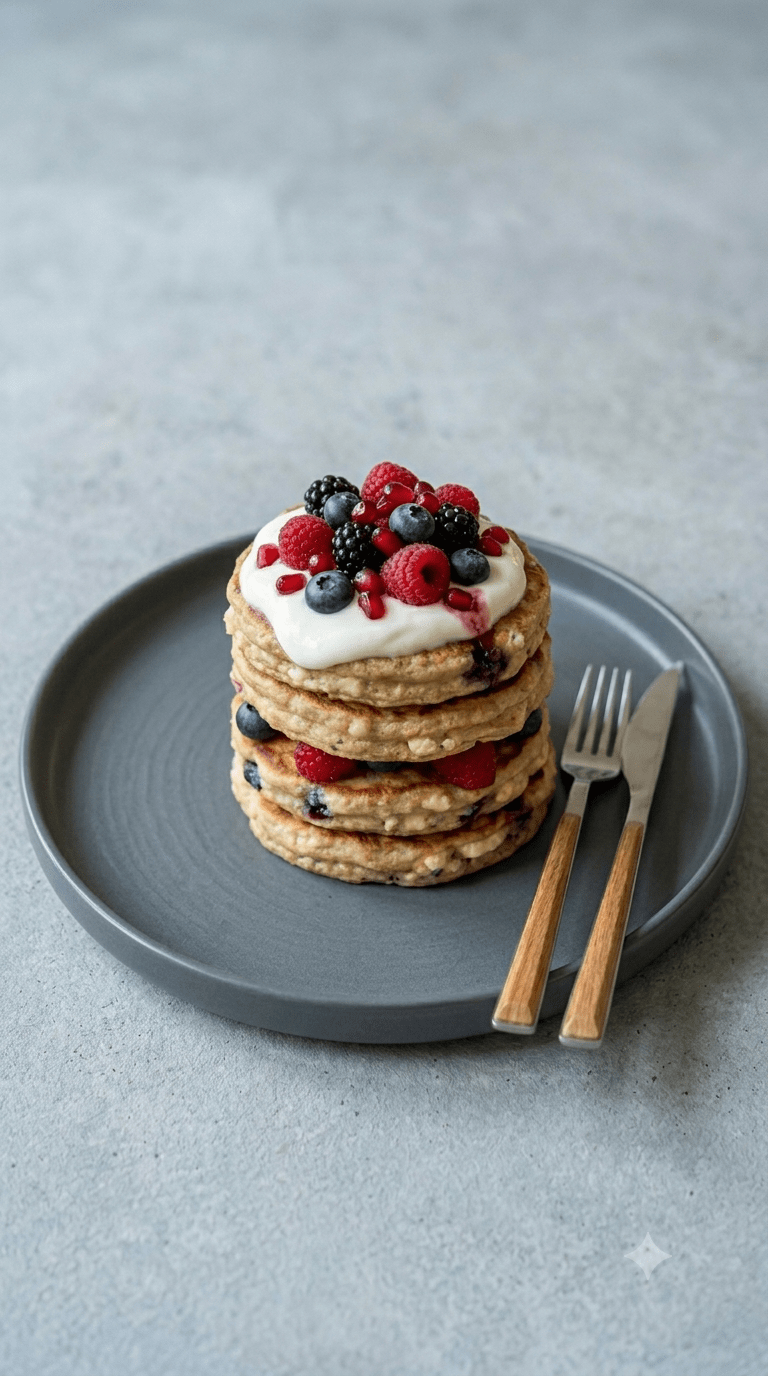
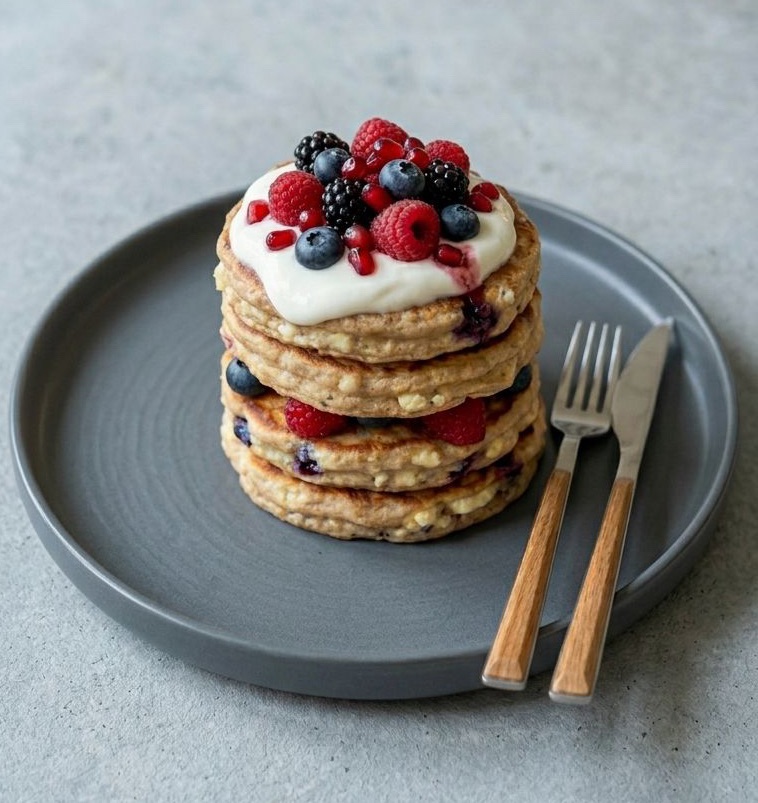
Are you tired of the same old breakfast routine? If you’re looking for a meal that is genuinely satisfying, packed with protein, and tastes like an absolute cheat meal, you have to try these Blender Cottage Cheese Pancakes.
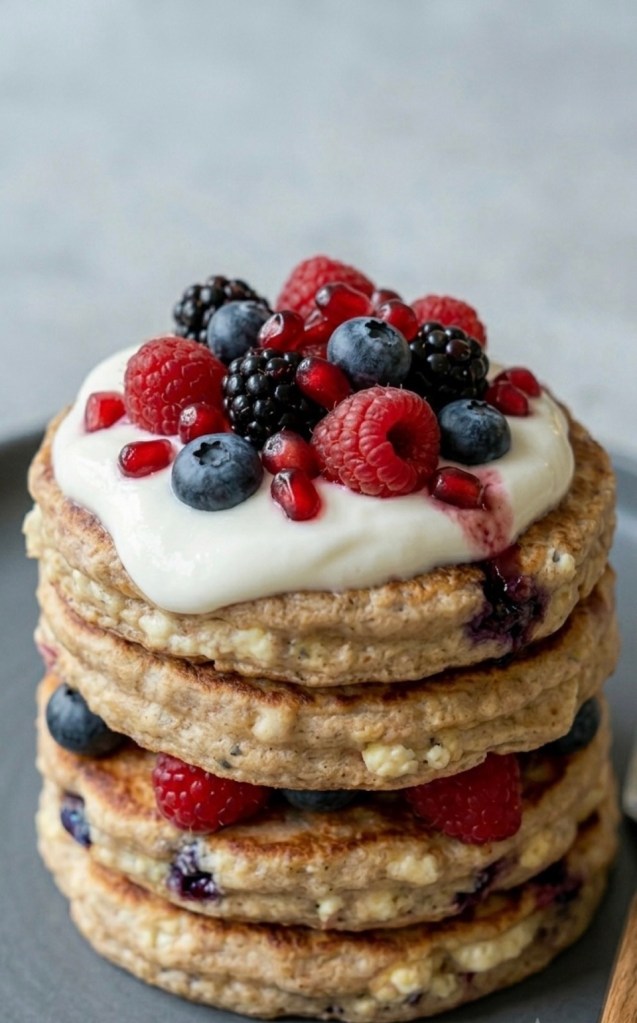
They are soft, light, and incredibly easy to whip up in minutes. The best part? You can’t even taste the cottage cheese once they’re cooked—it just provides that perfect, fluffy texture we all crave!
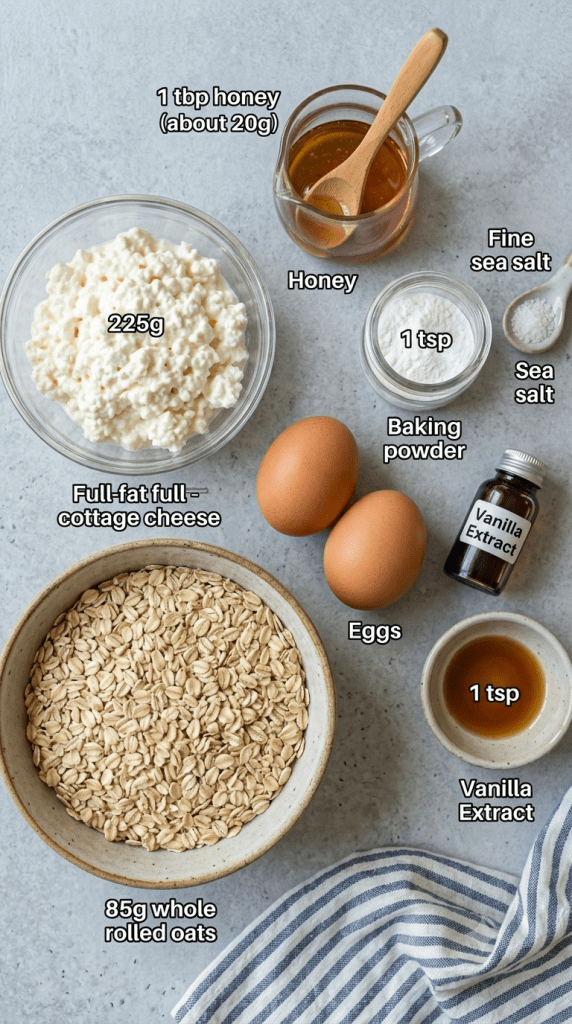
The Recipe (UK Measurements)
Makes approx. 8 pancakes
225g Cottage Cheese
85g Rolled Oats
2 Large Eggs
1 tsp Vanilla Extract
1 tsp Baking Powder
½ tsp Salt
1 tbsp (approx. 20g) Honey
Method
1 Blitz: Add all ingredients to a blender and blitz until smooth. Let the batter rest for 5 minutes—this is the secret to maximum fluffiness!
2 Sizzle: Heat a non-stick pan over medium-low heat with a tiny bit of butter or oil.
3 Pour: Spoon about 2 tablespoons of batter per pancake into the pan.
4 Flip: Cook for 3–4 minutes until bubbles form on top, then flip and cook for another 2 minutes until golden brown.
Level Up Your Pancakes: Alternative Toppings
While I love a classic stack with Greek yogurt, fresh raspberries, and a drizzle of almond butter, here are a few other ways to switch it up:
The “Dessert” Vibe: A spoonful of melted dark chocolate and sliced strawberries.
The Crunchy Classic: Toasted walnuts or pecans with a drizzle of maple syrup.
The Fresh & Zesty: Lemon curd or a squeeze of fresh lemon juice with a sprinkle of poppy seeds.
The Tropical Twist: Sliced banana with toasted coconut flakes and chia seeds.
Why You’ll Love Them
These pancakes are perfect for a nutritious breakfast or a post-workout recovery meal. They’re packed with protein (approx. 45g for the whole batch!), keeping you full and energized throughout your morning.
Have you tried them yet? Let me know your favourite topping combo in the comments below!





 LCChaosandhome